When a Samoyed Moves to Adult Food
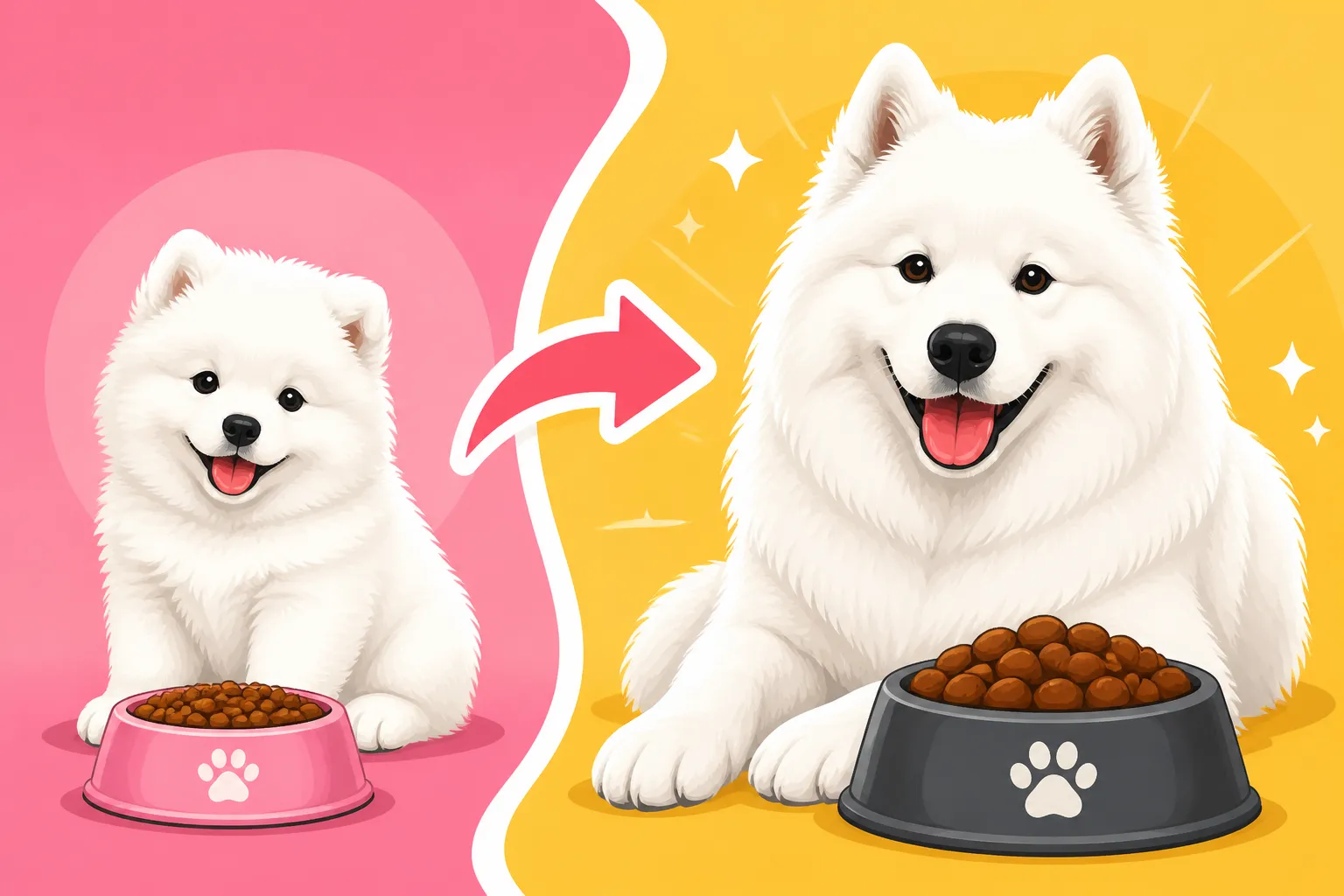
It's easy to feel lost when your fluffy Samoyed puppy starts looking less like a floofball and more like a majestic, still-growing cloud, and you're left wondering: when exactly do I switch them to adult food? The timing of this transition is more critical than many new Samoyed parents realize, impacting everything from their bone development to their long-term health. This guide will walk you through the key indicators, nutritional considerations, and a smooth transition plan to ensure your Samoyed continues to thrive long past puppyhood.
Understanding the Growth Stages of a Samoyed Puppy
Your Samoyed puppy isn't just getting bigger; they're going through a complex series of developmental stages, each with its own unique nutritional demands. Unlike smaller breeds that might hit maturity much sooner, a Samoyed, being a large breed, takes its sweet time to fully develop. Rushing this process can have unintended consequences, especially for their delicate growing bones and joints.
Puppyhood Versus Adolescence in Samoyeds
When we talk about a Samoyed puppy, we're really encompassing a broad period that stretches far beyond their first birthday. True puppyhood, marked by rapid growth spurts and immense energy, typically lasts until around 6-8 months. During this time, they are like little sponges, absorbing nutrients to build muscle, develop their internal organs, and form strong skeletal structures. You'll notice incredible changes week by week, as they gain weight and height at an astonishing rate.
Then comes adolescence, which for a Samoyed can run anywhere from 8 months up to 18-24 months. This stage is often characterized by continued, though slower, physical growth, mental maturation (or lack thereof, depending on the day!), and a shift in energy needs. While they might look like an adult long before they are one, their bones and growth plates are still fusing, and their internal systems are still maturing. It's during this extended adolescence that many owners start to question their puppy food choices, often seeing their Samoyed getting bigger but not quite reaching their full, solid adult physique. Understanding The Age a Samoyed Finally Matures helps put this into perspective.
Nutritional Needs of Growing Samoyeds
The specific nutritional needs of a growing Samoyed are different from those of an adult. Puppy foods are generally much higher in calories, protein, and certain minerals like calcium and phosphorus. This is because puppies require a significant amount of energy and building blocks to support their rapid development. However, for large breeds like Samoyeds, too much of a good thing can actually be detrimental. Excessive calories can lead to overly rapid growth, which in turn can put undue stress on developing joints and increase the risk of orthopedic issues like Hip Dysplasia in a Samoyed.
The balance of calcium and phosphorus is also incredibly important. While essential for strong bones, an imbalance or over-supplementation can interfere with proper bone development in large-breed puppies. That's why quality large-breed puppy formulas are formulated with a slightly adjusted nutrient profile compared to small-breed puppy foods. They aim to support steady, controlled growth rather than explosive gains, giving the skeletal system time to catch up with muscle development. You want them to grow steadily, not to shoot up like a beanstalk, which is why Whether a Samoyed Puppy Should Grow Slowly is a critical concept.
Why Timing the Transition Matters for Samoyeds
The "when" of switching from puppy to adult food isn't just about convenience; it's a pivotal decision that directly impacts your Samoyed's long-term health, particularly concerning their musculoskeletal system and overall well-being. Getting it wrong can contribute to health challenges later in life, which is the last thing any Samoyed parent wants.
Avoiding Too Early or Too Late
Transitioning your Samoyed too early to adult food can mean they miss out on crucial nutrients required for their ongoing development. Adult foods, by design, have lower caloric densities and different macro- and micronutrient ratios, which might not be sufficient to fuel a still-growing Samoyed. Imagine trying to build a skyscraper with fewer bricks and less concrete than necessary – the structure might stand, but it won't be as robust as it could be. An early switch could lead to insufficient energy, slower development, or even nutrient deficiencies that hinder their full growth potential.
On the flip side, keeping your Samoyed on puppy food for too long, especially if it's a high-calorie formula not specifically for large breeds, can lead to its own set of problems. The primary concern here is excessive caloric intake, which can lead to rapid weight gain. While a pudgy puppy might seem cute, an overweight Samoyed puppy places undue strain on their still-developing joints and growth plates. This added stress can exacerbate genetic predispositions to conditions like hip or elbow dysplasia, making them more severe. It can also set a precedent for unhealthy weight in adulthood, which has its own long list of associated health risks, including Whether an Overweight Samoyed Is More Likely to Get Diabetes.
Impact on Bone and Joint Health
For a large breed like the Samoyed, bone and joint health are paramount. Their rapid growth phases, particularly during their first year, are when their skeletal system is most vulnerable. Puppy foods, especially those formulated for generic "all breeds," often contain higher levels of calcium and phosphorus. While these are essential, an excess can interfere with the proper development and maturation of their growth plates and cartilage. This can lead to skeletal abnormalities, such as osteochondrosis (OCD), or exacerbate the severity of hip and elbow dysplasia.
The goal is to foster slow, steady growth rather than rapid increases in size. Adult food generally has lower levels of these minerals, which becomes appropriate once the most intensive phase of bone growth has passed. By switching at the right time, you're helping to manage the growth rate, allowing their bones and joints to strengthen and mature without being overloaded by excessive weight or imbalanced mineral intake. It's about providing optimal support, not just maximum nutrients. Carefully monitoring their weight is key, as discussed in Why a Samoyed Owner Must Watch Its Weight Closely.
Signs Your Samoyed Puppy is Ready for Adult Food
Knowing when to make the switch is more art than science, as every Samoyed is an individual. However, there are some pretty clear physical and behavioral cues that can tell you your fluffy companion is maturing and ready for a change in their dietary needs. You'll want to watch for a combination of these indicators rather than relying on just one.
Physical Maturity Cues
The most significant physical indicator is often a noticeable slowing in their growth rate. Remember those weeks when it felt like you bought new collars and harnesses every month? That intense spurt usually tapers off around 10-14 months for many Samoyeds. While they might still add a little height or bone density, the frantic pace of vertical growth slows down considerably. You might also notice their body proportions becoming more balanced, less gangly, and starting to resemble the sturdy, elegant build of an adult Samoyed. They start to "fill out" rather than just grow "up."
Another critical physical cue, though harder to detect without a vet's help, is the closure of their growth plates. These are areas of cartilage at the ends of long bones where growth occurs. Once these plates fuse, the bone has reached its full length. For large breeds like Samoyeds, this typically happens between 14 to 20 months of age. While you won't see these closures, a veterinarian can often confirm with X-rays if there's a medical reason to do so. Generally, if your Samoyed is around 12-18 months old, has reached most of their anticipated adult height, and their overall energy expenditure isn't excessively high due to extreme growth, they are likely nearing or at a good point for transition. What a Samoyed Actually Weighs can give you an idea of their expected adult size.
Behavioral Indicators and Energy Levels
Beyond physical changes, your Samoyed's behavior and energy levels can offer valuable clues. While Samoyeds are known for their boundless energy, you might observe a subtle shift. That puppy exuberance, while still present, may start to temper slightly. They might not be quite as frantic during play, or they might settle down a bit more readily after a burst of activity. Their overall activity level might remain high, but the intensity of their growth-fueled restlessness often decreases.
You might also notice changes in their appetite. A growing puppy devours food with unparalleled enthusiasm, sometimes seeming like a bottomless pit. As they mature, their intense hunger might become slightly less ravenous, or they might even leave a few kibbles in the bowl occasionally (though a Samoyed is rarely one to turn down a meal!). If you find your Samoyed is starting to gain a bit too much weight despite being on a puppy formula, and they are well past their first birthday, it’s a strong signal that their caloric needs are decreasing, and they're ready for the less calorie-dense adult food. Consider their overall demeanor; a puppy still in rapid growth can seem perpetually "on," whereas a maturing Samoyed, while playful, often has a more measured presence.
The Transition Process: Making the Switch Smoothly
Suddenly swapping out your Samoyed's food can be a recipe for disaster, mainly in the form of an upset stomach. A smooth transition is key to avoiding digestive issues and ensuring your dog adjusts well to their new diet. It's a gradual process, usually taking about a week, and it requires a little patience and consistency on your part.
Gradual Introduction of New Food
The golden rule for any dietary change in dogs, especially one as significant as moving from puppy to adult food, is to do it gradually. This allows your Samoyed's digestive system to slowly adapt to the new ingredients, protein levels, and fat content without being overwhelmed. An abrupt change can lead to diarrhea, vomiting, or a sudden loss of appetite, none of which are pleasant for you or your furry friend.
Start by mixing a small amount of the new adult food with their current puppy food. A good ratio to begin with is about 25% new food to 75% old food. Maintain this ratio for two to three days, watching for any signs of digestive upset. If everything seems normal – solid stools, good appetite, no unusual gas – you can then increase the proportion. The next step would be 50% new food and 50% old food for another two to three days. Continue this pattern, moving to 75% new and 25% old, until eventually, after about a week or so, your Samoyed is eating 100% adult food. This slow introduction gives their gut bacteria time to adjust to the new ingredients, minimizing tummy troubles. You can find a wide range of suitable adult dog foods on platforms like Chewy, making it easy to plan your transition.
Managing Digestive Upset During Transition
Even with a gradual transition, some Samoyeds might still experience mild digestive upset. It's just their system telling you it needs a little more time to adjust. Signs to watch for include softer stools, increased flatulence, or slight changes in appetite. If you notice these, don't panic! Simply slow down the transition. Go back to the previous ratio for an extra day or two, or even extend each stage by another day. For example, if you moved to 50/50 and your Samoyed got an upset tummy, go back to 25/75 for a few more days before trying 50/50 again.
In some cases, a probiotic supplement can be helpful during this period. These supplements introduce beneficial bacteria to the gut, aiding digestion and supporting a healthy microbiome. Always consult your veterinarian before introducing any new supplements, especially if your Samoyed is experiencing significant or prolonged digestive issues. They can offer specific advice tailored to your dog's health needs and rule out any other underlying causes. The goal is a smooth, stress-free transition for everyone involved, leading to a happy, healthy adult Samoyed.
Choosing the Right Adult Food for Your Samoyed
Once you've determined your Samoyed is ready for adult food, the next hurdle is selecting the right one. The market is saturated with options, and what works for a Chihuahua definitely won't be ideal for a majestic Samoyed. You need to focus on formulations that support their size, activity level, and breed-specific needs.
Understanding Protein and Fat Content
For adult Samoyeds, you'll want to look for a high-quality adult dog food with a balanced protein and fat content. Protein is essential for maintaining their powerful musculature and overall body functions. Aim for a diet with at least 25-30% protein from identifiable meat sources like chicken, beef, or lamb. These are the building blocks that keep them strong and active.
Fat provides concentrated energy and supports healthy skin and coat – vital for that magnificent Samoyed fluff! A fat content of around 12-18% is generally appropriate for an active adult Samoyed. If your Samoyed is particularly active, perhaps involved in activities like canicross or even just robust daily play, they might benefit from the higher end of that range, or even a specialized "performance" formula. However, if they are more of a couch potato (a rare Samoyed, but they exist!), lean towards the lower end to prevent unwanted weight gain. Always remember that How Much Food a Samoyed Eats Monthly will vary greatly based on their activity.
Ingredient Quality and Brand Considerations
Beyond the numbers, the quality of ingredients truly matters. Look for whole, recognizable ingredients at the top of the list. That means real meat as the first ingredient, followed by wholesome grains (unless there's a specific dietary need for grain-free, which should be discussed with your vet, as Whether Grain Free Food Risks a Samoyed's Heart is a real concern), vegetables, and fruits. Avoid foods with excessive fillers, artificial colors, flavors, or preservatives. These don't add nutritional value and can sometimes trigger sensitivities.
Many reputable brands offer formulas specifically designed for large breeds, which often have appropriate calcium-to-phosphorus ratios and controlled calorie levels to maintain a healthy weight. When looking at options, consider brands known for rigorous testing and quality control. You might find a fantastic selection of adult Samoyed-appropriate formulas on platforms like Chewy, which often provides detailed nutritional breakdowns and customer reviews that can be very helpful. Many owners also explore subscription services like Ollie, which offers fresh, human-grade food tailored to your dog's needs, or readily available options from Amazon. Always compare ingredient lists and guaranteed analysis information to make an informed choice.
Monitoring Your Samoyed After the Switch
The transition isn't truly over once your Samoyed is eating 100% adult food. Ongoing monitoring is crucial to ensure the new diet is meeting all their needs and that they are thriving on it. This involves regularly assessing their body condition, energy levels, and even the quality of their magnificent coat.
Weight and Body Condition Assessments
After switching to adult food, it's vital to keep a close eye on your Samoyed's weight and overall body condition. Their caloric needs have changed, and it's easy for them to either gain or lose weight unexpectedly. You should be able to easily feel their ribs with a light touch, without them being visibly prominent. When viewed from above, they should have a discernible waistline, and their belly should tuck up slightly when viewed from the side.
Regularly weighing your Samoyed, perhaps monthly or every other month, can help you catch any trends early. If you notice them gaining weight, you might need to slightly reduce their portion size or increase their exercise. Conversely, if they're looking a little too lean, you might need to increase their food slightly. Remember, the feeding guidelines on food bags are just a starting point; every dog is an individual. A tool like a body condition score chart (easily found online) can be a great visual aid. Understanding How Much a Samoyed Should Eat is an ongoing adjustment based on their individual metabolism and activity.
Energy Levels and Coat Health
Beyond weight, observe your Samoyed's energy levels. Are they still enthusiastic for walks and playtime? Do they seem lethargic or unusually restless? A well-fed Samoyed on a suitable diet should maintain their characteristic playful and energetic demeanor. Any drastic or prolonged changes in energy might indicate that the food isn't providing adequate nutrition or that something else is amiss.
Their coat is another excellent indicator of overall health and dietary adequacy. That iconic Samoyed coat should be thick, lustrous, and feel soft to the touch. If you notice dullness, excessive shedding (beyond their normal coat blow, of course!), dry skin, or a change in texture, it could signal that their diet isn't providing the necessary nutrients for skin and coat health. Fatty acids, particularly Omega-3s, are crucial for that healthy glow, so ensure their food contains good sources or consider a supplement if recommended by your vet. While a Samoyed's coat naturally sheds dirt, a healthy diet supports its innate ability to look pristine.
| Age Range (Typical) | Key Developmental Stage | Food Type Recommended | Key Nutritional Focus (General) |
|---|---|---|---|
| 8 weeks – 6 months | Rapid Growth & Development | High-Quality Large Breed Puppy Food | High protein, controlled calcium/phosphorus |
| 6 months – 12 months | Continued Growth & Muscle Development | High-Quality Large Breed Puppy Food | High protein, controlled calories |
| 12 months – 18 months | Growth Slows, Maturation Continues | Large Breed Puppy Food (consider transition) | Balanced protein/fat, joint support |
| 18 months + | Physical Maturity, Adult Maintenance | High-Quality Adult Dog Food | Maintenance protein/fat, overall health |
Note: These are general guidelines; individual Samoyed growth rates can vary.
Disclaimer
This article is for general informational purposes only and does not constitute professional advice. Laws, prices and regulations vary by location and change over time. Consult a qualified professional for guidance on your specific situation.