Whether a Samoyed Can Sleep Outside in Winter
The majestic Samoyed, with that incredible cloud-like coat and perpetual smile, looks like a dog born to romp and sleep in the snow. It’s easy to look at them and think, "Surely, they're fine outside, even in the dead of winter!" But the truth is far more complex than their fluffy exterior suggests. While these dogs are indeed built for cold, leaving a Samoyed to sleep outside in winter without proper preparation, understanding, and constant vigilance can be incredibly risky. This guide will delve deep into the Samoyed's unique adaptations, the critical considerations for their well-being, and why indoor comfort remains the safest choice for most beloved family Samoyeds when the temperatures plummet.
The Samoyed's Ancestral Home and Natural Adaptations
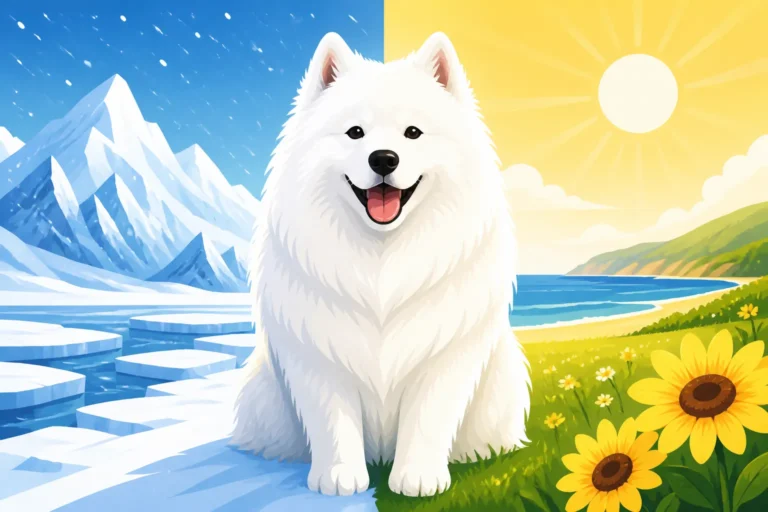
It's absolutely true that Samoyeds hail from some of the coldest regions on Earth. Their ancestors were companions to the nomadic Nenets people in the harsh Arctic tundras of Siberia. These dogs weren't just pets; they were integral to survival, used for herding reindeer, pulling sleds, and even keeping their human families warm at night. Understanding this deep history is key to appreciating their cold-weather capabilities, but also to recognizing the vast difference between an ancient survival instinct and a modern domesticated existence.
Their Role with Indigenous People
For thousands of years, the ancestors of our modern Samoyeds lived alongside the Nenets people on the Yamal Peninsula. You can imagine the biting winds and relentless snow of a Siberian winter, and these dogs were perfectly adapted for it. The Nenets of the Yamal Peninsula Bred the Samoyed not just for work, but as crucial members of their community, often sharing their tents at night. This isn't because the dogs couldn't handle the cold, but because their warmth was a mutual benefit. The Samoyed Slept in the Tent to Keep People Alive, especially the children and the elderly, providing a living, breathing hot water bottle against the extreme chill. They provided warmth, and in turn, received shelter and sustenance. It was a symbiotic relationship forged in the crucible of extreme cold.
This close cohabitation fostered a deep bond and a temperament that is famously friendly and devoted to humans. While they could certainly survive outdoors, their primary role wasn't one of solitary guard dog or independent wilderness dweller. They were part of a pack, both canine and human, and their safety and warmth were often intertwined. When we consider if a modern Samoyed can sleep outside, we must remember that their ancestral outdoor "sleeping" wasn't simply being left alone in a backyard. It was often near a roaring fire, huddled with other dogs, or in a carefully constructed, temporary shelter that offered significantly more protection than an open doghouse might.
How Cold It Gets Where the Samoyed Came From
The Samoyed's evolutionary homeland is an exercise in extremes. Imagine temperatures routinely dropping to -40°F (-40°C), sometimes even lower. How Cold It Gets Where the Samoyed Came From is a climate that most of us can barely comprehend, let alone live in without modern amenities. This is why the Samoyed's physiology is so remarkable. Their bodies are incredible heat-retaining machines. From their small, heavily furred ears that resist frostbite to their dark, protective eye rims that reduce glare from the snow, every aspect of a Samoyed's build screams "Arctic survival."
This incredible genetic hardiness means that, physiologically, a healthy Samoyed can withstand temperatures that would quickly become deadly for many other breeds. They are literally built for sixty below. How a Samoyed Survives Sixty Below is a testament to natural selection, allowing them to not just endure, but thrive in places where human life without sophisticated technology would be impossible. However, surviving and thriving are two different things, especially in a modern domestic context. Just because their bodies are capable of enduring extreme cold doesn't automatically mean it's the most comfortable, safest, or humane option for them in a backyard setting without significant provisions.
Understanding the Samoyed's Phenomenal Double Coat
The Samoyed’s most iconic feature, and their primary defense against the cold, is their spectacular double coat. This isn't just fluffy hair; it's a marvel of natural engineering, designed to trap warmth and repel moisture, making it an indispensable asset in their frigid homeland. But it's also a coat that requires diligent care to maintain its insulating properties.
Structure and Function of the Coat
A Samoyed's coat is made up of two distinct layers: a harsh, straight outer guard coat and a dense, woolly undercoat. What a Samoyed's Double Coat Is Made Of is fascinating when you break it down. The outer layer consists of longer, coarser hairs that shed snow, ice, and moisture, preventing it from penetrating to the skin. Think of it like a natural, waterproof parka. These guard hairs are surprisingly resistant to dirt as well, helping the Samoyed stay cleaner than you might expect for a white dog.
Beneath this protective outer shell lies the true powerhouse of warmth: the incredibly thick, soft, and short undercoat. This dense wool traps air close to the dog's body, creating an insulating layer that prevents heat loss. This isn't just insulation against the cold; this double layer works both ways, helping to keep them cool in moderate heat by preventing external heat from reaching their skin. It’s a remarkable system, but it only works optimally when the coat is clean, free of mats, and well-maintained. A matted coat loses its ability to trap air efficiently, making it far less effective as insulation.
The Insulating Power of the Undercoat
The sheer volume and density of the Samoyed’s undercoat are what grant them their incredible cold tolerance. This fluffy layer acts like a down jacket, a natural barrier that keeps their internal body temperature stable even when the external environment is frigid. When they curl up to sleep, their thick, plush tail, which also has a dense undercoat, often comes over their nose, providing extra warmth for their respiratory system. This ability to self-regulate their temperature through their coat is why they can withstand such low temperatures.
However, this insulating power also comes with responsibilities for us as owners. This coat needs regular grooming, especially thorough brushing, to prevent matting and ensure air circulation. How Often a Samoyed Needs Brushing is a common question, and it's particularly vital during the colder months if you're even considering outdoor time. If the undercoat becomes compacted or matted, it can't trap air effectively, leading to cold spots and reducing their natural protection. So, while their coat is their superhero cape against winter, it’s a cape that needs to be kept in pristine condition to perform its magic.
Factors to Consider for Outdoor Winter Sleeping
Before you even think about letting your Samoyed sleep outside in winter, there are a multitude of factors that absolutely must be taken into account. It's not just about the dog's breed; it's about the individual dog, the specific climate, and the available resources. This isn't a decision to be made lightly or based solely on anecdotal evidence.
Individual Dog's Health and Age
First and foremost, the health and age of your individual Samoyed are paramount. A young, healthy, well-conditioned adult Samoyed will tolerate cold far better than a puppy, a senior dog, or one with underlying health issues. Puppies have less developed thermoregulation systems and a less dense coat, making them much more vulnerable to cold stress. Senior Samoyeds, on the other hand, often suffer from conditions like arthritis, which can be exacerbated by cold and dampness, making lying on frozen ground incredibly painful. Signs a Samoyed Is Getting Old include reduced mobility and a slower metabolism, both of which decrease their ability to generate and retain body heat.
Dogs with medical conditions, such as diabetes, thyroid issues, or heart problems, also have a compromised ability to regulate their body temperature. Even a dog that seems perfectly healthy could be hiding an illness. How a Samoyed Hides Illness Behind a Smile is a real phenomenon; their stoic nature can mask discomfort until a condition is quite advanced. A veterinarian check-up is absolutely essential before making any decision about extended outdoor exposure in winter. Furthermore, their body condition matters. A dog that is too thin has less fat insulation, while an obese dog may struggle with mobility and overall health, making them less robust in extreme conditions. Whether a Working Samoyed Is Leaner Than a Show One is a distinction that highlights how body condition can impact physical endurance and cold tolerance.
Local Climate and Weather Extremes
Your geographical location plays a massive role. "Winter" in Florida is vastly different from "winter" in Minnesota. Even within a cold region, daily and nightly fluctuations can be significant. It's not just about the temperature reading; wind chill, precipitation (snow, sleet, freezing rain), and humidity all contribute to how cold it feels and how quickly heat is lost. A -10°F (-23°C) day with no wind and dry snow is more manageable than a 20°F (-7°C) day with driving sleet and a 30 mph wind. The wind chill factor can make even moderately cold temperatures feel dangerously frigid.
You must be prepared for sudden changes in weather. A clear, cold night can quickly turn into a blizzard. Relying on a forecast that might shift is dangerous. You need to have contingencies in place for unexpected drops in temperature or severe storms. If your region experiences frequent ice storms, heavy, wet snow, or prolonged periods of extreme cold, leaving a Samoyed outside overnight, even with a shelter, becomes exponentially riskier. Their coat is fantastic at shedding dry snow, but prolonged exposure to wetness can compromise its insulating properties, leading to dangerous hypothermia.
Proper Acclimation to Cold
You can't just take a Samoyed that has spent its life indoors and suddenly expect it to sleep outside in freezing temperatures. Acclimation is crucial. This means gradually exposing them to colder outdoor temperatures over weeks or even months, allowing their body to adjust and grow a thicker winter coat. This process happens naturally for dogs that spend a lot of time outdoors year-round, but it's not something you can rush.
During acclimation, their metabolism also adjusts, and they may need increased caloric intake to help generate body heat. How Much Food a Samoyed Eats Monthly might need to be adjusted upwards to fuel their internal furnace, especially if they are expending more energy staying warm. Consulting with your veterinarian on appropriate dietary adjustments is wise. Without proper, gradual acclimation, a dog unaccustomed to prolonged cold exposure can quickly succumb to hypothermia, even if they are a Samoyed. It's about slowly building their tolerance, not throwing them into the deep end.
Providing a Safe and Warm Outdoor Shelter
If, after careful consideration of all the above factors, you still believe outdoor sleeping might be an option for your Samoyed, the shelter you provide is absolutely non-negotiable. This isn't just any doghouse; it needs to be a fortress against the elements, specifically designed for winter warmth and safety.
Essential Features of a Winter Dog House
A true winter-appropriate dog house for a Samoyed must be more than just a wooden box. It needs to be well-insulated on all sides – floor, walls, and roof. Think of it like a miniature, incredibly sturdy igloo. Double-wall construction with insulation material (like rigid foam insulation) between the layers is ideal. The entrance should be small, off-center, or have a baffled design to prevent wind and snow from blowing directly inside. A heavy-duty, flexible flap over the doorway is also essential to keep warmth in and drafts out.
The size of the dog house is critical: it should be just large enough for the Samoyed to stand up, turn around, and lie down comfortably. A house that's too large will be impossible for the dog's body heat to warm effectively. The floor should be elevated off the cold ground by several inches to prevent heat loss and moisture accumulation. Placing it in a spot protected from prevailing winds is also crucial. Many fantastic options are available online, whether you're looking on Chewy for prefabricated insulated houses or browsing Amazon for materials to build your own custom cold-weather abode. The Outdoor Shelter a Samoyed Needs is truly a topic that deserves a deep dive, as the quality of this shelter directly impacts their safety.
Bedding and Insulation Needs
Inside the meticulously crafted dog house, bedding is vital. It must be thick, dry, and insulating. Straw is often recommended for outdoor shelters because it doesn't absorb moisture easily and allows dogs to burrow into it, creating a warm nest. Old blankets and towels, while seemingly cozy, can actually become a liability in extreme cold if they get wet, as they lose their insulating properties and can freeze. If using blankets, they must be changed daily to ensure they remain dry.
Some owners also incorporate heated dog beds or warming pads into their outdoor shelters. These can be incredibly beneficial but come with their own set of considerations, including ensuring they are rated for outdoor use, have chew-resistant cords, and are plugged into a GFCI (Ground Fault Circuit Interrupter) protected outlet to prevent electrical hazards. Regular checks of the bedding and the heating elements are crucial to ensure they are functioning safely and effectively. Remember, even with the best insulation, the ultimate goal is to provide a dry, draft-free space where your Samoyed can maintain their core body temperature without expending excessive energy.
The Risks of Unsupervised Outdoor Sleeping
Despite their Arctic heritage and magnificent coats, leaving a Samoyed to sleep outside unsupervised in winter carries significant risks that extend beyond just comfort. These are serious concerns that could have dire consequences for your beloved companion.
Hypothermia and Frostbite
The most immediate danger is hypothermia, a condition where the dog's body temperature drops below normal. While Samoyeds have incredible cold tolerance, prolonged exposure to extreme cold, especially coupled with wetness, wind, or an inadequate shelter, can overwhelm their natural defenses. Signs of hypothermia can be subtle at first: shivering, lethargy, weakness, and cold to the touch extremities. As it progresses, muscle stiffness, shallow breathing, and even unresponsiveness can occur.
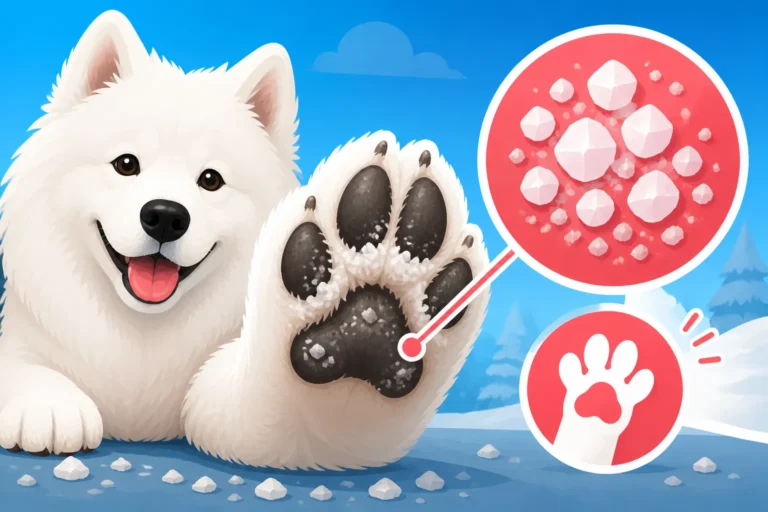
Frostbite is another severe risk, particularly for vulnerable areas like ears, tail tip, and paw pads. Even heavily furred ears can be susceptible if exposed to biting winds for too long. Imagine the pain and damage caused by ice crystals forming in their tissues. It’s a devastating injury that can lead to tissue death and necessitate amputation. Even if a Samoyed can survive the temperatures, the potential for pain and lasting injury from frostbite is very real.
Predators and Environmental Hazards
Beyond the cold itself, outdoor sleeping exposes your Samoyed to a host of other dangers that are simply not a concern indoors. Depending on your location, coyotes, foxes, bobcats, or even aggressive stray dogs can pose a serious threat, especially to a dog that is contained and unable to defend itself effectively. Your Samoyed, with its friendly disposition, might not perceive other animals as a threat until it's too late.
Environmental hazards also abound. There's a risk of ingesting antifreeze, rock salt, or other toxic chemicals commonly used in winter. Snowdrifts can form, trapping a dog in or around its shelter. Falling ice or tree branches are also potential dangers. In a rural setting, a well-meaning but misguided neighbor might release your dog from its shelter, thinking it's cruel to keep it outside, leading to it becoming lost in severe weather. The unpredictable nature of the outdoors, combined with the inherent risks, means that leaving your Samoyed alone outside overnight requires a level of vigilance that is difficult to maintain consistently.
Social and Behavioral Considerations
Samoyeds are deeply social creatures. They thrive on human companionship and are renowned for wanting to be part of the family unit. Denying them this close interaction by leaving them outside, particularly for extended periods and overnight, can lead to behavioral issues. A Samoyed that feels isolated and lonely can become destructive, anxious, or excessively vocal – perhaps even developing the infamous "Samoyed scream" out of distress. They might chew, dig, or try to escape to rejoin their human family.
Their ancestral role was to be with their people, not apart from them. While their bodies are made for cold, their hearts are made for connection. Keeping a Samoyed away from its family contradicts its very nature and the thousands of years of breeding that made them such affectionate companions. This isn't just about physical survival; it's about emotional well-being. A miserable Samoyed, even if physically tolerating the cold, is not a happy Samoyed.
Monitoring Your Samoyed in Winter Conditions
If you do choose to allow your Samoyed extended outdoor time in winter – and again, we strongly recommend this only for specific, well-managed scenarios, often with dedicated working dogs, and not typically for the average family pet – continuous monitoring is non-negotiable. You can't just put them out there and assume they're fine.
Signs of Cold Stress
Even with an incredible coat and shelter, a Samoyed can still experience cold stress. It’s vital to know the signs:
- Shivering: This is an obvious sign, though a Samoyed might shiver internally before it's visible.
- Lethargy or Weakness: If your dog seems unusually slow, tired, or unwilling to move, it's a red flag.
- Curling Up Tightly: While natural for warmth, excessive curling, tucking paws, or persistently trying to get into a tighter ball can indicate they're trying desperately to conserve heat.
- Whining or Barking: Uncharacteristic vocalizations could signal discomfort.
- Cold to the Touch: While their fur is thick, feeling their paws, ear tips, or the base of their tail can give you an indication of their core temperature.
- Changes in Gait: Stiffness or limping, especially in older dogs, could mean joint pain exacerbated by cold, as described in What an Arthritic Samoyed Should Sleep On.
If you observe any of these signs, your Samoyed needs to be brought inside immediately and warmed up slowly. Don't rely on their "smile" to tell you they're okay.
Daily Checks and Care Routines
For any Samoyed spending significant time outdoors in winter, a rigorous daily routine is absolutely necessary. This includes:
- Multiple Daily Checks: Don't just check once a day. Go out several times, especially before bed and first thing in the morning, to ensure their shelter is intact, dry, and they are responsive and seemingly comfortable.
- Water Access: Fresh, unfrozen water must always be available. Heated water bowls, available on platforms like Amazon or Chewy, are essential for outdoor dogs to prevent dehydration, which can compound cold stress.
- Food: Ensure they are getting enough calories. As mentioned, How Much Food a Samoyed Eats Monthly might need to increase to support their metabolism in colder weather. Consider nutrient-dense foods, or discuss specialized diets with your vet, perhaps even exploring options like Ollie for high-quality, easily digestible meals.
- Coat Care: Keep their magnificent coat clean and free of mats. Regular brushing, even daily during intense shedding periods, ensures its insulating properties remain intact.
- Paw Pad Checks: Inspect paw pads daily for cracks, ice balls, or signs of frostbite. Applying a protective balm before outdoor excursions can help.
Ultimately, while a Samoyed's biology makes them incredibly resilient to cold, responsible ownership in a domestic setting typically means bringing them indoors when temperatures drop to dangerous levels. Their place is with their family, warm, safe, and loved, regardless of their impressive coat.
Conclusion: Weighing the Benefits and Risks
When we ask whether a Samoyed can sleep outside in winter, the answer, like with many things involving our furry family members, is nuanced. Can a healthy, acclimated Samoyed survive certain winter conditions outdoors with an appropriate, insulated shelter? Yes, their genetics clearly indicate a capacity for this. However, should they? For the vast majority of family Samoyeds, the answer is a resounding no.
The modern Samoyed is not merely a working animal; it is a beloved companion, bred for centuries to be close to humans. The risks of hypothermia, frostbite, predation, and the emotional toll of isolation far outweigh any perceived "benefit" of outdoor sleeping for a pet Samoyed. While their double coat is a marvel, it's not foolproof, and real-world conditions in many backyards fall far short of their ancestral survival environment. Providing them with a warm, secure indoor space where they can truly be part of the family is the best way to honor their heritage and ensure their well-being.
| Factor | Recommended for Outdoor Sleeping | Risks of Outdoor Sleeping (without proper measures) | Best Practice for Pet Samoyeds |
|---|---|---|---|
| Health & Age | Young, healthy, well-conditioned adult working dogs | Hypothermia, exacerbated arthritis, hidden illness progression, frostbite, dehydration | Indoor sleeping, regular vet checks |
| Coat Condition | Clean, dry, mat-free, dense undercoat | Matting reduces insulation, wetness leads to rapid heat loss | Consistent grooming, indoor drying after wet weather |
| Shelter | Fully insulated, small, elevated, wind-protected, baffled entry | Drafts, wetness, lack of warmth, exposure to elements | Warm, dry indoor space, access to cozy beds |
| Local Climate | Moderate cold, dry conditions, stable weather | Extreme cold, high wind chill, freezing rain, sudden blizzards | Indoor, with temperature regulation |
| Supervision | Constant, vigilant monitoring for distress | Hypothermia, frostbite, predator attacks, injury from environmental hazards | Indoor, with human companionship |
| Food & Water | Increased caloric intake, always unfrozen water | Dehydration, insufficient energy to maintain body heat | Consistent high-quality diet, fresh water readily available |
| Emotional Needs | Rare, typically for specifically trained working dogs | Loneliness, anxiety, destructive behaviors, vocalization | Integrated into family life indoors |
Ultimately, a Samoyed thrives when it's part of your home, sharing your life, and enjoying the comforts you provide. Let them enjoy the snow and cold during supervised playtime and walks, but bring them inside to cuddle by the fire (or the AC vent, depending on the season!).
Disclaimer
This article is for general informational purposes only and does not constitute professional advice. Laws, prices and regulations vary by location and change over time. Consult a qualified professional for guidance on your specific situation.