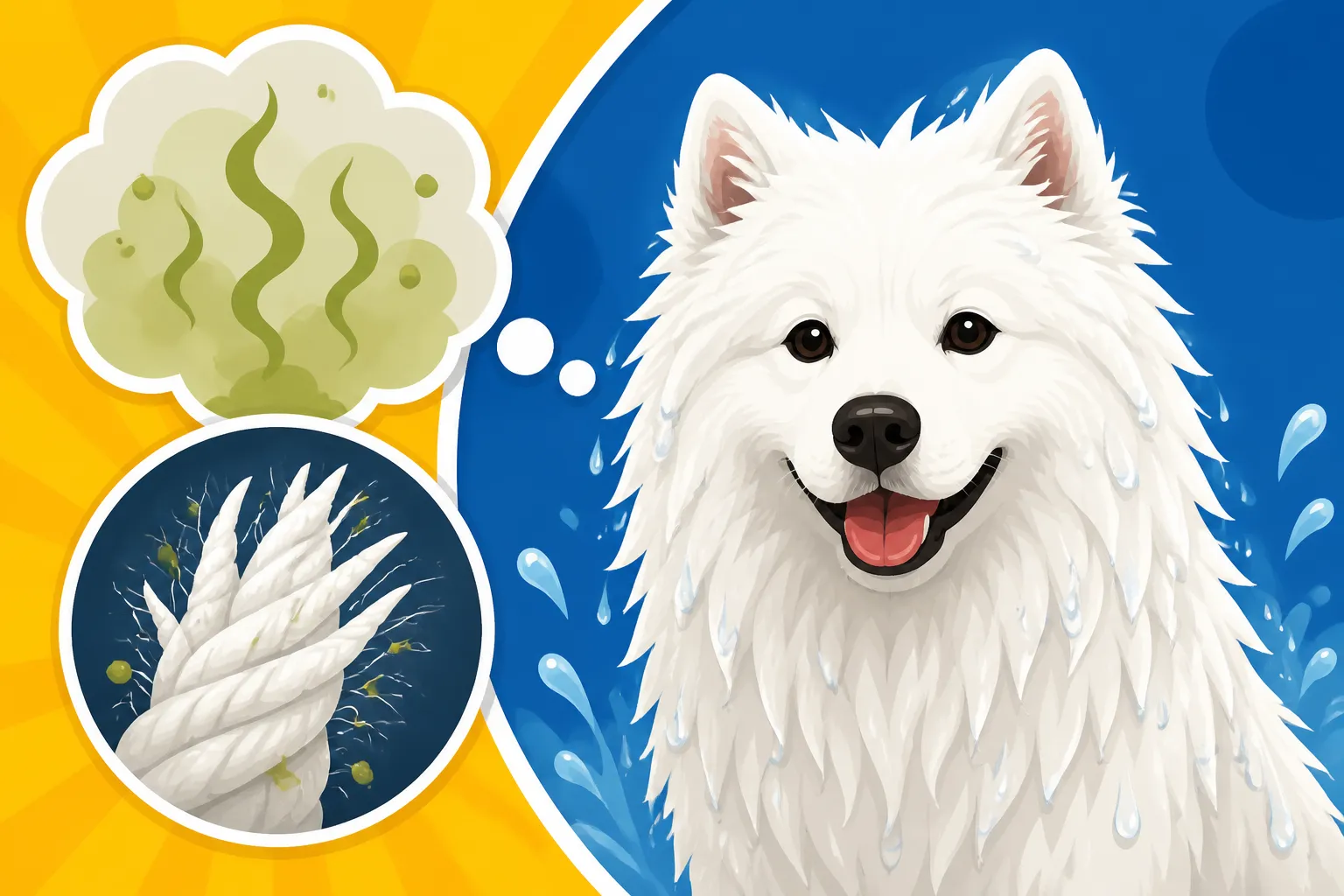
Whether Spun Samoyed Fur Smells When Wet
It's a common worry among Samoyed owners, isn't it? You spend hours brushing out that glorious cloud of fur, carefully collecting every precious strand, and dream of turning it into something warm and wonderful. But then the nagging thought creeps in: "Will this beautiful 'chiengora' yarn smell like wet dog once it's knitted into a sweater or a hat?" It's a completely valid concern, especially if you've ever had a soggy woolen jumper or a less-than-fresh dog bed. But I'm here to tell you that the unique properties of Samoyed fur, when properly handled, mean your spun treasures are far less likely to carry that tell-tale "wet dog" odor than you might imagine.
The Unique Properties of Samoyed Fur (and Why It's Not "Doggy")
Let's face it, some dogs, when wet, have a smell that can clear a room. It's often due to oils, bacteria, and yeast on their skin and coat that become more volatile when damp. But Samoyeds are different, and understanding why their fur is generally less odorous is key to appreciating why their spun fiber follows suit.
The Double Coat's Natural Design
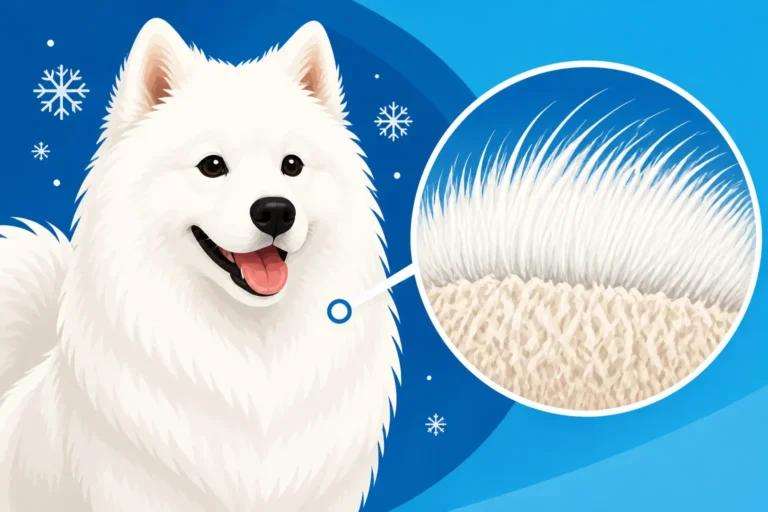
A Samoyed's coat is a marvel of natural engineering, truly built for the extreme conditions of its Siberian homeland. It's not just pretty fluff; it's a sophisticated insulation system. You'll hear us old-timers say, A Samoyed's Coat Is Insulation, Not Decoration, and it's absolutely true. They have a harsh, straight outer layer of guard hairs that are designed to shed snow, ice, and even dirt. Beneath that, there's an incredibly dense, soft, and woolly undercoat. This undercoat is what we collect for spinning. These fibers, both the guard hairs and the undercoat, are less porous than many other dog breeds' coats. This structure means they don't absorb water as readily, and critically, they don't trap moisture against the skin in a way that encourages bacterial growth that leads to odor.
Think of it like this: water and dirt tend to sit on the guard hairs or get trapped superficially in the undercoat, rather than soaking deep into each individual fiber. When a Samoyed sheds its coat, you're primarily getting that pristine undercoat, which has been protected by the outer layer. This natural design helps repel external elements, including those that might contribute to a "doggy" smell.
"Sammy Smell": Or Lack Thereof
One of the most remarkable things about living with a Samoyed is how generally clean and fresh-smelling they are, even after rolling in something questionable. Many owners proudly declare, Why a Samoyed Barely Smells at All. This isn't just anecdotal; it's linked to their coat type and relatively dry skin compared to some oilier breeds. The guard hairs and dense undercoat work together to keep the skin protected and ventilated, preventing the build-up of excess sebum and the microbial populations that thrive in moist, warm environments and produce those strong "wet dog" smells.
When your Samoyed gets soaked, you might notice a very mild, earthy scent, but it's rarely overpowering or unpleasant like the typical "wet dog" funk. This minimal natural odor translates directly to the fiber. If the dog itself doesn't carry a strong smell, then its fur, when carefully removed and processed, won't either. The fibers themselves don't have a inherent, strong animalistic scent like some types of wool can.
The Lanolin Factor
While not as lanolin-rich as sheep's wool, Samoyed fur does contain natural oils that contribute to its water-repellent and self-cleaning properties. These oils help the fur shed dirt and moisture, meaning the coat tends to stay cleaner longer. When you collect and wash the fur for spinning, a significant portion of these natural oils are retained, even after a good cleaning. This means the spun yarn and finished garments benefit from some of that inherent resistance to moisture and odors.
Consider this: when you wear a sheep's wool sweater that gets wet, you might notice that distinctive "wet sheep" smell. This is largely due to the high lanolin content in raw wool and how it interacts with moisture. While Samoyed fur also has natural oils, they are different in composition and quantity, resulting in a much milder, if any, scent when damp. This is why many people find wearing items made from Samoyed fur incredibly comfortable and generally scent-free, even in damp conditions.
Preparing Your Samoyed's Fur for Spinning: The Foundation of Odor-Free Yarn
The journey from a fluffy Samoyed to a wearable, odor-free garment is paved with good preparation. It's not just about getting the fur off the dog; it's about making sure that fiber is clean, dry, and ready for its next life.
Ethical Collection and Storage
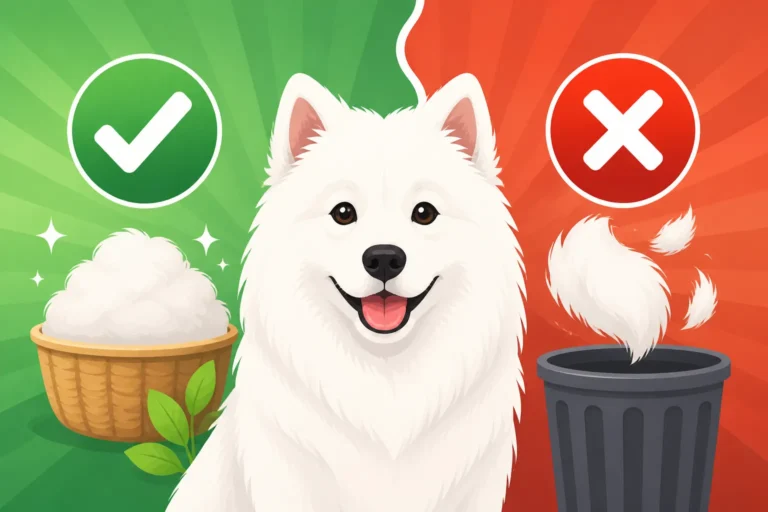
Collecting Samoyed fur is a labor of love, and it often happens during those epic "coat blow" seasons. If you've ever experienced What Twenty Pounds of Samoyed Undercoat Does to a House, you know it's a monumental task! The best fur for spinning comes from regular brushing, especially during these periods, when the undercoat sheds naturally. You want to collect fur that is as clean as possible, free from mats, dirt, debris, or any strong smells from the dog itself. Fur collected from a dog that needs a bath or has been rolling in something questionable isn't going to magically become odorless once spun.
Once collected, how you store the fur is critical. Do not pack it tightly into sealed plastic bags for long periods. This can trap moisture, lead to mildew, and create a musty smell that is incredibly difficult to remove. Instead, store your collected fur loosely in breathable bags, like pillowcases or mesh laundry bags. This allows for air circulation, preventing moisture build-up and keeping the fur fresh until you're ready to wash and process it. Labeling your bags with the date and the dog it came from can also be a fun touch for future projects!
The Washing Ritual
Before any spinning happens, the collected fur absolutely needs a good wash. This step is non-negotiable for odor prevention. While Samoyed fur is known for being self-cleaning, How a Samoyed's Coat Sheds Dirt on Its Own, the collected undercoat can still contain residual skin cells, dust, and any minor environmental odors.
The key to washing Samoyed fur without felting it is gentleness and consistency. Use a mild dog shampoo – you can find excellent options on Chewy or at your local pet supply store that are designed to clean effectively without stripping natural oils. Fill a tub or large basin with lukewarm water and add a small amount of shampoo. Gently submerge the fur, allowing it to soak without agitation. Think "swooshing" rather than scrubbing. Too much agitation will cause the fibers to felt, making them impossible to spin. Drain the soapy water and rinse thoroughly, again, using gentle pressure and fresh, lukewarm water until the water runs clear and no suds remain. This might take several rinses. The goal is clean fiber, not sudsy fiber.
Drying and Fluffing
This stage is just as important as washing, if not more so, for preventing future odors. The fur must be completely dry before storage or spinning. Any residual moisture is an invitation for mildew, which has a persistent, unpleasant smell that is very hard to eliminate from spun yarn.
After rinsing, gently press out as much water as possible without twisting or wringing. You can lay the fur out on clean towels, rolling it up to absorb more water, and repeat with fresh towels. For faster and more thorough drying, especially for large quantities, a dedicated force dryer (the kind professional groomers use, often available on Amazon) is a game-changer. These dryers use high-velocity air, not heat, to blast water out of the coat, fluffing it beautifully and ensuring it's dry to the core. If you don't have a force dryer, spreading the fur thinly on a screen or a clean sheet in a well-ventilated area, gently fluffing it periodically, will also work. Just ensure it's fully dry and airy, taking days if necessary, before moving to the next step.
The Spinning and Finishing Touch: Ensuring a Lasting Freshness
Once your Samoyed fur is beautifully clean and dry, the spinning process itself and the final finishing steps play a crucial role in the yarn's long-term freshness and wearability.
The Spinner's Role
The skill of the spinner matters. A good spinner will handle the fiber in a way that preserves its natural loft and texture. They'll card or comb the fur to align the fibers, removing any remaining debris and ensuring a smooth, even yarn. This process also helps to further air out the fibers and ensures no pockets of potential odor-causing material are trapped within the yarn itself. If you're sending your fur to a professional spinner, make sure they have experience with dog fur (often called "chiengora") and understand its unique properties. Ask them about their washing and processing methods to ensure they align with odor prevention best practices. You want to make sure the spinner is treating the fur as the precious fiber it is.
Blending Considerations
Sometimes, you might choose to blend your Samoyed fur with other fibers, like wool, silk, or alpaca, to achieve a different texture, strength, or drape. While blending can create stunning results, it's worth considering the properties of the other fiber. If you blend with a type of sheep's wool that tends to have a stronger lanolin scent when wet, that characteristic might transfer to the blended yarn.
For most Samoyed fur projects, however, people prefer to keep it pure, appreciating the incredibly soft, lightweight, and warm qualities of the pure "Sammy wool." By keeping it unblended, you capitalize fully on the Samoyed fur's inherent odor resistance. This isn't to say blending is bad, just be mindful of what you're introducing.
Post-Spinning Washing and Blocking
Even after spinning, a final wash and blocking of the yarn (or the finished garment) is essential. This "finishing" process helps to set the twist in the yarn, even out any inconsistencies, and remove any lingering oils or dust from the spinning process. Use a gentle wool wash or mild soap, cool water, and again, avoid harsh agitation. Lay the yarn or garment flat to dry, shaping it gently. This final wash is often what truly brings out the full loft and softness of the Samoyed fur and seals in that fresh, clean scent, ensuring your item is ready to wear and enjoy.
Living with Chiyang: Caring for Your Samoyed Fur Garments
You've put in all the work, from brushing Which Part of a Samoyed's Coat Spins Best to careful washing, spinning, and knitting. Now, how do you keep your cherished Samoyed fur garment fresh and lovely for years to come? The good news is that caring for chiyang is relatively straightforward, and its natural properties continue to work in your favor.
Gentle Washing and Drying
When your Samoyed fur garment needs a refresh, think "gentle." Hand washing in cool water with a mild, pH-neutral soap or wool wash is almost always the best approach. Avoid harsh detergents, hot water, and definitely no machine washing or tumble drying, as these can cause felting and shrinkage, ruining your hard work. After washing, gently squeeze out excess water – don't wring! – and roll the item in a clean towel to absorb more moisture.
Then, lay the garment flat on a clean, dry surface or a mesh drying rack. Allow plenty of air circulation, and turn the item periodically to ensure even drying. Air drying might take a day or two, but it preserves the integrity of the fibers and prevents any mustiness that could arise from incomplete drying. This is similar to how you would care for delicate woolen items, but with the added benefit of Samoyed fur's inherent resistance to absorbing strong odors.
Storage Solutions
Proper storage is crucial for maintaining the freshness and longevity of your Samoyed fur creations. The biggest enemies are moisture and pests like moths. Ensure garments are completely dry before storing them. Store them in breathable containers or bags. Cedar blocks or lavender sachets can provide a pleasant scent and act as natural deterrents to pests, a much gentler alternative to traditional mothballs.
Avoid storing Samoyed fur items in airtight plastic containers for extended periods, as this can prevent air circulation and potentially lead to mustiness, just like with the raw fur. A linen closet, a cedar chest, or garment bags made from breathable fabric are ideal. Keeping the garments clean before storage also reduces their appeal to pests, as it's often residual skin cells or food particles that attract them.
Refreshing and Longevity
One of the lovely benefits of Samoyed fur yarn is its natural resistance to holding odors. Often, if a garment simply feels a little stale from wear, a good airing out is all it needs. Hanging it outdoors on a dry, breezy day (away from direct sunlight) can work wonders to refresh the fibers without needing a full wash.
The durability of Samoyed fur is also remarkable. With proper care, these garments can last for many years, offering warmth and comfort. They are surprisingly resilient and, because they don't easily absorb external smells, they often require less frequent washing than comparable items made from other fibers. Your beautiful, handcrafted "chiengora" piece is a testament to your Samoyed's magnificent coat and a warm, lasting connection to your furry family member.
So, to directly answer the question: does spun Samoyed fur smell when wet? When properly prepared and cared for, the answer is overwhelmingly no, or at most, a very faint, pleasant, earthy scent that quickly dissipates as it dries. The key lies in the careful collection of clean fur, meticulous washing and thorough drying, and then continued gentle care for the finished yarn and garments. You can absolutely create beautiful, luxurious, and odor-free items from your Samoyed's glorious undercoat.
| Feature | Spun Samoyed Fur (Chiengora) | Spun Sheep's Wool |
|---|---|---|
| Typical Odor When Wet | Very low to no discernible "wet dog" smell; may have a faint, natural, earthy scent. | Often has a distinct "wet sheep" or lanolin smell; can be stronger. |
| Fiber Structure | Fine, dense undercoat fibers, often with some coarser guard hairs. Repels water well. | Scaly protein fibers; absorbs water readily. |
| Natural Oils (Lanolin) | Contains natural oils, but generally less lanolin than sheep's wool. | High lanolin content, especially in coarser wools. |
| Odor Absorption | Less prone to absorbing environmental odors due to fiber structure. | Can absorb environmental odors, may need more frequent airing/washing. |
| Care for Odor Prevention | Thorough washing and drying of raw fur are critical. Proper storage. | Thorough scouring of raw wool, proper washing of finished items. |
| Self-Cleaning Properties | High, thanks to the natural coat structure. | Moderate, some wools can be quite resilient. |
| Softness | Exceptionally soft and lightweight. | Varies widely by breed (e.g., Merino is soft, Icelandic is coarse). |
| Warmth | Incredibly warm, excellent thermal regulation. | Very warm, warmth varies with fiber thickness and weave. |
Disclaimer
This article is for general informational purposes only and does not constitute professional advice. Laws, prices and regulations vary by location and change over time. Consult a qualified professional for guidance on your specific situation.