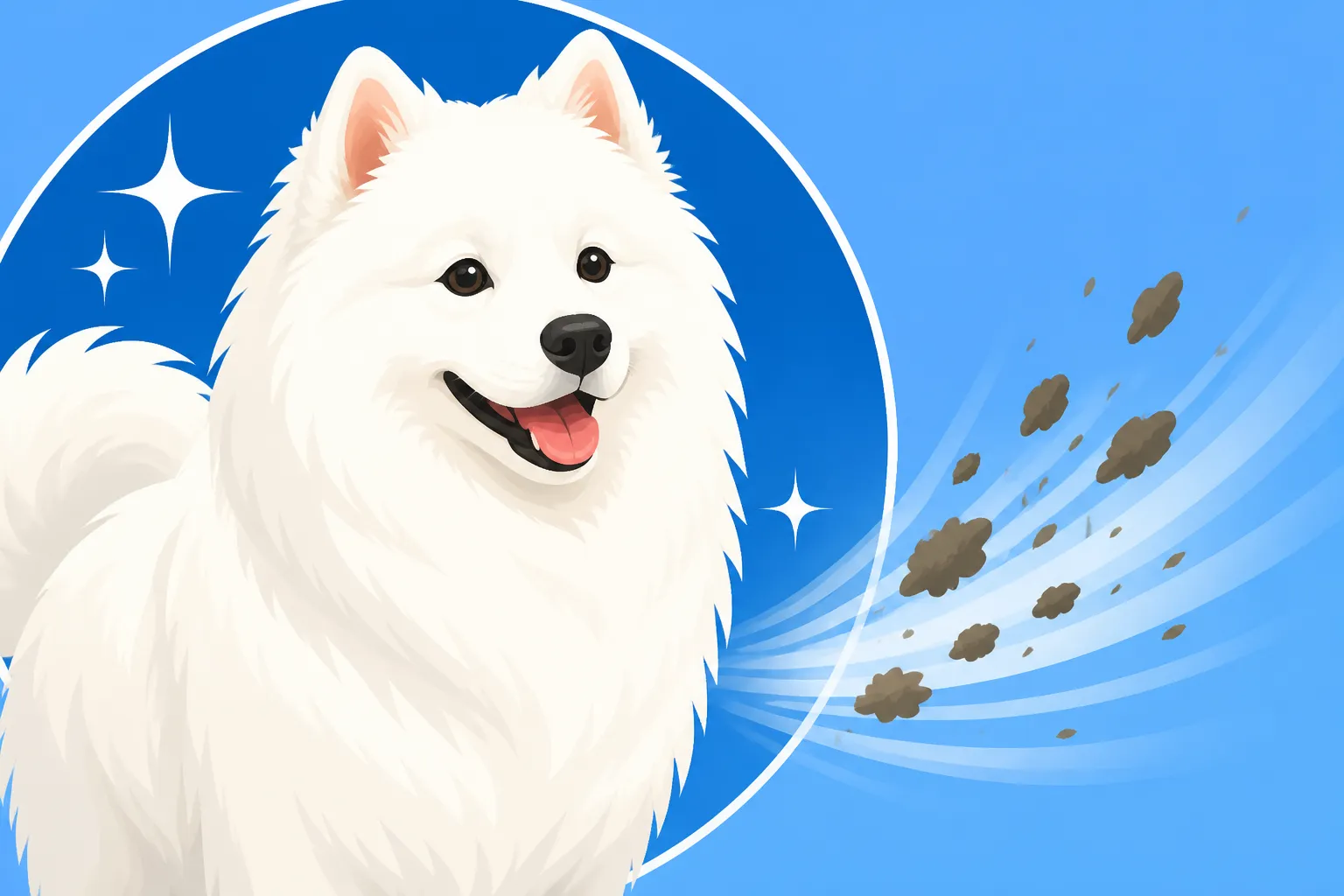
How a Samoyed’s Coat Sheds Dirt on Its Own
It's a common sight for Samoyed owners: your beautiful, pristine white cloud of a dog bounds through a muddy field, emerging a mucky, unrecognizable mess. Your heart sinks, imagining hours of scrubbing and blow-drying. But here’s a secret that many new Samoyed parents don't realize: this breed possesses an incredible, almost magical self-cleaning coat that can save you a ton of work. This guide will delve into the science and wonder behind how a Samoyed's fur sheds dirt on its own, and what you can do to support this natural process.
The Marvel of the Samoyed's Double Coat Structure
The Samoyed's coat isn't just fluffy; it's a meticulously designed survival tool, honed over centuries in the harsh Siberian wilderness. Its unique construction is precisely what allows it to shrug off dirt and debris with remarkable efficiency. Understanding this structure is key to appreciating why your Samoyed often cleans itself.
Guard Hairs: The First Line of Defense
The outermost layer of a Samoyed's coat consists of long, coarse, straight guard hairs. These aren't soft and cuddly; they're tough, resistant, and form a protective barrier. Think of them like the shingles on a roof or the outer layer of a waterproof jacket.
These guard hairs are naturally quite stiff and have a slightly slick texture. This texture, combined with their length and resilience, makes it difficult for dirt, mud, and moisture to truly adhere to them. Instead, dirt tends to sit on the surface, or on the tips of these hairs, rather than penetrating deep into the coat. When your Samoyed romps through brush or rolls in dry leaves, these guard hairs act like a shield, allowing most of the foreign material to simply slide off as the dog moves, or once the coat dries.
Undercoat: The Dirt Trapper That Releases
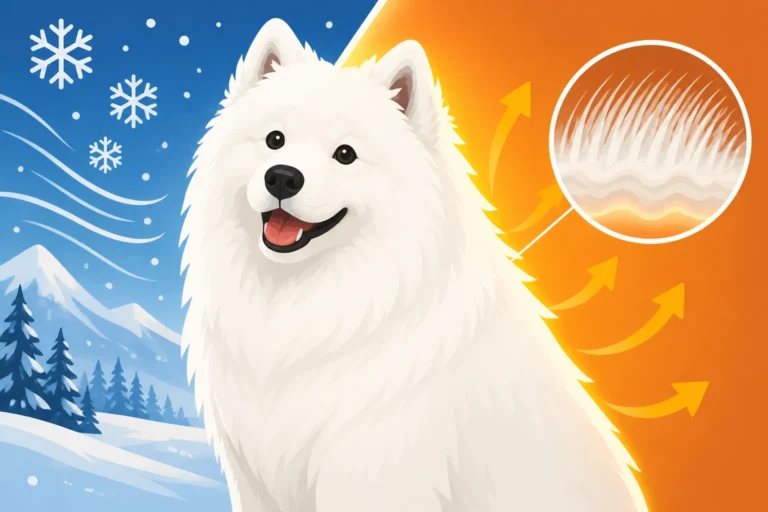
Beneath those protective guard hairs lies the dense, woolly undercoat. This is the super-insulator, keeping your Samoyed warm in freezing temperatures and, surprisingly, helping to keep them cool in warmer weather by trapping a layer of air. But it also plays a crucial role in the self-cleaning mechanism.
When dirt or moisture does manage to get past the guard hairs, it often gets caught in the plush undercoat. While this might sound counterproductive, it actually aids the cleaning process. The fine, fluffy undercoat fibers hold onto the dirt temporarily. As the coat dries, especially mud, it crystallizes and loses its grip. Then, with just a shake or a good roll, the dried dirt, along with loose undercoat hairs, can simply fall away. This also means that regular brushing, even when your Samoyed isn't actively dirty, helps to remove any trapped debris, essentially acting as a human assistant to the natural shedding process. You can find excellent undercoat rakes and slicker brushes on sites like Amazon or Chewy that really help with this.
Practical Implications for Samoyed Owners
Knowing your Samoyed's coat has a self-cleaning superpower doesn't mean you can throw out your grooming tools entirely, but it certainly changes your approach. It means less frantic bathing and more strategic care.
Less Bathing, More Brushing: The Samoyed Owner's Mantra
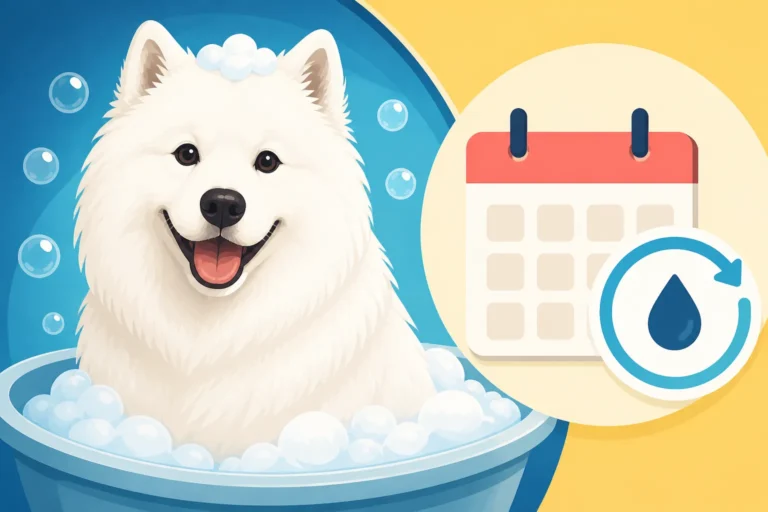
The number one takeaway for Samoyed owners is to lean into the brushing, not the bathing. Frequent bathing, especially with harsh shampoos, can strip the natural oils from your Samoyed's coat. These oils are part of what gives the guard hairs their dirt-repellent quality. Without them, the coat becomes more porous and actually attracts dirt and moisture rather than repelling it.
Instead of reaching for the tub every time your Samoyed gets muddy, wait it out. Let the mud dry completely – which can take a few hours or even overnight, depending on how caked on it is. Once dry, much of it will literally flake off as your dog walks around, shakes, or rubs against furniture. Then, a thorough brushing with a good slicker brush and undercoat rake will remove the remaining dried mud and any loose undercoat that held onto it. This approach is far less stressful for both you and your dog, and much better for their coat health in the long run. We've talked before about How Often a Samoyed Needs Brushing.
Understanding the 'Dirt-Shedding Cycle'
Think of your Samoyed's coat as having its own little ecosystem. When dirt lands, especially mud, it’s absorbed by the undercoat while the guard hairs offer resistance. As the dog dries, the mud hardens and separates from the individual hair shafts. Then, through natural movement, shaking, rolling, and even just the wind blowing through their fur, these dried dirt particles are dislodged and fall away.
This cycle is most effective when the coat is well-maintained. A matted coat, for example, can't shed dirt effectively because the mats create dense clumps where dirt can get truly trapped and remain. Therefore, preventing mats through regular line brushing is paramount to allowing the self-cleaning mechanism to do its job. A truly healthy coat will also have those natural oils intact, which enhances the dirt-shedding properties. This helps to keep the coat relatively clean even between proper grooming sessions, minimizing the need for full baths.
When Your Samoyed Blows Its Coat: The Ultimate Cleanse
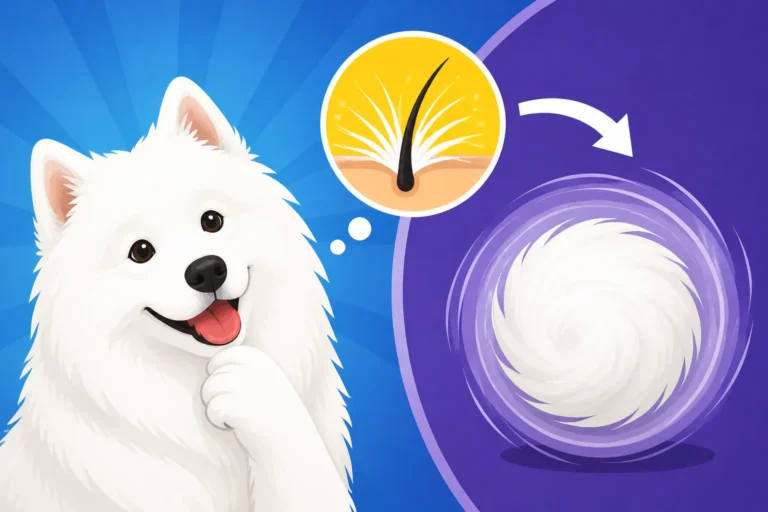
The most dramatic demonstration of the Samoyed's self-cleaning ability happens during a "coat blow." This is when your Samoyed sheds its entire undercoat, typically twice a year in spring and fall, but sometimes more or less frequently depending on climate and hormones. During a coat blow, the old, dead undercoat literally detaches from the skin.
As this massive amount of old fur comes out, it takes with it any embedded dirt, dust, and microscopic debris that has accumulated over months. It's like a complete reset for their insulation system and a thorough natural cleanse. While it means an incredible amount of brushing for you, and your house may look like a snowstorm hit it, it's an essential part of maintaining a healthy, functional, and surprisingly clean coat. The sheer volume of fur that comes out during this period is astonishing, and it’s a powerful reminder of how much material, including dirt, the coat can hold and then release. Remember to dry your Samoyed to the skin after a bath to prevent issues, especially during a coat blow, as moisture trapped in that dense fur can lead to skin problems.
Dealing with Different Types of Grime
Not all dirt is created equal, and while the Samoyed's coat is phenomenal, some types of grime require a little more attention than others. Understanding these nuances helps you decide when to let nature take its course and when to step in.
Mud: The Samoyed's Arch Nemesis and How It Vanishes
Mud is perhaps the most frequent nemesis of a white Samoyed, sending shivers down the spine of many owners. You envision the horror of trying to wash away every bit of sticky, earthy goo. But as we've discussed, mud is often the easiest to deal with.
Here’s the scenario: your Samoyed charges through a boggy path, comes back looking like a muddy yeti, and then flops onto your clean carpet. Instead of grabbing the hose, grab a towel and gently blot any excess wet mud from their paws and lower legs. Then, and this is the crucial part, let them dry completely. It might mean crating them for a few hours with some absorbent bedding, or simply keeping them in an easy-to-clean area. Once the mud is bone dry, it usually crumbles right off. A brisk walk in a grassy area, a good shake, or a session with a high-velocity dryer (even a regular powerful human hairdryer on a cool setting, held at a safe distance) will literally blow the dried mud out of the coat. What's left can be brushed away with minimal effort. This process is truly astounding to witness firsthand, and you'll quickly become a believer in the How a Samoyed's Coat Sheds Dirt on Its Own magic.
Dust and Debris: A Walk in the Park
For everyday dust, dry leaves, grass, and minor debris picked up on walks or during playtime, the Samoyed's coat handles it beautifully. These lighter particles don't have the adhesive qualities of wet mud or sticky substances.
The stiff guard hairs and the dog's natural movements cause most of these elements to fall away effortlessly. Imagine your Samoyed rolling in a pile of autumn leaves; they might come up looking like a walking compost heap, but a few vigorous shakes later, and they'll likely be mostly clear. The key here is the lack of moisture. Dry particles simply don't have the means to cling tightly to the slick outer coat. Regular brushing will pick up anything that gets deeper into the undercoat, but for surface dust, the coat is its own best cleaner. This low-maintenance aspect for general outdoor adventures is one of the joys of owning a Samoyed, despite their impressive fluff.
Dealing with Sticky Situations and Stains
While the Samoyed's coat is a marvel, it's not entirely invincible. Certain sticky substances or dyes can pose a challenge. Think tree sap, chewing gum, paint, or bright berry stains. These don't just magically fall off.
For sticky messes like sap or gum, the best approach is often to apply a bit of vegetable oil (like olive or coconut oil) or even a small dab of peanut butter to the affected area. Work it in gently to help dissolve the sticky substance, then carefully comb it out. Afterward, you’ll need to spot clean the oily residue with a mild dog shampoo and thoroughly rinse and dry that specific area. For stains, especially from things like grass or certain foods, sometimes a quick spot clean with a whitening shampoo designed for dogs can help, but avoid overdoing it, as we’ve discussed Whether a Whitening Shampoo Damages a Samoyed's Coat. Always opt for products specifically formulated for dogs. For these trickier stains, a thorough understanding of Removing Stains From a Samoyed's Coat can be very helpful.
When Intervention Is Truly Needed
Despite their amazing self-cleaning abilities, there are times when your Samoyed absolutely needs a human-assisted cleaning. Ignoring these instances can lead to skin issues, matting, or an unhappy, smelly dog.
Persistent Stains and Why They Stick
Some stains are just stubborn. If your Samoyed decides to roll in something truly offensive, like animal waste or heavily dyed substances, the self-cleaning mechanism might not be enough. The natural oils in the coat can sometimes bind with certain pigments or materials, making them harder to dislodge.
For instance, if your Samoyed gets into something like red clay, which is much finer and can bind more aggressively, or a berry patch that leaves deep purple stains, you might need more than just drying and brushing. In these cases, a targeted spot bath is usually the answer. Focus only on the soiled area, using a gentle dog-specific shampoo. Rinse thoroughly until no suds remain, and then dry the area completely. Always check the labels when considering specific stain removal products, and when in doubt, consult a professional groomer or your vet. It's often better to live with a slight stain for a few days than to damage the coat or skin with inappropriate products.
Odor: The One Thing That Doesn't Just Fall Off
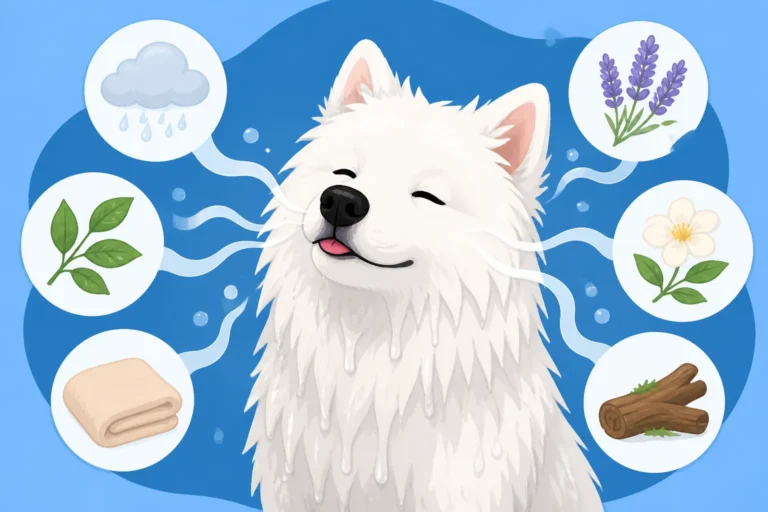
Perhaps the most common reason for an actual bath, even with a self-cleaning coat, is odor. While Samoyeds are generally known for being quite odorless, especially compared to some other breeds, they can still pick up unpleasant smells. Rolling in something stinky (a common dog pastime!), or simply getting that distinctive "wet dog" smell after a long rain, will cling to their fur.
The self-cleaning coat is fantastic for shedding physical dirt, but it doesn't have a mechanism for eliminating odors caused by bacteria or strong external sources. If your Samoyed has a persistent bad smell, it's definitely time for a bath. Ensure you use a shampoo designed for dogs, lather well, and rinse, rinse, rinse! Any shampoo residue left in that dense undercoat can cause skin irritation or lead to more odor. Many owners are surprised by What a Wet Samoyed Smells Like after a thorough drenching, but it's a temporary effect that goes away once fully dry and clean.
Professional Help for the Truly Filthy or Matted
Sometimes, the mess is simply beyond what you can reasonably handle at home. If your Samoyed has managed to get into something truly catastrophic – like tar, motor oil, or has developed extensive matting due to neglect – seeking professional help is the wisest course of action.
Professional groomers have the right tools, products, and expertise to tackle severe matting or ingrained grime without harming your dog's skin or coat. They also have high-velocity dryers that are essential for thoroughly drying a Samoyed's double coat, preventing hot spots and skin infections. Attempting to de-matt a severely matted Samoyed at home can be painful for the dog and frustrating for you, often leading to patchy results or skin irritation. A good groomer can also provide advice on ongoing maintenance, ensuring that your Samoyed's remarkable coat stays healthy and continues its impressive self-cleaning work.
| Type of Grime | Samoyed Coat Response | Owner Action Recommended |
|---|---|---|
| Wet Mud | Dries, crumbles, falls off | Blot excess, let dry completely, then brush/blow out. |
| Dry Dust/Leaves | Falls off easily with movement | Minimal; occasional brush for deeper particles. |
| Grass Stains | May fade with sun/time | Spot clean if bothersome; usually not critical. |
| Tree Sap/Gum | Clings stubbornly | Apply oil (olive/coconut), work in, comb out, then spot wash. |
| Animal Waste | Clings, causes odor | Full bath or thorough spot bath. |
| Skunk Spray | Deeply permeates, strong odor | Specialized skunk bath treatment required. |
| Oil/Grease | Clings, can be toxic | Professional grooming or specialized degreasing wash. |
| Strong Odors | Absorbs, doesn't dissipate | Full bath with deodorizing shampoo. |
Disclaimer
This article is for general informational purposes only and does not constitute professional advice. Laws, prices and regulations vary by location and change over time. Consult a qualified professional for guidance on your specific situation.