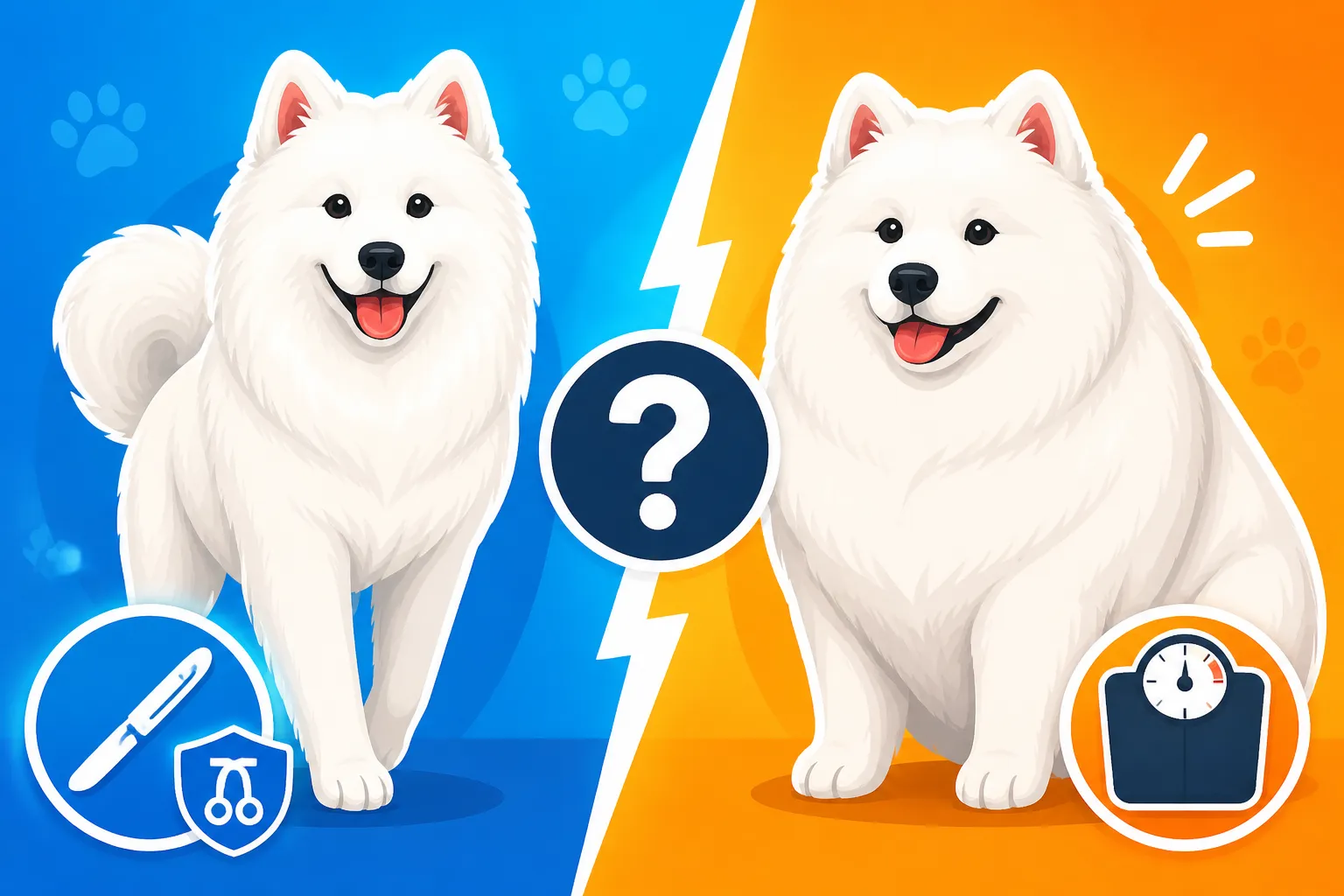
Whether a Neutered Samoyed Gains Weight
It’s a common worry for many dog parents: that dreaded weight gain after their beloved companion gets spayed or neutered. You bring your beautiful Samoyed home after the procedure, they recover, and then suddenly you notice they seem a little… rounder. This isn't just you imagining things; neutering can indeed lead to metabolic changes that predispose a Samoyed, with their already thick coat, to pack on the pounds. This guide is here to walk you through why this happens, how to spot it, and most importantly, how to keep your happy, fluffy friend at a healthy weight for a long, joyful life.
The Hormonal Shift After Neutering and Its Impact on Weight
When your Samoyed is neutered, whether male or female, a significant hormonal shift occurs. This isn't just about reproduction; these hormones play a crucial role in regulating metabolism and energy expenditure throughout their lives. It's a natural biological response, and understanding it is the first step in managing their weight effectively.
Decreased Sex Hormones and Metabolism
After neutering, the production of sex hormones like estrogen in females and testosterone in males drastically reduces. These hormones are natural regulators of metabolism, often influencing how quickly a body burns calories and converts food into energy. Think of it like a car engine that used to run at a higher RPM; after neutering, that engine might idle a bit slower, meaning it doesn't burn through fuel as efficiently as it once did.
For your Samoyed, this means their baseline metabolic rate can drop. They simply don't need as many calories to maintain their body functions as they did before the surgery. If their food intake remains the same, those excess calories have nowhere to go but into fat reserves. It’s a subtle change, often not immediately obvious, but over weeks and months, it can add up to significant weight gain. Many owners don't realize this until their vet points it out or they notice a change in their dog's shape or energy levels.
Reduced Energy Needs and Activity Levels
Beyond the metabolic rate, some neutered Samoyeds might experience a slight decrease in their overall energy and activity levels. While Samoyeds are known for being active dogs, the hormonal changes can make them just a touch less inclined to zoom around or engage in vigorous play. This isn't always a drastic change, and some Samoyeds remain as energetic as ever, but even a small reduction in daily movement can contribute to weight gain when combined with a slower metabolism.
Imagine your Samoyed used to spend an extra 15 minutes a day chasing squirrels or playing fetch with youthful abandon. If that spontaneous activity reduces, even slightly, without a corresponding decrease in food, the calorie imbalance grows. It’s not a sign that your Samoyed is becoming lazy, but rather a subtle physiological shift that needs to be acknowledged in their daily care routine. The truth is, sometimes the difference between a fit Samoyed and an overweight one is just a few hundred calories a day, and these hormonal shifts make that margin even tighter.
Potential Changes in Appetite
Interestingly, some dogs actually experience an increase in appetite after being neutered. While the body's need for calories may decrease, the signals related to satiety — feeling full and satisfied after a meal — might be altered. This can lead to your Samoyed feeling hungrier more often, or being more persistent in begging for food and treats.
This combination of a slower metabolism and a potentially increased appetite creates a perfect storm for weight gain. You might find yourself giving in to those adorable "Samoyed smiles" more often, not realizing that each extra bite is contributing to a growing problem. It's a challenge because their fluffy coats can often hide early signs of weight gain, making it harder to notice until it's become more significant. How a Samoyed's Ruff Hides Weight Gain is a real issue.
Managing Your Neutered Samoyed's Weight Through Diet and Exercise
The good news is that post-neutering weight gain is absolutely manageable, but it requires a proactive and consistent approach. It’s not about drastic measures, but rather smart adjustments to their daily routine, focusing on both what goes into their bowl and how much they move.
Adjusting Calorie Intake and Portion Sizes
The most critical step is to re-evaluate your Samoyed's caloric intake. Since their metabolic rate has likely slowed, they need fewer calories than they did before neutering. This often means reducing their portion sizes. It might feel counterintuitive, especially if they're acting hungrier, but it's essential for their long-term health.
A good starting point is to reduce their current food portion by about 10-20%. However, don't just guess; consult your veterinarian. They can provide a more accurate recommendation based on your Samoyed's individual needs, age, and activity level. You might also consider switching to a "weight management" or "light" dog food formula, which typically has fewer calories per cup while still providing all the necessary nutrients. Brands available on Chewy or Amazon offer a wide range of these specialized diets, making it easier to find one that suits your Samoyed's palate. Always check the feeding guidelines on the bag for "intact" vs. "neutered" dogs, as many reputable brands now offer specific recommendations.
It's not just about the kibble, either. Every treat, every bite of human food, adds to their daily caloric load. Think of treats as mini-meals and factor them into their overall intake. If you're using treats for training, opt for low-calorie options or even use a portion of their daily kibble ration. Whether a Samoyed's Treats Should Be Counted as Calories is an important consideration for every Samoyed owner.
The Importance of Consistent Exercise
While diet is paramount, exercise is its equally important partner in weight management. Samoyeds are active dogs by nature, and maintaining a consistent exercise routine is crucial. This isn't just about preventing weight gain; it's also about their mental well-being, as a bored Samoyed can be a destructive Samoyed.
Aim for at least 60-90 minutes of moderate to vigorous exercise daily. This could include long walks, runs, hikes, vigorous games of fetch, or even activities like swimming if your Samoyed enjoys water. If you're an outdoor enthusiast, your Samoyed can be a fantastic companion for activities like canicross or even bikejoring. Breaking it up into two or three sessions throughout the day can also be effective. For instance, a brisk morning walk, an afternoon play session, and an evening stroll.
Remember, consistency is key. A single long walk on the weekend won't compensate for a week of minimal activity. Regular, sustained movement helps burn calories, build lean muscle mass (which also boosts metabolism), and keeps their joints healthy. For an old Samoyed, exercise might need to be gentler, but still consistent. The Job a Samoyed Actually Needs goes beyond just physical exertion; it's about mental stimulation too. Interactive toys, puzzle feeders purchased from Amazon, and training sessions can also contribute to their overall energy expenditure.
Choosing the Right Food for Weight Management
Selecting the appropriate food is a big piece of the puzzle. Beyond simply reducing calories, the composition of the food can make a difference in satiety and overall health. Look for diets that are higher in fiber, as fiber can help your Samoyed feel fuller without adding a lot of extra calories. Some weight management formulas also have slightly higher protein content, which can help maintain muscle mass during calorie restriction.
Consider brands that focus on whole, natural ingredients, as these often offer better nutrient density. Fresh food options, like those offered by Ollie, can also be beneficial as they tend to be lower in processed fillers and offer precise portion control. However, always ensure any dietary change is made gradually over 7-10 days to avoid upsetting your Samoyed's digestive system.
Here's a quick comparison of what to look for:
| Feature | Pre-Neutering Diet (Typical) | Post-Neutering Diet (Weight Management) |
|---|---|---|
| Calorie Density | Moderate to High | Lower (reduced calories per cup/serving) |
| Fat Content | Moderate | Lower |
| Fiber Content | Moderate | Higher (for satiety) |
| Protein Content | Adequate for growth/maintenance | Often slightly higher (for muscle mass) |
| Feeding Portion | Based on ideal weight/activity | Reduced, or specific "neutered" guidelines |
| Treats | More leeway, but still monitored | Very low-calorie, factored into daily intake |
| Key Ingredient Focus | Energy for active growth/maintenance | Satiety, lean body mass maintenance |
Ultimately, the best food for your Samoyed is one that keeps them at a healthy weight, provides all necessary nutrients, and that they enjoy eating. Your vet is the best resource for tailoring a specific diet plan.
Recognizing and Addressing Weight Gain in Your Samoyed
One of the trickiest parts about Samoyed weight gain is their glorious, abundant double coat. It’s fantastic for insulation, but it’s also a master at hiding a few extra pounds. Learning how to properly assess your Samoyed’s body condition is essential.
Spotting Subtle Changes Under the Fluff
You can't just look at a Samoyed and tell if they're gaining weight; you have to feel for it. This is where the "hands-on" approach comes in.
- Rib Check: Run your hands along your Samoyed's sides. You should be able to easily feel their ribs, almost like feeling the knuckles on your hand, without pressing hard. If you have to press firmly to feel them, or if you feel a layer of padding over them, it's a sign of excess fat. This is probably the most reliable indicator for a fluffy dog. Feeling for Ribs Under a Samoyed's Coat is a skill every Samoyed owner should master.
- Waistline: Look down at your Samoyed from above while they are standing. You should see a distinct "waist" where their body tucks in behind their ribs. If they look more like a straight cylinder, or if their back is broad and flat without a noticeable tuck, they're likely overweight.
- Abdominal Tuck: When looking at your Samoyed from the side, their abdomen should gently tuck up from their rib cage, not sag down or appear parallel to the ground.
- Energy Levels: While subtle, a decrease in willingness to play, slower movement, or tiring out more quickly during walks can also be indicators. If your Samoyed used to bound up the stairs but now takes them slowly, it could be a sign of extra weight putting strain on their joints.
Don't wait until these signs are obvious. Make it a habit to perform a body condition check regularly, perhaps once a month, to catch any changes early.
Consulting Your Veterinarian for Guidance
As soon as you suspect your Samoyed is gaining weight, or ideally, before they start gaining weight post-neutering, schedule a chat with your vet. They are your best resource and can provide objective advice tailored to your dog.
Your vet will likely:
- Perform a thorough physical exam and accurately weigh your Samoyed.
- Assess their current body condition score (BCS) on a scale of 1-9.
- Rule out any underlying medical conditions that could be contributing to weight gain (though often, post-neutering weight gain is purely caloric imbalance). Whether a Samoyed Needs Yearly Glucose Bloodwork can be part of ruling out conditions like diabetes, though it's typically for different diagnostic reasons.
- Help you calculate the ideal daily caloric intake for your neutered Samoyed based on their age, ideal weight, and activity level.
- Recommend a specific diet food or suggest appropriate portion reductions for their current food.
- Discuss an exercise plan that's safe and effective for your Samoyed.
Don't be afraid to ask questions. They can provide specific measurements for food, suggest healthy treat alternatives, and help you set realistic goals for weight loss or maintenance.
Implementing Gradual Lifestyle Adjustments
Once you have a plan from your vet, the key is gradual and consistent implementation. Drastic changes to diet or exercise can be detrimental and unsustainable.
- Slow Food Transitions: If you're switching foods, do it slowly over 7-10 days, mixing increasing amounts of the new food with decreasing amounts of the old.
- Small Portion Reductions: Instead of cutting their food dramatically overnight, make small reductions over a week or two. This helps your Samoyed adjust and minimizes feelings of deprivation.
- Increase Activity Incrementally: If your Samoyed isn't used to much exercise, don't suddenly start running marathons. Begin with longer, brisker walks and gradually increase the duration and intensity. Maybe add an extra 5-10 minutes to each walk, or introduce a new game that encourages more movement.
- Consistency is King: Stick to the plan every single day. One day of overfeeding or skipping exercise can undermine days of effort. It's a marathon, not a sprint. Getting Weight Off a Samoyed requires patience and dedication.
Preventative Strategies for a Healthy Weight in Your Neutered Samoyed
Preventing weight gain is always easier than trying to lose it. With a Samoyed, setting up good habits from the moment they are neutered will set them up for a lifetime of health and happiness.
Regular Weight Checks and Body Condition Scoring
Make weight monitoring a routine part of your Samoyed's life, especially after neutering. Don't rely solely on visual cues, as their dense coat can be incredibly deceptive.
- Monthly Weigh-Ins: If possible, weigh your Samoyed monthly at home using a large pet scale, or pop into your vet's office for a quick weigh-in during non-appointment times. Many clinics are happy to let you use their scale for a few minutes. Log these weights in a journal or on your phone so you can track trends over time. Whether a Samoyed's Weight Should Be Logged Monthly is a proactive measure that gives you data.
- Weekly Body Condition Scoring: Supplement the monthly weigh-ins with a weekly "hands-on" body condition check, as described earlier. This teaches you what their ideal weight feels like under their fur and helps you notice subtle changes before they show up on the scale.
- Picture Progress: Take photos from above and the side every few weeks. Sometimes, a visual comparison over time can highlight changes you might otherwise miss.
Early detection is paramount. A pound or two extra is much easier to address than five or ten.
Engaging Activities Beyond Walks
While daily walks are crucial, Samoyeds thrive on mental and physical engagement. Incorporating a variety of activities will not only keep them physically fit but also mentally stimulated, reducing boredom that can sometimes lead to excessive eating or destructive behaviors.
- Interactive Play: Games like fetch, tug-of-war, or hide-and-seek with toys or treats keep them moving and engaged.
- Training Sessions: Short, frequent training sessions use mental energy and often involve movement. Working on new tricks or reinforcing old commands can be a fun way to bond and burn calories. What a Samoyed Will Work For often involves praise and play, not just treats.
- Dog Sports: Consider exploring dog sports like rally, Canine Good Citizen Test, or even agility if your Samoyed enjoys it. These structured activities provide excellent physical and mental outlets.
- Puzzle Toys and Slow Feeders: For meal times, consider using puzzle feeders or slow feeder bowls, widely available on Chewy or Amazon. These make your Samoyed "work" for their food, slowing down ingestion and making mealtime last longer, which can contribute to satiety.
- Socialization: Playdates with other well-socialized dogs can provide a fantastic burst of energy and fun. Just ensure interactions are positive and supervised.
Remember, a tired Samoyed is a happy Samoyed, and a physically active Samoyed is more likely to maintain a healthy weight.
Smart Treat Choices and Alternatives
Treats are often a significant, hidden source of calories. It’s tough to resist those pleading Samoyed eyes, but being smart about treats is vital.
- Low-Calorie Options: Opt for training treats that are very small and low in calories. Many brands offer "mini" or "lite" versions specifically for this purpose.
- Vegetable Snacks: Many Samoyeds love crunchy vegetables like carrots, green beans, or slices of apple (without seeds). These are packed with nutrients and fiber but are very low in calories. Always research which fruits and vegetables are safe for dogs.
- Measure Everything: If you use higher-calorie treats, measure them out and subtract those calories from their daily food allowance.
- Non-Food Rewards: Don't underestimate the power of praise, a favorite toy, or a quick game as a reward. Your Samoyed often values your attention and interaction as much as, if not more than, a food treat. This is especially true when considering How a Samoyed Responds to Praise.
By being mindful and proactive, you can help your neutered Samoyed avoid the common pitfall of post-surgery weight gain, ensuring they remain lean, active, and full of that classic Samoyed joy for all their The Twelve to Fourteen Years a Samoyed Lives. It’s a commitment, but one that truly pays off in their long-term health.
Disclaimer
This article is for general informational purposes only and does not constitute professional advice. Laws, prices and regulations vary by location and change over time. Consult a qualified professional for guidance on your specific situation.