Why a Samoyed Lies on Tile to Cool Down
You walk into the living room, and there it is: your fluffy, white Samoyed, stretched out on the cool kitchen tile, looking utterly blissful. It’s a sight familiar to many Samoyed owners, especially when the weather warms up. This peculiar preference isn't just a quirky habit; it's a deeply ingrained instinct, a clever survival strategy for a breed built for Arctic extremes. This guide will explore the fascinating reasons behind your Samoyed's love affair with cool surfaces and how their unique physiology makes a patch of tile feel like a slice of heaven.
The Samoyed's Unique Coat: A Masterpiece of Insulation and Thermoregulation
When you see a Samoyed, the first thing that often comes to mind is their unbelievably thick, luxurious coat. Most people assume such a coat is solely for protection against brutal cold, and they’re right – it’s fantastic for that. But what many don't realize is that this same coat is also a marvel of natural engineering when it comes to heat management. It's not just a blanket; it's a sophisticated climate control system, and understanding it is key to understanding why your Samoyed gravitates towards cool tiles.
How the Double Coat Manages Temperature
A Samoyed's coat isn't just one layer; it's a double coat, a design perfected over thousands of years living with the Nenets people in Siberia. The outer layer consists of long, coarse guard hairs. These are somewhat waterproof and act like a protective shield, keeping snow, ice, and even dirt from reaching the skin. More importantly in warmer weather, these guard hairs reflect sunlight, preventing it from penetrating too deeply. Think of it like a natural sunshade.
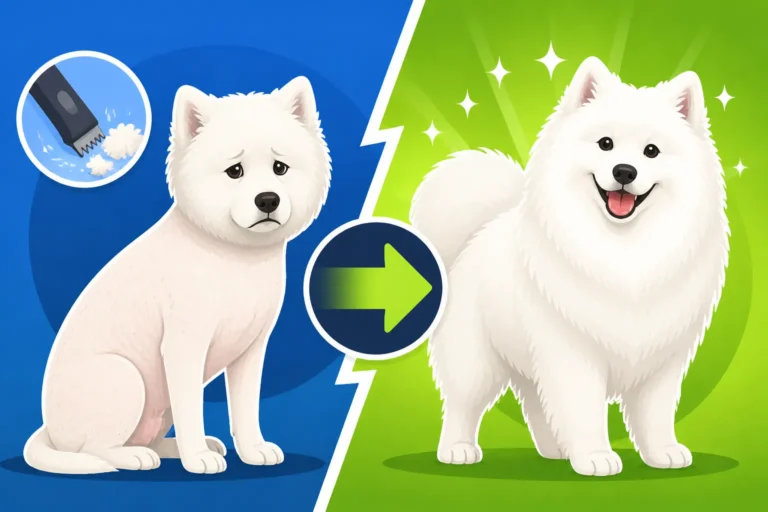
Beneath this, there's a dense, soft, woolly undercoat. This is the real insulation powerhouse. In winter, it traps a layer of warm air close to the body, keeping the dog cozy even in sub-zero temperatures. But here's the kicker: in summer, this same undercoat works to trap cooler air closer to the body, acting as a barrier against external heat. It’s counter-intuitive, but effective. This layer of trapped air slows down the transfer of heat from the outside environment to the dog's skin. This is why you should absolutely never shave your Samoyed, as it actually disrupts this natural cooling mechanism and can make them more susceptible to overheating and sunburn. For more on this, check out Why a Samoyed's Coat Insulates Against Heat as Well as Cold.
The Role of Airflow and Heat Trapping
While the coat is brilliant, it's not foolproof, especially in environments far warmer and more humid than their ancestral home. The thickness of the coat means that if air isn't circulating well, the trapped air can become too warm. This is particularly true if the undercoat isn't properly groomed and maintained, becoming matted or dense with shed hair. A healthy, brushed coat allows some air circulation within the layers, which helps the system work. But still, the dog's own body heat, combined with ambient heat, can build up. When this happens, your Samoyed needs an external way to dump some of that excess heat, and that's where a cool tile floor comes in handy. It's a direct route for heat transfer away from their body.
Instinctive Cooling Strategies: Why Tile is a Samoyed's Best Friend
Your Samoyed's ancestors didn't have air conditioning or cooling mats. They relied on their instincts and the environment to stay comfortable. These ancient behaviors are still very much alive in your modern-day fluffy companion, and seeking out cool, conductive surfaces like tile is a prime example.
Conduction: The Science Behind the Tile Love
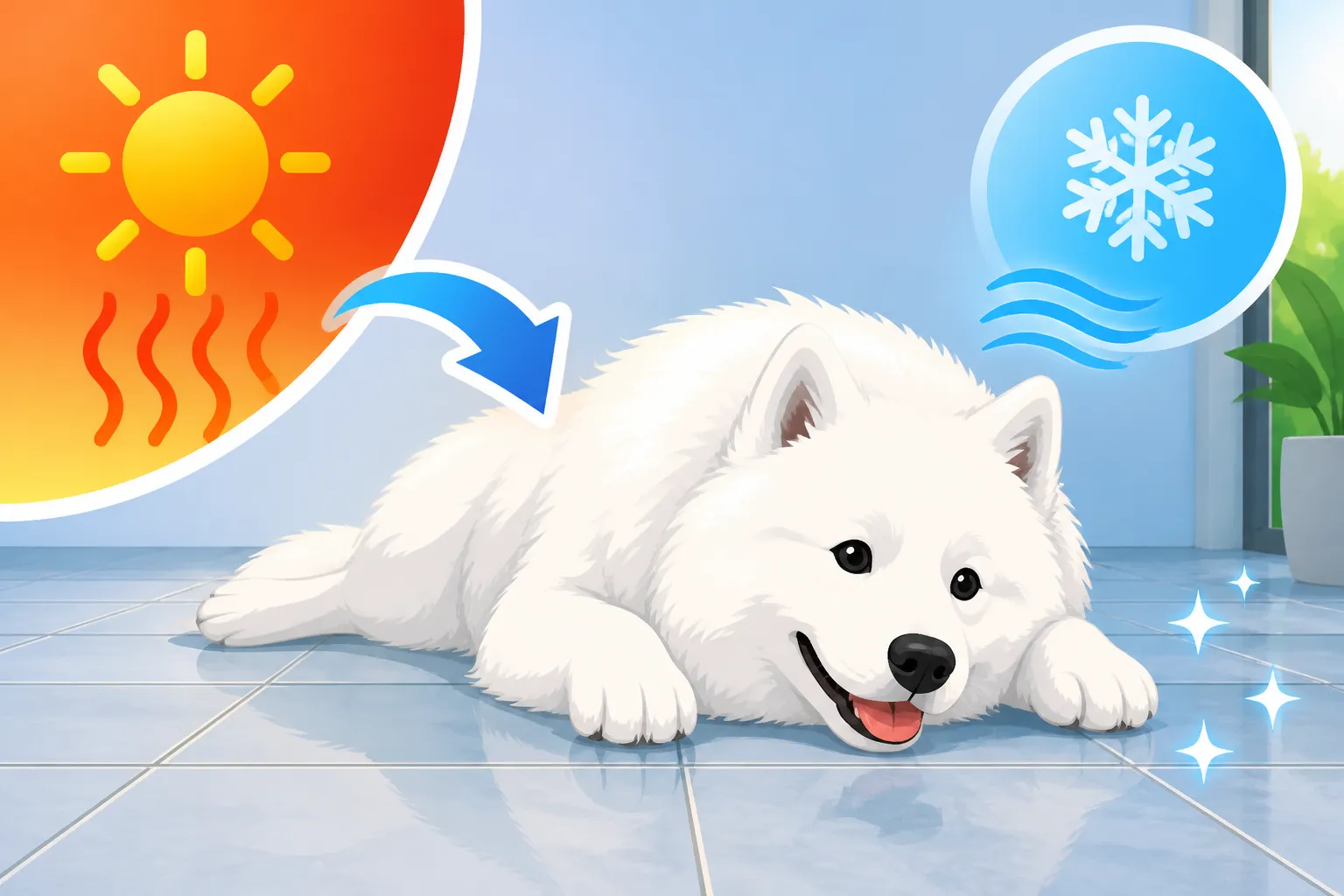
The primary reason Samoyeds, and many other dogs, gravitate towards cool tile or hardwood floors is a principle called conduction. Conduction is the transfer of heat through direct contact. When your Samoyed lies down on a cool surface, the heat from their body is literally drawn away into the cooler tile. Their belly, paws, and inner thighs have less fur and are prime areas for this heat exchange.
Imagine you're trying to cool a hot drink. You might put it in a metal container and then place that container on a cold surface. The heat from the drink moves into the cooler surface. Your Samoyed is doing essentially the same thing. They're trying to achieve thermal equilibrium by giving up their excess body heat to the tile. This isn't just a slight comfort; it can be a vital mechanism for preventing overheating, especially when the ambient air temperature is high. It's a quick and efficient way to reduce their core body temperature.
Other Natural Cooling Behaviors
Beyond tile, you'll notice your Samoyed employing several other instinctual methods to stay cool, all stemming from their heritage. They might seek out shady spots in the yard, preferring a dense bush or the cool dirt under a tree over a sun-drenched lawn. Digging is another common behavior, especially during summer months, because the soil just a few inches below the surface can be significantly cooler than the topsoil. For more on this, read The Digging a Samoyed Does Because It Is Hot. They're essentially creating their own personal, cool burrow.
You might also see them panting more heavily. Panting is a dog's primary way of cooling down, as they don't sweat efficiently through their skin like humans do. As they pant, moisture evaporates from their tongue and respiratory tract, which helps to dissipate heat. However, if panting becomes excessive, labored, or accompanied by other signs, it can indicate a more serious problem, which we’ll cover next.
The Samoyed Smile as a Cooling Aid
Even the famous "Samoyed smile" plays a tiny role in their thermoregulation. Their upturned mouth isn't just adorable; it helps prevent drooling and allows for more efficient panting. By keeping saliva in their mouth, it maximizes the evaporative cooling effect when they pant, without dripping precious moisture. It's yet another subtle adaptation from a lifetime of living in extreme conditions where every bit of energy and moisture retention counts.
Creating a Cool Haven: Helping Your Samoyed Beat the Heat
While your Samoyed's instincts are powerful, living in a modern home, especially in a warmer climate, means they often need a little extra help. Relying solely on a patch of tile might not always be enough, and sometimes, a little human intervention can make a world of difference in their comfort and safety.
Enhancing Their Access to Cool Surfaces
If your home has limited tile or hard flooring, consider dedicating an area specifically for your Samoyed's cooling needs. This might mean keeping a certain room cooler, or making sure they have unrestricted access to the coolest parts of the house during the hottest parts of the day. You could even invest in a dedicated cooling mat. Products available on sites like Chewy or Amazon come in various forms, from gel-filled mats that activate with pressure to elevated mesh beds that allow air circulation all around them. These can be placed in their favorite lounging spots, offering a portable "cool tile" experience wherever they choose to rest. Whether a Cooling Mat Helps a Samoyed is a great resource if you're considering one.
For outdoor time, ensure plenty of shade. A large tree, a pop-up canopy, or even a simple tarp can create a vital refuge from direct sunlight. A kiddie pool filled with a few inches of water can be an absolute game-changer for many Samoyeds who enjoy a good splash. It allows them to cool their paws and belly, offering significant relief. What a Kiddie Pool for a Samoyed Costs might be less than you think for the comfort it provides.
Hydration and Timing are Key
Access to fresh, cool water at all times is non-negotiable. Consider having multiple water bowls throughout the house and yard, and even adding ice cubes to their water. Some owners even offer frozen treats or ice cubes on their own as a refreshing snack. Monitoring their water intake is also crucial, as increased thirst can be a sign of issues like diabetes.
Adjusting their exercise schedule to avoid the hottest parts of the day is vital. Early morning or late evening walks are much safer than midday excursions. Always check the pavement temperature with your hand before heading out; if it's too hot for your hand, it's too hot for their paws. During extreme heat waves, it might be best to limit outdoor activity to short potty breaks and focus on indoor enrichment. For a comprehensive strategy, look at Water, Shade and the Summer Plan for a Samoyed.
The Role of Grooming in Cooling
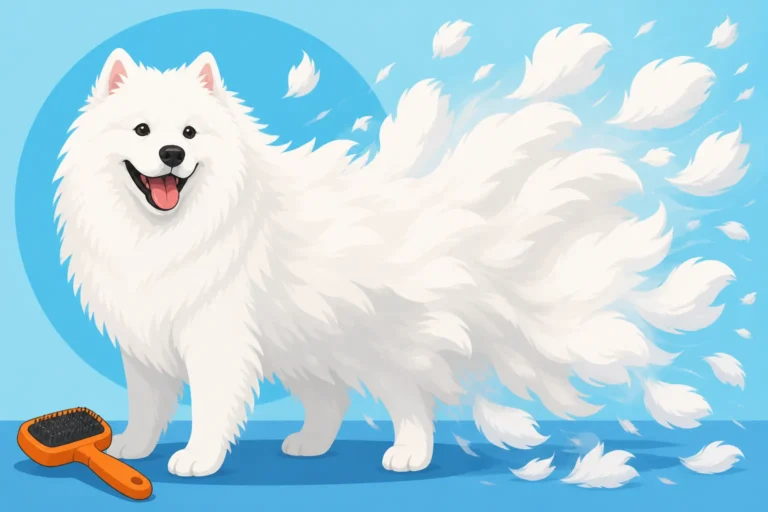
Proper grooming is paramount to helping your Samoyed regulate their temperature. Regular brushing, especially during coat-blowing seasons, removes loose undercoat that can trap excessive heat. A professional groomer can perform a "deshedding" treatment using high-velocity dryers that blast out dead undercoat, significantly improving the coat's insulating and cooling properties. Remember, don't shave your Samoyed! It strips them of their natural protection. Instead, focus on removing the dead undercoat to allow air circulation.
Here's a quick comparison of common cooling strategies:
| Cooling Method | Pros | Cons | Ideal Use Case |
|---|---|---|---|
| Tile/Hard Floors | Natural, always available (if present), effective | Not portable, can be limited in availability in homes | Everyday indoor lounging, primary heat dump |
| Cooling Mats | Portable, often self-activating, good for resting | Can be punctured, some require refrigeration, varied effectiveness | Designated cool spots, travel, post-exercise recovery |
| Kiddie Pools | Excellent for full-body cooling, fun, engaging | Requires supervision, can be messy, outdoor use mostly | Outdoor play, extreme heat relief, active cooling |
| Shade | Free, essential for outdoor comfort | Limited by sun's position, may not be enough alone | Outdoor lounging, exercise breaks |
| Air Conditioning | Most effective overall environmental control | High energy cost, not always available everywhere | Indoor living, essential for very hot climates |
| Fans | Improves air circulation, affordable | Only effective if ambient air is cooler than body temp, not direct cooling | Supplemental airflow, minor relief |
Beyond the Tile: Recognizing When Your Samoyed is Overheating
While lying on a cool tile is a normal, healthy coping mechanism, it's crucial to understand when your Samoyed's attempts to cool down are simply not enough. Overheating is a serious medical emergency for Samoyeds, given their thick coats and lower tolerance for high temperatures. Learning to recognize the signs can save their life.
Early Warning Signs
Initially, an overheating Samoyed will often show excessive panting. This isn't just the normal "I'm a little warm" pant; it's deep, rapid, and continuous. Their breathing might become labored, and you might notice their gums looking darker red than usual. They might also appear restless, unable to settle, constantly shifting to try and find a cooler spot. Increased drooling can also be an early sign, as their body attempts to produce more moisture for evaporative cooling. If you notice these signs, it's time to intervene immediately and help them cool down. For a detailed list, check out Signs a Samoyed Is Overheating.
More Severe Symptoms
As overheating progresses towards heatstroke, the symptoms become far more alarming. Your Samoyed might start to stumble or appear disoriented, indicating neurological impact. Vomiting and diarrhea are common, sometimes with blood. Their gums may turn very pale or even bluish as their circulation is affected. Their heart rate will be rapid, and their body temperature will feel extremely hot to the touch. In the most severe cases, they can collapse, have seizures, or lose consciousness. At this point, it's a critical emergency, and immediate veterinary attention is required. Every minute counts.
Immediate Actions and Prevention
If you suspect your Samoyed is overheating, the first step is to get them to a cooler environment immediately. Move them indoors to air conditioning, or to a shady spot. Offer small amounts of cool (not ice cold) water. You can begin cooling them down by wetting their paws, belly, and inner thighs with cool water, or placing cool, wet towels on these areas. Do NOT use ice-cold water or immerse them in icy baths, as this can cause their blood vessels to constrict, trapping heat and potentially inducing shock. Instead, aim for a gradual and controlled cooling. Get them to your vet as quickly as possible, even if they seem to be recovering, as internal damage from heatstroke can take time to manifest. You can find more specific steps in How a Samoyed Should Be Cooled Down.
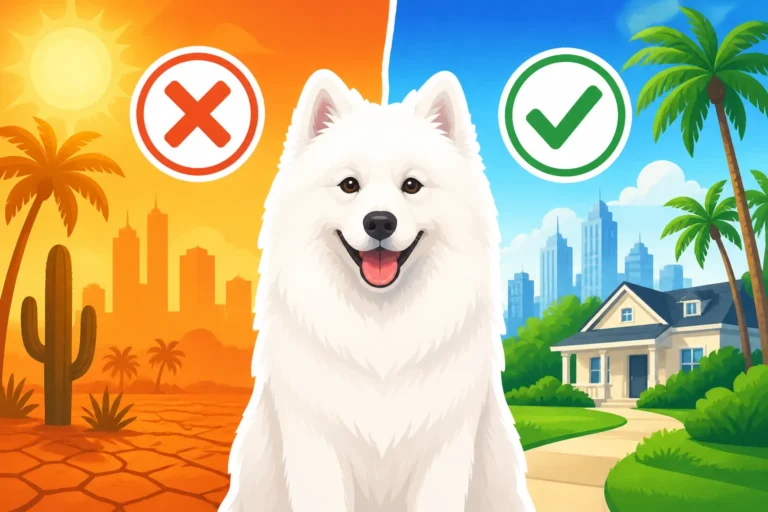
Prevention is always better than cure. This means understanding your Samoyed's limits in heat, managing their exercise, and providing ample access to water and cool resting spots. Owners in particularly warm regions, like Florida or Texas, need to be hyper-vigilant. How Long a Samoyed Can Be Outside at Ninety Degrees outlines just how dangerous even short periods can be. Being proactive about their care and listening to their subtle cues will ensure your beautiful fluffy companion stays happy and healthy, regardless of the temperature outside.
Disclaimer
This article is for general informational purposes only and does not constitute professional advice. Laws, prices and regulations vary by location and change over time. Consult a qualified professional for guidance on your specific situation.