Whether a Samoyed Should Live in Florida or Texas
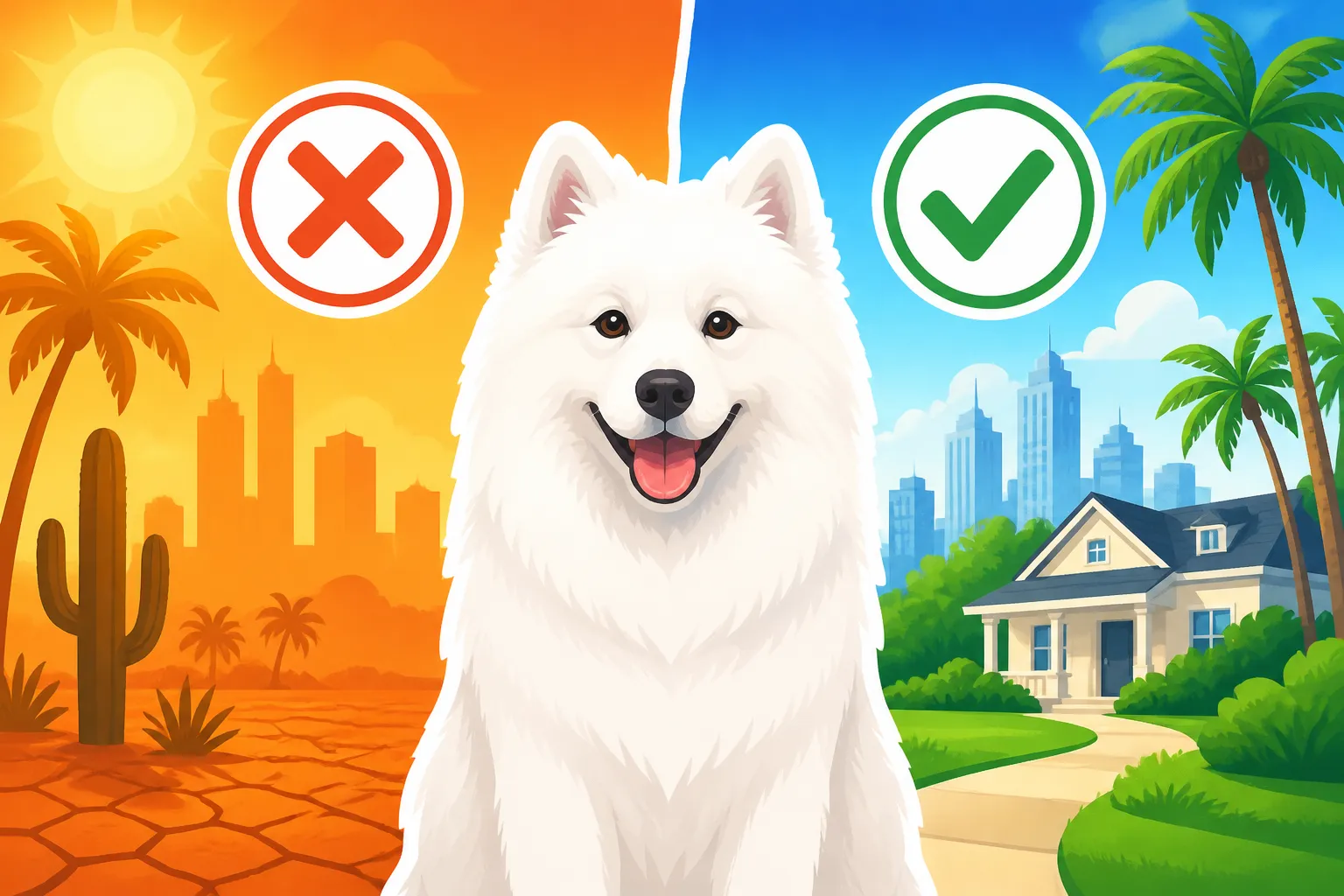
It's a common dream: picturing a fluffy, smiling Samoyed frolicking in your backyard. But what if your backyard happens to be in the scorching heat of Florida or the sweltering expanse of Texas? Many aspiring Samoyed owners in these warmer climates wrestle with the ethical and practical questions of bringing an Arctic dog into a subtropical world. This guide will dive deep into the realities of Samoyed ownership in hot environments, exploring the challenges, necessary adaptations, and whether it's truly fair to our beloved "cloud dogs" to ask them to endure such heat.
The Samoyed's Arctic Heritage and Unique Adaptations
Let's be brutally honest from the outset: the Samoyed was not designed for sunbathing on a Florida beach or enduring a humid Texas afternoon. These magnificent dogs hail from the Siberian Arctic, specifically with the Nenets people of the Yamal Peninsula. Their entire physiology is a testament to survival in some of the most unforgiving cold climates on Earth, where temperatures routinely plummet far below freezing.
Built for the Bitter Cold
Imagine living in a place where winter means sixty degrees below zero Fahrenheit. That's the environment where the Samoyed evolved. Their famous thick, luxurious double coat is nothing short of a marvel of natural engineering. The outer guard hairs are coarse and straight, repelling snow, ice, and moisture. Beneath this lies an incredibly dense, soft, woolly undercoat that acts as a phenomenal insulator, trapping a layer of warm air close to their body. This isn't just a pretty coat; it's a matter of survival. This insulation works both ways, actually. While it keeps them warm in winter, it can also trap heat in summer, making them particularly vulnerable to overheating when conditions are not ideal. We often talk about A Samoyed Built for Sixty Below in an American Summer and the sheer contrast this presents.
Physiological Responses to Cold
Beyond their coat, Samoyeds possess other adaptations for cold. They have relatively small, well-furred ears and tails that they can curl over their noses while sleeping to protect them from frostbite. Their compact body shape minimizes surface area exposure, further reducing heat loss. Their famous "Samoyed smile" isn't just charming; it's actually functional, preventing ice from forming around their mouths and drooling, which could freeze in extreme cold. They are also incredibly efficient at energy conservation in cold environments, and their metabolism is geared towards maintaining core body temperature without excessive effort. This means that in a hot climate, their bodies are working against them, constantly trying to shed heat they were never meant to accumulate.
The Reality of Heat and Humidity in Florida and Texas
Now, let's contrast that Arctic heritage with the very distinct and often oppressive climates found in places like Florida and Texas. These aren't just "warm" climates; they are often characterized by prolonged periods of intense heat combined with high humidity, which poses a unique and severe challenge for a Samoyed.
Florida's Subtropical Challenge
Florida, with its subtropical climate, is notorious for long, hot, and extremely humid summers. Even during winter months, temperatures can be mild to warm. The humidity is the real killer for Samoyeds here. Dogs cool themselves primarily by panting, which works by evaporating moisture from their respiratory tract. When the air is already saturated with moisture (high humidity), this evaporative cooling becomes far less efficient. It's like trying to dry clothes on a rainy day; nothing truly dries. For a Samoyed, this means they can pant furiously but still struggle to lower their body temperature, putting them at serious risk of heatstroke. Activities that might be perfectly fine in a drier, cooler climate become dangerous in Florida's sticky air. Daily routines, even a simple walk, need careful planning around the coolest parts of the day, which are often still quite warm.
Texas's Arid Heat and Humid Gulf Coast
Texas presents a dual challenge. Much of the state experiences arid to semi-arid climates with scorching dry heat, particularly in the western and central regions. While dry heat allows for more effective evaporative cooling through panting, the sheer intensity of the sun and the high ambient temperatures are still a grave concern. Imagine pavement temperatures reaching 140 degrees Fahrenheit or more – that's a direct burn risk for paw pads. Then, you have the Texas Gulf Coast, which shares Florida's oppressive humidity, making the cooling problem just as severe. Even inland, summer temperatures regularly hit triple digits. This means a Samoyed living in Houston will face different but equally severe challenges compared to one in El Paso, yet both are fundamentally at odds with their natural design. It often makes people wonder Whether Heat Kills More Samoyeds Than Disease in such challenging environments.
Essential Strategies for Mitigating Heat Stress
If you're committed to providing a loving home for a Samoyed in a warm climate, it's absolutely crucial to have an extensive, proactive plan to mitigate heat stress. This isn't just about comfort; it's about their survival and quality of life. Owners in these regions become experts in climate control and creative scheduling.
Maximizing Indoor Coolness and Airflow
The first line of defense for a Samoyed in a hot climate is a cool indoor environment. Air conditioning isn't a luxury; it's a necessity. You need to ensure your home remains comfortably cool, even when you're not there. This means being prepared for higher utility bills, as your AC unit will be working overtime for many months of the year. Consider a smart thermostat that allows you to monitor and adjust temperatures remotely, ensuring your Samoyed doesn't get caught in a power outage without a backup plan. Fans can help circulate air, and a cooling mat (Whether a Cooling Mat Helps a Samoyed) can provide a localized cool spot on tile or a shaded area. Elevated beds also help air flow underneath, preventing heat from radiating up from the floor. Remember, a Samoyed needs to be able to escape the heat, and a cool indoor space is paramount. Some owners even invest in standalone portable AC units for specific rooms where their Samoyed spends the most time, especially if their main AC struggles to keep up during peak summer days.
Outdoor Management and Activity Adjustments
Outdoor time for a Samoyed in Florida or Texas needs careful, often drastic, adjustment. Forget midday walks or long play sessions in the summer. All strenuous activity must be relegated to the very early morning hours or late evening after the sun has set and the pavement has cooled. Even then, monitoring for Signs a Samoyed Is Overheating is critical. Pavement can retain heat for hours after the sun goes down, so check it with your hand – if it's too hot for your bare hand, it's too hot for their paws.
Providing ample shade in your yard is non-negotiable. Large, mature trees or shade sails can make a difference. Access to fresh, cool water at all times, both indoors and out, is also vital. Some Samoyed owners provide kiddie pools with shallow water, allowing their dogs to cool their paws and bellies. You might find great options for cooling towels or vests on platforms like Amazon or Chewy, though it's important to choose ones that don't trap heat under their dense fur. Regular light brushing helps to remove loose undercoat, which can also contribute to better airflow, but never, ever shave your Samoyed, as Why Shaving a Samoyed Makes the Heat Worse. Their double coat actually provides a layer of insulation against the heat as well, protecting their skin from sunburn and regulating body temperature more effectively than a bare skin. Giving your Samoyed a designated digging spot in a shaded area of the yard can also provide them with a natural way to cool off, as The Digging a Samoyed Does Because It Is Hot.
Nutrition and Hydration in Hot Climates
Proper nutrition and hydration become even more critical in warmer climates. Always ensure your Samoyed has constant access to fresh, cool water. Some dogs appreciate ice cubes in their water or even frozen treats to help them cool down from the inside out. Monitor their water intake closely; excessive thirst can be a sign of overheating or other health issues. When it comes to food, choose a high-quality diet that provides balanced nutrition without being excessively high in calories, especially if their activity levels are reduced due to heat. Consider consulting your vet on appropriate caloric intake to prevent obesity, which exacerbates heat intolerance. Brands like Ollie offer fresh food options which some owners find appealing for their palatability, encouraging consistent eating even when appetite might wane in the heat.
Here’s a quick overview of essential heat management strategies:
| Strategy | Description | Importance | Considerations |
|---|---|---|---|
| Indoor Cooling | Maintain consistent AC, fans, cooling mats, elevated beds. | Critical | Higher electricity bills, smart thermostats, backup power. |
| Outdoor Shade & Water | Provide ample shade (trees, sails), constant access to fresh water. | High | Kiddie pools, misters, checking pavement temperature. |
| Activity Schedule | Exercise only in early morning or late evening. Limit intensity. | Critical | Avoid midday heat, asphalt burns, watch for Signs a Samoyed Is Overheating. |
| Grooming | Regular brushing to remove loose undercoat, never shave. | High | Improves airflow, prevents matting, protects skin. |
| Hydration | Constant access to cool water, ice cubes, frozen treats. | Critical | Monitor intake, avoid dehydration. |
| Diet Management | High-quality, balanced diet. Adjust calories if activity decreases. | Medium | Prevent obesity, consult vet. |
| Emergency Preparedness | Know vet's emergency number, heatstroke symptoms, first aid. | Critical | Immediate action can save lives. |
The Lifestyle and Long-Term Commitment
Bringing a Samoyed into a hot climate isn't just about managing daily temperatures; it's a profound lifestyle choice that impacts you and your dog for the entirety of The Twelve to Fourteen Years a Samoyed Lives. It requires immense dedication, financial commitment, and a willingness to put your dog's needs first, even if it means sacrificing some typical "dog owner" activities.
Financial Implications of Climate Control
Let's not sugarcoat it: keeping a Samoyed cool in Florida or Texas is expensive. Beyond the initial purchase price and standard dog care costs, you're looking at significantly higher electricity bills for air conditioning, potentially for 8-9 months out of the year. Consider the cost of specialized cooling gear – cooling vests you might find on Amazon, cooling mats from Chewy, or even portable fans and kiddie pools. Vet bills related to heat stress, should your Samoyed ever suffer from overheating, can also be substantial. It's a continuous, often hidden, financial drain that needs to be factored into your budget long before you bring home that fluffy puppy. Think about What Air Conditioning Adds to a Samoyed Household – it's not insignificant.
Impact on Social Life and Activities
Your social life and activities will also be profoundly impacted. Spontaneous trips to the park or long hikes on a sunny Saturday are often out of the question for much of the year. Your life will revolve around carefully planned outings during the coolest parts of the day, or finding indoor dog-friendly activities. Travel plans may need to include arrangements for a dog sitter who understands the unique needs of a Samoyed in the heat, or selecting destinations that offer cooler climates. You might find yourself saying no to outdoor gatherings or cutting short visits because you need to get your Samoyed back into their cool sanctuary. This isn't a criticism; it's a realistic look at the level of commitment required. It's about recognizing that your Samoyed's comfort and safety must take precedence over your convenience, and often, even their own desire to be active outdoors. Sometimes a Samoyed will even Whether a Samoyed Refuses to Walk in Heat, a clear sign they know their limits better than we do.
Ethical Considerations and Quality of Life
Ultimately, the question of whether a Samoyed should live in Florida or Texas boils down to an ethical one. Can you truly provide a life where they aren't just surviving, but thriving? Are you prepared to manage their environment so meticulously that they rarely, if ever, experience discomfort or danger from the heat? For some, with significant resources, a dedicated cool indoor space, and a flexible lifestyle, it might be possible to give a Samoyed a good life. But for many, the inherent challenges are immense. It's important to remember that Samoyeds are active, intelligent dogs who love to be outdoors, run, and explore. If their outdoor activity is constantly restricted to mere minutes a day for months on end, are they truly getting the enrichment they need? This isn't to say it's impossible, but it requires an honest, deep look at the long-term commitment and the quality of life you can genuinely offer. Consider whether the dog is merely enduring, or genuinely enjoying its existence.
Disclaimer
This article is for general informational purposes only and does not constitute professional advice. Laws, prices and regulations vary by location and change over time. Consult a qualified professional for guidance on your specific situation.