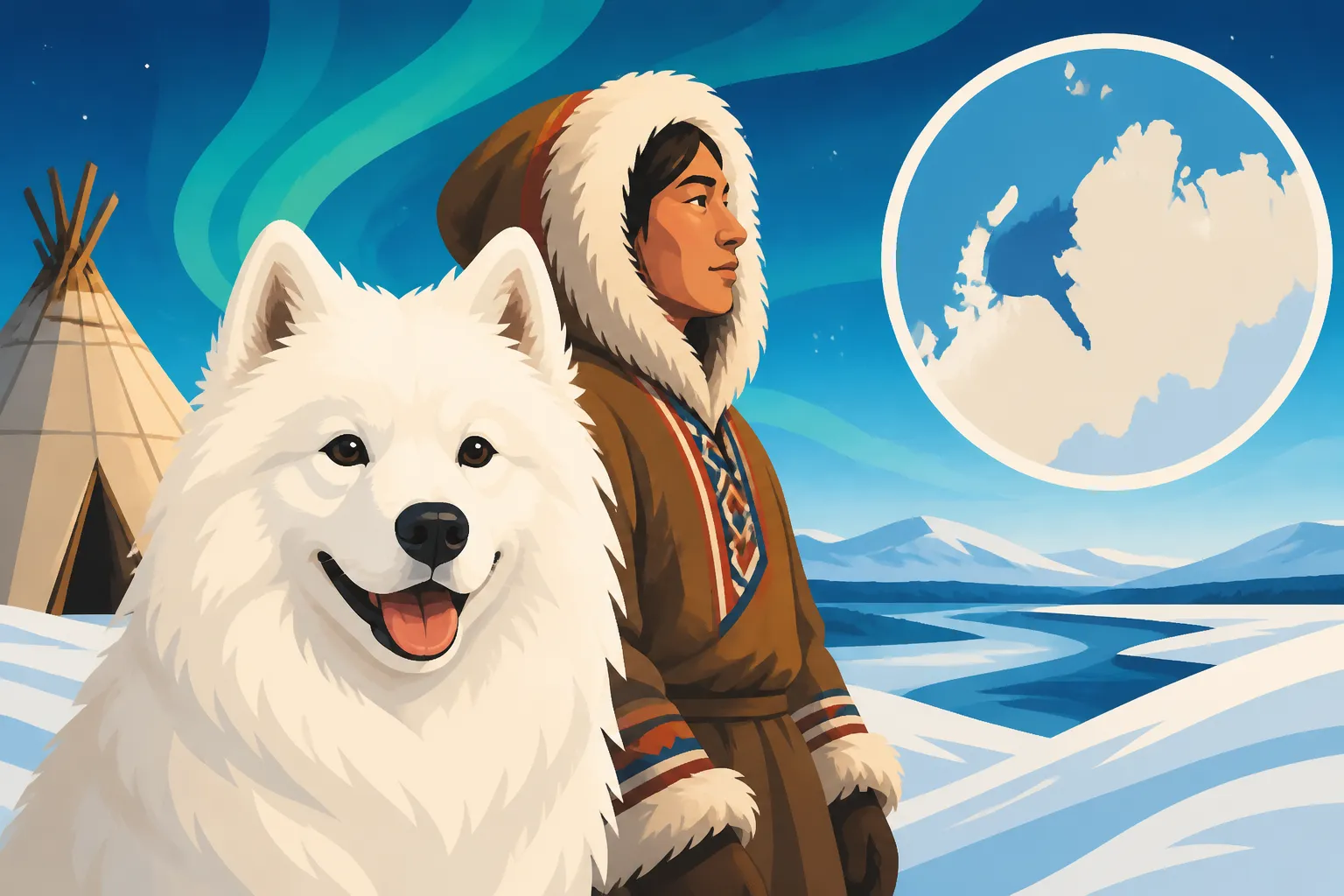
What Yamal Means in the Samoyed’s Homeland
When we bring a fluffy, smiling Samoyed into our lives, it's easy to get lost in their charm and wonder where such a beautiful creature truly comes from. But to truly understand the Samoyed, we need to look beyond the cute videos and into their ancestral homeland, a place intrinsically tied to their very being. This guide will explore the profound meaning of "Yamal" in the context of the Samoyed, revealing how this unforgiving landscape and the resilient people who called it home forged the dogs we cherish today.
Understanding the Yamal Peninsula: More Than Just a Name
The Yamal Peninsula isn't just a dot on a map; it's a testament to extreme survival and a crucible that forged the Samoyed breed. Nestled in the far north of Siberia, this vast, windswept expanse played a pivotal role in shaping the physical traits, temperament, and instincts of these magnificent dogs. It’s impossible to separate the breed from its origins here.
Geographical Significance
Imagine a place where the sun barely rises for months, and then, just as suddenly, never truly sets. That’s the Yamal Peninsula. This remote finger of land juts into the Kara Sea, far above the Arctic Circle in Russia. The word "Yamal" itself, in the Nenets language, translates roughly to "the end of the land," and when you look at it on a globe, you can certainly understand why. It’s a place of stark beauty, dominated by endless tundra, permafrost, and countless lakes. This isn't a landscape for the faint of heart, either for humans or for canines. Its isolation meant that the dogs developing here did so in a relatively closed gene pool, adapting specifically to these unique challenges. The very remoteness protected them, allowing the unique characteristics we now recognize as 'Samoyed' to solidify. Where the Samoyed's Yamal Peninsula Is offers a closer look at this fascinating region.
The Harsh Climate that Shaped a Breed
The weather on the Yamal Peninsula isn't just cold; it's brutally, relentlessly, soul-crushingly cold. Temperatures routinely plummet to 50 or 60 degrees below zero Fahrenheit, often accompanied by fierce winds that cut straight through you. This extreme environment dictated survival, and for the Samoyed, that meant developing a coat like no other. Their famous double coat isn't just thick; it's a marvel of natural engineering, providing insulation against both the biting cold and the surprisingly intense Arctic summer sun. You can learn more about How Cold It Gets Where the Samoyed Came From. This coat is so efficient that attempting to shave it down, as some well-meaning but misinformed owners do, can actually hinder their ability to regulate temperature, making them less comfortable in the heat. It’s a truly defining feature, born directly from the necessities of their homeland.
The Nenets People: Guardians of the Samoyed's Ancestry
To truly understand the Samoyed, one must understand the Nenets people. These indigenous nomads, who have called the Yamal Peninsula home for centuries, didn't just own dogs; they lived and breathed with them, relying on them for their very survival. The relationship between the Nenets and their dogs was one of deep mutual respect and interdependence, a bond that defined both species.
Nomadic Lifestyle and Reindeer Herding
The Nenets are primarily reindeer herders, following vast herds across the tundra in an annual migration that covers thousands of miles. This isn't just a way of life; it's their entire culture, and the Samoyed was an indispensable partner in it. Without their dogs, managing thousands of semi-wild reindeer would be an impossible task. The dogs acted as living fences, guiding the herds, preventing them from straying, and protecting them from predators. Their nomadic existence meant constant movement, living in portable tents called chums, which the Samoyeds shared, reinforcing their role as integral family members. Who the Nenets Who Bred the Samoyed Are dives deeper into the history and culture of these remarkable people. The Samoyeds were selected not just for their working ability but for their temperament, their capacity to live in close quarters with humans and other animals without aggression.
The Samoyed as a True Companion and Worker
Unlike some other working breeds that might live primarily outdoors, the Samoyed was a truly integrated member of the Nenets family. They weren't just tools; they were companions, protectors, and even living blankets on cold Arctic nights. The phrase "slept in the tent to keep people alive" isn't an exaggeration; their warm, dense coats and body heat provided crucial warmth in extreme conditions. Why a Samoyed Slept Among the Family highlights this unique aspect of their history. This close bond bred a dog that is exceptionally gentle, people-oriented, and remarkably tolerant, traits that continue to define the breed today. This constant interaction also meant that intelligence, adaptability, and a strong desire to please (though sometimes overridden by independent thinking!) were highly valued traits, ensuring their continued survival alongside their human partners.
The Samoyed's Role in the Yamal Way of Life
The Samoyed breed isn't just from Yamal; it's an extension of the Yamal way of life. Every instinct, every physical attribute, and much of their personality can be traced back to the specific tasks they performed and the environment they navigated alongside the Nenets. These were truly all-purpose dogs, essential to daily survival.
Herding and Guarding Reindeer
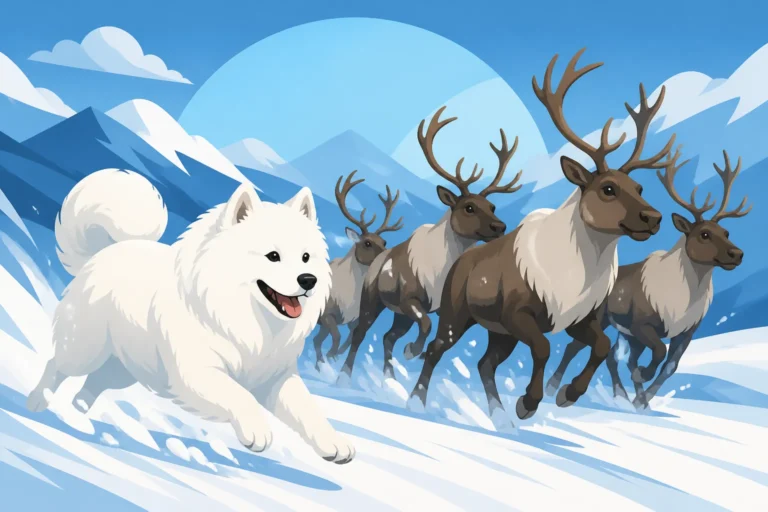
The primary role of the Samoyed was, and to some extent still is, the herding of reindeer. This wasn't the frantic, nippy herding style of a Border Collie; it was a more subtle, circling, and containing method, keeping the large, semi-wild herds together. They used their voices – that characteristic Samoyed vocalization – and their presence to guide the animals without terrifying them. But they weren't just herders; they were also vigilant guardians. The Yamal Peninsula is home to predators like wolves and bears, and the Samoyeds played a crucial role in protecting the valuable reindeer herds from these threats. How a Samoyed Herded Reindeer details this fascinating aspect of their working past. This dual role required immense bravery, intelligence, and an unwavering loyalty to their human family and the livestock they protected. You can still see glimpses of this instinct today when your Samoyed tries to "herd" your children or other pets, circling them gently.
Pulling Sleds and Transport
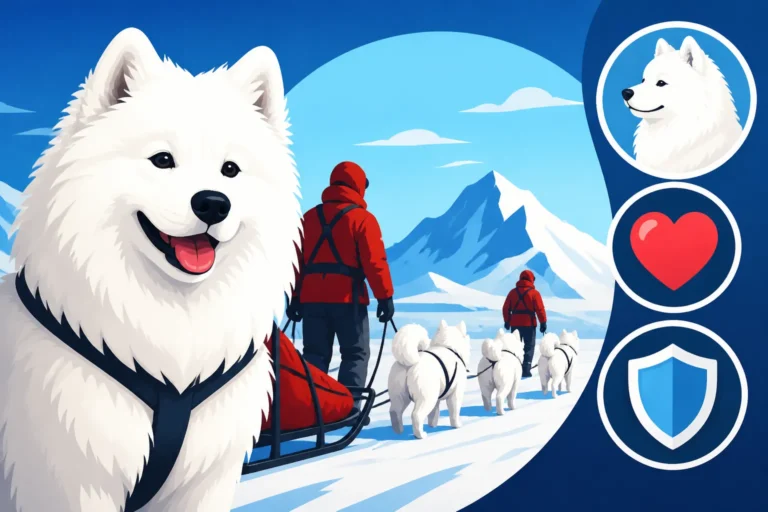
While the Samoyed might not be as universally known for sledding as, say, a Siberian Husky or Alaskan Malamute, pulling was absolutely a part of their heritage. They were used to pull light sleds for hunting, trapping, and transporting camp goods when the Nenets moved their chums. These weren't necessarily speed races, but rather steady, enduring pulls over challenging terrain, often carrying vital supplies or even injured or elderly members of the community. Their strength, combined with their incredible endurance, made them invaluable for transport in a land without roads or vehicles. How a Samoyed Pulled a Sled gives you a sense of this demanding work. Even if your Samoyed's biggest pull today is convincing you to drop a treat, that powerful, driven instinct to lean into a harness is still there. If you're looking for durable gear for casual pulling, many online retailers like Chewy offer suitable harnesses and lines.
The Heart of the Family
Beyond their working duties, the Samoyed was the very heart of the nomadic family. They offered warmth, comfort, and companionship in an often lonely and harsh landscape. They played with the children, guarded the camp, and shared the limited space inside the chum. This intimate bond fostered the Samoyed's renowned gentle nature, their perpetual "smile," and their unwavering desire to be near their people. They truly were an integrated part of the human unit, not just working animals. The selection process for breeding would have naturally favored dogs with stable, friendly temperaments, as aggressive animals would simply not have been tolerated in such close quarters. This legacy is why modern Samoyeds thrive on interaction and can develop separation anxiety if left alone for too long.
Beyond the Literal: Yamal as a Symbol of Endurance and Heritage
The Yamal Peninsula isn't just a geographical location for the Samoyed; it's a powerful symbol. It represents the ultimate test of survival, the deep bond between humans and animals, and a heritage of resilience that continues to resonate in every modern Samoyed. When we look at our Samoyeds, we're seeing living history, a direct connection to this incredible place.
Resilience in Extreme Conditions
To survive on the Yamal Peninsula, both the Nenets people and their Samoyeds had to possess an extraordinary level of resilience. This isn't just physical toughness; it's also mental fortitude. Imagine enduring endless winters, navigating treacherous terrain, and facing constant challenges. The Samoyed's ability to not only survive but thrive in such conditions speaks volumes about their inherent strength, adaptability, and positive outlook. This resilience isn't just about their coat; it's woven into their very spirit. It's why they can bounce back from minor setbacks, adapt to new situations (within reason!), and often maintain a cheerful disposition even when things aren't perfect. This spirit of endurance is a direct echo of their Yamal lineage.
A Link to an Unchanged Past
For centuries, the way of life on the Yamal Peninsula remained largely unchanged. The Nenets continued their migrations, herding their reindeer with the help of their dogs, much as their ancestors had done. This relative isolation meant that the Samoyed breed, too, retained many of its ancient traits, making it one of the more "primitive" breeds in existence. It wasn't subject to the whims of selective breeding for exaggerated show traits until much later. This "unchanged past" is why your Samoyed still possesses strong instincts for digging (to create cool hollows in the tundra or hunt small prey), barking/vocalizing (to communicate across distances or warn of predators), and that incredible desire to explore. Whether the Samoyed Is a Primitive Breed explores this fascinating genetic and behavioral link to their ancient heritage.
Connecting Modern Samoyeds to Their Yamal Roots
Even thousands of miles away from the frozen tundra, the spirit of Yamal lives on in our Samoyeds today. Understanding their origins helps us to better appreciate their unique quirks and provides insight into their needs, helping us be better guardians for these incredible dogs.
Instincts Still Present
Your Samoyed might be curled up on your sofa, a world away from reindeer herds, but those ancient instincts are still very much alive. The strong prey drive that makes them chase squirrels, the digging habit that can turn your garden into a moonscape, and that famous "Samoyed scream" that once communicated across vast, open distances – these are all echoes of Yamal. Their deep desire for companionship and inclusion in your family unit stems directly from their history of living as a crucial part of the Nenets family, providing warmth and protection. Even their playful nips as puppies can be seen as a diluted form of the gentle "nipping" used to guide reindeer. Recognizing these traits as part of their heritage can help us understand why they do what they do, rather than simply labeling them as "stubborn" or "naughty."
Appreciating the Breed's Purpose
Knowing what Yamal means to the Samoyed helps us appreciate their true purpose. They weren't bred to be ornamental lapdogs or aggressive guard dogs; they were bred to be tireless, intelligent, and deeply loyal working partners and family members. This understanding influences how we approach their exercise needs, training, and overall care. A Samoyed isn't just a fluffy pet; it's a dog that thrives on engagement, on having a "job" – whether that's pulling a sled, participating in dog sports, or simply being your enthusiastic hiking companion. Providing mental and physical stimulation that taps into their innate drives is key to a happy Samoyed. Even basic training, making them think and use their brains, fulfills a part of that ancient working spirit. Many online stores, like Chewy, provide a wide range of interactive toys and training tools that can help fulfill these natural instincts.
The Legacy of the Samoyed's Homeland
The legacy of the Yamal Peninsula is one of enduring strength, deep connection, and remarkable adaptation. It reminds us that the Samoyed is more than just a beautiful face; they carry the history of an entire culture and environment within their very being. Respecting this heritage means providing them with the care, understanding, and love that honors their past. It’s a privilege to share our lives with a breed so deeply rooted in such a unique and powerful history.
| Aspect of Yamal | Impact on Samoyed Breed | Modern Manifestation in Pet Samoyed |
|---|---|---|
| Harsh Climate | Developed dense double coat for insulation. High endurance and resilience. | Profuse shedding, heat sensitivity in summer, love for cold weather, robust health. |
| Nomadic Lifestyle | Adaptability, strong bond with humans, desire to be part of the "pack." | Enjoys travel, seeks close companionship, dislikes being left alone, follows owners. |
| Reindeer Herding | Herding instinct (circling, gathering), vocal communication, protective nature. | "Herds" children or other pets, distinctive "talkative" vocalizations, alert to surroundings. |
| Sled Pulling | Strong desire to pull, powerful physique, stamina. | Pulls on leash, enjoys dog sports like canicross or bikejoring, strong drive for activity. |
| Family Companion | Gentle temperament, high tolerance for children and other animals, "Samoyed smile." | Affectionate, friendly with strangers, generally good with kids, perpetually happy expression. |
| Prey Abundance | Strong prey drive for hunting small game in tundra. | Chases squirrels, rabbits, or birds; can be unreliable off-leash in open areas. |
| Digging for Shelter/Food | Instinct to dig dens for coolness or to unearth food/water. | Digs holes in the yard, attempts to "bury" toys or treats. |
Disclaimer
This article is for general informational purposes only and does not constitute professional advice. Laws, prices and regulations vary by location and change over time. Consult a qualified professional for guidance on your specific situation.