Whether the Samoyed Is a Primitive Breed
Many Samoyed owners, myself included, have looked at our fluffy, smiling companions and wondered if there's something truly ancient coursing through their veins. It's easy to see glimpses of their wild past, whether it's the insistent "Screaming" or their uncanny ability to outwit fences. This guide dives deep into whether the Samoyed truly fits the description of a "primitive breed," exploring their remarkable history, genetic makeup, and the behaviors that connect them to their primal origins.
What "Primitive Breed" Really Means for Our Dogs
When we talk about a "primitive breed" in dogs, it's not just a casual observation about a dog's looks or a quirky habit. It's a term loaded with historical and genetic significance, and it really helps to understand what people are actually getting at when they use it. Generally, it refers to a breed that has undergone less human selective breeding compared to many modern breeds, meaning they retain more of their ancestral traits – both physical and behavioral – from their wolf ancestors.
Genetic Closeness to Wolves
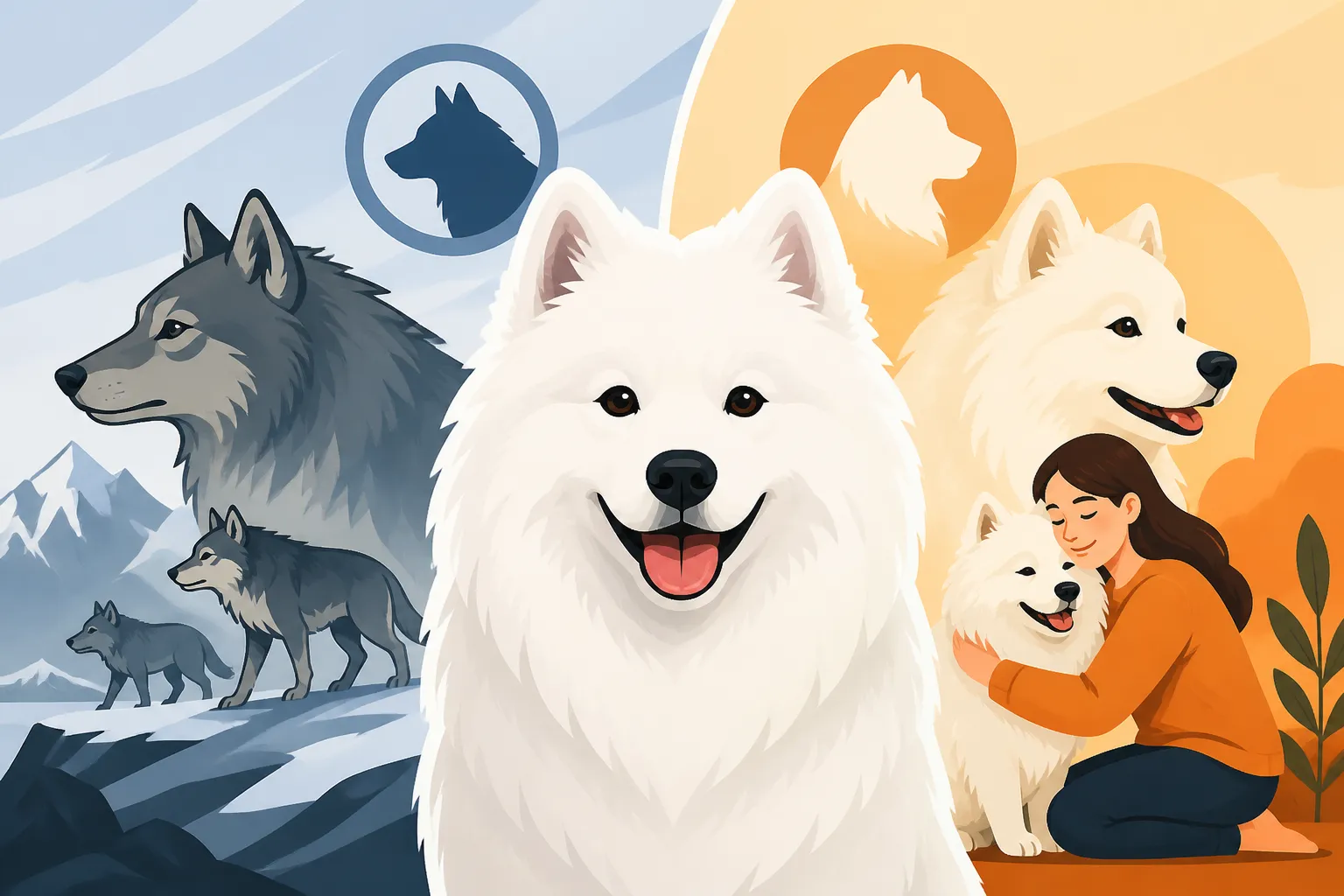
One of the primary indicators of a primitive breed is its genetic proximity to wolves. Think of it like a family tree; some dog breeds branched off from the wolf lineage much earlier than others and have maintained a closer genetic resemblance. These breeds often appear higher up on the evolutionary tree, meaning their DNA still holds many of the markers found in wild canids. They haven't been as heavily "reprogrammed" by humans to fit specific, highly specialized roles that emerged only a few centuries ago. This doesn't mean your Samoyed is part wolf – they're definitely dogs! – but it points to a less diluted genetic heritage.
Retention of Ancient Traits
Beyond the genetics, primitive breeds are also characterized by the retention of traits that were essential for survival alongside early humans. We're talking about strong hunting or herding instincts, a high degree of independence, physical resilience to harsh environments, and often a certain wariness or self-sufficiency that you might not see in, say, a Labrador Retriever. These aren't just cute quirks; they are deep-seated adaptations that allowed these dogs to thrive in conditions where human intervention was minimal. They learned to make their own decisions and rely on their own instincts, a trait that can sometimes be a double-edged sword for modern owners!
The Samoyed's Ancient Lineage and History
To understand the Samoyed's primitive roots, we absolutely have to delve into their origins. This isn't a breed that popped up a couple of hundred years ago in Victorian England; their story goes back thousands of years to the desolate, freezing expanses of Siberia. Their entire existence was forged in an environment where only the toughest survived, and they did so in partnership with nomadic tribes.
Nomadic Partners with the Nenets
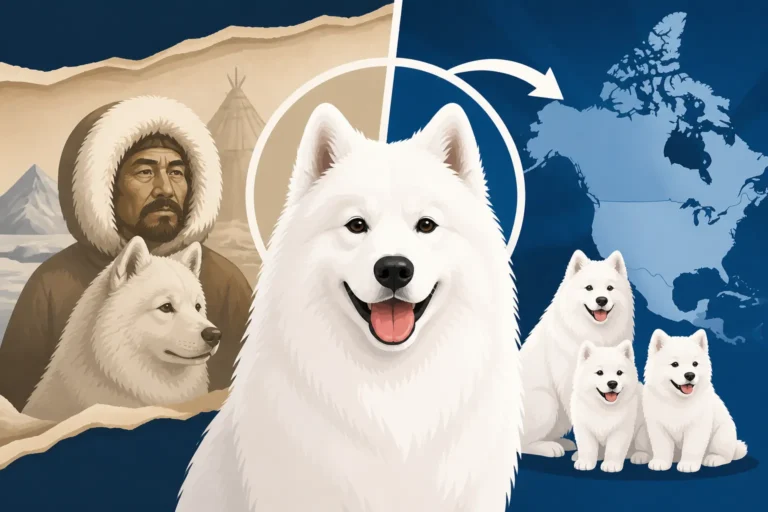
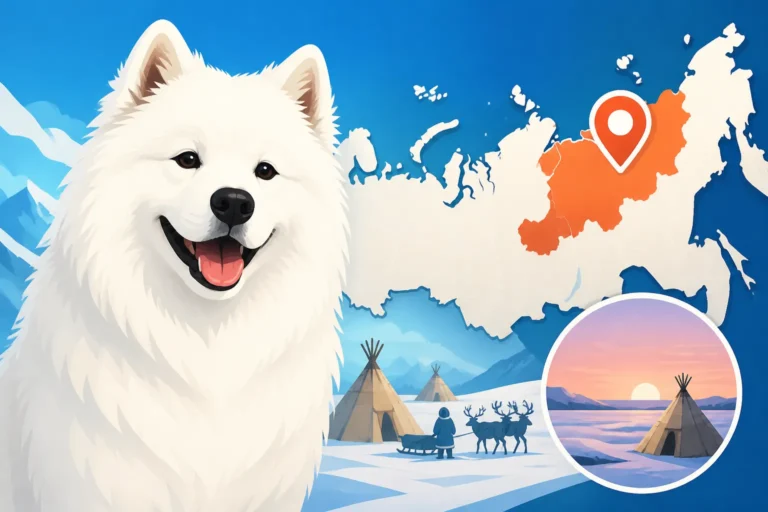
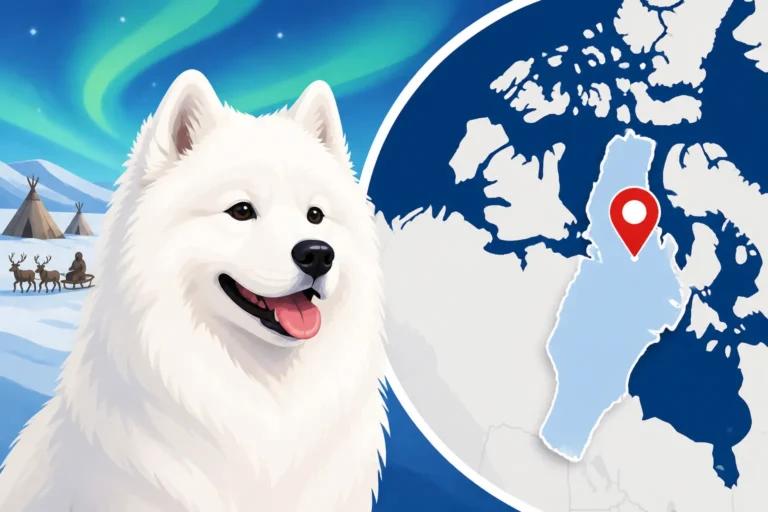
The Samoyed breed is inextricably linked to the Nenets people, indigenous nomadic reindeer herders who lived in the vast, unforgiving Yamal Peninsula of Siberia. The Nenets of the Yamal Peninsula Bred the Samoyed not for show or sport, but for pure survival. These dogs weren't just pets; they were integral members of the tribe, essential for their way of life. They herded reindeer, protected them from predators like bears and wolves, and even helped pull sleds across the frozen tundra. This wasn't a casual arrangement; it was a deep, symbiotic relationship where the dogs' ancient instincts were honed and valued.
Imagine surviving brutal Arctic winters, where temperatures could plummet to unimaginable lows. The dogs were not just working animals; they provided warmth. The Samoyed Slept in the Tent to Keep People Alive, curled up with families, offering their thick fur as insulation against the bitter cold. This close bond meant that dogs with aggressive tendencies or poor social skills simply wouldn't have been tolerated. Only dogs that were hardy, intelligent, and deeply devoted yet independent could thrive in such a demanding environment.
A Breed Shaped by Nature, Not Kennel Clubs
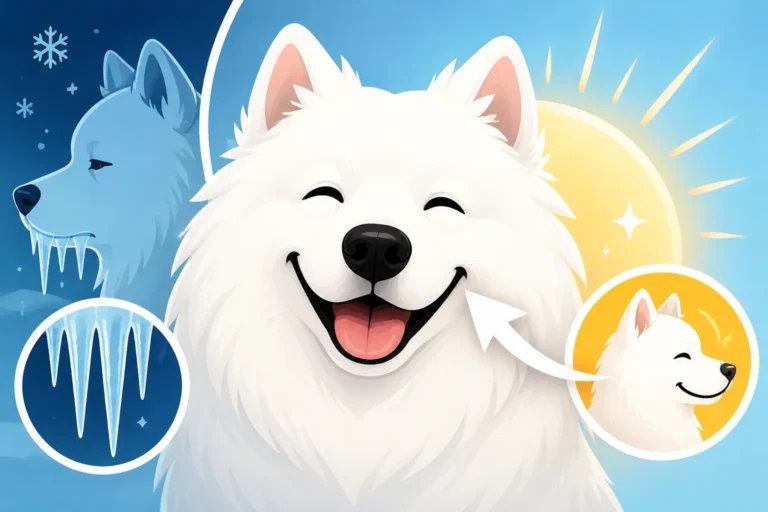
Unlike many modern breeds that were "created" or heavily refined within the last few centuries by specific breeding programs, often for aesthetic purposes or highly specialized tasks (like specific hunting styles), the Samoyed's form and function were largely dictated by the environment and the practical needs of the Nenets. Their thick double coat, the characteristic "Samoyed smile" (which helps prevent icicles from forming around their mouth, by the way!), and their robust build are all adaptations for extreme cold and strenuous work.
This means that for thousands of years, natural selection played a huge role, alongside the Nenets' practical selection, in shaping the breed. They chose dogs that were good herders, strong pullers, and excellent companions. This slow, organic development is a hallmark of a primitive breed. The formalization of the breed into kennel club standards is a relatively recent phenomenon, but the core characteristics were already firmly established through millennia of survival.
Genetic Evidence of the Samoyed's Ancestry
Modern science, specifically canine genetics, has given us incredible tools to trace the ancestry of dog breeds. When we look at the Samoyed through this lens, the evidence strongly supports their classification as an ancient or primitive breed. It’s not just a feeling; it’s in their DNA.
DNA Studies Placing Samoyeds Among Ancient Breeds
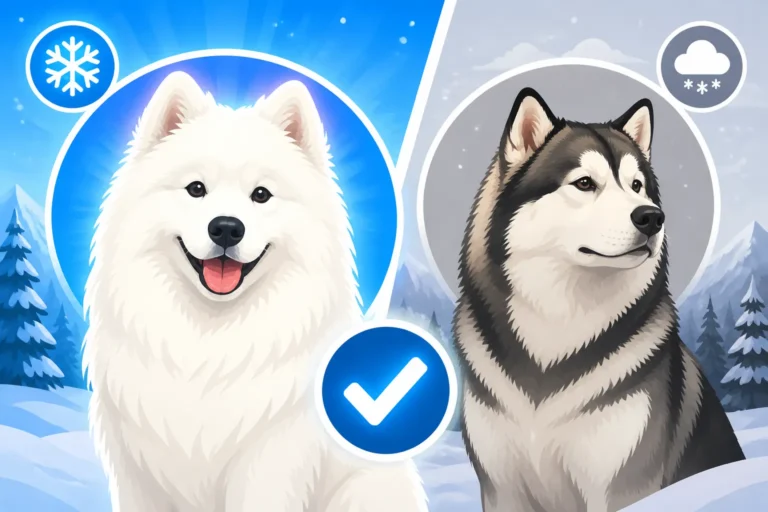
Multiple genetic studies that analyze canine DNA have consistently placed the Samoyed in a unique category: among the most ancient dog breeds. These studies compare the genetic markers of various dog breeds to those of wolves, as well as to each other, to map out their evolutionary history. What they've found is that breeds like the Samoyed, along with others such as the Siberian Husky, Alaskan Malamute, Chow Chow, and Akita, share a much closer genetic relationship to the ancestral wolf populations from which all domestic dogs descended. What the Samoyed's DNA Says About Its Ancestry reveals patterns that show less divergence from the wolf genome compared to many European breeds that were developed much later.
This doesn't mean they're part-wolf, but rather that their genetic makeup has been less altered by the intensive, often rapid, selective breeding that occurred with many modern breeds. They retained more of their "original" canine blueprint because their role and environment didn't necessitate radical changes. It’s a testament to How Old the Samoyed Breed Really Is and how remarkably consistent their lineage has remained over vast stretches of time.
A Narrower Genetic Bottleneck
Another aspect revealed by genetic studies is the concept of a "genetic bottleneck." This refers to a period when a population's size is drastically reduced, leading to a loss of genetic variation. While all domestic dog breeds have experienced some degree of bottleneck due to their domestication from wolves, ancient breeds like the Samoyed often show evidence of having passed through fewer subsequent, artificial bottlenecks. This means their genetic diversity, while still a concern for all purebreds, reflects a less manipulated history than breeds created from a very small founder population with intensive human selection for very specific, often aesthetic, traits. The genetic landscape of the Samoyed suggests a lineage that has been more consistently widespread and naturally selected within its traditional environment.
Behavioral Traits Reflecting Primitive Instincts
Beyond their ancient looks and genetic blueprint, Samoyeds often exhibit behaviors that are clear echoes of their primitive past. These aren't always convenient for modern households, but they are a fascinating window into what made them such successful partners to the Nenets.
Strong Herding and Hunting Drives
If you've ever owned a Samoyed, you'll know they have a mind of their own, especially when it comes to chasing small, furry creatures. This isn't just a mischievous streak; it's a powerful instinct. Samoyeds were bred to herd reindeer, which required them to be intelligent, alert, and capable of independent decision-making. The Herding Instinct Nobody Expects From a Samoyed is very real. While they may not be herding caribou in your backyard, this drive can manifest as them "herding" children, other pets, or even you, nudging you where they want you to go. They often circle and bark, mimicking the techniques used to move reindeer.
Their prey drive is also notoriously strong. Those thousands of years of protecting reindeer from predators and, presumably, finding their own food when necessary, instilled a keen sense for tracking and pursuing smaller animals. A squirrel across the park or a rabbit in the yard can instantly trigger this ancient instinct, making reliable off-leash recall a lifelong training challenge. This isn't stubbornness, though it can feel like it; it's a hardwired response rooted in survival.
Independence and Problem-Solving Skills
Unlike some companion breeds developed solely for human interaction, Samoyeds retain a significant degree of independence. They weren't just followers; they were partners who had to make decisions on their own in challenging situations, often out of direct sight or command of a human. This translates to a dog that is intelligent, resourceful, and often a master escape artist. If there's a weakness in your fence, a latch that can be opened, or a door that isn't quite closed, your Samoyed will likely find it. How a Samoyed Gets Out of Anything You Build is a common frustration for owners, but it's a testament to their problem-solving abilities.
This independence means that while they are devoted, they aren't always eager to please in the way a retriever might be. Training a Samoyed often requires creativity, patience, and understanding that they are always weighing what's in it for them. They're intelligent, but they're not necessarily compliant. This can be frustrating when you're trying to teach them a new trick, but it's also why they were so invaluable in their original role.
Vocalizations Beyond Barking
Samoyeds are famous for their varied vocalizations. It's not just barking; it's a whole symphony of sounds: yips, howls, grumbles, chuffs, and the infamous "Samoyed Scream." These complex communication methods are believed to be another primitive trait, allowing them to communicate effectively with each other and their human companions in wide-open, often noisy, environments. The Samoyed Scream and Why It Is Not Barking is a perfect example of their unique expressive range.
It's a far cry from the more standardized barks of many modern breeds. This rich vocal repertoire allowed them to signal danger, call to each other across distances, and express emotions in a more nuanced way than simple barking might permit. While charming, it also means your Samoyed is unlikely to be a quiet companion in an apartment building, often responding to anything from a doorbell to a passing siren with a full-throated conversation.
Physical Characteristics Rooted in Survival
Just looking at a Samoyed, it's easy to see physical traits that scream "built for the wild." These aren't just pretty features; they are functional adaptations that have allowed the breed to thrive in extreme conditions for thousands of years.
The Legendary Double Coat
Perhaps the most striking and undoubtedly primitive feature of the Samoyed is their magnificent double coat. This isn't just for looks; it's a marvel of natural engineering, perfectly designed for the Arctic climate. They have a harsh, straight outer coat of guard hairs that sheds dirt and snow, and a dense, woolly undercoat that provides incredible insulation. A Samoyed's Coat Is Insulation, Not Decoration. This coat protects them from both extreme cold and, surprisingly, from heat as well, acting as a buffer against solar radiation. Shaving a Samoyed is one of the worst things you can do, as it disrupts this natural cooling and warming system.
Maintaining this coat is a commitment, requiring regular brushing to prevent matting and remove loose undercoat, especially during their biannual "coat blow." But it's a tangible link to their heritage, a reminder that every strand of fur serves a purpose rooted in survival. This dense coat also naturally stays quite clean, with dirt and mud often falling off once dry, another testament to its efficiency in a wild environment. When it comes to grooming supplies for their incredible coat, many owners find great value in products from places like Chewy, which offer a wide range of brushes, deshedding tools, and conditioners specifically designed for double-coated breeds.
The Iconic Samoyed Smile
The Samoyed's perpetual "smile" is more than just an endearing facial expression; it's a functional trait that helped them survive in the harsh Arctic. Their lips naturally curl upward at the corners, preventing icicles from forming around their mouth and freezing their saliva onto their muzzle. This simple yet brilliant adaptation meant they could work and survive in sub-zero temperatures without risking frostbite or discomfort around their mouth. Why the Samoyed Smiles isn't just about happiness; it's about pure practicality.
This functional smile is a beautiful example of how natural selection and the demands of their environment shaped the breed over millennia. It’s not an artificial trait bred for aesthetic appeal; it’s a living piece of their ancient history, proof that every aspect of their appearance often has a deep, practical purpose.
Strong, Agile Build
Samoyeds are built for endurance and strength. Their medium size, powerful musculature, and deep chest are perfectly suited for pulling sleds long distances, often over rugged and uneven terrain. They are not overly heavy, allowing for agility, but stout enough to generate significant pulling power. This balance of strength and agility is another primitive trait, essential for a dog that needed to cover vast distances and navigate challenging landscapes while performing crucial tasks. Their robust bone structure and well-angulated limbs are designed for efficient movement and resilience against the physical demands of their working life.
Modern Samoyed vs. Ancient Ancestors: What's Changed?
While the Samoyed certainly holds onto many primitive traits, it's also important to acknowledge that the breed isn't exactly the same as the dogs that roamed with the Nenets thousands of years ago. Like all breeds, they've evolved, even if subtly, and have been influenced by modern breeding practices.
Selective Breeding for Temperament and Aesthetics
When Samoyeds were first brought out of Siberia and introduced to the Western world in the late 19th and early 20th centuries, selective breeding began to play a more formal role. While their core working abilities and resilience were initially prized, breeders also started to select for more standardized appearances and, crucially, a consistent temperament suitable for companionship rather than just pure working roles. The extreme independence needed for survival on the tundra was slightly softened to create the amiable, people-oriented dog we know today.
The "pure white" coat, for instance, became a highly desired aesthetic in the show ring, even though historically, Samoyeds might have had more biscuit or cream markings. The Colors a Samoyed Comes In originally included more variation. This shift towards specific visual standards, while not erasing their primitive core, has certainly emphasized certain traits over others.
Adapting to Domestic Life
The biggest change, perhaps, is the environment in which most Samoyeds now live. They are no longer primarily working dogs in the Arctic. They are cherished family members, living in homes, often in climates far warmer than their ancestral lands. This means their inherent traits, while still present, manifest differently. Their herding instinct might be directed at children, their digging instinct at your prize-winning rose bushes, and their incredible vocalizations at the mailman.
Modern Samoyeds, while still benefiting from their robust health and intelligence, require owners who understand their primitive roots. They need ample exercise, mental stimulation, and consistent training to thrive in a domestic setting. A Samoyed needs a job, even if that job is just "chief companion" or "neighborhood ambassador," to truly be happy. Without understanding this deep-seated need for purpose, many owners find themselves overwhelmed by the energy and intelligence of a dog that was built for so much more than just looking pretty on the couch. Providing interactive toys and puzzles, found readily on sites like Chewy, can help satisfy their innate problem-solving drives.
| Trait Category | Primitive Breed Characteristics (General) | Samoyed Specifics |
|---|---|---|
| Genetics | Closely related to wolves, ancient divergence | DNA studies consistently place them among ancient breeds |
| Behavior | High independence, strong prey/herding drive, complex vocalizations, problem-solvers | Notoriously independent, strong herding instinct (reindeer), distinct "Samoyed Scream," expert escape artists |
| Physical | Adaptations for harsh environments, functional features, robust build | Thick double coat for insulation, "Samoyed smile" for frostbite prevention, powerful build for pulling |
| Relationship with Humans | Partnership for survival, co-existence, mutual benefit | Deep historical bond with Nenets, slept in tents, worked closely with tribes |
| Training | Intelligent but often not "eager to please," require motivation, can be stubborn | Smart, need consistent, positive reinforcement, will negotiate, can be easily bored by repetition |
| Care Needs | High exercise requirements, withstand elements well | Needs significant exercise, bred for cold, requires intense grooming for dense coat |
In essence, the Samoyed is a living bridge to the ancient world of dogs. They carry with them the genetic heritage, the functional adaptations, and the behavioral instincts of dogs that lived side-by-side with humans for survival, long before the concept of "breeds" as we know them today even existed. While their lives have certainly changed, the heart of the primitive dog still beats strong within every fluffy, smiling Samoyed. They demand respect for their history and understanding of their unique needs, and in return, they offer unparalleled companionship and a joyful spirit that is truly timeless.
Disclaimer
This article is for general informational purposes only and does not constitute professional advice. Laws, prices and regulations vary by location and change over time. Consult a qualified professional for guidance on your specific situation.