How a Samoyed Pulled a Sled
Many people picture a Samoyed as a fluffy, smiling companion lounging by the fire, a picture of domestic bliss. But that idyllic image often overlooks the powerful, enduring spirit of their ancestors who once worked tirelessly, pulling sleds across unforgiving Arctic landscapes. This guide is here to shed light on how these magnificent dogs, with their incredible strength and resilience, became the backbone of transportation and survival for the indigenous peoples of Siberia and daring polar explorers.
The Historical Roots of Samoyed Sledding
Before they became the beloved family pets we know today, Samoyeds were vital working animals. Their history is deeply intertwined with the lives of the nomadic tribes they served, showcasing a versatility and loyalty that few other breeds can match.
The Nenets and Their Way of Life
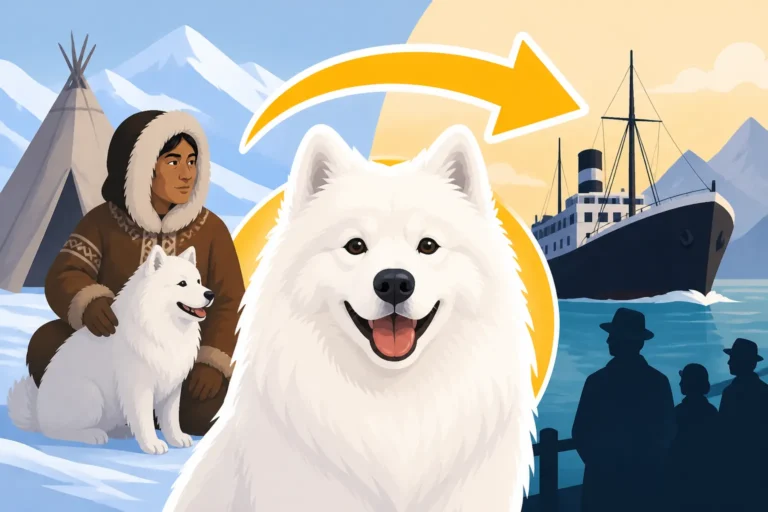
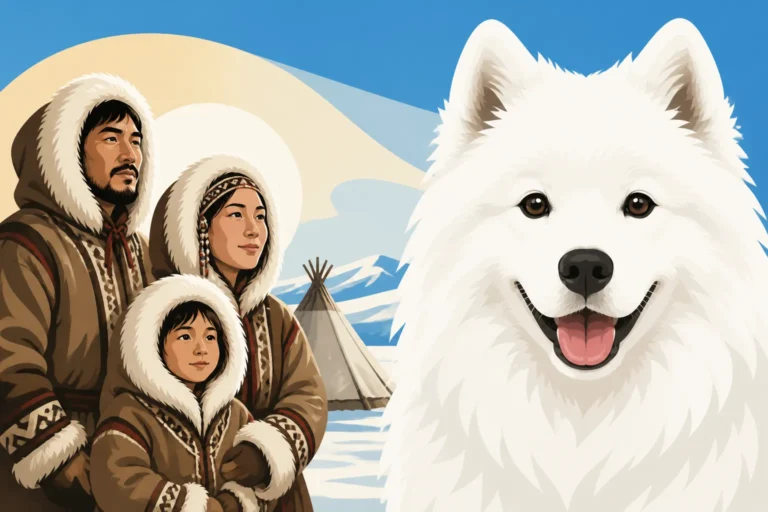
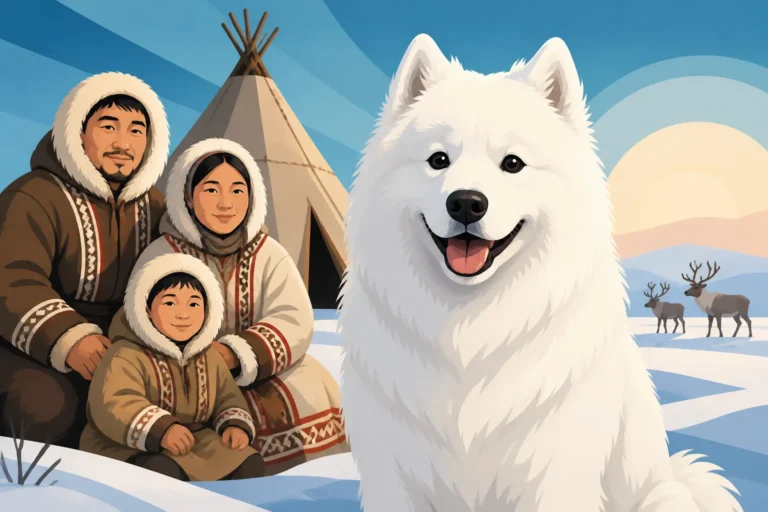
The story of the Samoyed as a sled dog truly begins with the Nenets people, an indigenous group inhabiting the vast, icy expanses of Siberia. These nomadic herders relied on their dogs for survival in an incredibly harsh environment. While often described as "reindeer herders," the Samoyeds' role extended far beyond simply managing livestock. They were indispensable partners, sharing the same harsh existence and proving their worth in myriad ways. The relationship was one of mutual respect and dependence, where the dogs were part of the family, even sleeping in the chum (tent) to provide warmth on the coldest nights. The Nenets of the Yamal Peninsula Bred the Samoyed speaks to this profound connection.
These dogs weren't just "tools"; they were integral to the Nenets' ability to move their camps, hunt, and transport supplies across hundreds of miles of frozen tundra. Without the strength and resilience of their Samoyed teams, the Nenets' nomadic lifestyle would have been utterly impossible. Their very existence hinged on the capabilities of these remarkable animals, who were truly the unsung heroes of the Arctic.
Beyond Herding: The Dual Role of the Samoyed
While their instinct for herding reindeer was paramount, the Samoyed's aptitude for pulling sleds was equally critical. Picture a Nenets family needing to relocate their entire camp – their shelters, their meager possessions, even their children – across miles of snow-covered terrain. This wasn't a job for a single dog; it required a cohesive team. These dogs were bred for both brains and brawn: intelligent enough to understand complex herding tasks and strong enough to pull heavy loads. This dual functionality is what made them so uniquely valuable.
The Samoyed's ability to seamlessly transition from herding to pulling highlights their incredible adaptability and intelligence. They weren't specialized for one task, but rather generalists in survival, capable of turning their paws to whatever was needed. This versatility is a hallmark of the breed, a testament to the rigorous selection process imposed by the harsh realities of the Arctic. They truly were the ultimate all-purpose dogs of the North.
Early Sledding Techniques and Equipment
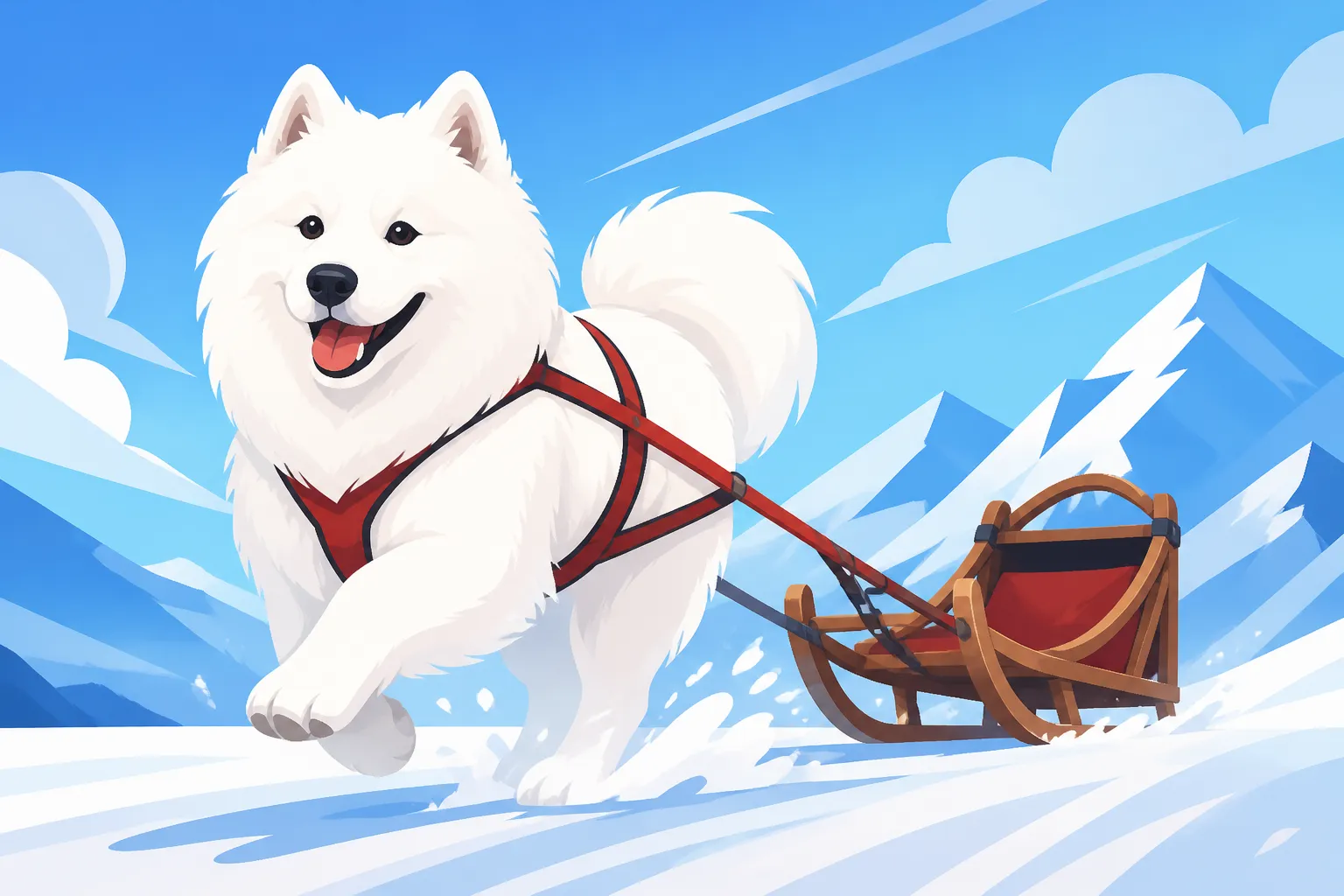
The early sleds used by the Nenets were functional and designed for the terrain – often simple, lightweight structures that could glide over snow and ice. The harness systems were equally practical, distributing weight evenly across the dog's chest and shoulders to maximize efficiency and prevent injury. Unlike some more specialized sled dogs that pull incredibly heavy freight, the Samoyed's task often involved pulling lighter, but essential, loads over long distances, demanding endurance and consistent effort.
The equipment was crafted from available materials: leather, animal hide, and wood, all designed to withstand extreme cold and constant use. The musher, or driver, relied heavily on vocal commands, a language of whistles and shouts understood intimately by their team. There was a profound bond and understanding between human and dog, built on shared experiences and mutual trust. It was a partnership forged in necessity, where clear communication was key to safe and efficient travel.
The Physical Attributes of a Sledding Samoyed
When you look at a Samoyed, you see a creature of beauty, yes, but also one perfectly engineered by nature and centuries of selective breeding for a specific purpose: survival and work in an unforgiving climate. Every feature, from their luxurious coat to their sturdy build, plays a role in their sledding prowess.
The Power of the Double Coat
The Samoyed's iconic double coat isn't just for show; it's a marvel of natural engineering, crucial for their survival and performance as sled dogs. The dense, woolly undercoat provides unparalleled insulation, trapping warm air close to the body, allowing them to withstand temperatures far below freezing. Over this, the longer, coarser guard hairs lie, repelling snow and ice, preventing it from penetrating to the skin. This remarkable coat protects them not only from the bitter cold but also from the biting winds and blowing snow that are common in Arctic environments. It's truly a testament to How a Samoyed Survives Sixty Below.
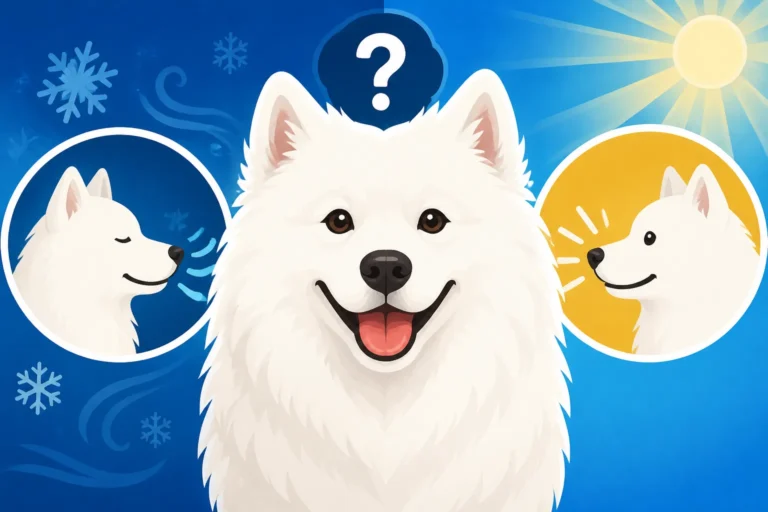
Crucially, this coat also has a surprising function in warmer (though still chilly for humans) conditions; it acts as insulation against heat, much like a thermos. This means they can regulate their body temperature more effectively, preventing overheating during strenuous pulling activities. This dual protective quality allowed them to work for extended periods without succumbing to the elements, making them incredibly reliable partners on the trail. Trying to groom such a magnificent coat can be a challenge, but with the right tools, like those you might find on Chewy, it's manageable.
Built for Endurance, Not Just Speed
Unlike some of the faster, leaner racing sled dog breeds, the Samoyed was primarily bred for endurance and steady power. Their medium size and robust, muscular build are perfectly suited for pulling moderate loads over long distances, day after day. They possess a deep chest, providing ample lung capacity for sustained effort, and strong, well-angulated legs that allow for an efficient, ground-covering gait. This build means they can maintain a consistent pace without tiring quickly, a critical trait for nomadic travel where speed often took a backseat to reliability.
Their compact, well-padded paws, often described as "snowshoe feet," are another vital adaptation. These paws provide excellent traction on snow and ice and prevent snow from clumping between their toes, which could lead to painful ice balls. This physical design allows them to navigate diverse snowy terrains with ease, making them ideal for the practical, day-to-day demands of working sled dogs rather than high-speed racing.
The "Samoyed Smile" and Its Practical Purpose
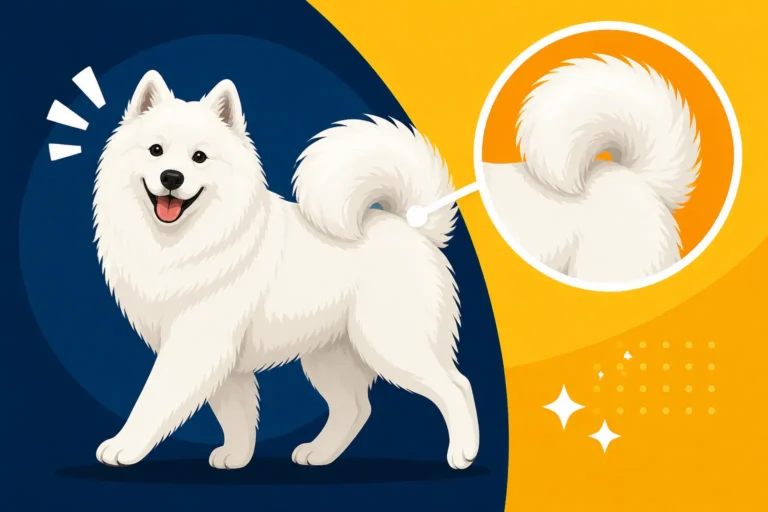
The famous "Samoyed smile," that characteristic upward curl of their lips, isn't just an endearing facial expression; it serves a practical purpose in the harsh Arctic climate. This unique facial structure helps prevent icicles from forming around their mouths and dripping saliva, which could freeze and cause discomfort or even frostbite. Why the Samoyed Smiles offers more insight into this fascinating adaptation.
When a Samoyed is working hard, pulling a sled, they pant to regulate their body temperature. Without this specialized smile, their breath would condense and freeze, potentially creating painful ice masks on their muzzles. This ingenious anatomical feature ensured that these dogs could work comfortably and efficiently, even in the most extreme cold, without their breathing being obstructed or their faces becoming frozen. It's another subtle but crucial detail in their magnificent design as Arctic workers.
Training a Samoyed for the Harness
Training a Samoyed to pull a sled isn't just about putting a harness on them and shouting "Mush!" It's a journey of patience, consistency, and building a strong partnership. Samoyeds are intelligent and can be independent thinkers, so understanding their motivations is key.
Starting Young: Puppyhood Foundations
The groundwork for a well-behaved, willing sled dog begins long before they ever see a harness. Early socialization is paramount, exposing the puppy to various sights, sounds, and experiences to build a confident, adaptable temperament. Basic obedience commands like "sit," "stay," and "come" are essential for control and safety, both on and off the trail. These early lessons instill a sense of routine and respect for their human partner, crucial for future teamwork.
Crucially, teaching a Samoyed puppy good leash manners from a young age is vital. While you want them to pull in the harness, you need them to walk nicely on a lead for everyday life. This means differentiating between their "walking" collar/leash and their "working" harness. Positive reinforcement, using high-value treats and praise, works wonders with this intelligent breed. Building a strong foundation in puppyhood makes all subsequent training much smoother and more enjoyable for both dog and owner.
Introducing the Harness and Basic Commands
Once a Samoyed puppy is old enough and physically mature enough (typically after a year, to protect developing joints), the introduction to a pulling harness can begin. It's not a race; the goal is to create a positive association. Start by letting them wear the harness for short periods during playtime or walks, associating it with fun activities. Once they are comfortable, you can introduce basic directional commands like "gee" (right) and "haw" (left), "whoa" (stop), and "hike" (go). Use clear, consistent vocal cues and reward heavily for correct responses.
Initially, a lightweight object, like a small log or an old tire, can be attached to the harness to get them used to the sensation of pulling something. Keep these sessions short, positive, and always end on a high note. The Age a Samoyed Can Start Pulling is an important consideration to prevent injury. Remember, Samoyeds are eager to please their loved ones, but they also have a strong independent streak, so making it a game and a rewarding experience is far more effective than force.
Building Stamina and Confidence
Building the physical stamina and mental confidence required for sledding is a gradual process. Start with very short "runs" or walks in harness, gradually increasing the distance and duration as the dog's fitness improves. Pay close attention to their body language for any signs of fatigue or discomfort. Overexertion can lead to injury or, worse, a negative association with the activity. It's about building them up slowly and steadily, just like a human athlete.
As their confidence grows, you can introduce more varied terrain and eventually team up with other dogs if you're building a larger team. Samoyeds typically love the company of other dogs, and working together can be a huge motivator. The shared joy of the run, the rhythm of their paws on the snow, and the sense of accomplishment are powerful reinforcements. This systematic approach ensures that the Samoyed develops into a strong, happy, and confident sled dog who truly enjoys their job.
The Art of the Sled Dog Team
While a single Samoyed can pull a remarkable amount for its size, the true power and elegance of traditional sledding comes from a well-drilled team. Each dog plays a specific role, and their combined effort is far greater than the sum of their individual strengths.
Roles Within the Team: Lead, Swing, Team, Wheel
In a traditional sled dog team, each dog has a specialized position, contributing to the overall efficiency and success of the run.
- Lead Dogs: These are the most intelligent, experienced, and responsive dogs. They set the pace, follow commands like "gee" and "haw," and navigate the trail. A good lead dog has excellent judgment and can make decisions when the musher can't see the path clearly. They are the captains of the team.
- Swing Dogs: Positioned directly behind the lead dogs, swing dogs help "swing" the team around corners and reinforce the lead dogs' commands. They need to be agile and quick to react.
- Team Dogs: These are the workhorses in the middle of the team, providing much of the raw pulling power. They need to be strong, consistent, and willing to work in unison.
- Wheel Dogs: Located closest to the sled, wheel dogs are typically the strongest and calmest. They absorb the initial shock of pulling the sled from a standstill and help steer around tight corners. They also need to tolerate the sled close behind them.
While Samoyeds excel in all these roles due to their intelligence and power, they are particularly known for being excellent team and swing dogs, offering incredible stamina and consistent pull.
Communication and Trust: The Musher's Bond
The success of any sled dog team, especially with a breed as intelligent as the Samoyed, hinges on clear communication and an unbreakable bond of trust between the musher and their dogs. Mushers communicate primarily through verbal commands, often supplemented with hand signals or body language. This "language" is learned over countless hours of training and shared experiences, becoming second nature to both dog and human. The dogs need to trust that their musher will guide them safely and that their efforts are appreciated.
This bond is a two-way street. The musher must learn to read their dogs, understanding their individual personalities, energy levels, and even subtle signs of fatigue or discomfort. A good musher knows when to push and when to rest, when to encourage and when to simply let the dogs enjoy their work. This deep understanding, fostered through shared challenges and triumphs on the trail, is what elevates sledding from a simple task to an art form.
Equipment Essentials for Samoyed Sledding
To engage in sledding safely and effectively with your Samoyed, the right equipment is non-negotiable. Investing in quality gear protects your dog and enhances their performance.
| Equipment Item | Purpose | Key Features for Samoyeds |
|---|---|---|
| Harness | Distributes pulling force comfortably over the dog's body. | X-back or H-back style, well-padded, allows full shoulder movement. |
| Gangline | Connects dogs to each other and to the sled. | Durable, shock-absorbing, appropriate length for team size. |
| Sled/Rig | The vehicle being pulled. | Lightweight, maneuverable, appropriate for dog's size and terrain. |
| Booties | Protects paws from ice, snow, sharp surfaces, and salt. | Durable fabric, secure fasteners, good fit. |
| Snub Line/Tie-out | Secures the team during breaks or before starting. | Strong rope or cable, secure attachment points. |
| Safety Light | Visibility in low light conditions. | Waterproof, durable, easily attached to harness or collar. |
For individual pulling activities like skijoring or bikejoring, a specialized harness and a towline with a bungee section are essential to absorb shocks and protect both you and your dog. You can often find a wide array of specialized harnesses and lines, along with protective booties, on pet supply sites like Chewy, ensuring your Samoyed has the best gear for their adventures. What a Sled and Harness for a Samoyed Cost might be a useful read for budgeting.
Modern Samoyed Sledding and Recreational Pulling
While the era of relying on Samoyeds for survival in the Arctic has largely passed, their innate desire to pull and work remains strong. Modern enthusiasts have found new ways to honor this heritage, engaging in recreational pulling sports that celebrate the breed's natural talents.
Recreational Mushing and Urban Options
Many Samoyed owners today don't live in the vast, snowy expanses of Siberia, but that doesn't mean their dogs can't enjoy the thrill of pulling. Recreational mushing allows owners to harness their Samoyeds for fun, fitness, and mental stimulation. This can range from traditional sledding in areas with ample snow to "dryland mushing" activities using wheeled rigs, carts, or even scooters in places where snow is scarce or seasonal.
For urban dwellers, even a single Samoyed can participate in pulling. Walking with a dog in a pulling harness on a hiking trail, allowing them to pull a small, lightweight cart, or simply letting them lean into the leash on a specialized harness during a power walk can tap into that deep-seated instinct. The key is to provide a safe, enjoyable outlet for their energy and working drive, allowing them to fulfill a part of their ancestral purpose.
Different Disciplines: Skijoring, Bikejoring, Canicross
Beyond traditional sledding, there's a growing world of canine pulling sports that are perfect for a strong, energetic Samoyed.
- Skijoring: This involves one or two dogs pulling a person on skis. The dog wears a specialized harness, connected by a towline to a belt worn by the skijorer. It's a fantastic way to enjoy winter sports with your Samoyed and truly allows them to fly across the snow. Whether a Samoyed Enjoys Skijoring highlights how much these dogs love it.
- Bikejoring: Similar to skijoring, but with a bike! The dog pulls the cyclist, providing an exhilarating workout for both. A proper bikejoring antenna is often used to keep the towline clear of the front wheel.
- Canicross: This is essentially cross-country running with your dog pulling you. The dog wears a harness, connected by a bungee line to a waist belt on the runner. It's an excellent way to get fit together and allows the Samoyed to use its natural pulling instinct in a structured way.
These sports not only provide immense physical exercise but also offer invaluable mental stimulation, fulfilling the Samoyed's need for a "job." They foster a deep bond between dog and owner, built on shared adventure and mutual effort.
The Enduring Spirit of the Working Samoyed
Even when not actively pulling a sled or participating in a canine sport, the spirit of the working Samoyed remains. These dogs are at their happiest and most fulfilled when they have a purpose, a "job" to do, however small it may seem. This might manifest as helping carry groceries in a dog backpack, learning complex trick routines, or simply being a dedicated hiking partner. The breed's history as working dogs means they thrive on engagement and activity. The Job a Samoyed Actually Needs goes into more detail about this.
For Samoyed owners, understanding and nurturing this innate drive is crucial for a happy, well-adjusted companion. Providing opportunities for them to use their bodies and minds, whether through formal sports or everyday activities, ensures that the legacy of their sled-pulling ancestors continues to thrive in the modern world. It’s a way of honoring their heritage and ensuring they live rich, fulfilling lives.
The Challenges and Rewards of Sledding with Samoyeds
Embracing the sledding or pulling lifestyle with a Samoyed is an incredibly rewarding experience, but it's also one that comes with its own unique set of challenges. Understanding these aspects upfront can help aspiring mushers and owners prepare adequately.
Understanding Limitations and Safety
While Samoyeds are physically robust, they are not invincible. It's crucial to understand their physical limitations and prioritize safety above all else. Overheating is a significant concern, especially if you live in a warmer climate or during seasonal changes. Whether a Samoyed Should Pull in Warm Weather is a critical question for any owner. Always monitor your dog for signs of distress, ensure they have access to plenty of water, and avoid pulling activities during the hottest parts of the day. Their thick coats, while insulating against cold, can quickly become a liability in heat.
Joint health is another consideration, particularly in younger dogs whose bones and joints are still developing. Strict adherence to age-appropriate training protocols is essential to prevent long-term injury. Furthermore, ensuring your equipment is in good repair and properly fitted is vital. A poorly fitting harness or a frayed line can lead to accidents. Always consult with a veterinarian regarding your dog's fitness for strenuous activity, and don't hesitate to seek advice from experienced mushers or dog sports professionals.
The Joy of the Trail
Despite the challenges, the rewards of engaging in pulling activities with your Samoyed are immense. There’s an undeniable thrill in watching your dog, eyes sparkling with joy and tail wagging, lean into their harness and pull with enthusiastic determination. The feeling of being pulled across a snowy landscape or through a forest trail, connected to your powerful canine partner, is truly exhilarating. It's a primal connection to their ancestry, and a profound experience for both dog and human.
This shared activity deepens your bond, fostering mutual respect and understanding. You learn to read your dog's every movement and anticipate their needs, and they, in turn, learn to trust your guidance implicitly. The pure, unadulterated happiness radiating from a Samoyed when they are "working" is infectious and serves as a powerful reminder of why we welcome these incredible animals into our lives. Whether a Pet Samoyed Still Wants to Pull is often answered with a resounding yes, given the opportunity.
Preserving the Working Heritage
For many Samoyed enthusiasts, engaging in sledding or related pulling sports is more than just a hobby; it's a commitment to preserving the working heritage of the breed. It ensures that the genetic traits for strength, endurance, intelligence, and willingness to work are maintained and celebrated. By participating in these activities, owners help to keep the Samoyed true to its roots, honoring the centuries of selective breeding that created such a remarkable animal.
It also serves as an educational opportunity, allowing owners to share the true capabilities and history of the Samoyed with others. In a world where many working breeds have become solely companion animals, actively involving Samoyeds in their ancestral roles ensures that their incredible abilities are not forgotten. It’s a way of saying "thank you" to the Nenets and the explorers who first recognized and cultivated the extraordinary sledding potential of this magnificent "dog with a smile."
Disclaimer
This article is for general informational purposes only and does not constitute professional advice. Laws, prices and regulations vary by location and change over time. Consult a qualified professional for guidance on your specific situation.