Where the Samoyed’s Yamal Peninsula Is
It's easy to look at a fluffy, smiling Samoyed today and imagine they sprang fully formed into our modern homes, ready for cuddles and dog park adventures. But beneath that glorious white coat and perpetual grin lies a rich, ancient history rooted in one of the planet's most extreme and isolated environments. Many owners are surprised to learn that their beloved Sammy's quirks – from their incredible vocalizations to their love of digging – are directly tied to where they came from and the people who shaped them. This guide will take you on a journey to the Samoyed's true ancestral home, the remote Yamal Peninsula, helping you understand not just where they came from, but why they are the way they are.
Unearthing the Samoyed's Ancient Homeland: The Yamal Peninsula
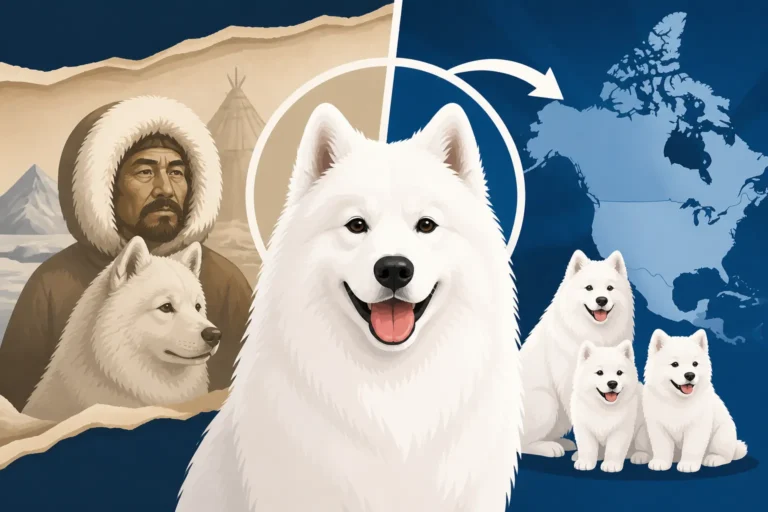
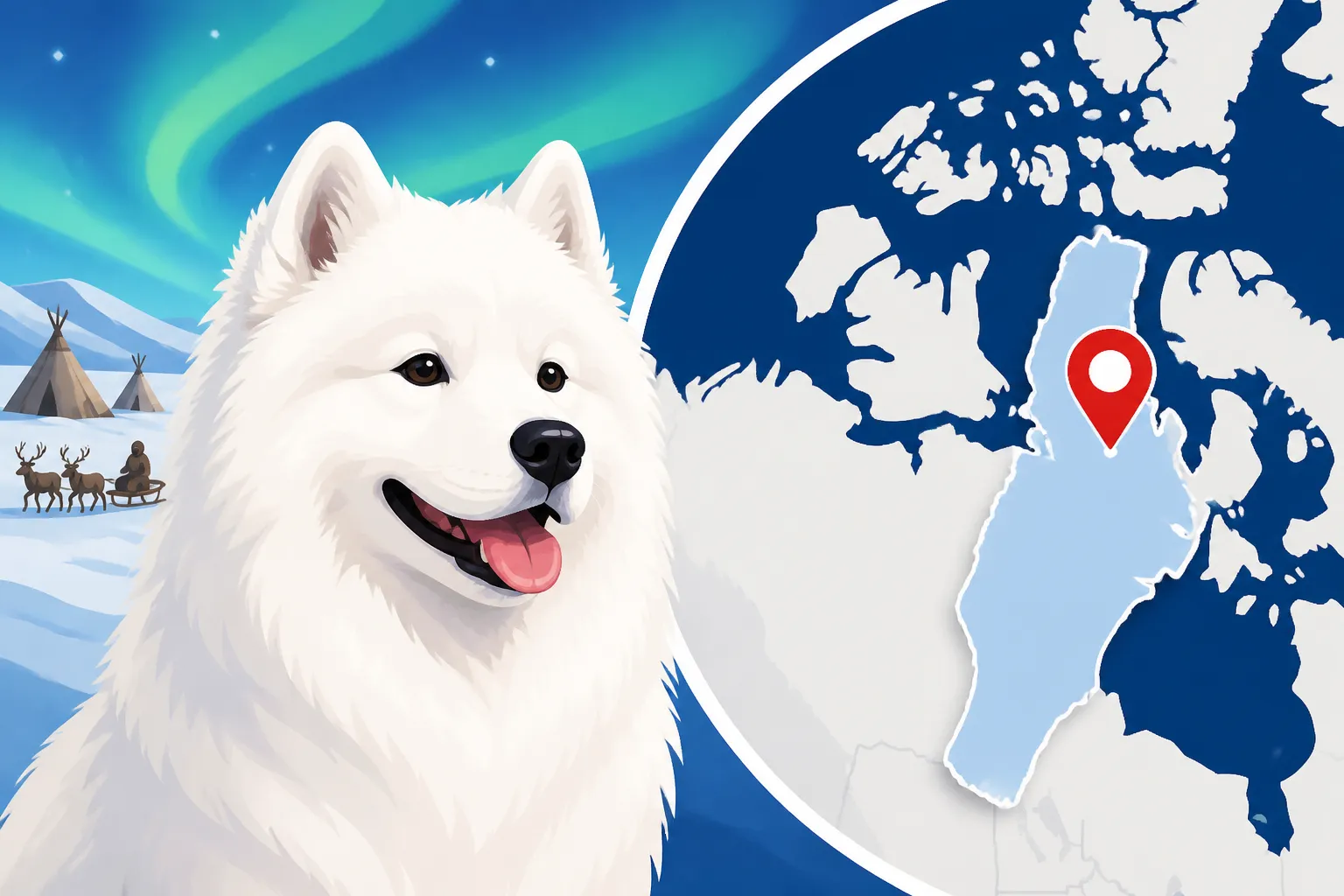
When we talk about the Samoyed's origins, one place stands out above all others: the Yamal Peninsula. This isn't just a geographical point; it's the crucible in which this magnificent breed was forged, a place of profound significance that profoundly influenced every aspect of their being, from their thick coat to their hardy spirit. Understanding this region is key to understanding the Samoyed.
Geographical Isolation and Its Impact on Breed Purity
The Yamal Peninsula, nestled in the far north of Siberia, is a truly formidable place. It's a vast expanse of tundra, stretching over 700 kilometers into the Arctic Ocean, bordered by the Kara Sea to the east and the Baydarata Bay to the west. This isn't a place you stumble upon by accident; its remoteness has historically made it incredibly difficult to access. This geographical isolation played a crucial role in maintaining the purity of the indigenous dogs, which would eventually become our modern Samoyed. For millennia, these dogs lived and bred almost exclusively within the confines of this harsh landscape, with minimal interbreeding from outside populations. This allowed their unique traits, perfectly adapted to the environment and the lifestyle of their human companions, to become deeply ingrained.
Imagine a land largely untouched by modern civilization, where vast distances and unforgiving terrain acted as natural barriers. This meant that the dogs developing here were a closed gene pool, strengthening the characteristics that made them so resilient and valuable. The consistent selection pressures – only the strongest, most intelligent, and most cooperative dogs survived and reproduced – ensured that the Samoyed-type dog was incredibly well-suited to its environment and purpose. This purity is part of what makes the Samoyed such a distinct and ancient breed, with deep roots that stretch back thousands of years. It’s not just a cute origin story; it’s a fundamental part of their genetic makeup.
The Climate That Shaped the Samoyed
If you’ve ever wondered why your Samoyed seems to thrive in cold weather or spends a surprising amount of time strategically placing themselves near air vents, you need only look to the Yamal Peninsula's climate. This region is synonymous with extreme cold. Temperatures can plummet to an astonishing sixty degrees below zero Fahrenheit, and fierce Arctic winds are a constant companion. How Cold It Gets Where the Samoyed Came From is a question easily answered: bitterly, brutally cold for much of the year. The summers are brief, cool, and often damp, offering little respite from the icy grip of winter.
It was this relentless cold that shaped the Samoyed's iconic double coat. The soft, dense undercoat provides incredible insulation, trapping a layer of warm air close to the dog's body, much like a down parka. Over this lies a coarser, longer outer coat of guard hairs that are designed to shed snow and ice, preventing it from penetrating to the insulating layer beneath. This ingenious design is why they can survive and even thrive in conditions that would be deadly for many other breeds. Furthermore, their small, well-furred ears and tail, which curls over their back, are adaptations to prevent frostbite. The famed "Samoyed smile" isn't just charming; it's thought to prevent icicles from forming around their mouths, crucial for a working dog in sub-zero temperatures. Every physical attribute of the Samoyed is a testament to the brutal, beautiful landscape from which they emerged, demonstrating How a Samoyed Survives Sixty Below.
The Indigenous People: The Nenets and Their Canine Companions
To truly understand the Samoyed, one must also understand the Nenets, the indigenous nomadic people of the Yamal Peninsula. The relationship between the Nenets and their dogs was not merely one of master and pet; it was a profound, co-dependent partnership essential for survival in one of the world's most challenging environments. The Samoyed is, in essence, a living legacy of the Nenets' way of life.
A Symbiotic Relationship: More Than Just Dogs, They Were Family
For the Nenets, their dogs were not simply tools or possessions; they were integral members of the family and crucial partners in their nomadic existence. The dogs lived in the chum, the traditional conical tents, alongside their human companions, sharing warmth and protection from the elements. This close proximity fostered an incredibly strong bond, resulting in the Samoyed's characteristic desire to be with their people constantly. The Nenets of the Yamal Peninsula Bred the Samoyed not just for their physical capabilities, but for their loyal and gentle temperament, which allowed them to coexist peacefully within the intimate confines of the family tent.
This deep integration into human family life is why modern Samoyeds often display what we might call "velcro dog" tendencies. They want to be in the same room as you, often follow you from one space to another, and thrive on interaction. Their heritage dictates that their place is with their people, contributing to the communal well-being. This constant companionship meant that the dogs were privy to all aspects of Nenets life, learning to interpret human moods and intentions, and developing an innate empathy that continues to endear them to owners today. It was a relationship built on mutual respect and shared survival, where the well-being of one directly impacted the other.
Daily Life and the Samoyed's Role in Survival
The daily rhythms of Nenets life revolved around their massive herds of reindeer, and the Samoyeds were indispensable to this way of life. From sunrise to sunset, and often through the long, dark Arctic nights, these dogs performed vital tasks that ensured the survival of both the reindeer and the people. What the Nenets Bred the Samoyed to Do was multi-faceted and demanding, requiring intelligence, stamina, and a cooperative spirit.
Their primary role was often herding the reindeer, guiding them across the vast tundra, keeping the herd together, and protecting them from predators like wolves and bears. They were agile and quick, capable of maneuvering through the herd to encourage movement or turn stragglers. Beyond herding, these dogs also served as powerful draft animals. They pulled sleds laden with possessions as the Nenets moved their camps, which they did frequently, following the reindeer's migration patterns. The ability to haul heavy loads over frozen terrain was critical for transport and relocation. Furthermore, by sleeping in the chum, the dogs provided essential warmth, especially for children and the elderly, effectively acting as living, breathing hot water bottles in an environment where every degree of heat counted. Why a Samoyed Slept Among the Family wasn't just about companionship; it was a matter of life and death, highlighting the incredible versatility and importance of these canine partners.
Beyond Herding: The Samoyed's Multifaceted Contributions
While herding reindeer was a cornerstone of the Samoyed's ancient purpose, their role in Nenets society was far more expansive. These dogs were true all-rounders, contributing to survival in various critical ways that showcased their intelligence, strength, and unwavering loyalty. Their versatility is a testament to the careful selection and breeding by the Nenets over countless generations.
Guardians of the Reindeer Herds
The Yamal Peninsula, despite its desolation, is home to formidable predators, primarily wolves and, occasionally, polar bears. Protecting the vast reindeer herds from these threats was a constant, high-stakes endeavor, and the Samoyed dogs were the first line of defense. Their white coats provided camouflage in the snowy landscape, allowing them to blend in while observing their charges. However, their primary method of guarding wasn't stealth, but vigilance and vocalization. They would bark loudly and persistently to alert the Nenets to danger, acting as an early warning system. The Samoyed Scream and Why It Is Not Barking often reflects this inherent alarm system, a vocalization designed to draw attention, not necessarily to confront.
When a predator was spotted, the Samoyeds would work together, barking and circling to deter the threat, sometimes even engaging directly if necessary, though their strategy leaned more towards prevention and alarm than outright attack. Their presence alone was often enough to make a wolf pack think twice about approaching the herd. The Nenets relied heavily on their dogs' keen senses and protective instincts, trusting them implicitly to watch over their most valuable asset. This explains why even today, your Samoyed might be incredibly alert to sounds outside the house, feeling it's their job to announce any perceived intrusion, even if it's just a leaf blowing down the street.
The Original Sled Dog of the North
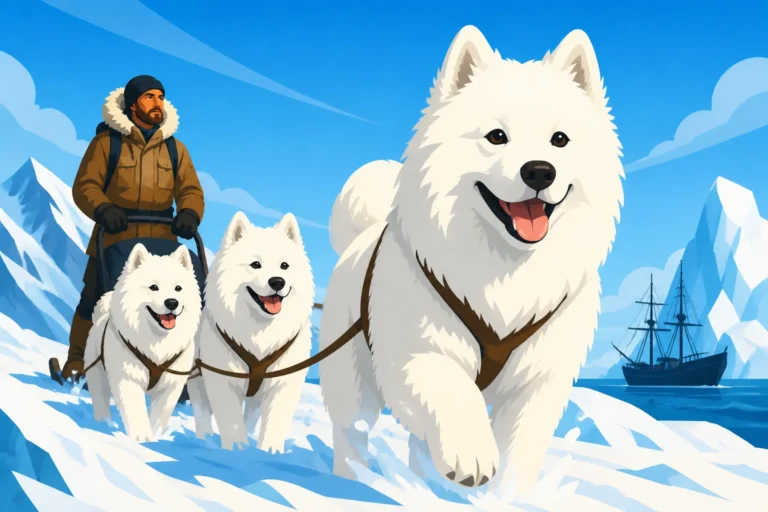
Before the popularization of Siberian Huskies and Alaskan Malamutes as sled dogs in the West, Samoyeds were the quintessential draft animals of the Siberian North. The Nenets were nomadic, constantly moving their settlements to follow the reindeer's grazing patterns. This meant all their belongings – tents, tools, food, and people – had to be transported across vast, often snow-covered distances. This is where the Samoyed's incredible strength and endurance came into play. How a Samoyed Pulled a Sled was by harnessing their natural drive to pull and their sturdy, muscular physique.
They were typically hitched in teams, working cooperatively to haul heavy loads over challenging terrain, often through deep snow and icy winds. Their deep chests and powerful legs allowed them to exert considerable force, while their thick coats protected them from the elements during long journeys. Unlike some later sled dog breeds developed purely for speed, the Samoyed was bred for steady, consistent pulling power and reliability, capable of sustained effort day after day. This heritage is why many modern Samoyeds still possess an innate desire to pull on a leash; it's a deeply ingrained instinct. Providing appropriate outlets, like canine pulling sports or even just a good walk with a front-clip harness from a retailer like Chewy, can satisfy this historical drive.
Warmth in the Yurts
Perhaps one of the most heartwarming, and yet vital, roles of the ancient Samoyed was as a living heater. As mentioned, the Nenets lived in chums which, while offering shelter, could still be incredibly cold in the depths of an Arctic winter. The dogs, with their thick, insulating coats, generated significant body heat. By sleeping huddled together with the human family inside the chum, they provided crucial warmth, especially to the young and old who were most vulnerable to the biting cold. This practice wasn't just for comfort; it was a fundamental aspect of survival.
This practice underscores the intimate bond and mutual dependence between the Nenets and their dogs. The dogs gave their warmth, and in return, they received shelter, food, and companionship. It solidified their status not just as working animals, but as cherished members of the family unit, contributing directly to human comfort and survival. This history explains why your Samoyed might insist on sleeping on your bed, or even under the covers with you; it’s a deep-seated instinct to provide and receive warmth, a legacy from countless generations spent snuggled against their human companions in the icy Siberian nights.
Tracing the Samoyed's Journey from Yamal to the World
The Samoyed breed, as we know it today, didn't stay confined to the Yamal Peninsula. Towards the end of the 19th century and the beginning of the 20th, these remarkable dogs began to capture the attention of Western explorers and enthusiasts, setting them on a path that would take them from their isolated Arctic home to dog shows and family homes across the globe.
Early Encounters with Explorers
The first substantive encounters between the Nenets' dogs and Westerners largely occurred during the era of Arctic exploration. Explorers venturing into the vast, unknown territories of the Russian Arctic soon realized the indispensable value of these hardy, resilient dogs. They observed firsthand the Samoyeds' incredible stamina, their ability to withstand brutal cold, and their cooperative nature, making them ideal companions for treacherous expeditions.
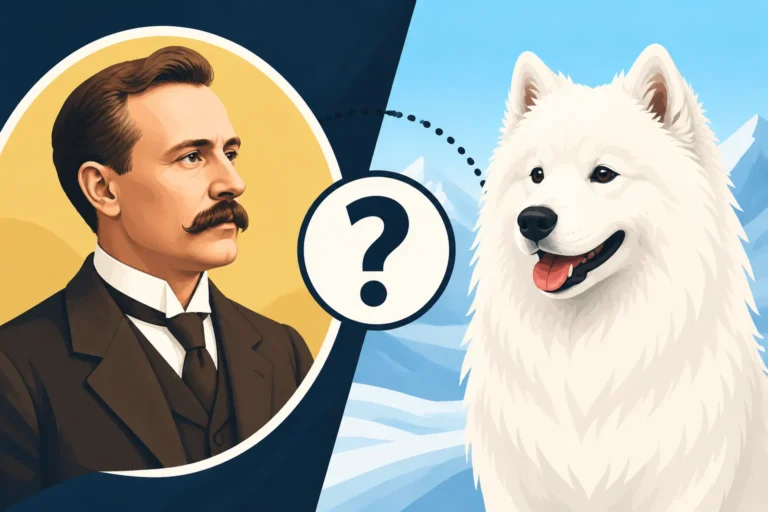
One of the most notable figures in bringing the Samoyed to Western attention was Ernest Kilburn Scott. A British zoologist, Scott spent three months living with the Nenets people in the Archangel Province of Northern Russia in 1889. He was captivated by their dogs and, upon his return to England, brought back several Samoyed-type dogs. These were not all pure white; some were brown, black, or piebald, reflecting the natural variation within the indigenous population. Scott dedicated himself to promoting and standardizing the breed in England, effectively becoming the "father" of the modern Samoyed in the West. His efforts were instrumental in transitioning these working dogs into a recognized and admired breed. Who Brought Samoyeds Out of Siberia details this fascinating chapter in the breed's history. These early imports formed the foundation stock for the Samoyeds we see today, carrying the genetic heritage of the Yamal Peninsula to a new world.
Establishing the Breed in the West
Once introduced to Europe, particularly England, the Samoyed quickly gained admirers. Queen Alexandra herself became an enthusiast, owning several Samoyeds and helping to popularize them among the aristocracy. The breed's striking appearance, friendly demeanor, and exotic origins made them highly desirable. However, the move from working dog to show dog also brought about certain changes, particularly in the emphasis on appearance.
Breed standards were developed, gradually refining the look of the Samoyed to what we recognize today. The pure white coat, while present in the native population, became the preferred color, and traits like the characteristic "smile" and heavily plumed tail were emphasized. Dedicated breeders worked to establish stable bloodlines, ensuring the breed's continued development and health. The Samoyed Club of America was founded, mirroring efforts in other countries to establish the breed. While their primary role shifted from pulling sleds and herding reindeer to becoming beloved companions and show champions, the core temperament and many of the physical attributes forged in the Yamal Peninsula remained. It’s a wonderful testament to their enduring qualities that they transitioned so successfully into such different roles, proving their adaptability and lovable nature.
What This Heritage Means for Modern Samoyed Owners
Understanding the Samoyed's ancient roots on the Yamal Peninsula isn't just a historical curiosity; it's a vital key to unlocking a deeper connection with your modern Samoyed. Their history directly influences their behavior, instincts, and even their physical needs today. Embracing this heritage can help you provide a happier, more fulfilling life for your furry companion.
Understanding Their Instincts
Many of the behaviors that might puzzle or sometimes frustrate a modern Samoyed owner can be directly traced back to their ancestral roles on the Yamal Peninsula. For example, their famed vocalizations – the yips, howls, grumbles, and "Samoyed screams" – are a direct link to their role as alert dogs for the Nenets. They weren't bred to be silent hunters; they were bred to communicate. What a Samoyed Sounds Like When It Talks is often a complex symphony of sounds, all rooted in their history. When your Samoyed is "talking back" to you, they're not necessarily being defiant; they're simply expressing themselves in the way their ancestors communicated for millennia.
Similarly, their propensity for digging can be baffling in a manicured suburban yard. But remember, on the cold tundra, digging was a matter of survival – whether to create a sheltered hollow from the wind, uncover frozen vegetation, or find a cool spot in the brief summer. That instinct to excavate is still very much alive. Providing a designated digging area or sandbox can be a wonderful way to satisfy this natural urge. Their incredible endurance and desire to pull on the leash? That's the sled dog heritage shining through. Understanding these instincts allows us to reframe "problem behaviors" as natural expressions of their breed, guiding us toward more effective and empathetic training and management strategies.
Nurturing Their Unique Needs
The Samoyed's physical and mental well-being are deeply tied to their historical environment. Their magnificent double coat, while beautiful, requires significant care to remain healthy and functional. It was designed for extreme cold and high winds, meaning it's incredibly efficient at insulation. A Samoyed Built for Sixty Below in an American Summer means they are not suited to hot climates without significant accommodations. You'll need to be mindful of their comfort in warmer weather, ensuring they have access to shade, cool water, and ideally, air conditioning. Regular grooming – especially during their biannual "coat blow" – is essential to prevent matting and allow their skin to breathe. A deshedding tool or a visit to a professional groomer, perhaps even using products found on Chewy, is a must.
Beyond physical needs, their intelligent and cooperative nature, honed by centuries of working alongside humans, means they thrive on engagement. A bored Samoyed is often a destructive Samoyed. They need mental stimulation as much as physical exercise. Activities that tap into their natural instincts, such as pulling a cart, scent work, or advanced obedience training, can be incredibly rewarding. They are not dogs content to be left alone for long periods; their history dictates they are part of a pack, a family. Understanding these deeply ingrained needs is paramount to providing a happy, healthy, and fulfilling life for your Samoyed, truly honoring the incredible legacy of their ancient homeland and the people who developed them.
| Trait/Behavior | Ancestral Role on Yamal Peninsula | Modern Manifestation in Pet Samoyed | Management/Understanding |
|---|---|---|---|
| Vocalization | Alerting Nenets to predators, communicating with herd. | Barking, howling, "talking" loudly, sometimes perceived as excessive. | Teach "quiet" cue, understand it's communication, not always defiance. Provide outlets for mental stimulation. |
| Digging | Creating shelters, finding food, staying cool/warm. | Digging in yards, beds, or even carpets. | Provide a designated digging pit. Ensure cool spots in summer. |
| Pulling | Hauling sleds with nomadic camp supplies. | Pulling on leash during walks, high stamina. | Use appropriate harness (front-clip), consider dog sports like canicross or sledding. |
| Close Bond / "Velcro Dog" | Living and sleeping within the family chum for warmth and cooperation. | Following owners everywhere, strong desire for companionship, prone to separation anxiety. | Include them in family activities, positive reinforcement for calm alone time. |
| Thick Coat | Insulation against extreme Arctic cold (-60°F). | Needs extensive grooming, sensitive to heat, sheds heavily. | Regular brushing, professional grooming, avoid shaving, careful heat management. |
| Prey Drive | Herding reindeer, deterring predators. | May chase small animals, needs secure fencing and reliable recall. | Leash walks, secure yard, positive training, avoid off-leash in unsecured areas. |
Disclaimer
This article is for general informational purposes only and does not constitute professional advice. Laws, prices and regulations vary by location and change over time. Consult a qualified professional for guidance on your specific situation.