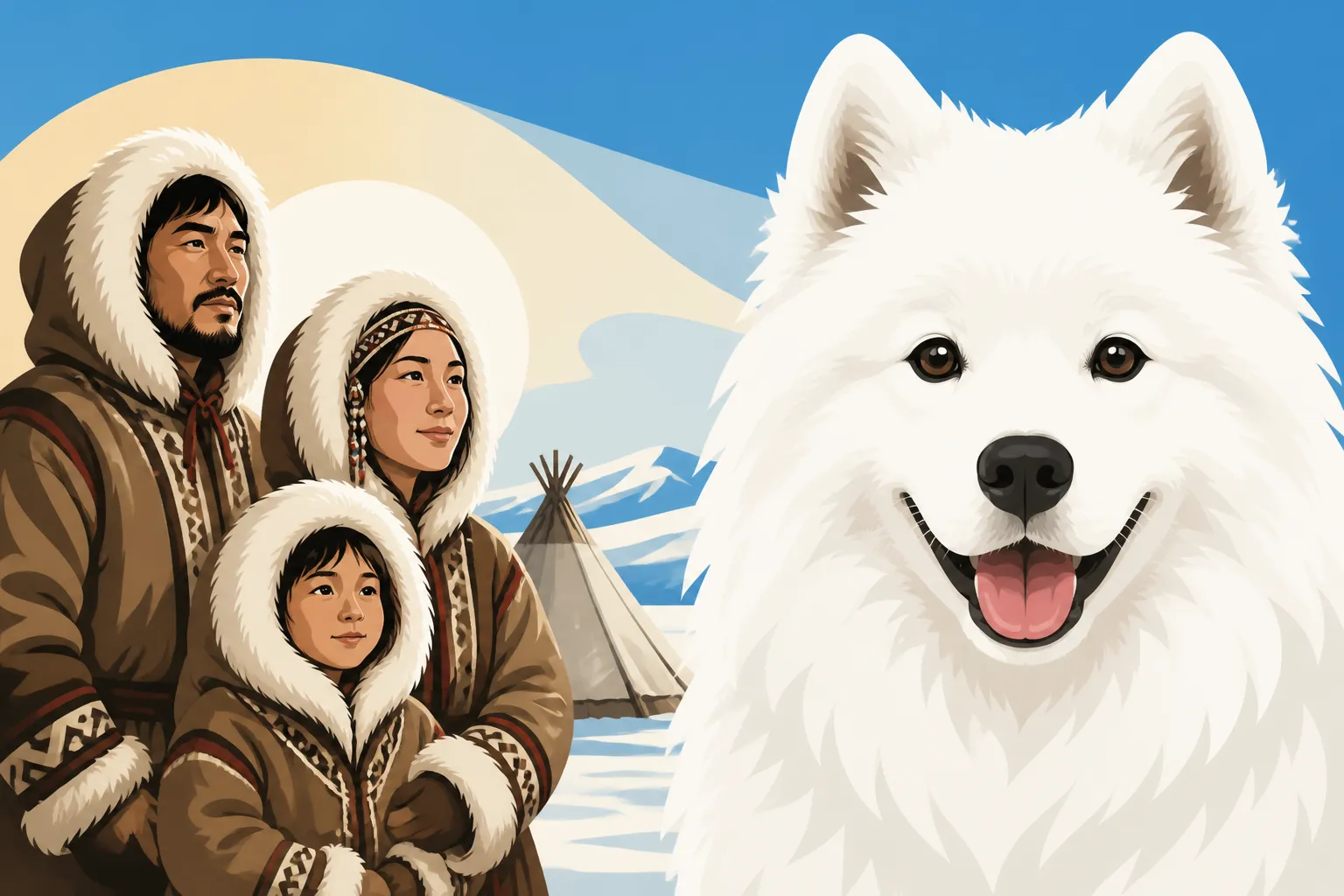
Who the Nenets Who Bred the Samoyed Are
Have you ever looked at your fluffy, smiling Samoyed and wondered where all that joy, intelligence, and stubbornness truly came from? It’s easy to get lost in their beautiful white coat and cheerful demeanor, but beneath that cloud of fluff lies a rich history forged in one of the planet's harshest environments. This guide will take you on a journey to discover the incredible indigenous people who shaped the Samoyed breed as we know it today, revealing how their way of life intrinsically influenced every aspect of your furry companion.
The Indigenous Roots of the Samoyed
The Samoyed isn't just another pretty face in the dog world; this breed is a living historical artifact, a testament to centuries of co-evolution with a specific human culture. When we talk about the Samoyed's origins, we're not just discussing a geographical region; we're talking about a profound, symbiotic relationship with the people who relied on them for survival. These dogs weren't pets in the modern sense; they were vital members of the family and the workforce, essential to daily life in the extreme Arctic conditions. Their very existence was intertwined with the success and survival of their human partners.
A Deep Connection to the Land
Imagine living in a world where the cold bites deep, resources are scarce, and survival hinges on a harmonious relationship with your environment and the animals that sustain you. This was, and to a great extent still is, the reality for the indigenous people of the Siberian tundra. For these communities, dogs weren't a luxury; they were a necessity. They needed animals capable of enduring brutal winters, assisting with hunting and herding, and even providing warmth. The dogs that naturally thrived in this challenging landscape, developing thick coats and resilient constitutions, were the ones that continued to contribute to the gene pool. This constant, natural selection, guided by human need, forged a breed perfectly adapted to its surroundings.
The Samoyed's physical and mental attributes are a direct reflection of this environment and the needs of its people. Their dense double coat, that famous "Samoyed smile" that prevents icicles from forming around their mouth, and their incredible endurance are all traits honed by generations in the unforgiving Arctic. You can see echoes of that ancient landscape in your Samoyed today when they The Digging a Samoyed Does Because It Is Hot in your garden or curl up in the coldest spot they can find.
More Than Just a Dog: A Partner in Survival
The relationship between the Samoyed and its human family was far more profound than simply master and animal. These dogs were collaborators, integral to the family's ability to live off the land. They were active participants in hunts, helped manage livestock, and offered an invaluable source of companionship and warmth in isolation. This close proximity, often sharing sleeping spaces, fostered an unparalleled bond and a deep understanding between species. It instilled in the Samoyed a loyalty and desire for human connection that remains a hallmark of the breed today.
Think about the intelligence and problem-solving skills your Samoyed displays, or their innate ability to read your emotions. These aren't accidental traits; they were cultivated out of necessity. A dog that could understand complex commands, make independent decisions when herding, and alert its family to danger was a dog that helped ensure survival. This deep-seated partnership is why your Samoyed still thrives on being involved in family activities and can sometimes seem to have a mind of its own when it comes to "helping" you around the house. They expect to be a part of things, a legacy from their working past.
The Nenets People: Masters of the Arctic Tundra
To truly understand the Samoyed, we must first understand the people who nurtured and lived alongside them for millennia: the Nenets. These resilient indigenous groups are the original architects of the breed, their culture and livelihood inextricably linked to the qualities we adore in our Samoyeds today. Their way of life didn't just influence the dogs' physical characteristics, but also their temperament, intelligence, and their unique bond with humans.
Who Are the Nenets, and Where Do They Live?
The Nenets are an indigenous Samoyedic people native to northern Arctic Russia. Their traditional lands stretch across the vast and formidable Eurasian Arctic tundra, primarily in the Yamal Peninsula region, which translates fittingly to "The End of the Land." This is a place of endless ice, biting winds, and stark beauty, a landscape that demands incredible resilience from both humans and animals. These people have adapted to this extreme environment over thousands of years, developing a nomadic lifestyle perfectly suited to its challenges. You can explore more about their specific location in Where in Russia the Samoyed Comes From.
The Nenets are known for their deep spiritual connection to nature and their unwavering determination to preserve their traditional culture in a rapidly changing world. They move with the seasons, following the migration routes of their enormous reindeer herds, which form the bedrock of their existence. This constant movement across the vast tundra meant they needed dogs that could keep up, thrive in the cold, and be versatile helpers. The Samoyed, or more accurately, the dogs that became the Samoyed, were their constant companions through every challenge and triumph.
The Traditional Lifestyle: Nomadic Reindeer Herders
The heart of Nenets culture beats with the rhythm of reindeer herding. These aren't small, domesticated herds; we're talking about hundreds, sometimes thousands, of animals. Managing such a vast, semi-wild herd across immense distances requires incredible skill, endurance, and, crucially, the help of highly capable dogs. The Nenets live in conical tents called chooms, which are easily dismantled and reassembled as they follow their reindeer. Their entire existence revolves around these animals, which provide food, clothing, shelter, and transportation.
This nomadic, self-sufficient lifestyle meant that every member of the family, including the dogs, had a role to play. There was no room for passengers; every dog had to earn its keep. This selective pressure naturally favored dogs that were intelligent, trainable, physically robust, and possessed a strong herding instinct. The relationship was one of mutual dependence: the Nenets protected and cared for their dogs, and in return, the dogs helped them survive and prosper. If you’ve ever tried to keep your Samoyed focused on a task, you’ll appreciate the patience and understanding the Nenets must have had to work with these intelligent but often independent animals over centuries.
The Samoyed's Role in Nenets Culture
The Samoyed, in its ancestral form, wasn't just a part of the Nenets' lives; it was deeply woven into the very fabric of their daily existence, playing multiple critical roles that ensured the survival and prosperity of the community. Understanding these roles helps us grasp the deep-seated instincts and behaviors we see in our modern Samoyeds today.
Herding the Reindeer: The Samoyed's Primary Job
Perhaps the most iconic and crucial task for the Samoyed dogs was herding reindeer. Unlike some herding breeds that nip and drive, the Samoyed-type dogs worked differently. They used their presence, their barks, and their ability to encircle and gather the herd, keeping them together and guiding them across the vast, open tundra. Imagine a massive herd of reindeer, spreading out to graze, and a handful of dogs working tirelessly to keep them contained and moving in the right direction. This required incredible stamina, intelligence, and a deep understanding of their handlers' subtle cues. This is exactly How a Samoyed Herded Reindeer.
The dogs were essential for daily management, preventing strays, and helping the Nenets locate animals in whiteout conditions. They were the original "flock guardians," albeit in a slightly different manner than some other breeds. Their methods were about cooperative guidance rather than aggressive control, a testament to their inherent gentleness combined with unwavering dedication. This ancient instinct is often still evident when your Samoyed tries to "herd" your children or other pets into a group, or even circles you gently during playtime. It's a reminder of The Herding Instinct Nobody Expects From a Samoyed.
Companionship and Warmth in the Choom
Beyond their practical working abilities, the Samoyed dogs provided invaluable companionship and warmth. In the harsh Arctic nights, a warm body was a precious commodity. It wasn't uncommon for the dogs to sleep inside the choom, nestled among the family members, sometimes even directly with the children. This practice wasn't merely for comfort; it was a matter of survival, providing crucial body heat in sub-zero temperatures. This intimate cohabitation fostered an incredible bond and a trusting relationship.
This history of close companionship is a fundamental reason why your Samoyed today has such a strong desire to be near you. They are not content to be isolated in a backyard kennel; they thrive on being an integral part of the family, Why a Samoyed Wants to Be in the Room With You. They want to be wherever you are, often following you from room to room. This deeply ingrained need for proximity and connection is a direct legacy of their ancestors' role in providing comfort and warmth in the Nenets' homes. Ensuring your Samoyed has a comfortable bed inside, perhaps a cozy option from Chewy, honors this ancestral need for closeness.
Guardians Against Predators
While not primarily guard dogs in the sense of being aggressive protectors of property, the Samoyed-type dogs certainly played a vital role in alerting the Nenets to danger. The Arctic is home to formidable predators such as wolves and bears, which posed a constant threat to the reindeer herds and the Nenets themselves. The dogs' keen senses and vocal nature made them excellent early warning systems. How Samoyeds Guarded the Herd From Wolves was not typically through direct confrontation, but by raising the alarm, giving the Nenets time to react and protect their valuable livestock.
This ancestral role contributes to the Samoyed's often vocal nature today. While your Samoyed might not be warding off wolves, their characteristic "Samoyed scream," alert barks, and tendency to "talk" to you are all expressions of an instinct to communicate and protect their family unit. They might alert you to the mail carrier or a squirrel in the yard with the same intensity their ancestors used for a predator approaching the choom.
The Legacy of Nenets Breeding
The incredible bond and working relationship between the Nenets people and their dogs weren't accidental. It was a centuries-long process of both natural selection and careful, albeit informal, breeding that honed the Samoyed's distinctive traits. Every characteristic we admire in our modern Samoyeds can be traced back to the specific needs and environment of the Nenets.
Natural Selection and Purposeful Rearing
In a harsh environment where survival was paramount, only the strongest, healthiest, and most adaptable dogs thrived. This meant that dogs with genetic predispositions to debilitating diseases or those unable to cope with the extreme cold simply wouldn't survive long enough to reproduce. Beyond natural selection, the Nenets undoubtedly engaged in a form of purposeful rearing. They would have favored dogs that were good herders, gentle with children, loyal to their family, and efficient sled pullers when needed. While they didn't have modern breed registries or selective breeding programs, their daily needs served as the ultimate breeding criteria.
For example, a dog that was too aggressive might have been unsuitable for sleeping inside the choom with children. A dog that couldn't handle the cold, or suffered from conditions like Hip Dysplasia in a Samoyed or Eye Disease and the Samoyed's Retina, would be a liability, not an asset. This constant, practical evaluation meant that only the best examples of the Samoyed type were allowed to pass on their genes. This natural and purposeful selection created a robust, adaptable, and inherently good-natured breed.
Traits Passed Down Through Generations
The traits that made these dogs indispensable to the Nenets are the very ones that define the Samoyed today. Let's look at a few:
- The Double Coat: Essential for insulation against extreme cold, reflecting heat in summer, and shedding water. Your Samoyed's glorious fluff isn't just for show; it's a meticulously engineered survival tool.
- Endurance and Strength: Built for long journeys across the tundra, pulling sleds with supplies or helping herd reindeer. This is Pulling: What a Samoyed Was Actually Bred to Do, and why your Samoyed needs plenty of exercise and can excel in dog sports.
- The "Samoyed Smile": This isn't just cute; the upward curl of their lips helps prevent icicles from forming around their mouth, which could cause frostbite and discomfort in sub-zero temperatures.
- Sociable and Gentle Temperament: Their role as close companions, sleeping with families and children, meant that aggression was undesirable. This fostered the gentle, friendly disposition Samoyeds are renowned for.
- Intelligence and Independence: Capable of making decisions while herding and understanding complex tasks, yet often with an independent streak. This is why Training a Samoyed That Finds Obedience Negotiable can sometimes feel like a negotiation!
These characteristics were not just physical; they were deeply ingrained behavioral patterns that ensured the success of both dog and human in their shared environment.
The Impact on the Modern Samoyed
It's truly remarkable how centuries of living alongside the Nenets have shaped the Samoyed into the beloved companion we know today. Many of their endearing — and sometimes challenging — behaviors are direct echoes of their ancestral roles and the environment they were bred for. Understanding this heritage can help us appreciate and better manage our modern Samoyeds.
Why Your Samoyed Still Loves to Herd
Even if your Samoyed has never seen a reindeer, that deep-seated herding instinct is still very much alive. You might observe it in unexpected ways: your Samoyed might try to gently nudge family members together, particularly children, or even your other pets. They might enjoy games where they "round up" toys or exhibit a strong desire to keep everyone in their "flock" (your family) within sight. This isn't misbehavior; it's a genetic blueprint from their past.
This instinct means they often thrive on having a job to do. While they might not be herding reindeer, engaging them in activities like Whether a Samoyed Can Do Agility, rally obedience, or even advanced trick training can tap into that need to work and solve problems. Providing appropriate outlets for their intelligence and energy, perhaps with puzzle toys or durable chew toys from a place like Chewy, can prevent them from finding less desirable ways to occupy themselves, like re-landscaping your yard.
The Unshakeable Bond with Humans
The constant companionship and mutual dependence with the Nenets people have instilled in the Samoyed an incredible, almost magnetic, pull towards their human family. These are not dogs that are content to be left alone for long stretches, relegated to a solitary existence. They want to be with you, involved in everything you do. This intense desire for connection is why they are often described as "velcro dogs," following you from room to room, settling at your feet, or demanding cuddles.
This strong bond can sometimes manifest as Separation Anxiety in a Samoyed if they are left alone too often or for too long without proper preparation. They truly consider themselves a part of the family unit, and being excluded can be genuinely distressing for them. Providing plenty of quality time, interactive play, and consistent routines helps fulfill this inherent need for connection. A comfortable dog bed, like those often found at Chewy, placed strategically where your Samoyed can be near the family, acknowledges this deep-seated desire for closeness and reassurance.
The Instinct to Vocalize and Protect the Herd
The Samoyed's unique vocalizations, from their characteristic "Samoyed scream" to their wide range of barks, howls, and grumbles, are a direct link to their past as alert systems for the Nenets. While your Samoyed might not be warning you of an approaching wolf, they will certainly let you know when the mail carrier is at the door, a squirrel is in the yard, or even when they simply feel you aren't paying enough attention to them. The Samoyed Scream and Why It Is Not Barking is a fascinating example of how a survival mechanism evolved into a distinct breed trait.
This vocal nature, coupled with their protective instinct towards their family (their modern "herd"), means they are excellent watchdogs in the sense of alerting you to anything unusual. They might not be aggressive, but their imposing presence and loud announcements are usually enough to deter any casual intruder. Understanding that this vocal tendency is deeply ingrained, rather than just a bad habit, can help you approach training with more patience and empathy, focusing on teaching them appropriate times and ways to express themselves.
| Nenets' Need/Environment | Samoyed Ancestral Trait | Modern Samoyed Trait/Behavior |
|---|---|---|
| Extreme Arctic Cold | Dense double coat, ability to withstand sub-zero temps | Plush, insulating coat; love for snow; prone to overheating in heat |
| Nomadic Reindeer Herding | Endurance, intelligence, strong herding instinct | High energy needs, loves to "herd" family/pets, excels in dog sports |
| Close Quarters in Choom | Sociable, gentle, craves human companionship, provides warmth | "Velcro dog," devoted family member, thrives on closeness, good with kids |
| Predator Alert (Wolves, Bears) | Vocal nature, keen senses, protective instinct | Barks at strangers/new sights/sounds, alerts to visitors, "Samoyed scream" |
| Pulling Sleds/Supplies | Strength, stamina, willingness to pull | Enjoys pulling activities (skijoring, carting), strong leash pullers |
| Limited Resources | Efficient metabolism, adaptable appetite | Can be prone to weight gain if overfed, often food-motivated |
Disclaimer
This article is for general informational purposes only and does not constitute professional advice. Laws, prices and regulations vary by location and change over time. Consult a qualified professional for guidance on your specific situation.