Why a Samoyed Slept Among the Family
One of the most heartwarming aspects of living with a Samoyed is their intense desire to be right there with you, always. If you've ever wondered why your fluffy friend insists on following you from room to room, curling up at your feet while you work, or even trying to sneak onto your bed, it's not just a quirk – it's a deeply ingrained behavioral trait with roots stretching back thousands of years. This guide will explore the fascinating history of the Samoyed's role as a family companion, revealing why they historically slept among their human families and how that ancient past still shapes the loving, clingy, and utterly charming dogs we adore today.
The Harsh Realities of Ancient Arctic Life
Imagine a world where survival hinged on every decision, every resource, and every living being's contribution. For the nomadic Nenets people of Siberia, the ancestors of our beloved Samoyeds were not merely tools for pulling sleds or herding reindeer; they were indispensable partners in a brutally unforgiving environment. Life was lived on the edge, battling extreme cold, scarcity, and constant threats, and in such conditions, every bond counted for survival.
The Nenets and Their Nomadic Existence
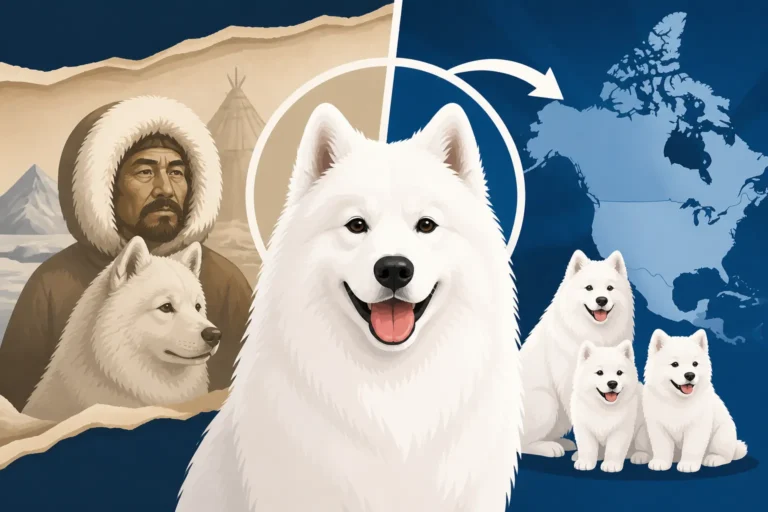
The Nenets, an indigenous people of northern Russia, lived a life dictated by the seasons and the movements of their reindeer herds. Their existence was nomadic, requiring them to pack up their chum (a conical tent similar to a tipi) and move frequently across the vast, frozen tundra. This constant migration meant that every possession, every animal, and every family member had to be hardy and self-sufficient, yet also capable of working together seamlessly. Dogs were not kept at a distance in kennels or separate structures; they were an integral part of the daily rhythm, from the moment the family woke until they laid down to sleep. This close-knit existence meant that the dogs were always underfoot, always observed, and always involved. You can learn more about their original breeders in The Nenets of the Yamal Peninsula Bred the Samoyed.
The Unforgiving Siberian Climate
The regions where the Samoyed breed originated, like the Yamal Peninsula, are among the coldest inhabited places on Earth. Temperatures could plummet to sixty degrees below zero, bringing with them howling blizzards and endless nights. In such an extreme climate, warmth was not a luxury; it was a non-negotiable requirement for survival. Houses, as we know them, didn't exist for these nomadic people; their chum was their only shelter. And within this shelter, every available source of heat was cherished and utilized. The Samoyed's incredible double coat was legendary for its insulating properties, a testament to its adaptation to these harsh conditions. It truly highlights How a Samoyed Survives Sixty Below.
The Chum: A Shared Sanctuary from the Storm
It's hard for us in our modern, heated homes to truly grasp the critical importance of a shared tent in the face of such bitter cold. But for the Nenets, their chum was the epicenter of their world, a compact haven where human and dog lived side-by-side, sharing not just space, but vital warmth and protection. The idea of keeping a working dog outside in these conditions would have been absurd, if not suicidal, for both dog and owner.
Mutual Warmth: A Lifesaving Exchange
One of the most practical and compelling reasons for Samoyeds to sleep inside the chum was for mutual warmth. Imagine a small tent, insulated by reindeer hides, with a central fire. Adding several fluffy Samoyeds, each radiating body heat, made a significant difference to the internal temperature. These dogs, with their thick double coats, were essentially living, breathing heat packs. For the Nenets, and especially for their children, huddling close to a Samoyed wasn't just comforting; it could mean the difference between life and frostbite. This wasn't a choice based on affection alone, but a fundamental survival strategy that ensured everyone made it through the night. The dogs provided a natural, renewable source of heat that required no extra fuel, a precious commodity on the tundra.
Early Warning and Protection
Beyond warmth, the Samoyeds served as an invaluable early warning system and protector within the chum. Living so closely, they were acutely aware of any changes in their environment. The softest crunch of snow outside, the rustle of an approaching animal, or the distant howl of a wolf would immediately alert the dogs. Their keen senses of hearing and smell, honed over generations in the wild, meant they could detect danger long before their human companions. A low growl, a subtle shift in their posture, or an alert ear twitch would wake the family, giving them precious time to prepare. This vigilance protected the family not only from predators like wolves or bears but also from rival tribes or unexpected natural hazards. This ancient role as a sentinel contributed to their observant nature even today.
The Original Family Dog
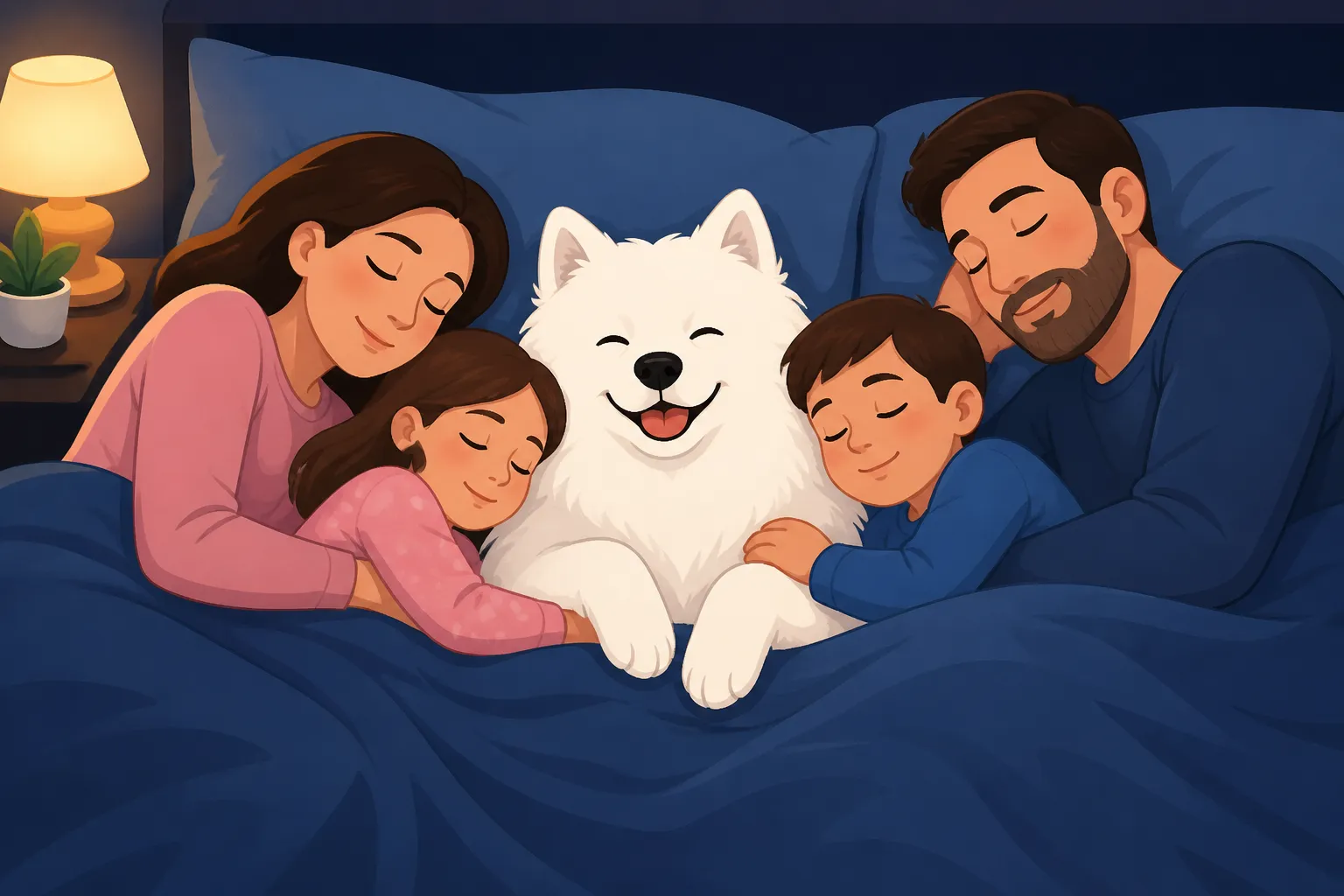
Because of this constant, close proximity, Samoyeds were arguably one of the original "family dogs." They weren't just working animals; they were woven into the very fabric of family life. Children grew up sleeping nestled among them, developing an unbreakable bond. The dogs watched over the young ones, tolerating their clumsy affection and becoming playmates. This close interaction from puppyhood established a deep trust and understanding between humans and dogs that few other breeds experienced to the same degree. This is why when we talk about The Household a Samoyed Was Built For, it's always one that includes them as an integral part, not just an outdoor accessory.
Developing the Deep Bond: Why Proximity Mattered
The practice of living and sleeping side-by-side for centuries profoundly shaped the Samoyed's temperament and emotional makeup. It wasn't just about physical survival; it was about the forging of a unique psychosocial connection that endures in the breed to this day. This constant interaction fostered traits of loyalty, affection, and a strong desire for companionship that are characteristic of the modern Samoyed.
Co-Evolution and Mutual Trust
Over generations, this symbiotic relationship led to a co-evolution of sorts. The dogs that were most tolerant, affectionate, and responsive to humans were the ones most likely to thrive and pass on their genes. Similarly, humans learned to trust and rely on their canine partners implicitly. This wasn't a master-and-servant dynamic; it was a partnership of equals in the struggle for existence. The Samoyed learned to read human cues, and humans learned to interpret the subtle signals of their dogs. This mutual understanding formed the bedrock of the breed's famously gentle and people-oriented nature. It’s a testament to thousands of years of shared experience.
The Samoyed Smile: A Byproduct of Companionship
Many believe that the iconic "Samoyed smile"—that upward curl of their lips—is a direct result of their close interaction with humans. When a dog spends its entire life living in such intimate proximity to people, facial expressions become a more nuanced form of communication. A naturally happy or amiable expression could have been favored, both consciously and unconsciously, by the Nenets. Beyond mere aesthetics, the upturned corners of their mouths also served a practical purpose in the extreme cold, preventing drool from freezing into painful icicles. So, their perpetually cheerful appearance is both a functional adaptation and a beautiful byproduct of millennia of close human companionship. No wonder Why the Samoyed Smiles is such a popular question!
A Deep Need for Connection
This long history of living as an integral part of the human family means that modern Samoyeds have an innate, powerful need for connection. They genuinely want to be with their people. They don't just tolerate companionship; they crave it. This isn't clinginess in an unhealthy sense, but rather a reflection of their historical role. They were never solitary animals; their survival depended on being part of a group, both human and canine. This deeply embedded desire for companionship explains why they might follow you to the bathroom or insist on being in the same room, even if they're just napping. They're simply fulfilling a primal urge to be part of the "pack."
The Enduring Legacy: How History Shapes Your Sammy Today
Understanding the Samoyed's ancient role as a tent-dwelling companion is crucial for any owner today. It explains so much about their personality, their needs, and even some of their quirks. Their history dictates that they thrive when integrated into family life and can struggle if left isolated.
The Affectionate, People-Oriented Nature
Your Samoyed's gentle, loving, and notoriously friendly disposition isn't an accident; it's a direct inheritance from their ancestors who lived intimately with people. They were bred to be amiable, trustworthy partners, not aggressive guardians. This is why they often greet strangers with wagging tails and enthusiastic leans, rather than suspicion. Their instinct is to connect and be part of the group. If you've ever felt like your Samoyed is practically reading your mind, it's because generations of co-living have instilled in them a sensitivity to human moods and behaviors. This makes them wonderful companions, always ready to offer a comforting nudge or a happy grin.
The Struggle with Solitude: Separation Anxiety
Given their history, it's no surprise that many Samoyeds struggle with being left alone for long periods. What we might call "separation anxiety" today was simply not a part of their ancestral life. A Nenets family might leave the tent to herd reindeer, but there was always movement, activity, and other dogs around. Being truly isolated and quiet for hours on end is completely foreign to their genetic programming. This can manifest as destructive chewing, excessive barking (or the famous Samoyed scream, discussed in The Samoyed Scream and Why It Is Not Barking), or even house-soiling. They're not being naughty; they're genuinely distressed by the lack of human connection. Providing ample mental and physical stimulation, along with gradual training, is key to helping them cope. For those times you need to leave them for a bit, providing enrichment toys from places like Chewy can make a huge difference in keeping their minds busy.
The Need for "Being in the Room With You"
That constant shadowing, that quiet presence by your feet, or the way they nudge your hand for a pet while you're focused on something else – it's all part of their deep-seated desire to be involved. Why a Samoyed Wants to Be in the Room With You isn't just about getting attention; it's about being part of the family unit. They feel safest and most content when they are physically close to their people. This means Samoyeds are generally not content to be backyard dogs or to spend hours unsupervised in a separate room. They thrive on interaction, conversation, and simply existing in the same space as you. Their presence is a constant reminder of their ancestral role as an integral member of the human family.
Nurturing the Family Dog: Meeting Your Samoyed's Innate Needs
Recognizing and respecting your Samoyed's historical blueprint is the first step in providing them with a happy, fulfilling life in the modern world. Their needs are deeply rooted in their past, and understanding this allows us to create an environment where they can truly flourish. It's about more than just food and shelter; it's about meeting their emotional and social requirements.
Integration into Family Life
The most important thing you can do for your Samoyed is to truly integrate them into your family life. This means allowing them to be inside with you, participating in daily activities, and receiving plenty of affection and attention. Whether it's letting them curl up on the couch (if allowed!), accompanying you on errands, or simply being present while you cook dinner, these moments reinforce their sense of belonging. They are not content to be isolated pets; they want to be your shadow, your confidant, your furry family member. This is particularly important because How a Samoyed Hides Illness Behind a Smile means close observation is key to their health.
Providing Companionship and Engagement
Because of their strong desire for companionship, Samoyeds benefit immensely from consistent interaction. This doesn't mean you need to be playing fetch constantly, but rather engaging with them mentally and physically throughout the day. Regular walks, training sessions, and playtime are vital. Puzzle toys filled with treats, available from retailers like Chewy, can provide mental stimulation when you're busy. Even simply talking to them, acknowledging their presence, and offering gentle pets contributes to their well-being. This constant engagement mirrors the varied, interactive life they would have had with the Nenets.
Managing Separation Thoughtfully
While completely preventing a Samoyed from being alone isn't always feasible in modern life, we can certainly minimize their distress. Crate training can provide a safe, den-like space for short periods, and always ensure they have engaging toys or long-lasting chews. Build up alone time gradually, starting with just a few minutes, then increasing. Consider dog walkers or doggy daycare if you have a demanding work schedule. Another key aspect is ensuring they get enough physical and mental exercise before you leave, so they are more likely to rest contentedly in your absence. Remembering that their need for company is hardwired makes it easier to approach their separation struggles with empathy rather than frustration. They just want to be with their person, a trait deeply woven into How a Samoyed Bonds to One Person.
Here’s a table summarizing the ancient purpose and modern implication of the Samoyed's family integration:
| Ancient Purpose (Nenets Era) | Modern Implication (Today) | How We Meet the Need Today |
|---|---|---|
| Mutual Warmth | Deep need for physical closeness and companionship. | Allowing dogs indoors, shared family spaces, cuddles. |
| Early Warning & Protection | Alert nature, sensitivity to surroundings, vocalization. | Consistent training, socialization, appropriate boundaries. |
| Social Co-Existence | Strong desire for human interaction, gentle temperament. | Daily walks, playtime, training, involving them in activities. |
| Integral Family Member | Struggles with solitude, prone to separation anxiety. | Gradual alone-time training, enrichment toys, dog walkers. |
| Reading Human Cues | Highly empathetic, responsive to owners' moods. | Building strong communication through positive reinforcement. |
Conclusion
The enduring image of a Samoyed smiling happily, curled up at your feet, isn't just a charming picture; it's a living testament to thousands of years of shared history. From the frigid Siberian tundra, where they were literally lifesavers and family members nestled within the chum, to our warm, modern homes, the Samoyed's essence remains unchanged. They are, at their core, dogs who thrive on connection, companionship, and being an integral part of their human family. Understanding this ancient heritage allows us to appreciate their unique personality even more deeply and to provide them with the loving, integrated life they were truly bred for.
Disclaimer
This article is for general informational purposes only and does not constitute professional advice. Laws, prices and regulations vary by location and change over time. Consult a qualified professional for guidance on your specific situation.