Signs a Samoyed Has Pancreatitis
It's incredibly distressing when your sweet Samoyed isn't feeling quite right, especially since these fluffy cloud dogs are so prone to hiding their discomfort behind that famous smile. Pancreatitis, an inflammation of the pancreas, can strike without much warning and, if left unchecked, can become very serious. This guide will walk you through the subtle, and sometimes not-so-subtle, signs that your beloved Samoyed might be suffering from pancreatitis, helping you recognize when it’s time to head to the vet.
Understanding Pancreatitis in Samoyeds
When we talk about pancreatitis, it sounds scary, and frankly, it can be. But understanding what's happening inside your Samoyed's body is the first step toward recognizing the signs and getting them the help they need.
What Exactly is Pancreatitis?
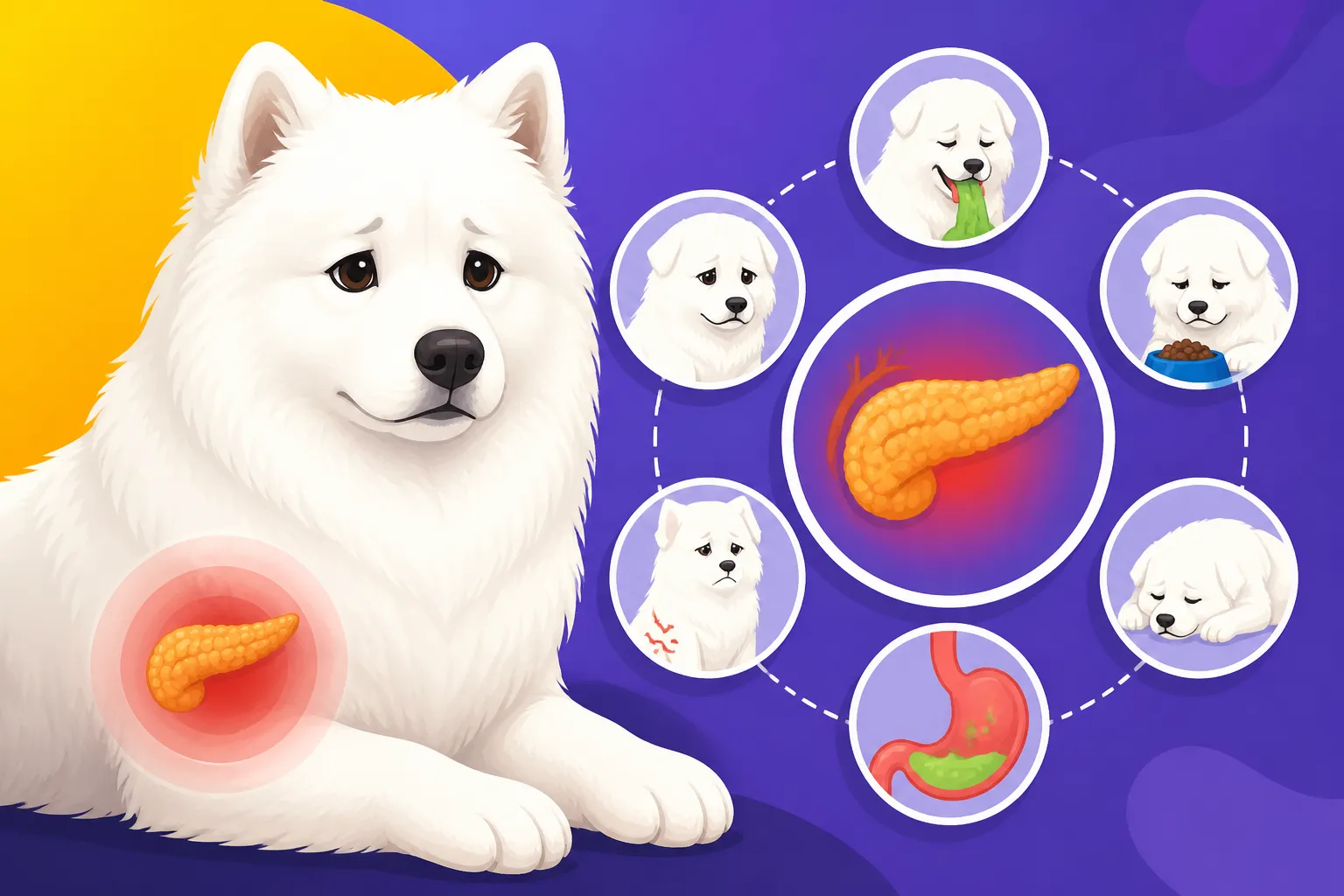
Imagine a small, vital organ tucked away behind your Samoyed's stomach, near the small intestine. That's the pancreas, and it has two really important jobs. First, it produces enzymes that help your Samoyed digest food, particularly fats and proteins. Without these enzymes, food wouldn't break down properly, and your dog wouldn't get the nutrients they need. Second, it produces hormones like insulin, which regulate blood sugar. When everything is working smoothly, it's a silent hero, quietly doing its job.
Pancreatitis happens when the pancreas becomes inflamed. Instead of the digestive enzymes staying safely within the pancreas until food arrives in the small intestine, they activate prematurely inside the pancreas itself. This essentially means the pancreas starts to digest itself, leading to pain, swelling, and damage. It's an incredibly painful condition, and it can range from a mild, acute flare-up to a severe, life-threatening emergency. Sometimes, it can even become a chronic, ongoing issue that requires long-term management.
Why Are Samoyeds Susceptible?
While pancreatitis can affect any dog, some breeds, including our beautiful Samoyeds, seem to have a higher propensity for it, though perhaps not as famously as Miniature Schnauzers. The exact reason for this breed-specific susceptibility isn't always clear, but it often boils down to a combination of factors, including diet, genetics, and lifestyle.
One of the biggest culprits for triggering pancreatitis in Samoyeds, and dogs in general, is a high-fat meal. Think about that delicious leftover steak fat you might be tempted to give your dog, or a fatty piece of bacon. While it might seem like a treat, for a Samoyed, such a rich, unaccustomed meal can send their pancreas into overdrive, leading to inflammation. It's why we always recommend being incredibly careful with human foods, especially those high in fat. We've written a whole piece on Whether a Fatty Meal Triggers Samoyed Pancreatitis because it's such a common concern. Keeping your Samoyed at a healthy weight is also crucial, as obesity can be a contributing factor. A lean Samoyed is generally a healthier Samoyed.
Recognizing the Subtle Early Warning Signs
Samoyeds are famously stoic. They're bred to withstand harsh Arctic conditions, and part of that resilience means they often hide pain or illness until it's quite advanced. This makes recognizing the early, subtle signs of pancreatitis even more critical for Samoyed owners.
Gastrointestinal Upset Beyond a Tummy Ache
Almost every dog experiences a "tummy ache" now and then – a bit of vomiting or diarrhea that resolves quickly. But with pancreatitis, these signs are often more severe, persistent, and accompanied by other indicators that signal something more serious is going on.
You might notice frequent or even projectile vomiting. It's not just a one-off regurgitation, but repeated episodes that suggest significant discomfort. The vomit itself might contain undigested food, bile, or even foam. Following this, or sometimes instead of it, your Samoyed could develop severe diarrhea. This diarrhea is often watery, can have an unusually foul odor, and sometimes appears greasy or yellowish, which is a tell-tale sign of maldigestion, particularly of fats. Another significant red flag is a sudden and complete loss of appetite. Your usually food-motivated Samoyed might turn their nose up at even their favorite treats, which is a definite cause for concern. They might also appear extremely nauseous, perhaps drooling excessively or licking their lips constantly, even if they aren't actively vomiting. This level of persistent gastrointestinal distress warrants a call to your vet.
Behavioral Changes and Discomfort
Because Samoyeds are so good at masking their pain, you need to be a detective, observing any shift in their normal happy-go-lucky demeanor. A sudden change in behavior can be the most reliable indicator that something is truly amiss.
One of the classic signs of abdominal pain in dogs, including Samoyeds, is the "praying position." This is where they stand with their hind end up in the air, but their front legs and chest are lowered to the ground, almost like a bow. They're trying to stretch their abdomen to relieve pressure. They might also be incredibly restless, constantly shifting positions, unable to get comfortable, or conversely, they might become unusually lethargic and withdrawn, wanting nothing more than to curl up alone and not be disturbed. When you try to touch their abdomen, they might flinch, growl, or even snap, indicating severe pain. This protective reaction is particularly alarming in typically gentle Samoyeds. It's a stark reminder that How a Samoyed Hides Illness Behind a Smile means we need to be extra vigilant and understand their baseline behavior intimately. Any deviation, especially when paired with the GI signs, should not be ignored.
Other Physical Indicators
Beyond the more obvious gastrointestinal and behavioral signs, there are other physical clues that can point to pancreatitis. These might be less specific but, when seen in combination with other symptoms, help paint a clearer picture for your veterinarian.
One common sign is a fever. Your Samoyed might feel unusually warm to the touch, especially around their ears or belly, or their nose might be dry and hot. Conversely, in severe cases, shock can lead to a dangerously low body temperature. Dehydration is also a concern with persistent vomiting and diarrhea. You can check for dehydration by gently lifting the skin on their back or neck; if it's slow to snap back into place, they might be dehydrated. Their gums might appear tacky or dry instead of moist and pink. Their overall appearance can also change; they might look dull, their beautiful coat losing its luster, and their eyes might appear sunken. Some Samoyeds might even develop jaundice, where their gums or the whites of their eyes take on a yellowish tint, though this is less common and usually indicates a very severe, complicated case. Remember, early detection of these combined symptoms is key.
When to Seek Veterinary Attention Immediately
Pancreatitis can escalate quickly, so knowing when to drop everything and head straight to the emergency vet is paramount. Don't second-guess yourself if your Samoyed's condition seems to be worsening rapidly.
The Urgency of Severe Symptoms
While all signs of pancreatitis warrant a vet visit, certain symptoms are absolute emergencies. If you observe any of these, don't wait for your regular vet to open; find the nearest animal emergency hospital.
These critical signs include persistent, uncontrollable vomiting that doesn't let up, severe and continuous abdominal pain (your Samoyed might be vocalizing, whimpering, or reacting aggressively to any touch), or signs of collapse or extreme weakness. If your Samoyed is unable to stand, is disoriented, has pale gums, or their breathing is labored and rapid, these are all indicators of a medical crisis. Rapid deterioration within a few hours, where they go from just seeming a bit off to being severely ill, demands immediate intervention. The longer severe pancreatitis goes untreated, the higher the risk of serious complications, including organ failure, sepsis, and even death. It’s better to err on the side of caution every single time.
What Your Vet Will Do
When you arrive at the clinic, your vet will conduct a thorough physical examination, checking for tenderness in the abdomen, assessing hydration, and taking your Samoyed's temperature. They'll also want to know all the details of your dog's symptoms, how long they've been occurring, and any recent dietary changes.
The diagnostic process usually involves several tests. Blood work, including a complete blood count (CBC) and a chemistry panel, will check for inflammation, infection, and how other organs might be affected. The most specific test for pancreatitis is often a canine pancreatic lipase immunoreactivity (cPLI) test, which measures a specific enzyme produced by the pancreas. An elevated cPLI level is a strong indicator of pancreatitis. Your vet might also recommend an abdominal ultrasound, which allows them to visualize the pancreas directly, assess its size, look for inflammation, fluid accumulation, or other abnormalities. While a diagnosis can sometimes be tricky to confirm definitively, these tests provide the best picture of what’s happening internally.
Managing Pancreatitis and Long-Term Outlook
Treatment for pancreatitis primarily focuses on supportive care and alleviating pain while giving the pancreas time to heal. This often means hospitalization, especially for acute or severe cases.
Your Samoyed will likely receive intravenous (IV) fluids to correct dehydration, flush out toxins, and support circulation. Pain management is crucial, so strong pain medications will be administered to keep them comfortable. Anti-nausea medications are also common to stop vomiting, which helps prevent further dehydration and allows the pancreas to rest. A strict low-fat diet will be introduced as soon as your Samoyed can tolerate food without vomiting. This is vital to prevent further pancreatic stimulation. In some cases, antibiotics might be prescribed if a secondary bacterial infection is suspected. After initial recovery, your vet might recommend a long-term prescription low-fat diet to prevent recurrence. It's a journey, and sometimes, pancreatitis can lead to other complications, such as exocrine pancreatic insufficiency (EPI) or even diabetes mellitus, as discussed in Why Pancreatitis Precedes Samoyed Diabetes. Monitoring for Signs a Samoyed Has Become Diabetic is important after a pancreatitis episode. The cost of emergency care and ongoing treatment can be substantial, which is where pet insurance providers like Healthy Paws can truly be a lifesaver, helping to cover unexpected veterinary expenses. Knowing that you have support for What Insuring a Samoyed With Two Known Diseases Costs or managing chronic conditions like diabetes with What Pet Insurance Covers Samoyed Insulin can provide immense peace of mind.
Here's a quick overview of what to watch for:
| Symptom Category | Mild Concern | Moderate Concern | Severe/Emergency Concern |
|---|---|---|---|
| Gastrointestinal | Mild, occasional vomiting/diarrhea | Frequent vomiting/diarrhea, greasy stools, appetite loss | Persistent, projectile vomiting, bloody diarrhea, no appetite |
| Pain/Discomfort | Slightly lethargic, reluctant to play | "Praying position", restless, mild abdominal sensitivity | Severe abdominal pain (vocalizing), flinching on touch |
| General Well-being | Less enthusiastic than usual | Noticeable lethargy, dehydration, mild fever | Collapse, extreme weakness, pale gums, rapid breathing |
| Urgency | Call vet during business hours for advice | Schedule urgent vet visit (same day) | Immediate emergency veterinary care |
Remember, your Samoyed's health is paramount. Don't hesitate to contact your veterinarian if you have any concerns about their well-being. Proactive care and quick action can make all the difference in managing conditions like pancreatitis.
Disclaimer
The information provided in this article is for general educational purposes only and should not be considered a substitute for professional veterinary advice. Always consult with a qualified veterinarian regarding any health concerns or before making any decisions about your Samoyed's medical care.