Keeping a Samoyed Puppy Off Stairs
Bringing home a Samoyed puppy is an absolute joy, but it also comes with a unique set of challenges, especially when you consider their bouncy energy and rapidly developing bodies. One common headache for new Sammy parents is how to keep their fluffy little land sharks from attempting to conquer the stairs before their joints are ready, leading to worries about tumbles and long-term orthopedic issues. This comprehensive guide will walk you through everything you need to know about protecting your Samoyed puppy's precious joints, from practical barriers to smart training methods and general health considerations.
Why Stairs Are a Major Concern for Samoyed Puppies
It’s not just about preventing a dramatic tumble (though that’s certainly a big part of it!). Allowing a young Samoyed puppy free access to stairs can have serious implications for their musculoskeletal health down the road. These aren't fragile creatures, but their rapid growth spurt makes their joints incredibly vulnerable during specific developmental periods.
Understanding Puppy Joint Development
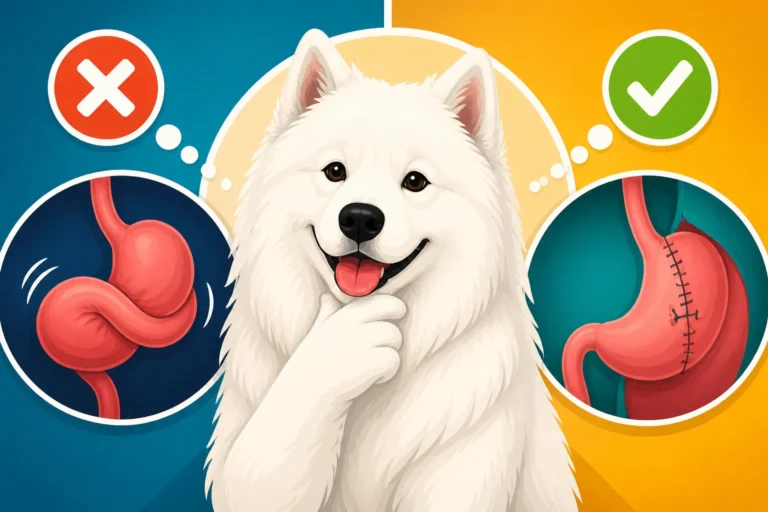
When your Samoyed puppy is tiny, their bones are growing at an astonishing rate. At the ends of these long bones are areas called growth plates (or epiphyseal plates), which are essentially soft cartilage that gradually hardens into bone. These plates are crucial for bone lengthening, but they are also significantly weaker than mature bone or tendons and ligaments. They are highly susceptible to injury from repetitive stress, impact, or awkward movements.
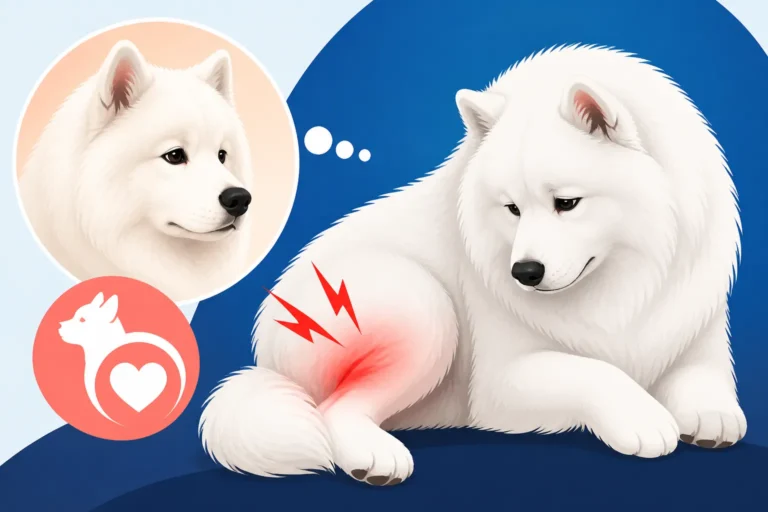
For larger, fast-growing breeds like Samoyeds, these growth plates don't fully close and become solid bone until they are often 12 to 18 months old, sometimes even later. During this time, constant impact from running up and down stairs, jumping on and off furniture, or even excessive forced exercise can damage these delicate areas. Damage to growth plates can lead to uneven bone growth, joint deformities, and a predisposition to debilitating conditions like hip dysplasia and elbow dysplasia later in life. Imagine the constant jarring impact of a heavy puppy body bounding down stairs — it’s a recipe for potential long-term issues that no Samoyed owner wants to face. Proper care during this critical phase can significantly impact The Twelve to Fourteen Years a Samoyed Lives.
The Samoyed's Energetic Nature and Stair Risks
Anyone who's lived with a Samoyed puppy knows they are bundles of unadulterated joy and endless energy. They're often described as clumsy, goofy, and endlessly curious – traits that, while adorable, can be a real hazard around stairs. Picture this: your Samoyed puppy, perhaps just four or five months old, suddenly gets a burst of "zoomies" in the living room. They race around, tails wagging, and then suddenly, the stairs become an irresistible mountain to climb or a thrilling slide to descend.
In their excitement, they might misjudge a step, slip on the smooth surface, or take a tumble. Even if they don't have a full-blown fall, the repeated impact of launching themselves up or skidding down can put immense strain on their developing hips, knees, and elbows. They lack the body awareness and coordination of an adult dog, making every trip on the stairs a potential risk for a twisted ankle, a strained ligament, or worse, damage to those vulnerable growth plates. They see stairs as another fun obstacle, not a potential danger zone for their precious joints.
Practical Strategies to Block Stair Access
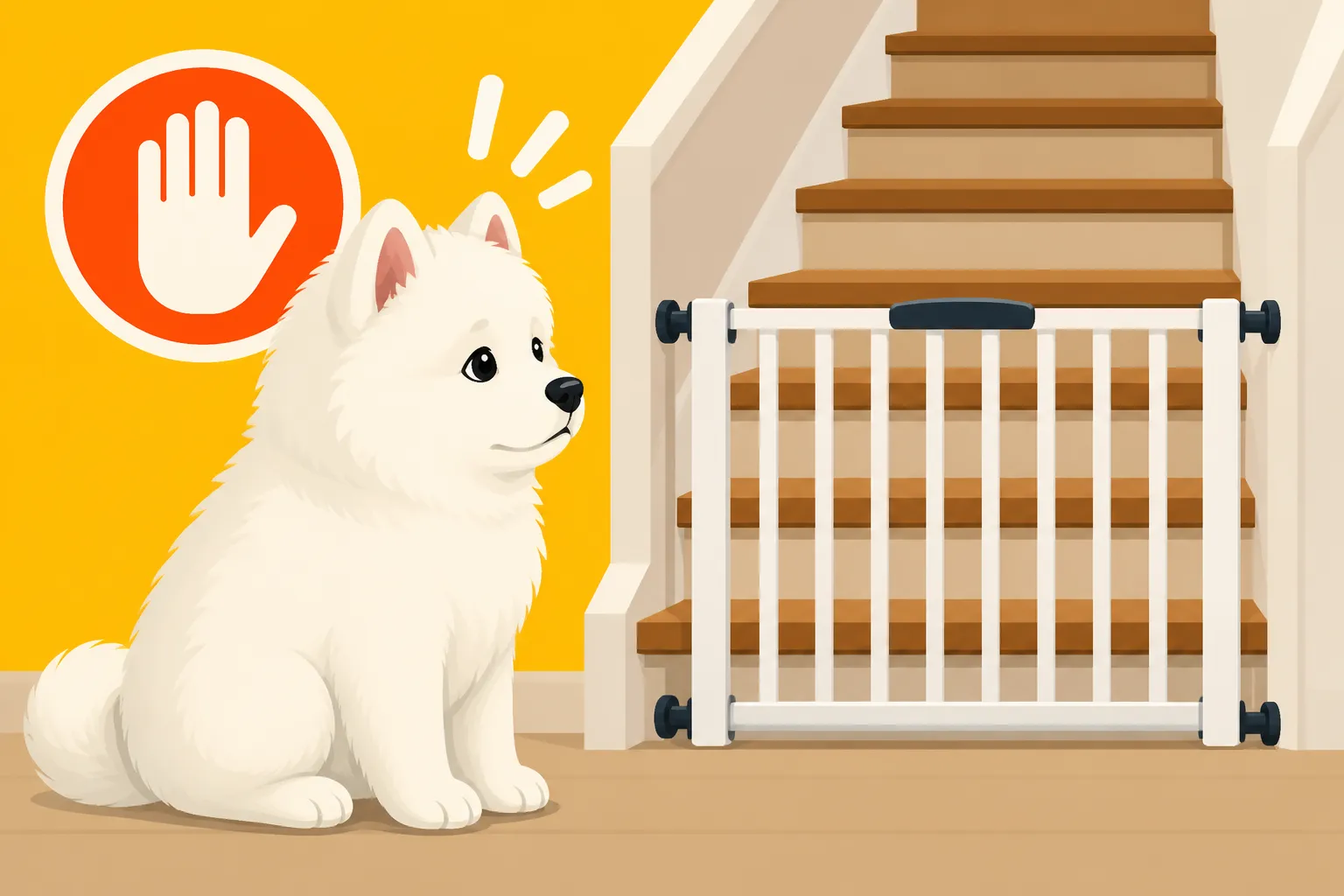
Since we know stairs are a no-go for young Samoyed puppies, the most straightforward approach is to simply block access. This isn't about being mean; it's about being responsible and protecting their future health. Luckily, there are many effective ways to do this, ranging from simple barriers to more robust solutions.
Choosing the Right Baby Gates
When it comes to blocking off stairs, not all baby gates are created equal, especially when you have a determined, fluffy Samoyed puppy on your hands. You'll need something sturdy, tall enough, and secure.
- Pressure-Mounted Gates: These are typically cheaper and easier to install, as they expand to fit the doorway or staircase and are held in place by tension. They're great for temporary use or for areas where you don't need absolute, unwavering security. However, a strong, growing Samoyed puppy could potentially push a pressure-mounted gate out of place, or even learn to lean on it until it gives way. They're generally not recommended for the top of stairs due to the risk of the gate failing and causing a fall. For areas like a hallway or the bottom of a less-frequented staircase, they can work, but always assess your puppy's strength and persistence.
- Hardware-Mounted Gates: These are the gold standard for stair safety. They screw directly into the wall or banister, creating a secure, immovable barrier. While they require a bit more effort to install and might leave small holes, the peace of mind they offer is invaluable. Look for gates designed for wide openings if you have a grand staircase, and ensure they're tall enough that your Samoyed can't easily jump over them once they get a bit bigger and more athletic. Brands like Regalo and Carlson Pet Products offer a variety of sturdy, hardware-mounted pet gates that are taller than standard baby gates and built to withstand a curious Samoyed. A hardware-mounted gate at both the top and bottom of your stairs is the safest bet.
Creating Safe Zones and Routine Management
Blocking stairs isn't just about physical barriers; it's also about managing your puppy's environment and routines to prevent opportunities for unwanted stair exploration. Think of it as creating a "safe bubble" for their growing bodies.
- Crates and Playpens: These are invaluable tools in managing a puppy's environment, especially when you can't offer 100% supervision. When you need to cook dinner, take a shower, or step out for a short errand, confining your Samoyed puppy to a secure crate or playpen in a stair-free area ensures they aren't tempted by the forbidden steps. Remember, a crate should be a comfortable, safe den, not a punishment. Learning Whether a Samoyed Puppy Should Be Crated can greatly help manage their environment.
- Blocking Access When Unsupervised: Even with gates, it's wise to double down on safety. If a gate is accidentally left ajar or a family member forgets to close it, your puppy will likely seize the opportunity. Consider closing doors to rooms that lead to stairs, or even using an exercise pen to create a larger, open-top enclosure around the base of the stairs, acting as a secondary barrier.
- The Importance of Consistency: This cannot be stressed enough. If you sometimes allow stair access and sometimes don't, your Samoyed puppy will be confused and constantly test boundaries. Every family member needs to be on board with the "no stairs for puppy" rule and diligently ensure gates are closed and safe zones are maintained. Consistency builds good habits and reduces frustration for both you and your smart, but sometimes stubborn, Samoyed.
Training Your Samoyed Puppy for Stair Safety (and Avoidance)
While physical barriers are essential for preventing access, some specific training can complement these efforts. The goal isn't necessarily to teach a young puppy to use stairs, but rather to teach them to avoid stairs or to navigate them with extreme caution when it eventually becomes appropriate. Training a Samoyed That Finds Obedience Negotiable can be a challenge, but it's worth the effort for their safety.
Leash Training for Controlled Stair Navigation (When Age-Appropriate)
This strategy is strictly for when your Samoyed puppy is older, generally after their growth plates have closed, and you've had your vet's okay (typically around 12-18 months of age, but always consult your vet). Until then, focus on keeping them off stairs entirely.
- Teaching "Slow" and "Wait": Once your Samoyed is physically mature enough, you can begin to introduce stairs in a highly controlled manner. Start by walking them on a leash up and down one or two steps, perhaps even carrying them back down if they try to rush. Use a calm, reassuring tone and commands like "slow" or "wait." Reward them heavily with high-value treats and praise for each controlled, slow step they take. The key here is to make it a deliberate, thoughtful action, not a race. You want to instill the habit of caution.
- One Step at a Time, Positive Reinforcement: Don't expect them to master a full flight of stairs on day one. Start with just a couple of steps. Repeat the process, focusing on one slow, deliberate paw placement after another. Gradually increase the number of steps, always keeping the leash taut enough to prevent rushing and showering them with praise for calm behavior. This isn't about letting them figure it out; it's about shaping their behavior precisely. This controlled approach is a stark contrast to their natural exuberance, reinforcing that stairs are a place for careful movement.
Desensitization and Positive Association
While you want to prevent unfettered access, you also don't want to make the stairs a terrifying or overly exciting forbidden zone. A scared dog might panic and fall, and an overly excited dog will constantly try to break through barriers.
- Making Stairs a Neutral or Slightly Boring Place: You can achieve this by occasionally sitting near the gated stairs with your puppy on a leash, offering calm praise or a chew toy. Let them see the stairs, but ensure there's no frantic energy or desire to get to them. You want them to associate the presence of stairs with a calm, neutral experience, not a high-stakes challenge.
- Avoiding Making Stairs a Forbidden "Challenge": If you constantly scold or yank your puppy away from the gates, they might interpret the stairs as a valuable prize they're being denied, increasing their desire to get past the barrier. Instead, redirect their attention with a toy or a short training exercise in a safe, stair-free zone. The goal is to make the stairs largely irrelevant to their daily life until they are old enough to use them safely. Keep the "fun" away from the stair area to reinforce its neutrality.
Long-Term Considerations for Samoyed Joint Health
Keeping your Samoyed puppy off stairs is a fantastic start, but it's just one piece of the puzzle when it comes to ensuring their lifelong joint health. Samoyeds, like many large breeds, can be predisposed to certain orthopedic conditions, so a holistic approach to care is vital.
The Role of Early Prevention in Lifelong Health
The habits you establish and the care you provide during your Samoyed's puppyhood lay the groundwork for their health in their adult and senior years. Beyond stairs, there are several key areas to focus on:
- Proper Nutrition: A balanced diet formulated for large breed puppies is crucial. These foods are designed to support slower, more controlled growth, which is vital for proper joint development. Overfeeding, leading to rapid weight gain, puts undue stress on developing joints. Consult your veterinarian for the best food recommendations and feeding guidelines.
- Controlled Exercise: While Samoyeds are energetic, over-exercising a puppy can be just as detrimental as stair use. Avoid long, strenuous hikes, forced running, or excessive jumping before their growth plates have closed. Short, frequent play sessions on soft surfaces are ideal. Walks should be for sniffing and exploring, not marathon distances. This controlled activity helps build muscle to support joints without causing impact damage.
- Understanding Potential Conditions: Be proactive about understanding genetic predispositions. For example, Hip Dysplasia in a Samoyed is a condition where the hip joint doesn't form properly, leading to arthritis and pain. Similarly, elbow dysplasia can occur. While genetics play a significant role, environmental factors like excessive stair use and intense exercise in puppyhood can exacerbate these conditions or make a dog with a genetic predisposition show symptoms earlier or more severely. It's why many breeders perform health clearances like those from the Orthopedic Foundation for Animals (OFA) to check for these issues in breeding stock. Knowledge is power, and being aware means you can make informed decisions.
- Consider Pet Insurance: Investing in pet insurance like Healthy Paws early on can be a lifesaver if your Samoyed develops a joint issue or other health problem later. While prevention is key, unforeseen circumstances can arise, and knowing you're covered for expensive diagnostics, treatments, or even surgeries for conditions like hip or elbow dysplasia offers immense peace of mind. Many owners find that What Insuring a Samoyed Costs Monthly is a worthwhile investment.
When to Introduce Stairs (and How to Do It Safely)
As discussed, the general guideline is to wait until your Samoyed's growth plates have fused, which is typically between 12 and 18 months of age. Your veterinarian can give you a more precise timeline based on your individual dog's development during their regular check-ups.
- Gradual Introduction, Always Supervised: Once your vet gives the all-clear, you can begin the controlled, leash-led training described earlier. Always start slowly, with only a few steps, and gradually increase the challenge. Always supervise your Samoyed when they are learning to use stairs. Do not allow them to charge up or down unsupervised.
- Maintaining Control and Preventing "Racing": Even once they are adults, it's best to discourage Samoyeds from racing up and down stairs like a maniac. Encourage a calm, controlled pace. Slipping and falling can happen at any age, and the impact on an adult dog can still lead to injuries like cruciate ligament tears or exacerbation of existing arthritis, which can become a bigger concern as The Age a Samoyed Counts as a Senior. Think of it as teaching them good "stair etiquette" that lasts a lifetime.
| Feature | Pressure-Mounted Gates | Hardware-Mounted Gates |
|---|---|---|
| Installation | Easy, no tools, tension fit | Requires drilling, screws into walls/banisters |
| Security | Moderate, can be pushed down by persistent dogs | High, very secure, ideal for top of stairs |
| Best Use | Bottom of stairs, doorways, temporary barriers | Top of stairs, high-traffic areas, deterring jumpers |
| Portability | High, easy to move | Low, fixed once installed |
| Risk of Failure | Higher if not installed correctly or with strong dogs | Very low if properly installed |
| Typical Cost | $30 – $80 | $50 – $150+ |
| Samoyed Suitability | Okay for bottom stairs with caution, not for top | Highly Recommended for all stair access points |
Remember, your Samoyed's puppyhood is fleeting, but the foundation you build during this time for their health and well-being will last their entire life. Taking the extra steps now to protect those growing joints is one of the best investments you can make for your beloved furry family member.
Disclaimer
This article is for general informational purposes only and does not constitute professional advice. Laws, prices and regulations vary by location and change over time. Consult a qualified professional for guidance on your specific situation.