Whether a Samoyed Recovers From Pancreatitis
The moment your usually bouncy, smiling Samoyed starts to look genuinely unwell, perhaps refusing food or hunching their back, a wave of panic can set in. One of the scarier diagnoses a vet might give is pancreatitis, an inflammation of the pancreas that can range from a mild upset to a life-threatening emergency. This guide will walk you through what pancreatitis means for your furry white cloud, what recovery looks like, and how you can help them get back to their happy, healthy selves.
Understanding Pancreatitis in Samoyeds
When your Samoyed is diagnosed with pancreatitis, it’s natural to feel overwhelmed and perhaps a little confused about what's actually happening inside their body. The pancreas is a small but mighty organ, tucked away near the stomach and small intestine, that plays two absolutely critical roles in your dog's health. Understanding its functions helps shed light on why its inflammation can be so devastating.
What Exactly Is Pancreatitis?
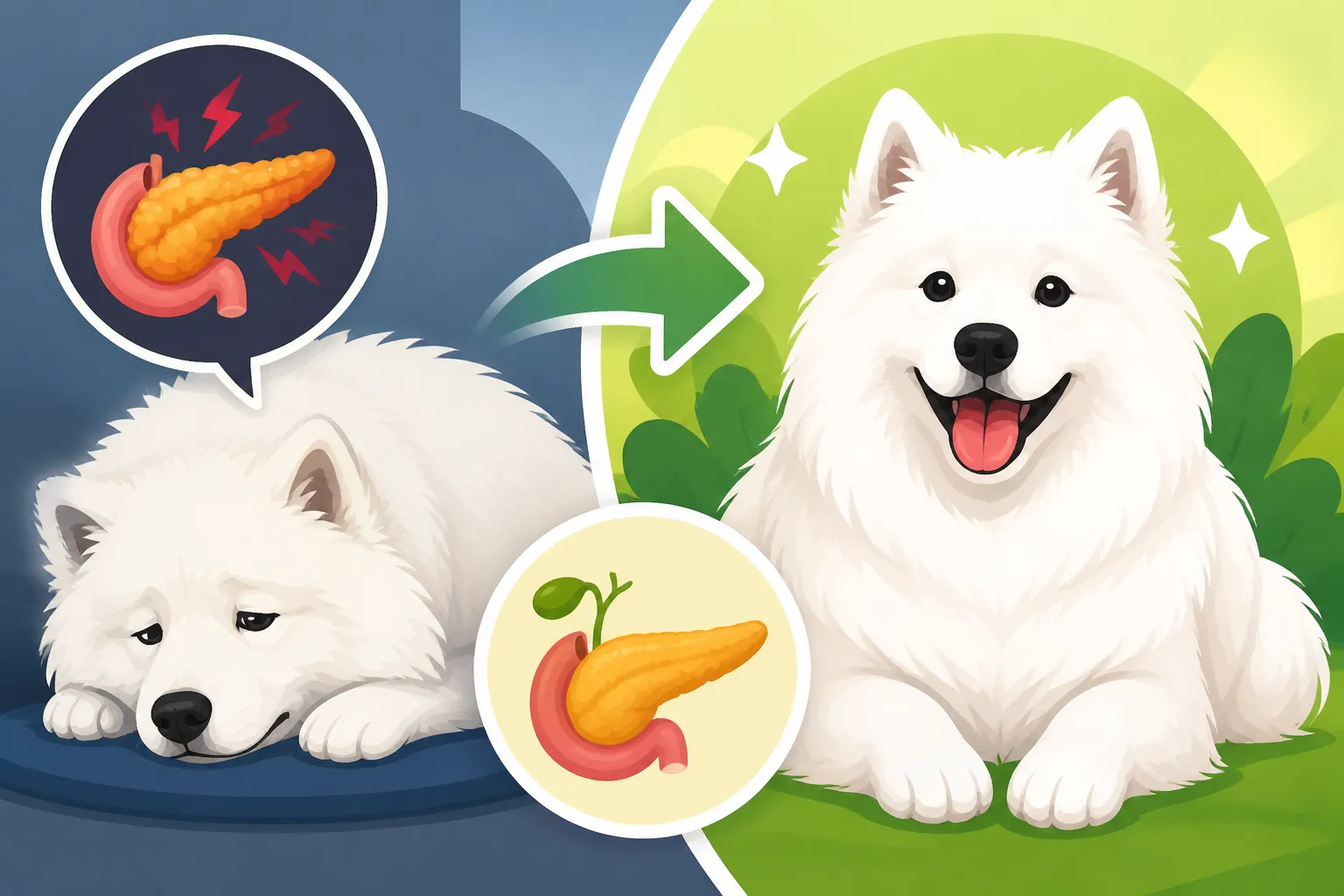
At its core, pancreatitis is an inflammation of the pancreas. Normally, the pancreas produces digestive enzymes that remain inactive until they reach the small intestine, where they're activated to break down fats, proteins, and carbohydrates from your dog's food. It also produces hormones like insulin, which regulate blood sugar. When pancreatitis strikes, these digestive enzymes activate prematurely within the pancreas itself. Imagine a tiny, self-destructive process beginning inside your dog – the enzymes start to digest the pancreatic tissue, causing pain, inflammation, and potential damage to the organ and surrounding tissues. This can quickly become a serious, painful, and even life-threatening situation if not addressed promptly and aggressively.
The severity can vary wildly. Some Samoyeds might experience a mild bout, showing only subtle signs like a slight decrease in appetite or a bit of lethargy, which might resolve with simple dietary changes and rest. Others can suffer from acute, severe pancreatitis, leading to intense abdominal pain, persistent vomiting, dehydration, and systemic shock. In these severe cases, the inflammation can spread, affecting other organs and requiring intensive veterinary care. The insidious nature of the disease means that what starts as a small internal upset can escalate rapidly, making early detection and intervention absolutely crucial for a better prognosis.
Why Samoyeds Might Be Prone
While pancreatitis can affect any dog breed, and is often triggered by dietary indiscretion – think raiding the trash can after a fatty holiday meal – there are some breed-specific considerations. Samoyeds aren't typically listed among breeds with a genetic predisposition to pancreatitis in the same way Miniature Schnauzers are, for example. However, their generally robust appetites and the sheer amount of love they receive (which often translates into tasty, sometimes fatty, treats) can indirectly put them at higher risk. Owners, myself included, often find it hard to resist those beautiful, pleading Samoyed eyes, especially when they're begging for a piece of that bacon or a bite of your greasy burger.
Obesity is a significant risk factor for pancreatitis, and while Samoyeds are active dogs, it's easy for their fluffy coats to hide a few extra pounds. It can be surprisingly difficult to tell if your Samoyed is carrying too much weight, as their dense double coat can be very deceptive. Regular weight checks and feeling for their ribs are essential. Overweight dogs often have higher levels of fat in their blood, which can contribute to the pancreas becoming inflamed. Moreover, certain medications or underlying health conditions can also contribute. For instance, if your Samoyed has other metabolic issues, or has recently had trauma to the abdomen, their risk might increase. It's a complex picture, and often, there's no single clear "smoking gun" for why a particular Samoyed develops it. You can learn more about why keeping your Samoyed's weight in check is vital by reading about Why a Samoyed Owner Must Watch Its Weight Closely.
Recognizing the Subtle Signs
One of the biggest challenges with Samoyeds and any illness, including pancreatitis, is their incredible ability to mask pain and discomfort. They are stoic by nature, often continuing to "smile" even when they're feeling quite unwell. This means that as an owner, you have to be extra vigilant and pay close attention to subtle shifts in behavior or appetite. The early signs of pancreatitis can be quite vague, making diagnosis tricky without veterinary insight.
Look out for changes like a sudden decrease in energy or an unwillingness to play. While normally eager for walks, your Samoyed might hesitate or lag behind. Vomiting, often recurring, and diarrhea are common symptoms, sometimes accompanied by a distinctive hunched posture, which is your dog trying to relieve intense abdominal pain. They might be reluctant to be touched around their belly. A significant loss of appetite, even for their favorite treats, is a huge red flag. Excessive drooling, lip-licking, or trying to eat grass could also be signs of nausea. Don't dismiss these minor changes; they could be the first clues to a serious issue. If you notice any of these signs, especially if they appear suddenly, it's crucial to seek veterinary attention immediately. Prompt action can literally be a lifesaver, as a condition like pancreatitis can deteriorate rapidly. Early detection also gives your vet the best chance to determine whether a fatty meal triggers Samoyed pancreatitis or if another underlying cause is at play. This kind of vigilance is precisely why knowing How a Samoyed Hides Illness Behind a Smile is so important.
The Road to Recovery: Treatment and Management
Dealing with a Samoyed who has pancreatitis can be a worrying time, but with swift and appropriate veterinary care, most dogs can recover. The treatment strategy focuses on supportive care, managing pain, and allowing the inflamed pancreas to rest and heal. This is not a condition where you can simply wait it out at home; professional medical intervention is almost always necessary, especially for acute cases.
Initial Veterinary Care and Hospitalization
When your Samoyed first presents with pancreatitis, the primary goal for your veterinarian is to stop the inflammation, alleviate pain, and prevent further damage. This often involves hospitalization, especially for moderate to severe cases. The cornerstone of treatment is usually aggressive fluid therapy given intravenously. Pancreatitis can cause significant dehydration due to vomiting and diarrhea, and IV fluids help rehydrate your dog, maintain electrolyte balance, and support blood flow to organs.
Pain management is also paramount. Pancreatitis is incredibly painful, and controlling this pain is not only humane but also helps prevent physiological stress that can worsen the condition. Your vet will administer strong pain medications, often opioids, to keep your Samoyed comfortable. Anti-nausea medications are given to stop vomiting, which in turn helps prevent further dehydration and electrolyte imbalances, and makes your dog feel much better. In the initial acute phase, your Samoyed will likely be kept NPO (nil per os), meaning nothing by mouth – no food or water – for a period. This "pancreatic rest" is crucial to prevent stimulating the pancreas to produce more digestive enzymes, giving it a chance to calm down. While the thought of your Samoyed going without food is distressing, it's a critical step in healing.
Dietary Changes for the Long Haul
Once the acute crisis has passed and your Samoyed is stable and no longer vomiting, the next critical step is the careful reintroduction of food. This is not a return to their regular diet; instead, it marks the beginning of a strict, low-fat feeding regimen. The fat content in food directly stimulates the pancreas to produce digestive enzymes, so a low-fat diet reduces this stimulation, allowing the pancreas to continue healing and minimizing the risk of a relapse. Your vet will typically prescribe a prescription diet formulated specifically for dogs with pancreatic issues, such as Royal Canin Gastrointestinal Low Fat or Purina Pro Plan Veterinary Diets EN Gastroenteric Fiber Balance. These diets are carefully balanced to provide all necessary nutrients while being exceptionally easy on the digestive system.
The reintroduction of food must be gradual and in small, frequent meals. Starting with tiny amounts and slowly increasing the volume over several days helps ensure the pancreas can tolerate the food without flaring up again. This might mean feeding your Samoyed three to four small meals a day instead of one or two larger ones. This dietary modification is often for life, especially if your Samoyed has had multiple bouts of pancreatitis or a particularly severe episode. Resisting those pleading eyes for fatty treats or table scraps becomes an absolute necessity. Even a small bite of something high in fat can trigger another painful flare-up. Understanding Whether a Samoyed Should Eat Low Fat will be key to their ongoing health and preventing recurrence.
Ongoing Support and Monitoring
Even after your Samoyed has been discharged from the hospital and is eating their special diet, the journey isn't over. Ongoing support and vigilant monitoring at home are crucial for a successful long-term recovery. Your vet will schedule follow-up appointments to monitor your Samoyed's progress through blood tests. These tests can check pancreatic enzyme levels, liver values, and other indicators of overall health, ensuring the inflammation is truly receding and no complications are arising.
You'll need to be diligent about adhering to the prescribed low-fat diet and administering any medications your vet recommends, which might include digestive enzyme supplements if the pancreas's ability to produce enzymes has been compromised (a condition called Exocrine Pancreatic Insufficiency, or EPI). It’s also vital to continue monitoring your Samoyed for any return of symptoms – even subtle ones like decreased appetite, lethargy, or abdominal sensitivity. Keeping a log of their eating habits, energy levels, and stool consistency can be incredibly helpful information for your vet. While it can feel like a lot of responsibility, your active involvement in their ongoing care is the best way to support their recovery and maintain their quality of life.
Navigating the Prognosis: Can a Samoyed Fully Recover?
The question on every owner's mind after a pancreatitis diagnosis is, "Will my Samoyed ever truly be the same?" The answer largely depends on the severity of the initial episode and whether the condition becomes a recurring problem. While many Samoyeds can make a full recovery from acute pancreatitis, the possibility of chronic issues or long-term complications always looms.
Acute vs. Chronic Pancreatitis
It's really important to distinguish between acute and chronic pancreatitis when talking about recovery. Acute pancreatitis is a sudden, severe inflammatory episode. In these cases, if caught early and treated aggressively, many Samoyeds can recover completely. The inflammation subsides, the pancreas heals, and with strict dietary management, they can often live full, happy lives without further issues. Recovery can take weeks, but with diligent care, the pancreas can return to its normal function.
Chronic pancreatitis, on the other hand, is a persistent, ongoing inflammation of the pancreas, often characterized by milder but recurring episodes. This form doesn't necessarily have a "cure" in the traditional sense; instead, it requires lifelong management. The goal is to control flare-ups, manage symptoms, and prevent further damage to the pancreatic tissue. Dogs with chronic pancreatitis might need to stay on a very strict low-fat diet forever, and might require medication or supplements long-term. While they can still have a good quality of life, it involves continuous vigilance and management. The chronic form can sometimes lead to more severe complications over time, such as Exocrine Pancreatic Insufficiency (EPI) or, more worryingly, diabetes mellitus, due to damage to the insulin-producing cells. This is a serious consideration, and you can learn more about this by reading Diabetes in a Middle Aged Samoyed.
The Importance of Owner Vigilance
I cannot stress enough how much your role as a Samoyed owner influences the long-term prognosis. Your vigilance and commitment to the prescribed management plan are absolutely paramount for your dog's recovery and prevention of future flare-ups. This means unwavering adherence to the low-fat diet, which, let's be honest, can be challenging when you have a fluffy white dog giving you those soulful, begging eyes. It means no table scraps, no fatty treats, and potentially even being careful about the fat content in chews or dental sticks. This also means actively monitoring your Samoyed for any subtle changes that might indicate a relapse. Are they a little less enthusiastic about their morning walk? Did they skip a meal? Are they quieter than usual? All these observations are critical.
Beyond diet, managing your Samoyed's overall health and reducing stress can also play a role. Regular exercise, maintaining a healthy weight, and providing a stable, calm environment can all contribute to their well-being. If you are diligent, you significantly improve their chances of not just recovering, but thriving. This proactive approach can make all the difference in ensuring your beloved Samoyed enjoys the fullest possible lifespan, perhaps even reaching The Twelve to Fourteen Years a Samoyed Lives.
Potential Long-Term Complications
While many Samoyeds do recover well from pancreatitis, especially acute cases, it's important to be aware of potential long-term complications, particularly if the disease was severe or becomes chronic. As mentioned, one significant risk is the development of Exocrine Pancreatic Insufficiency (EPI). If the pancreatic cells responsible for producing digestive enzymes are extensively damaged, your Samoyed may no longer be able to digest food properly. This leads to malabsorption, weight loss despite a good appetite, and chronic diarrhea. EPI is managed with lifelong enzyme supplements mixed into their food.
Another serious complication is diabetes mellitus. The pancreas also produces insulin, which regulates blood sugar. If the insulin-producing cells (islets of Langerhans) are damaged during a severe or chronic inflammatory process, your Samoyed can become diabetic. Managing diabetes involves daily insulin injections, strict dietary control, and regular monitoring, which is a significant commitment. Understanding Signs a Samoyed Has Become Diabetic is crucial for early detection. In some severe cases, pancreatitis can also lead to systemic inflammatory response syndrome (SIRS), affecting multiple organs and carrying a much graver prognosis. The financial burden of managing these chronic conditions can also be substantial. Having robust pet insurance, like a comprehensive plan from Healthy Paws, can really alleviate the financial stress associated with long-term medical care, covering everything from emergency visits to ongoing medication and specialist consultations.
Pancreatitis: Acute vs. Chronic Overview
To help you visualize the differences and implications, here's a quick overview of acute versus chronic pancreatitis in Samoyeds.
| Feature | Acute Pancreatitis | Chronic Pancreatitis |
|---|---|---|
| Onset | Sudden, often severe | Gradual, recurring, milder episodes |
| Symptoms | Intense pain, persistent vomiting, diarrhea, lethargy | Intermittent vomiting/diarrhea, reduced appetite, dullness |
| Causes | High-fat meal, trauma, certain drugs | Persistent low-grade inflammation, often unknown cause |
| Treatment (Initial) | Hospitalization, IV fluids, pain meds, NPO | Outpatient care, dietary management, symptom relief |
| Dietary Needs | Strict low-fat diet (often lifelong) | Lifelong strict low-fat diet |
| Recovery | Often full recovery with diligent care | Ongoing management; no "cure" |
| Complications | EPI, Diabetes, SIRS (less common) | EPI, Diabetes (more common), long-term organ damage |
| Prognosis | Generally good if treated promptly | Variable; requires consistent management for good QOL |
If your Samoyed is diagnosed with pancreatitis, remember that you are their best advocate. With dedication, careful management, and a strong partnership with your veterinarian, you can help your beautiful companion recover and continue to bring joy and fluffiness to your life. Pet insurance, such as that offered by Healthy Paws, can be a game-changer in providing peace of mind during these challenging times, knowing that you can afford the best possible care for your Samoyed.
Disclaimer
The information provided in this article is for educational and informational purposes only, and does not constitute veterinary advice. Always consult with a qualified veterinarian for any health concerns or before making any decisions related to your Samoyed's health or medical care.