Arthritis in an Older Samoyed
It's tough, isn't it? One day your fluffy Samoyed is bounding through snowdrifts or chasing squirrels with youthful abandon, a picture of pure joy, and the next you notice a hesitation, a little stiffness when they get up. The reality is, just like us, our beloved Samoyeds aren't immune to the aches and pains of getting older, and arthritis is a common, often heartbreaking, part of that journey. This guide is here to help you understand, identify, and compassionately manage arthritis in your senior Samoyed, ensuring their golden years are as comfortable and happy as possible.
Understanding Arthritis in Our Beloved Samoyeds
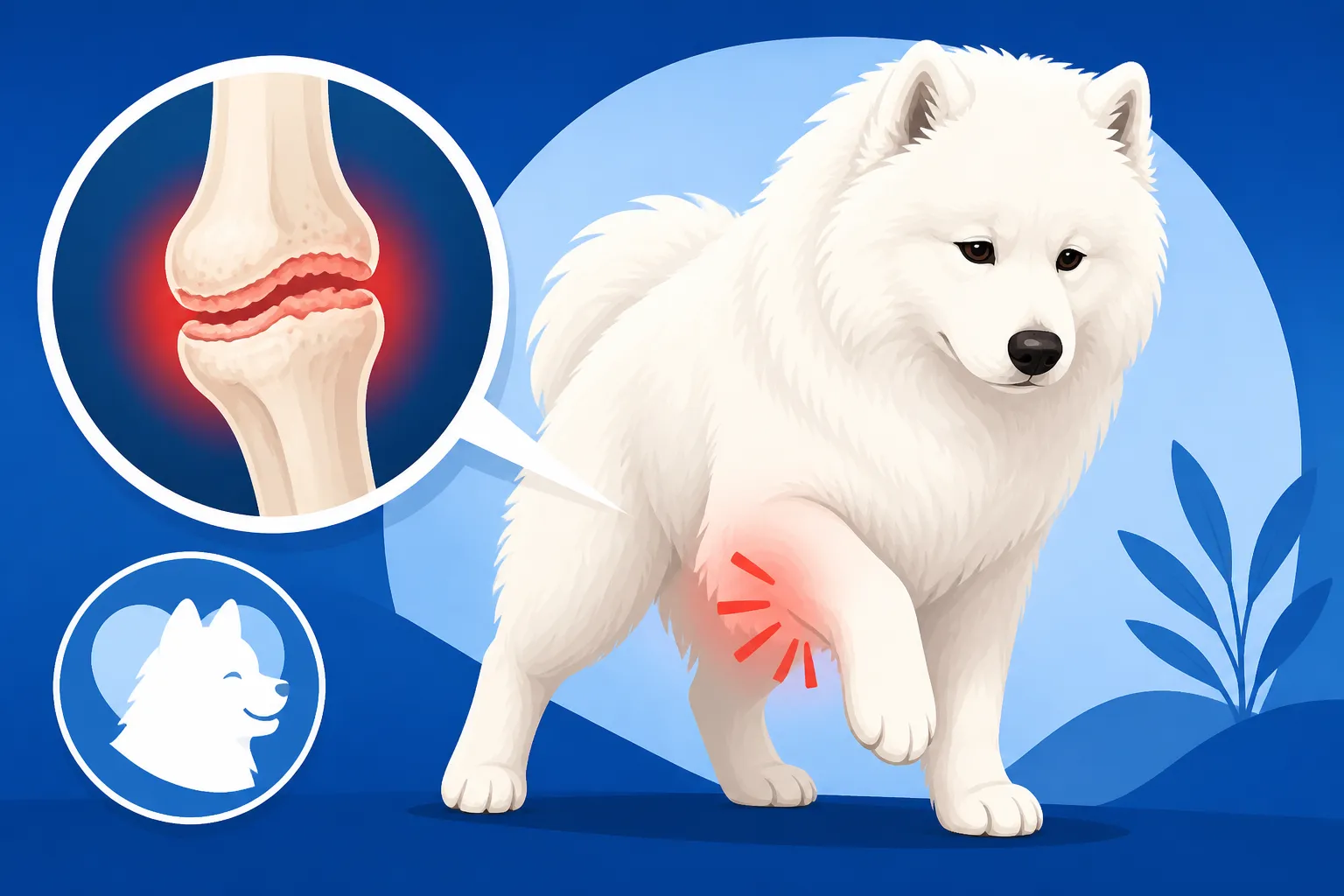
When we talk about arthritis in dogs, especially our Samoyeds, we're almost always referring to osteoarthritis, or degenerative joint disease. It’s not just a fancy medical term; it describes a real, physical breakdown within their joints that causes chronic pain and limits mobility. For a breed known for its boundless energy and love for activity, this can be particularly distressing for both them and us.
What is Osteoarthritis Anyway?
At its core, osteoarthritis is a progressive condition where the cartilage cushioning the ends of bones in a joint slowly erodes. Imagine the smooth, shock-absorbing surface on the end of a bone like a slick, polished floor. In arthritis, that floor becomes rough, pitted, and eventually wears away completely. This means bone starts rubbing against bone, leading to inflammation, pain, and the formation of bone spurs (osteophytes) as the body tries, and often fails, to repair the damage.
The process often starts with subtle changes, perhaps microscopic wear and tear from years of running, jumping, and playing. Over time, this cumulative stress, combined with genetic predispositions or old injuries, overwhelms the joint's ability to repair itself. The joint fluid, which normally acts as a lubricant, loses its quality, and the joint capsule itself thickens. All these factors combined create a cycle of pain, reduced movement, and further degeneration. It's a cruel process that slowly steals their agility and comfort, making even simple movements a challenge.
Why Samoyeds Are Prone to Joint Issues
While any dog can develop arthritis, Samoyeds, like many larger, active breeds, have certain predispositions that can make them more susceptible. Their substantial bone structure, combined with their history as working dogs bred for pulling and herding, means their joints are put under considerable stress throughout their lives. This can lead to conditions like hip and elbow dysplasia, which are common genetic issues that significantly increase the risk of early-onset arthritis.
Hip dysplasia, for example, means the hip joint doesn't fit together perfectly, leading to abnormal wear and tear from a young age. Similarly, elbow dysplasia involves several possible developmental abnormalities in the elbow joint. If you're wondering Whether a Samoyed's Hip Score Predicts Later Arthritis, the answer is often yes; dogs with poorer hip scores are at a much higher risk. Even if your Samoyed's hips and elbows were certified excellent by organizations like OFA (Orthopedic Foundation for Animals) when they were younger, years of joyous activity can still lead to wear and tear. Their impressive musculature can often mask underlying joint instability for a long time, making it seem like they're perfectly fine until the arthritis is quite advanced. This breed’s natural hardiness and desire to please can mean they push through discomfort, further exacerbating joint damage.
Catching the Subtle Clues in Your Samoyed
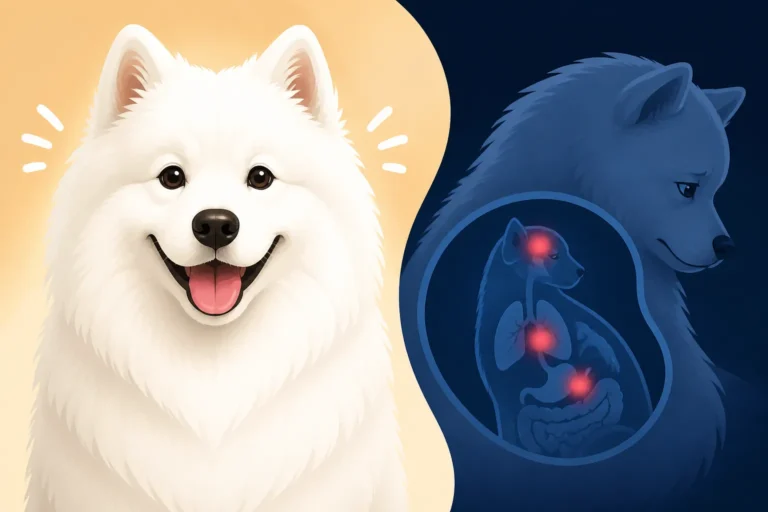
One of the biggest challenges in managing arthritis in Samoyeds is their incredible ability to mask pain. They are, after all, a breed known for their "Samoyed Smile" and generally cheerful disposition. It can feel like they're always happy, even when they're hurting, making it incredibly difficult for us, their devoted owners, to pinpoint when something is truly wrong.
The "Samoyed Smile" Mask
Our Samoyeds wear their iconic smile for a reason – it's a breed trait that prevents drooling and icicle formation in arctic conditions. But that perpetually happy expression can also be a significant obstacle to recognizing discomfort. Unlike some breeds that might whine, limp dramatically, or growl when in pain, many Samoyeds will simply try to carry on, often with that cheerful grin firmly in place. They’re stoic creatures, bred to endure harsh conditions and push through challenges. This means that by the time you notice an obvious limp or yelp of pain, their arthritis might already be quite advanced. It takes a keen eye and a deep understanding of your individual dog’s behavior to spot the subtle shifts. If you want to learn more about how they conceal discomfort, check out our article on How a Samoyed Hides Illness Behind a Smile.
Early Warning Signs You Might Miss
Because of their stoicism, you need to be a detective, looking for changes in routine and subtle behavioral cues rather than overt displays of pain. These small signs, when pieced together, can paint a clear picture.
- Changes in Movement: Are they slower to get up after a nap? Do they hesitate before jumping into the car or onto the couch (even if they still eventually do it)? Is there a slight stiffness, especially first thing in the morning or after resting? You might notice a subtle shift in their gait, perhaps a shorter stride in their hind legs, or they might seem to "bunny hop" when running.
- Reduced Enthusiasm: The Samoyed who used to leap for joy at the sight of a leash might now approach it more slowly, or not bound to the door with the same eagerness. They might cut walks short, or seem less interested in playing fetch or chasing siblings in the yard.
- Behavioral Shifts: Are they sleeping more? Seeking out softer sleeping spots, or perhaps avoiding certain areas of the house they used to frequent? Some arthritic dogs become a bit withdrawn, less tolerant of petting in certain areas, or even snap if touched unexpectedly in a painful joint. Conversely, some might become clingier, seeking comfort. You might notice them licking a particular joint more often.
- Grooming Changes: It might become harder for them to reach certain spots for self-grooming, leading to matted fur or skin issues in those areas.
- Muscle Loss: Over time, disuse of painful limbs can lead to muscle atrophy, making the affected leg appear thinner.
It's crucial to remember that The Age a Samoyed Counts as a Senior is typically around 7-8 years, and this is when these subtle changes often begin to appear. Regular vet check-ups become even more important at this stage, as your vet can perform a physical examination to check joint mobility and look for signs you might have missed.
A Holistic Approach to Managing Arthritis
Dealing with arthritis in an older Samoyed isn't about finding a single magic bullet; it's about implementing a comprehensive, multi-faceted strategy that addresses pain, supports joint health, and improves their overall quality of life. This usually involves a combination of medical interventions, dietary adjustments, supplements, and lifestyle modifications.
Medical Interventions and Pain Management
When the pain becomes more significant, your veterinarian will likely discuss various medical options. The goal is always to reduce inflammation and manage pain effectively, allowing your Samoyed to move more comfortably.
- Non-Steroidal Anti-Inflammatory Drugs (NSAIDs): These are often the first line of defense. Medications like carprofen (Rimadyl), meloxicam (Metacam), or firocoxib (Previcox) work by reducing inflammation and pain. They can be incredibly effective, but like all medications, they come with potential side effects, primarily affecting the kidneys and liver. Your vet will likely recommend regular blood work to monitor these organs, especially if your Samoyed is on long-term NSAID therapy. It's a fine balance, as we want to relieve pain without causing other health issues.
- Injectable Joint Medications: Adequan Canine (polysulfated glycosaminoglycan) is an injectable medication that can help stimulate cartilage repair and improve the quality of joint fluid. It’s given in a series of injections and can be very beneficial for some dogs. Another newer option, Librela (bedinvetmab), is a monoclonal antibody injection administered monthly that specifically targets Nerve Growth Factor (NGF), a key mediator of pain. Many owners are seeing great success with Librela, as it offers a different mechanism of pain relief with fewer systemic side effects than NSAIDs.
- Gabapentin: Often used in conjunction with NSAIDs, gabapentin is a neuropathic pain medication that can help manage chronic pain, especially if nerve pain is involved.
- Amantadine: Another adjunctive medication, amantadine, can be used to help with chronic, refractory pain, often in combination with other pain relievers.
Choosing the right medication or combination depends entirely on your Samoyed's specific needs, the severity of their arthritis, and any other health conditions they might have.
Joint Supplements and Dietary Support
Beyond prescriptions, a crucial part of managing arthritis involves supporting joint health from the inside out. This is where supplements and diet play a vital role.
- Glucosamine and Chondroitin: These are probably the most well-known joint supplements. Glucosamine helps with cartilage repair, while chondroitin aids in elasticity and water retention, essential for shock absorption. Brands like Cosequin and Dasuquin are commonly recommended by vets due to their quality control and proven efficacy in many dogs. They aren't a cure, but they can significantly slow progression and reduce discomfort. For a deeper dive, check out our article on Joint Supplements for a Samoyed.
- Omega-3 Fatty Acids (Fish Oil): EPA and DHA, found in fish oil, are powerful natural anti-inflammatories. They can help reduce joint inflammation and pain, often complementing the effects of NSAIDs. When choosing a supplement, look for one specifically formulated for dogs with high concentrations of EPA and DHA, and ensure it's from a reputable source to avoid contaminants.
- Specialized Diets: Many veterinary brands now offer prescription diets specifically formulated for joint health, such as Hill's Prescription Diet j/d, Royal Canin Mobility Support, or Purina Pro Plan Veterinary Diets JM Joint Mobility. These diets often contain higher levels of Omega-3s, glucosamine, and chondroitin, along with controlled calorie content to help manage weight, which is critical for arthritic dogs. Discussing Feeding an Old Samoyed with your vet will help you select the best option. Keeping your Samoyed at a lean body weight is perhaps one of the most impactful things you can do to ease the burden on their joints.
| Intervention Type | Examples/Actions | Benefits | Considerations |
|---|---|---|---|
| Medication | NSAIDs (Carprofen, Meloxicam), Librela, Gabapentin, Amantadine | Reduces pain and inflammation rapidly, improves mobility | Potential side effects (liver/kidney), requires vet monitoring |
| Supplements | Glucosamine, Chondroitin, Omega-3s, Turmeric | Supports cartilage, reduces inflammation, long-term joint health | Slower onset of action, quality varies between brands |
| Physical Therapy | Hydrotherapy, Acupuncture, Laser therapy, Massage | Builds muscle, improves range of motion, reduces pain | Can be costly, requires trained professionals, time commitment |
| Lifestyle Changes | Ramps, Orthopedic beds, Modified exercise, Weight management | Reduces strain on joints, enhances comfort, prevents progression | Requires consistent effort, adjustments to daily routine |
| Environmental Mods | Non-slip rugs, Raised bowls, Easy-access car ramps | Prevents slips and falls, reduces neck/back strain | Initial investment, may change home aesthetic |
Physical Therapy and Home Comforts
Beyond medication and diet, physical therapy and thoughtful home modifications can dramatically improve your Samoyed's comfort and mobility.
- Hydrotherapy: This involves exercising in water, either on an underwater treadmill or swimming. The buoyancy of the water reduces stress on joints while allowing your Samoyed to build muscle mass, improve range of motion, and increase cardiovascular fitness without impact. It's fantastic for muscle maintenance and pain relief.
- Acupuncture and Chiropractic Care: These alternative therapies, when performed by a certified veterinary professional, can offer significant pain relief for some dogs. Acupuncture can stimulate nerve endings and release endorphins, while chiropractic adjustments can help ensure proper spinal and joint alignment.
- Therapeutic Laser (Cold Laser) Therapy: This non-invasive treatment uses specific wavelengths of light to reduce pain and inflammation and accelerate tissue healing. Many veterinary clinics offer this, and sessions are usually quick and painless.
- Massage: Learning some basic massage techniques from a veterinary physical therapist can provide comfort and improve circulation to your Samoyed’s stiff muscles.
- Orthopedic Beds: Investing in a high-quality orthopedic dog bed is non-negotiable for an arthritic Samoyed. These beds provide superior support, cushioning painful joints and making resting much more comfortable. For specific recommendations, check out What an Arthritic Samoyed Should Sleep On.
- Ramps and Steps: To protect their joints from the impact of jumping, provide ramps or steps for accessing furniture, beds, and vehicles. This is especially important for getting into and out of cars.
- Non-Slip Surfaces: Hardwood floors and tiles can be treacherous for dogs with compromised mobility. Lay down non-slip rugs or runners in frequently used areas to prevent slips and falls, which can cause further injury.
- Raised Food and Water Bowls: These can alleviate strain on their neck and back, making meal times more comfortable.
Remember, consistent effort across all these areas is what truly makes a difference.
Living Well with a Senior Samoyed with Arthritis
Watching your once-spry Samoyed slow down due to arthritis can be heartbreaking. However, with thoughtful care and adaptation, their golden years can still be full of joy, comfort, and companionship. It’s about adjusting expectations and prioritizing their well-being.
Adapting Daily Routines for Comfort
The energetic romps of youth might be a thing of the past, but that doesn't mean activity ceases altogether. Instead, focus on quality over quantity and gentle, consistent movement.
- Modified Exercise: Instead of one long, strenuous walk, try several shorter, gentler strolls throughout the day. Avoid high-impact activities like jumping, running on hard surfaces, or prolonged play sessions that involve sudden stops and starts. Leash walks on soft surfaces like grass or dirt trails are ideal. The key is to keep them moving to maintain muscle mass and joint flexibility without overdoing it.
- Mental Stimulation: Since physical activity might be limited, focus on keeping their minds active. Puzzle toys, scent work games (like hiding treats around the house), and short, positive training sessions can provide much-needed mental enrichment without putting strain on their joints. Your Samoyed is still intelligent and thrives on engagement!
- Warmth and Comfort: Cold and damp weather can exacerbate arthritic pain. Provide a warm, draft-free place to sleep. A comfortable, supportive bed is essential, as discussed earlier. Consider a dog coat for colder outings.
- Regular, Gentle Grooming: As their mobility decreases, self-grooming can become difficult. Regular, gentle brushing will help prevent mats, especially in their thick Samoyed coat, and can also be a bonding experience. Pay attention to their paws, trimming nails regularly to ensure good traction and comfort when walking.
Proactive Vet Care and Financial Planning
Regular veterinary check-ups are absolutely essential for managing arthritis. Your vet will monitor the progression of the disease, adjust medications as needed, and help you identify any new issues. They can also provide guidance on Caring for an Old Samoyed comprehensively. These appointments aren't just for medication refills; they're opportunities to discuss your Samoyed's comfort levels, make adjustments to their care plan, and catch any other age-related health concerns early.
Managing a chronic condition like arthritis can also come with significant financial considerations. Medications, supplements, and specialized therapies can add up. This is where pet insurance can be a huge help. Many owners find value in companies like Healthy Paws, which can offer coverage for ongoing conditions like arthritis if enrolled before the condition presents. Having a reliable pet insurance policy can provide peace of mind and help cover a substantial portion of veterinary costs over your Samoyed's The Twelve to Fourteen Years a Samoyed Lives, allowing you to make the best decisions for their health without undue financial stress. Even if you don't have insurance, setting aside a dedicated savings fund for their senior years can ease the burden of unexpected vet bills. Understanding What a Samoyed's Vet Bills Look Like for a chronic condition is crucial for long-term planning.
Embracing Their Golden Years with Love
Ultimately, managing arthritis in your senior Samoyed is about compassion, patience, and unwavering love. They may not be able to hike for miles or jump as high as they once did, but their need for companionship, comfort, and a happy life remains.
Focus on the joy they still bring and the simple pleasures they can still enjoy. A gentle cuddle on the couch, a short sniff-walk around the block, a favorite puzzle toy, or just lying beside you. Make sure their environment is safe and easy for them to navigate. Celebrate their continued presence and the unconditional love they offer. These final years are precious, and by understanding and actively managing their arthritis, you can ensure they remain as comfortable, happy, and cherished as possible, allowing their Samoyed smile to truly reflect their contentment.
Disclaimer
This article is intended for informational purposes only and does not constitute veterinary advice. Always consult with a qualified veterinarian for any health concerns or before making any decisions about your pet's medical care or treatment plan.