Whether a Samoyed Owner Should Move Somewhere Cooler
Oh, the eternal question for Samoyed owners in warmer climates! It's a real struggle, isn't it? You love your fluffy companion dearly, but watching them pant relentlessly in summer, seeking out every cool tile in the house, can make you feel like the worst parent in the world. Many of us have found ourselves staring at weather maps, dreaming of mountain cabins or coastal breezes, wondering if a drastic change of scenery is truly the only way to ensure our Samoyed's comfort and health. This guide is going to dive deep into that very contemplation, exploring whether moving to a cooler climate is a practical, necessary, or even truly beneficial step for you and your beloved Sammy.
Understanding Your Samoyed's Natural Climate Needs
Let's be honest, our Samoyeds are built for extremes, but not the kind of heat many parts of the world experience for months on end. Their very genetics, their glorious double coat, and their cheerful disposition are all adaptations to a very specific kind of environment.
The Samoyed's Ancestral Home and Coat Function
Imagine the vast, icy expanses of Siberia, where the indigenous Nenets people relied on these magnificent dogs not just for herding reindeer and pulling sleds, but also for warmth in their tents. That's the Samoyed's original postcode. They are, quite literally, creatures of the cold. Their luxurious double coat, often admired for its beauty, isn't just for show. It's a meticulously engineered piece of natural insulation. The soft, dense undercoat provides warmth, trapping air close to the body, while the longer, coarser guard hairs protect against snow, ice, and even, surprisingly, some sunlight. It's a marvel of evolution, designed to keep them comfortable in temperatures far below freezing.
When you bring a dog built for sixty below into a climate that regularly hits ninety degrees Fahrenheit or more, you're asking a lot of their physiology. Their coat, while incredible, can become a burden when the external temperature matches or exceeds their internal body temperature, especially when humidity is high. It stops being a shield against the elements and starts acting like a very warm blanket they can't shed. This fundamental design is why we often hear concerns like A Samoyed Built for Sixty Below in an American Summer or questions about Why a Samoyed's Coat Insulates Against Heat as Well as Cold. It’s not just a cute fur coat; it's a survival mechanism that can work against them in the wrong environment.
How a Samoyed Reacts to Heat
A Samoyed's primary way to cool down is through panting, which dissipates heat through evaporation from their tongue and respiratory tract. They also release some heat through their paw pads. However, with their dense coats, they don't have the same ability to cool their skin as easily as short-haired breeds. This means they are inherently less efficient at shedding heat in warm, humid conditions. You'll see them seeking out cool spots, perhaps lying splayed on tile floors, or digging shallow holes in the garden if they have access to dirt, which is a natural instinct to find cooler earth. They might become lethargic, lose their appetite, and their usual joyful bounce can diminish significantly.
It's a distressing sight for any owner. You want your dog to be happy, energetic, and playful, but in the heat, they can barely manage a short walk without looking utterly miserable. Their beautiful "Samoyed smile" can sometimes hide their discomfort, but the rapid, shallow panting, glazed eyes, and reluctance to move are clear indicators of distress. Recognizing Signs a Samoyed Is Overheating is crucial, as severe heatstroke can be deadly. It’s not just about comfort; it's about their very survival when temperatures soar.
The Practical Challenges of Samoyed Ownership in Warm Climates
Beyond the immediate discomfort, owning a Samoyed in a consistently hot climate brings a host of daily struggles and financial implications that can truly impact your quality of life, and more importantly, your dog's.
Managing Daily Life and Exercise
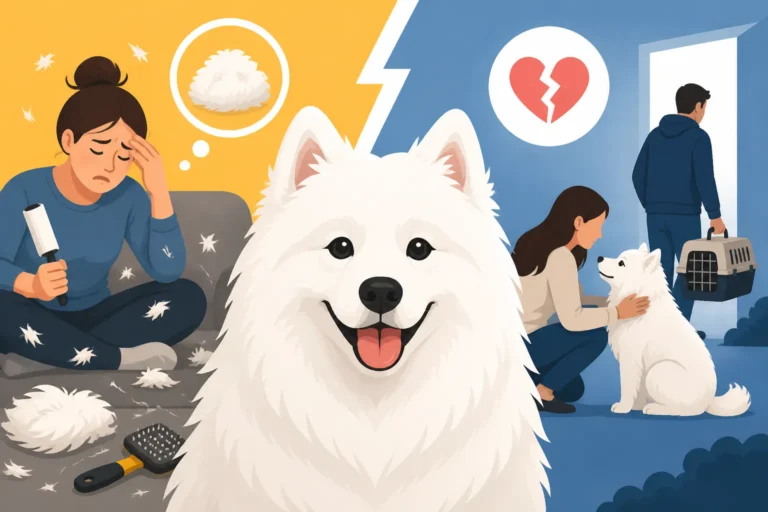
The reality of living with a Samoyed in a hot climate often means a complete overhaul of your daily routine. Forget those spontaneous midday walks or long romps in the park. Exercise, which is vital for this active breed, becomes a logistical nightmare. You're forced into early morning or late-night outings, often before sunrise or long after sunset, just to avoid the peak heat. Even then, the pavement can retain heat, risking burns to their paw pads. Many owners find their Samoyeds simply Refuses to Walk in Heat, a clear signal that their body is telling them no.
Indoor activities become the norm, but a Samoyed needs more than just indoor play; they need mental stimulation and physical exertion. This can lead to behavioral issues, as a bored or under-exercised Samoyed can become destructive or excessively vocal. Finding safe, cool places for them to play or socialize is a constant challenge. Dog parks are often too hot, and even a quick trip to the vet requires careful timing and car air conditioning running full blast. Trying to maintain their routine in such an adverse environment is mentally exhausting for owners and physically taxing for the dogs. This daily battle is a significant reason why many consider the drastic step of moving.
The Financial Strain of Cooling a Samoyed
The desire to keep your Samoyed comfortable in the heat often translates into significant financial costs. Air conditioning becomes a non-negotiable expense, running for extended periods, driving up electricity bills. We're talking about questions like What Air Conditioning Adds to a Samoyed Household and Whether a Samoyed Raises a Summer Power Bill becoming genuine concerns, not just minor considerations. Beyond AC, you might invest in cooling mats, kiddie pools for the yard, special cooling vests (though these need careful consideration as they can sometimes trap heat if not used correctly under their dense coat), and even fans specifically for your dog.
Vet bills can also climb, as heat stress can exacerbate underlying conditions or lead to new ones. Dehydration, skin infections from dampness under their coat, or even heatstroke requiring emergency care are real possibilities. Investing in comprehensive pet insurance from providers like Healthy Paws can certainly help mitigate some of these unpredictable costs, offering peace of mind when your Samoyed needs medical attention. Even general supplies from retailers like Chewy, like extra large water bowls, puzzle feeders for indoor entertainment, or reflective walking gear for night walks, add up. The financial burden of maintaining a Samoyed's health and comfort in a hot climate is a very real aspect of ownership that often gets overlooked until you're deep into it.
Evaluating a Potential Move for Your Samoyed
So, you're seriously considering packing up and moving to a cooler climate. It's a huge decision, and one not to be taken lightly. Let's break down what that really entails.
Weighing the Pros and Cons of Relocation
On the surface, moving to a cooler climate seems like the ultimate solution for a heat-stressed Samoyed. The benefits are clear:
- Improved Comfort and Health: Your Samoyed would experience less panting, more energy, and a significantly reduced risk of heatstroke. They could enjoy walks and outdoor play during more of the day, leading to a happier, healthier dog.
- Enhanced Quality of Life for You: No more waking up at 4 AM for a walk, or dreading every sunny day. You could enjoy more activities with your dog and worry less about their well-being.
- Reduced Stress on the Dog's Body: Long-term heat stress can impact a dog's overall health and lifespan. A cooler environment might lead to fewer heat-related vet visits and a generally more robust life.
However, a move also comes with significant drawbacks:
- Financial and Logistical Burden: Moving is expensive and stressful, for both humans and pets. Finding new housing, jobs, and schools, and leaving behind support systems, are major challenges.
- Impact on Human Lives: Is moving truly what you want, or just what you feel your dog needs? Your career, relationships, and personal preferences must be considered. Sacrificing your own happiness for your dog, while admirable, isn't always sustainable in the long run.
- Other Environmental Factors: A cooler climate might come with other challenges, such as higher snow removal costs, different types of allergens, or simply a slower pace of life that might not suit you.
- It's Not a Cure-All: While the heat stress will diminish, a Samoyed still requires diligent care, grooming, and exercise, regardless of location. You'll still need to be a responsible owner.
It really comes down to a deep, honest evaluation of what's truly feasible and what's best for everyone in the household, not just the furry member. Sometimes, the dream of a snowy paradise clashes with the practical realities of uprooting your entire life.
Alternative Solutions if Moving Isn't Feasible
For many, moving isn't a realistic option, and that's perfectly okay! You're not a bad Samoyed owner if you can't relocate to the mountains. There are plenty of strategies to help your Samoyed cope and even thrive in a warmer environment, ensuring they live a full and happy life.
Firstly, optimizing your home environment is paramount. This means making sure your air conditioning is robust and well-maintained. Consider smart thermostats that can regulate temperature even when you're not home, ensuring your Samoyed always returns to a cool sanctuary. Invest in high-quality cooling mats or elevated beds that allow air circulation. A kiddie pool in a shaded part of the yard can be a lifesaver for outdoor cool-downs, especially if your Samoyed enjoys splashing around. Remember to dry them thoroughly after, especially their dense undercoat, to prevent skin issues.
Secondly, adjusting your daily routine is non-negotiable. As mentioned earlier, all outdoor activities, including walks and potty breaks, need to be scheduled during the coolest parts of the day – dawn and dusk. On extremely hot days, short, purposeful potty trips might be all they can manage outside. Provide plenty of fresh, cool water at all times, perhaps even adding ice cubes to encourage drinking. You can also make frozen treats or use lick mats with frozen purees to help them stay cool and engaged indoors. For their meals, if your Samoyed is struggling with appetite in the heat, consider fresh food options like those offered by Ollie, which can sometimes be more palatable and hydrating. What Keeping a Samoyed in a Hot State Costs isn't just about electricity; it's about constant vigilance and adaptation.
Thirdly, grooming and veterinary care play a huge role. Regular, thorough brushing is essential to remove loose undercoat, which can trap heat. A professional groomer who understands double coats can provide a "deshedding" treatment, but absolutely insist that they never shave your Samoyed, as this actually impairs their natural insulation and can lead to sunburn and improper coat regrowth. Regular vet check-ups are important to catch any heat-related issues early. Discuss your climate with your vet; they might recommend specific supplements or preventative measures. If you're really concerned about health costs, especially for unexpected heat-related illnesses, a pet insurance plan like Healthy Paws can provide a financial safety net. Finally, if you're feeling overwhelmed, don't hesitate to consult with a professional dog behaviorist or a local Samoyed club. Many experienced owners in warm climates have a wealth of practical tips and support to share.
| Consideration | Moving to Cooler Climate | Staying in Warm Climate with Adjustments |
|---|---|---|
| Samoyed Comfort | Significantly improved outdoor access, less heat stress | Requires constant vigilance, limited outdoor time in heat |
| Risk of Heatstroke | Greatly reduced | Higher, requires careful management and awareness of Signs a Samoyed Is Overheating |
| Owner's Lifestyle | May require major life changes (job, social circle) | Requires significant routine adjustments (early/late walks) |
| Financial Cost | High initial moving costs, potentially lower long-term AC | High recurring AC costs, potential vet bills for heat issues |
| Social Support | Building new support networks | Leveraging existing networks, local Samoyed groups |
| Access to Nature | Easier access to varied outdoor environments | Often restricted to shaded parks, specific cool times |
| Overall Stress | High initial stress, potentially lower long-term | Ongoing stress of managing heat, potential sudden spikes |
Ultimately, the decision to move is deeply personal and depends on a myriad of factors beyond just your Samoyed's comfort. What's most important is to ensure your Samoyed is safe, healthy, and happy, regardless of your zip code. With thoughtful planning and consistent effort, a Samoyed can absolutely thrive in a less-than-ideal climate, even if it means a lot more work on your part.
Disclaimer
This article is for general informational purposes only and does not constitute professional advice. Laws, prices and regulations vary by location and change over time. Consult a qualified professional for guidance on your specific situation.