Whether a Samoyed Breeder Tests Every Generation
Bringing a Samoyed into your home is an incredible joy, but it also comes with a significant responsibility, especially when considering their long-term health. Many prospective owners feel overwhelmed trying to understand the myriad of health tests recommended for breeding dogs, and a common worry is whether a breeder truly commits to testing not just the parents, but every generation in their lines. This guide aims to demystify the crucial practice of generational health testing in Samoyeds, explaining why it's so vital and what you should expect from a truly dedicated breeder.
The Foundation: Why Generational Testing Matters
When you’re looking for a Samoyed puppy, you’re not just buying a dog; you’re investing in a lifetime companion. And a big part of that investment is their health. Responsible breeding isn't a one-and-done deal where you test a single pair and call it good. It's a continuous, vigilant effort that spans generations, all aimed at improving the breed's overall health and longevity. Think of it like building a sturdy house – you don't just inspect the foundation of one wall; you ensure the integrity of the entire structure, from the ground up, year after year.
The reason generational testing is so critical boils down to genetics. Many of the health conditions that can affect Samoyeds are hereditary, meaning they're passed down from parent to offspring. Some conditions are simple recessive traits, while others are more complex, polygenic issues influenced by multiple genes. Even if a parent appears healthy, they might be a carrier for a problematic gene, silently passing it on to their puppies. Without consistent testing across multiple generations, these hidden issues can crop up unexpectedly, causing heartbreak and significant financial strain for unsuspecting families. It's about looking at the bigger picture of a dog's pedigree, not just a snapshot of its immediate parents.
Furthermore, medical understanding and genetic science are always evolving. New tests become available, and our understanding of existing conditions deepens. A breeder who tests every generation is demonstrating a commitment to staying current with these advancements and proactively addressing potential health concerns as new information emerges. This forward-thinking approach means they are not just reacting to problems but actively working to prevent them, ensuring the well-being of the puppies they produce and safeguarding the future of the breed. This diligence helps build a healthier future for Samoyeds, one generation at a time.
Understanding Heritability in Samoyed Health
The concept of heritability is at the heart of why generational testing is so non-negotiable for responsible Samoyed breeders. Simply put, heritability describes how much of the variation in a trait, like a disease susceptibility, within a population is due to genetic factors rather than environmental ones. In Samoyeds, we're particularly concerned with conditions known to have a strong genetic component, such as Hip Dysplasia in a Samoyed or certain eye conditions. These aren't just random occurrences; they often have roots deep within a dog's family tree.
For example, a breeder might have a seemingly healthy male and female, both of whom have passed their individual health clearances, like OFA hip certifications and eye exams. However, if previous generations in their pedigrees carried genes for, say, hip dysplasia, there's still a risk that their offspring could inherit those genes. Even if the parents don't express the disease, they could still be carriers, leading to affected puppies in a later generation. It's a game of probabilities and careful management, which is why a diligent breeder doesn't stop at just the immediate parents. They delve into the health history of grandparents, great-grandparents, and even siblings or aunts and uncles to get the fullest possible picture.
This comprehensive approach helps to identify patterns and flag potential issues that might not be immediately obvious. A breeder who truly understands heritability knows that health is not a static state but a dynamic continuum. They aim to reduce the prevalence of these undesirable traits over time, systematically weeding out lines that consistently produce health issues. This commitment goes beyond merely checking a box for each breeding pair; it's about making informed decisions that contribute to the overall genetic health pool of the entire breed, ensuring that the Samoyed remains as robust and joyful as we know and love them to be.
The Impact of Skipping a Generation
The decision to skip a generation of health testing can have far-reaching and often devastating consequences, not just for a single litter but for the entire breeding program and, ultimately, the breed itself. Imagine a scenario where a breeder thinks, "Both parents are clear, so their puppies must be too." This overlooks the intricate dance of genetics, where recessive genes can lie dormant for generations, only to resurface when two carriers are bred together. It's like having a ticking time bomb in your pedigree that you're unknowingly passing on.
Consider a condition like The Kidney Disease That Kills Samoyed Males Before Fifteen Months. If a female is a carrier but doesn't show symptoms herself (which is typical for carrier females), and she's bred to a male whose carrier status or family history is unknown because his parents weren't tested, you could inadvertently produce affected male puppies. These puppies would face a severely shortened lifespan and significant suffering. Skipping testing means you lose the crucial data points that allow you to make informed breeding decisions, potentially propagating a problem instead of eliminating it. This kind of lapse can undermine years of careful work by other responsible breeders.
Moreover, skipping a generation can erode trust within the Samoyed community. Reputable breeders are transparent about their health testing, often making results publicly available through databases like the Orthopedic Foundation for Animals (OFA) or Canine Health Information Center (CHIC). When a breeder opts out of this rigorous process for a generation, it raises questions about their commitment and ethical standards. It suggests a prioritizing of convenience or cost over the long-term well-being of the dogs. Ultimately, skipping testing isn't just a shortcut; it's a gamble that the puppies, and their future families, are forced to pay for.
Key Health Concerns Requiring Ongoing Scrutiny
Samoyeds are generally a healthy, hardy breed, but like all breeds, they have specific health concerns that dedicated breeders meticulously monitor. It’s not just about one or two tests; it’s a whole panel of screenings designed to catch potential issues early and prevent them from spreading. These tests form the backbone of a responsible breeding program, ensuring that each generation builds upon the health successes of the last, rather than repeating old mistakes.
The main conditions that necessitate this continuous vigilance are hip and elbow dysplasia, various eye diseases, certain heart conditions, and, perhaps most notably, Samoyed Hereditary Glomerulopathy (SHG). Each of these conditions has a hereditary component, making thorough and consistent testing across generations absolutely essential. A breeder who truly cares won't shy away from discussing these concerns openly and showing you the documentation for their breeding dogs and their ancestors. This transparency is a hallmark of someone dedicated to the breed's welfare, not just making a quick sale.
Think of these health tests as preventative medicine for the breed's gene pool. Just as we go for regular check-ups to catch issues early, breeding dogs undergo these screenings to ensure they're passing on the best possible genetic legacy. It’s an investment, both in time and resources, that pays dividends in healthier, happier Samoyeds for years to come. This proactive approach is what distinguishes a truly ethical breeder from someone simply breeding dogs without a clear vision for the breed's future health.
Samoyed Hereditary Glomerulopathy (SHG)
Samoyed Hereditary Glomerulopathy (SHG), sometimes referred to as X-linked Hereditary Nephritis, is a particularly poignant example of why generational testing is non-negotiable. This devastating kidney disease disproportionately affects male Samoyeds, often leading to kidney failure and death before they reach two years of age. Females, while typically not developing severe disease, can be carriers and pass the gene on. Because of its sex-linked inheritance pattern, it requires careful genetic management across generations to avoid producing affected males.
A responsible breeder absolutely must test their breeding females for the COL4A5 gene mutation that causes SHG. This isn't just a suggestion; it's a critical step to safeguard the health of their litters. The DNA Test That Finds the Samoyed Kidney Gene is readily available, and there’s simply no excuse for a breeder not to utilize it. If a female is found to be a carrier, she can still be bred, but only to a male who has been proven clear of the gene. This ensures that no affected males are produced, though half of her female offspring would likely be carriers.
The implications for generational testing are profound here. A breeder needs to track the carrier status of every generation, especially for their female lines. They need to understand Why a Carrier Female Samoyed Stays Mild while still posing a risk for her male offspring. This isn't a one-time test for a single dog; it's an ongoing strategy to manage a known genetic risk within the entire lineage. Breeders who don't test for SHG, or who aren't transparent about their results across generations, are taking a huge risk with the lives of the puppies they produce, and putting future owners through immense heartache.
Hip and Elbow Dysplasia
Hip and elbow dysplasia are unfortunately common orthopedic conditions in many larger breeds, including Samoyeds, and they represent another crucial area for generational health testing. These conditions involve the abnormal development of the hip or elbow joints, leading to pain, arthritis, and reduced mobility. While environmental factors like diet and exercise play a role, genetics are a major predisposition, making careful screening of breeding stock paramount.
Reputable breeders will have their breeding Samoyeds X-rayed and evaluated by organizations like the Orthopedic Foundation for Animals (OFA) or PennHIP. These certifications assess the quality of the joints and assign a rating. But here’s the rub: even a dog with excellent hips and elbows can carry genes for dysplasia and pass them on. This is why looking beyond just the immediate parents is so important. A breeder committed to generational health will delve into the OFA scores of grandparents, great-grandparents, and even siblings in their pedigrees. They're looking for consistent soundness throughout the lines, not just a single clear generation.
The goal isn't just to produce puppies that pass their own clearances but to gradually improve the genetic predisposition of the entire line towards better joint health. A breeder might consider a breeding decision carefully if one parent has good scores but comes from a line with a higher incidence of dysplasia, even if the other parent is from an excellent line. They'll also follow up on puppies they produce, sometimes requesting updates on their joint health as they mature, to gather more data on their lines. This long-term view is essential because Whether a Samoyed's Hip Score Predicts Later Arthritis is complex and requires cumulative data to understand fully.
Eye and Heart Conditions
Beyond kidneys and joints, Samoyed breeders also focus on a range of eye and heart conditions that can have hereditary links, again emphasizing the need for generational testing. The bright, expressive eyes of a Samoyed are one of their most charming features, but they can be susceptible to various issues, including Progressive Retinal Atrophy (PRA) and Retinal Dysplasia. Similarly, while generally heart-healthy, some Samoyeds can be predisposed to conditions like Aortic Stenosis in a Samoyed.
For eye health, breeding Samoyeds should undergo regular examinations by a board-certified veterinary ophthalmologist. These exams, often certified by organizations like the Canine Eye Registry Foundation (CERF), check for a range of conditions, some of which may only appear later in life. A conscientious breeder understands that some conditions, like PRA, might not manifest until a dog is several years old. This means they need to consider the eye health of older relatives in the pedigree and even the progeny of previous breedings. They don't just clear a dog once and forget it; they monitor the ongoing eye health of their lines. The importance of Why a Samoyed Litter Needs an Eye Exam before they even leave for new homes further highlights this commitment.
Heart health typically involves a cardiac exam by a veterinary cardiologist, often including an auscultation (listening to the heart) and sometimes an echocardiogram. This helps to detect murmurs or structural abnormalities. Similar to other conditions, a breeder will look at the cardiac history of the entire pedigree, not just the breeding pair. They want to ensure that generations of their dogs have been free from significant hereditary heart issues. This layered approach to screening, looking back through generations and monitoring offspring, is the essence of a truly responsible and proactive breeding program dedicated to holistic health.
How Reputable Breeders Approach Generational Testing
A truly reputable Samoyed breeder doesn't just treat health testing as a checklist to be completed before each breeding. Instead, they view it as an ongoing, integral part of their breeding philosophy, deeply woven into the fabric of their entire program. This commitment isn't just about avoiding problems; it's about actively striving to improve the breed with every litter they produce. It requires dedication, significant financial investment, and a willingness to sometimes make difficult decisions for the greater good of the dogs.
These breeders understand that genetics are complex and that even with the best intentions, unexpected issues can arise. Their approach is therefore proactive and transparent. They are constantly learning, updating their knowledge, and adapting their testing protocols as new research and tools become available. When you talk to a breeder like this, you won't just hear about the parents; you'll hear about their parents, their grandparents, and the consistent health profile they've observed across generations in their pedigrees. It’s an open book, backed by verifiable documentation and a genuine passion for the Samoyed's welfare.
Ultimately, a reputable breeder's approach to generational testing is characterized by thoroughness, transparency, and a long-term vision. They don't just breed for pretty faces or champion titles; they breed for robust health and temperament that will allow their Samoyeds to live long, fulfilling lives as beloved family members. This enduring commitment is what truly sets them apart and gives prospective puppy owners the confidence that they are bringing home a well-considered, healthy companion.
The Pedigree Review: Looking Back Through Time
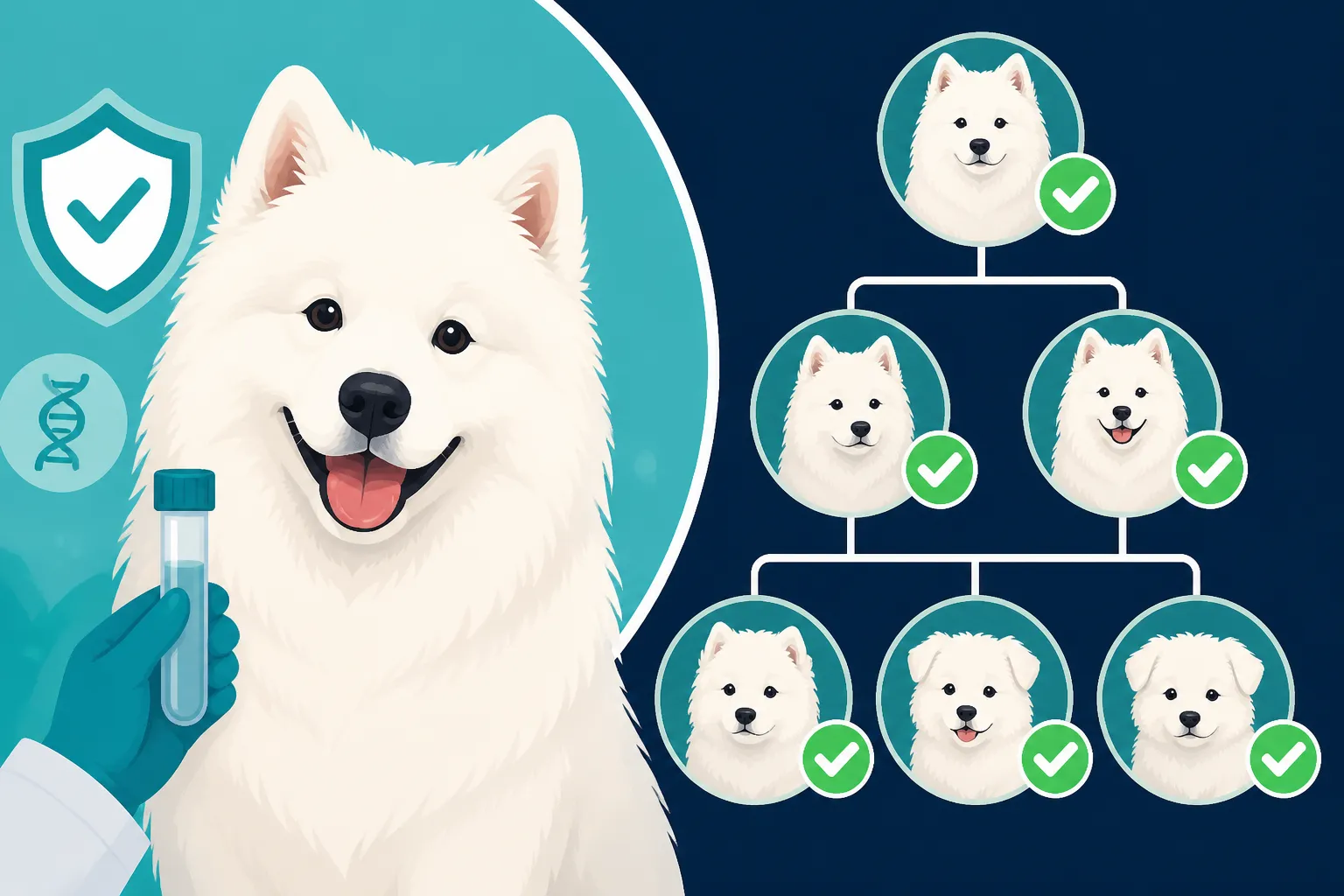
For a diligent Samoyed breeder, the pedigree isn't just a piece of paper listing names; it's a living document, a detailed health blueprint that extends back generations. When considering a breeding pair, a responsible breeder doesn't just look at the health clearances of the immediate sire and dam. They dive deep into the health history of every dog listed on that pedigree for at least three to four generations, often even more. This meticulous pedigree review is a critical first step in generational testing.
This process involves more than just glancing at titles. It means investigating the health outcomes of siblings, aunts, uncles, and cousins of the proposed breeding dogs. Did any of these relatives develop hip dysplasia, eye disease, or other hereditary conditions? Were they carriers for conditions like SHG? A breeder will often consult public databases like the OFA, or directly contact other breeders they've worked with, to gather as much data as possible. They’re looking for patterns, red flags, and areas of consistent strength within a line. For instance, if a particular line consistently produces excellent hips, that’s a positive indicator. Conversely, if a pattern of a certain eye condition appears in a grandparent's siblings, it warrants extreme caution and perhaps additional screening.
This historical investigation helps the breeder make informed decisions about genetic risks. It helps them understand the potential for certain conditions to appear, even if the immediate parents are clear. It's about risk assessment and mitigation, ensuring that they are not inadvertently combining lines that, despite looking good on paper for a single generation, might carry hidden genetic burdens that could manifest in future litters. This deep dive into the past is fundamental to safeguarding the future health of their Samoyed puppies and maintaining the integrity of the breed.
Ongoing Screening for Breeding Stock
Beyond the initial pedigree review, responsible Samoyed breeders maintain an rigorous schedule of ongoing health screenings for all their active breeding stock. Health is not a static state, and some conditions can develop or progress over time. Therefore, what was clear a year ago might need re-evaluation. This commitment to continuous screening is a cornerstone of generational health testing.
For example, while hip and elbow certifications might be a one-time process for OFA (once a dog is old enough, typically two years), eye exams often need to be repeated annually or biannually for breeding dogs. This is because certain eye conditions, like cataracts or some forms of PRA, can develop later in a dog’s life. A breeder wants to ensure their dogs remain clear of these conditions throughout their breeding careers to avoid passing on any newly manifested issues. Similarly, heart evaluations might be repeated periodically, especially as a dog ages, to confirm continued cardiac health.
This regular re-evaluation provides continuous, up-to-date information on the health of the breeding dogs themselves. It’s not just about what was true when they were two years old; it’s about ensuring they are still healthy and sound at four, six, or even eight years old, if they are still part of the breeding program. This diligence ensures that only the healthiest individuals are contributing to the next generation, providing peace of mind for both the breeder and the future puppy owners. When you see a breeder providing documentation for multiple years of eye clearances, for instance, you know you’re talking to someone who takes their responsibilities very seriously.
Tracking Progeny and Sharing Information
A truly dedicated Samoyed breeder understands that their responsibility doesn't end when a puppy goes to its new home. A critical, yet often overlooked, aspect of generational testing is tracking the health and development of the puppies they produce – the progeny. This feedback loop is invaluable for understanding the long-term health trends within their lines and making informed decisions for future breedings.
Responsible breeders often maintain relationships with their puppy buyers, encouraging them to share health updates throughout the dog's life. They may ask for X-ray results for hips and elbows when the dogs are old enough, or information on any health issues that arise. This gathered data, sometimes referred to as "vertical pedigrees," provides real-world insights into what their breeding pairs are actually producing. If a breeder consistently sees excellent health outcomes in their puppies, it validates their breeding choices. Conversely, if an unexpected health issue surfaces in a significant number of puppies from a particular pairing, it prompts the breeder to re-evaluate those lines and potentially cease further breeding from certain individuals.
Furthermore, ethical breeders are transparent and willing to share this generational health information. They will provide copies of health clearances for both parents and often extend to grandparents. They will discuss the known health history of their lines, including any potential issues that may have occurred generations back, and how they are working to mitigate those risks. This level of openness and commitment to tracking their progeny is a hallmark of a breeder who genuinely cares about the long-term health of the Samoyed breed. If a breeder is hesitant to discuss past health outcomes or show you documented evidence, it should be a significant red flag.
The Role of Genetic Counseling and Breed Clubs
Reputable Samoyed breeders don't operate in a vacuum; they actively engage with genetic counselors, veterinary specialists, and breed clubs to ensure their generational testing practices are sound and up-to-date. These resources provide invaluable guidance and support in navigating the complex world of canine genetics and health. This collaborative approach reinforces their commitment to responsible breeding.
Breed clubs, such as the Samoyed Club of America, often establish recommended health testing protocols for their breed. These protocols are developed by genetic committees and veterinary advisors, reflecting the most current scientific understanding of breed-specific health concerns. A conscientious breeder will adhere to these recommendations, and often go above and beyond them, demonstrating their commitment to the highest standards. They participate in discussions, attend educational seminars, and contribute to research efforts that benefit the entire breed. This collective knowledge is essential for understanding nuances, such as The Age a Carrier Samoyed Female Shows Protein Loss or emerging health concerns.
Genetic counseling, whether through a veterinary geneticist or a well-informed mentor, helps breeders interpret complex test results, especially for polygenic diseases. It assists them in making strategic breeding decisions that balance genetic diversity with disease prevention across generations. For instance, if a highly desirable dog carries a problematic gene, a genetic counselor can help devise a breeding plan that minimizes the risk of producing affected offspring while retaining valuable traits. This level of engagement demonstrates a sophisticated understanding of generational health management and a profound dedication to the future of the Samoyed.
The Cost of Commitment: Financial Investment in Testing
Let's be real: comprehensive generational health testing is not cheap. It involves significant financial investment, and this cost is a direct reflection of a breeder's commitment to producing healthy Samoyeds. When you see a higher price tag on a puppy from a reputable breeder, part of what you're paying for is the extensive, multi-generational health screening that has gone into ensuring that puppy has the best possible start in life.
From DNA tests for specific genetic conditions to orthopedic evaluations, eye clearances, and cardiac screenings, each test carries a cost. And when these tests are performed on multiple generations of dogs, year after year, the expenses add up quickly. This financial commitment is a clear indicator that the breeder is prioritizing the health and welfare of their dogs over profit margins. They understand that cutting corners on testing is a false economy, leading to potential health issues down the line that will cost far more in veterinary bills and emotional distress for families.
This is where the difference between a "backyard breeder" and a truly reputable one becomes glaringly obvious. Backyard breeders often skip or minimize health testing to keep their overhead low, resulting in cheaper puppies upfront but potentially exorbitant costs later. Ethical breeders absorb these testing costs as a necessary investment in their program, reflecting their dedication to improving the breed and providing families with healthy companions. It's a testament to their passion and their understanding of the true value of a healthy Samoyed.
Breaking Down Testing Costs
Understanding the specific costs involved in generational health testing helps clarify why reputable Samoyed breeders invest so much and why their puppies might have a higher price tag. Each type of test comes with its own fee, and these accumulate when applied to multiple dogs across several generations. It’s a continuous outlay for a dedicated breeder.
Consider the cost of a DNA test for Samoyed Hereditary Glomerulopathy, which is a crucial screening for breeding females. What the Samoyed Hereditary Nephritis Test Costs is a necessary expense that every breeder of Samoyeds should undertake. Then there are orthopedic evaluations for hips and elbows, which involve sedating the dog for X-rays and paying for the specialized interpretation by veterinary radiologists from organizations like OFA. These are not inexpensive procedures, especially if multiple dogs in the breeding program need to be evaluated.
Eye examinations by a board-certified ophthalmologist are another recurring cost, as they need to be performed annually or biannually for breeding dogs. Cardiac exams, performed by a veterinary cardiologist, also add to the tally. And let’s not forget the occasional general health checks and blood panels that might be done in conjunction with these specialized tests. When you multiply these individual test costs by the number of breeding dogs in a program, and then consider that these are often repeated over several years and across different generations, it paints a clear picture of the substantial financial commitment. It’s an investment that good breeders gladly make because they know it contributes directly to the long-term health of the Samoyeds they bring into the world.
The True Value of a Health-Tested Puppy
While the upfront cost of a health-tested Samoyed puppy might seem higher than one from an untested background, the true value becomes clear over the dog's lifetime. This isn't just about avoiding a few vet bills; it's about minimizing the heartbreak and stress that comes with managing a severely ill dog, especially one suffering from a preventable genetic condition. When you acquire a puppy from a breeder who tests every generation, you're buying peace of mind.
Imagine the emotional toll of watching a young Samoyed male decline rapidly from SHG, knowing that a simple DNA test on his mother could have prevented it. Or the physical and financial strain of managing a dog with severe hip dysplasia from a young age, requiring costly surgeries, medications, and specialized care. These are the scenarios that a reputable breeder actively works to prevent through their generational testing. The "value" isn't just a number; it's the quality of life for your dog and your family.
Furthermore, many pet insurance providers like Healthy Paws may have specific clauses regarding pre-existing conditions. While insurance can be a lifesaver for unexpected accidents or illnesses, issues stemming from un-tested genetic predispositions might be complicated if not proactively managed by the breeder. Starting with a puppy from meticulously tested lines reduces the likelihood of these devastating early-onset genetic conditions, giving your insurance more scope to cover truly unexpected events. A health-tested puppy is an investment in a healthier, happier future, a true testament to a breeder's dedication and ethical practice.
Making Informed Choices: What to Ask Your Samoyed Breeder
As a prospective Samoyed owner, you have a crucial role to play in encouraging responsible breeding practices. Your questions and demands can drive the market towards ethical breeders who prioritize generational health testing. Don't be shy about asking direct, probing questions about a breeder's health testing protocols. A good breeder will welcome your inquiries and be eager to educate you. They understand that an informed owner is a responsible owner, and they want their puppies to go to homes that value health as much as they do.
It’s not enough to simply ask, "Are your dogs health tested?" You need to dig deeper. Ask for specific documentation, inquire about the health of past generations, and understand their philosophy on genetic improvement. This active engagement on your part ensures you're making an informed decision and supporting breeders who truly uphold the standards of the Samoyed breed. Remember, you are not just buying a puppy; you are choosing a partner in a long-term journey, and that journey starts with a healthy foundation.
This table provides a quick guide to what separates a breeder committed to generational health testing from one who might cut corners:
| Aspect | Reputable Breeder (Generational Testing) | Less Reputable Breeder (Limited Testing) |
|---|---|---|
| Health Certificates | Provides official copies (OFA, CERF, DNA) for parents, often grandparents. | Shows vague vet records or avoids specific documentation for parents. |
| Pedigree Discussion | Discusses health history of multiple generations, including siblings/cousins. | Focuses only on immediate parents' health or avoids pedigree health history. |
| Specific Diseases | Openly discusses SHG, hip/elbow dysplasia, eye/heart issues and how they test for them. | May downplay or be unaware of breed-specific health concerns. |
| Ongoing Testing | Explains annual eye exams, follow-up testing, and monitoring of older dogs. | Suggests a one-time test is sufficient, or avoids discussing ongoing screenings. |
| Progeny Tracking | Actively follows up on puppy health; asks for updates/x-rays. | Little to no interest in the health outcomes of past puppies. |
| Transparency | Welcomes questions, makes results publicly accessible (e.g., OFA database). | Becomes defensive or vague when asked about health testing specifics. |
| Genetic Counseling | Consults with specialists, adheres to breed club recommendations. | Relies solely on personal judgment or anecdotal evidence. |
| Cost Justification | Explains how puppy price reflects extensive health investments. | Offers "bargain" prices, often with little explanation of costs. |
Asking for Specific Documentation
When you're speaking with a Samoyed breeder, don't be afraid to get specific about health documentation. It's perfectly reasonable, and indeed essential, to ask for proof of health clearances for the parents of the litter, and ideally, for their parents as well. This isn't about being nosy; it's about being a responsible, informed puppy buyer. A reputable breeder will not only understand but will often have these documents readily available and be proud to share them.
Specifically, you should ask to see copies of OFA certificates for hips and elbows, confirming acceptable ratings (Fair, Good, or Excellent). For eyes, ask for current Canine Eye Registry Foundation (CERF) forms or ophthalmologist reports. Crucially, for Samoyeds, you must inquire about DNA testing for the COL4A5 gene mutation linked to Samoyed Hereditary Glomerulopathy (SHG). Ask to see the genetic test results for both parents, especially the mother, to confirm her carrier status. A breeder should be able to provide these documents, often showing multiple years of clear eye exams for the breeding pair. If they hesitate, claim they're "at the vet," or offer only anecdotal assurance, it's a major red flag.
Beyond the paper trail, ask the breeder how long they've been breeding and what their experience has taught them about specific health issues in Samoyeds. Inquire about the lifespans and causes of death of the dogs in their pedigrees. A breeder who has been in the game for a while, and who genuinely cares, will have a wealth of knowledge and be willing to share stories and insights, not just statistics. This transparency and openness are invaluable indicators of an ethical program and a dedication to generational health.
Understanding the Breeder's Philosophy
Beyond the technicalities of specific tests, a vital part of making an informed choice is understanding the breeder's overall philosophy towards breeding and generational health. This goes beyond mere compliance and delves into their ethical framework and long-term vision for the Samoyed breed. Do they see themselves as mere producers of puppies, or as stewards of the breed's future?
A breeder with a strong philosophy will articulate their goals for their breeding program, which should always include the improvement of health, temperament, and adherence to the breed standard. They'll explain how their health testing protocols, extending across generations, feed into these goals. They should be able to tell you how they use test results to make pairing decisions, how they address potential risks in a lineage, and how they contribute to the wider breed community's efforts to enhance health. For example, some may opt for foods from reputable sources like Ollie or Chewy that cater to specific dietary needs or sensitivities to support overall health in their dogs.
They might also discuss what they've learned from tracking the health of past litters and how that information guides their current choices. A good breeder sees each litter as an opportunity to move the breed forward, not just an isolated event. They will speak passionately about the importance of genetic diversity, even while focusing on health clearances. This deep-seated commitment to the long-term well-being of the Samoyed, demonstrated through a well-articulated breeding philosophy, is the ultimate indicator of a truly responsible breeder who prioritizes generational health.
Disclaimer
This article is for general informational purposes only and does not constitute professional advice. Laws, prices and regulations vary by location and change over time. Consult a qualified professional for guidance on your specific situation.