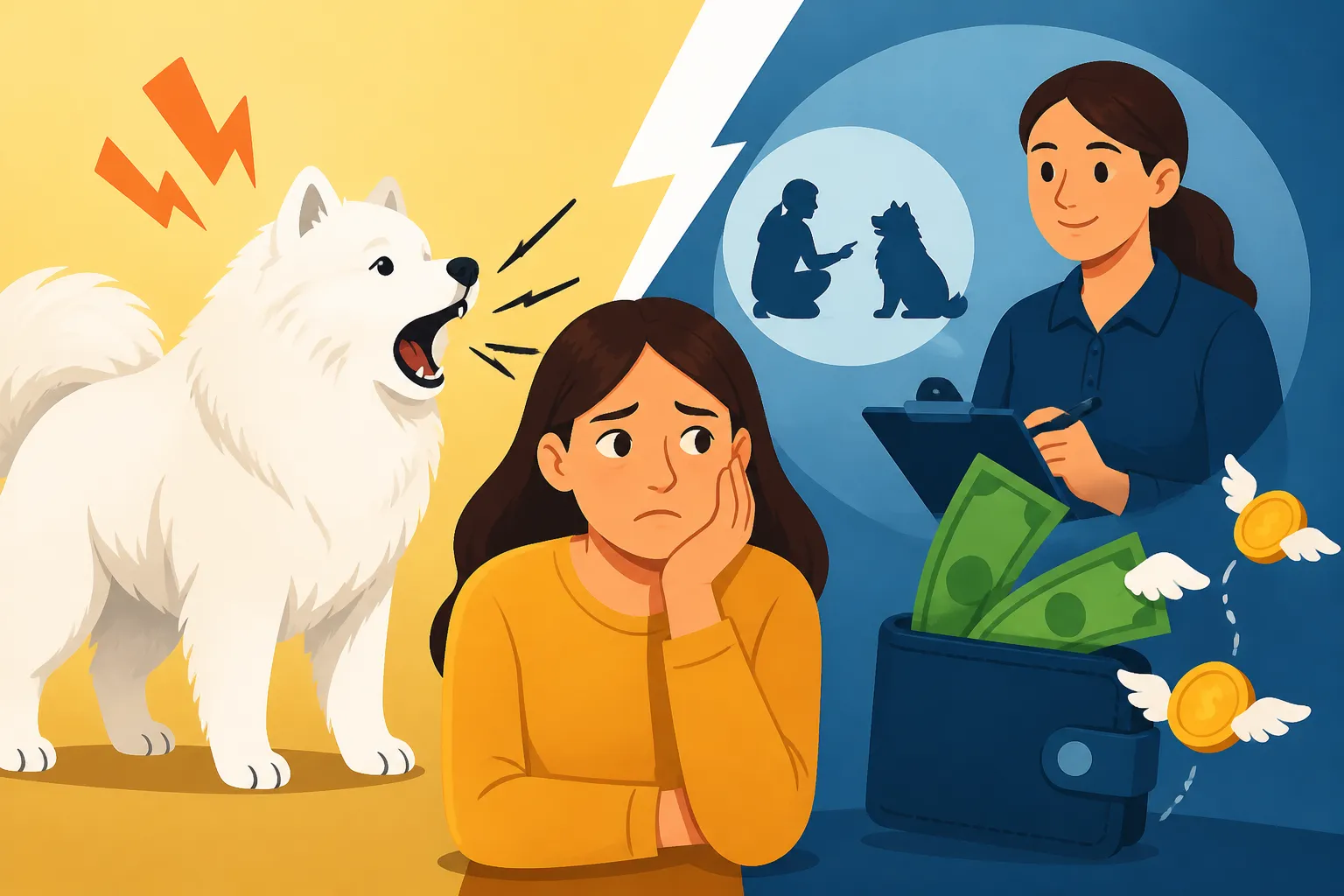
What a Behaviorist Costs a Samoyed Owner With a Barker
Oh, the Samoyed bark. It's not just a bark, is it? It’s often a full-blown conversation, sometimes a siren, sometimes a frustrated "Moooom!" that echoes through the neighborhood. If you're a Samoyed owner, you know this unique vocalization style can escalate into something truly overwhelming, leaving you feeling utterly defeated and your neighbors, well, less than thrilled. When all your usual tricks have failed to quiet your talkative fluffball, you might start thinking about professional help. This guide is going to walk you through what to expect when you consider hiring a certified canine behaviorist for your overly vocal Samoyed, specifically addressing the cost involved in bringing in an expert to tackle that persistent barking.
Understanding Why Your Samoyed Becomes a "Barker"
Let's be real: Samoyeds are not known for their silence. They are intelligent, expressive, and they have opinions on everything. Sometimes, those opinions come out in a chorus of barks, howls, and the infamous "Samoyed scream." Before we even talk about costs, it's crucial to understand that barking is a natural form of canine communication, and for a Samoyed, it's practically a birthright.
The Samoyed's Natural Vocal Tendencies
Our beautiful Samoyeds come from a lineage of working dogs, bred to live and communicate within a pack, and to alert their human companions to changes in their environment. This means they've got a built-in "alert system" that's often very active. They don't just bark; they grumble, they "woo-woo," they sing opera, and yes, they sometimes let out that blood-curdling Samoyed scream that can make you jump out of your skin. It's part of their charm, or so we tell ourselves when we're trying to have a quiet moment.
What might seem like excessive barking to a new owner could just be your Samoyed expressing itself. They might be "talking" to you, trying to initiate play, or simply announcing that a leaf has dared to fall in their yard. Understanding this inherent vocal nature is the first step in addressing problematic barking; you're not trying to silence a Samoyed completely, but rather manage and redirect their natural tendencies. Trying to make a Samoyed completely silent would be like asking a bird not to sing. It’s just not in their DNA.
Common Triggers for Excessive Barking
While some vocalization is normal, a Samoyed's barking can easily tip into the "excessive" category, becoming a real source of stress. There are a multitude of reasons why your fluffy companion might be turning up the volume. Often, it's a combination of factors. One of the most common culprits is boredom. A Samoyed with nothing to do, especially one that isn't getting enough mental or physical exercise, will find ways to entertain themselves, and often that means barking at anything and everything. The mailman, a squirrel, a gust of wind, the neighbor's cat – it all becomes fair game for a good bark.
Another significant trigger is anxiety. Separation anxiety, for instance, can manifest as incessant barking and howling when you leave the house. They truly thrive on companionship, and being left alone for too long can be genuinely distressing for them, leading to loud protests. Then there's territorial barking, where they perceive their home or yard as their domain and feel the need to loudly announce the presence of any "intruder," human or animal. Attention-seeking is another big one; if barking gets them what they want – whether it's a look, a stern word, or a treat – they'll quickly learn that it's an effective communication strategy. Your Samoyed might also be barking out of fear, excitement, or even pain, so it's always wise to rule out medical causes with your vet.
When Barking Becomes a Problem
So, how do you know if your Samoyed's vocalizations have crossed the line from charmingly expressive to genuinely problematic? It's not always an easy distinction, especially when you love your dog unconditionally. Generally, barking becomes a problem when it's excessive, persistent, difficult to interrupt, and negatively impacts the quality of life for your family or your neighbors. If you're constantly apologizing to those living next door, or if you can't have a conversation in your own living room without being interrupted by a cacophony of barks, then you've likely got a problem that needs addressing.
Problematic barking isn't just annoying; it can be a sign of underlying stress, fear, or frustration in your Samoyed. Ignoring it won't make it go away; in fact, it can often become more entrenched. It's a distress signal, a bad habit, or a learned behavior that needs professional intervention to unravel. When you've tried everything you can think of – more walks, new toys, ignoring it, redirecting – and nothing sticks, that's when it's time to seriously consider bringing in a behavior expert. Don't feel like a failure; sometimes, the problem is more complex than a simple training issue. For more on how these amazing dogs hide discomfort, check out How a Samoyed Hides Illness Behind a Smile.
Why a Professional Behaviorist Is Different from a Trainer
Many people conflate dog trainers with behaviorists, but while there's overlap, their roles are distinct, especially when dealing with complex issues like entrenched barking. A trainer typically focuses on teaching obedience commands and shaping specific behaviors, whereas a behaviorist delves much deeper into the "why" behind your dog's actions, addressing the underlying emotions and motivations.
The Scope of a Certified Canine Behaviorist
A certified canine behaviorist is like a psychologist for dogs. They have advanced education and certifications (often requiring degrees in animal behavior, zoology, or related fields, plus extensive practical experience) that equip them to diagnose and treat behavioral disorders. When it comes to a barking Samoyed, a behaviorist isn't just going to teach a "quiet" cue. They're going to investigate why your Samoyed is barking excessively. Is it fear? Anxiety? Compulsion? A deeply ingrained habit? They look at the full picture: your dog's history, environment, genetics, daily routine, and even diet.
Their approach often involves a comprehensive behavior modification plan that might include counter-conditioning, desensitization, management strategies, and environmental enrichment. They focus on changing your dog's emotional response to triggers, rather than just suppressing the outward behavior. This holistic view is crucial for resolving persistent and complex barking issues, especially those rooted in anxiety or reactivity. They're not just trying to put a band-aid on the problem; they're working to heal the root cause.
When You Absolutely Need a Behaviorist
While a good dog trainer can teach your Samoyed to sit, stay, and even offer a solid "quiet" cue for a moment, there are times when their expertise simply isn't enough. If your Samoyed's barking is accompanied by other concerning behaviors, or if it feels deeply ingrained and resistant to conventional training, a behaviorist is likely your best bet. Think of situations like severe separation anxiety, where your Samoyed barks and howls non-stop the moment you leave, perhaps even destroying property or injuring themselves in panic.
Other red flags include barking that seems aggressive, fear-based reactivity towards strangers or other dogs, or compulsive barking that appears to have no obvious trigger. If your Samoyed's barking seems uncontrollable, if it's escalating, or if it's causing significant distress to your dog or your household, then bypassing the standard trainer and going straight to a qualified behaviorist is the smart move. They have the tools and understanding to tackle these more profound psychological challenges. Understanding The Samoyed Scream and Why It Is Not Barking can help you differentiate between typical vocalizations and truly problematic ones.
The Initial Assessment Process
When you first engage with a behaviorist for your barking Samoyed, don't expect them to immediately start with commands. The initial assessment is usually a comprehensive deep dive into your dog's world. This typically involves a lengthy consultation, often several hours, conducted either in your home (which is ideal for observing your Samoyed in its natural environment) or virtually. The behaviorist will want to gather a detailed history of your Samoyed, from puppyhood experiences to daily routines, feeding habits (like specific foods from Ollie or Chewy), previous training attempts, and, of course, the full scope of the barking issue.
They'll observe your Samoyed's body language, interactions within the family, and reactions to various stimuli. You'll fill out extensive questionnaires about your dog's behavior patterns, triggers, and the environment. This thorough fact-finding mission allows them to form a diagnosis and develop a tailored behavior modification plan. They'll help set realistic goals and explain the steps involved, managing your expectations about the timeline and effort required from you. It's a collaborative process, and you're an essential part of the team.
The Investment: What a Behaviorist Costs for a Barking Samoyed
Now, let's talk about the elephant in the room: the cost. Investing in a professional behaviorist is a significant financial commitment, but for many Samoyed owners struggling with incessant barking, it's an investment in peace of mind, a happier dog, and harmonious neighborly relations. The fees can vary widely, but it's important to understand what you're paying for – specialized expertise and a targeted plan, not just a few tricks.
Factors Influencing Behaviorist Fees
Several key factors will influence the total cost of hiring a canine behaviorist for your Samoyed. Location plays a huge role; behaviorists in major metropolitan areas with a high cost of living (think New York City or Los Angeles) will almost certainly charge more than those in smaller towns or rural areas. Experience and credentials also matter immensely. A board-certified veterinary behaviorist (who is a DVM with additional residency training and board certification in behavior) will command the highest fees, reflecting their extensive education and medical background. A certified professional dog trainer (CPDT) with additional behavior certifications will likely be less expensive but still highly qualified for many cases.
The type of service offered also impacts the price. In-home consultations are generally more expensive due to travel time, but they offer the benefit of observing your Samoyed in its natural habitat, which is often invaluable. Virtual consultations can sometimes be a more budget-friendly option, though they rely heavily on your ability to accurately describe and film your dog's behavior. Lastly, whether you opt for individual sessions or a comprehensive package deal can affect the overall outlay. Some behaviorists offer discounted rates for purchasing multiple sessions upfront.
Typical Fee Structures and What They Cover
It’s hard to give exact numbers because they fluctuate, but I can give you an idea of the structure. An initial consultation, which is often the most expensive single session due to its extensive nature, might range quite a bit. This fee typically covers the behaviorist's time for reviewing your dog's history, the in-depth interview, direct observation, initial diagnosis, and the creation of a preliminary behavior plan. This first session can often last 2-3 hours or even longer.
Follow-up sessions are usually shorter and priced lower, often billed hourly or as smaller packages. These sessions are crucial for fine-tuning the plan, addressing new challenges, and providing ongoing support and guidance. Many behaviorists also offer more comprehensive programs or packages that might include a certain number of in-person sessions, phone or email support, and written resources. While these packages have a higher upfront cost, they often represent better value per session compared to paying for individual appointments. Always ask for a detailed breakdown of services and what's included in their fees, and don't hesitate to compare several professionals before committing.
Considering Related and Indirect Costs
Beyond the behaviorist's direct fees, there are often other related costs that savvy Samoyed owners should budget for. First, it's paramount to rule out any underlying medical conditions that could be contributing to the barking. This means a vet visit, which might involve routine check-ups, blood work, or even more specialized diagnostics like a thyroid panel. Sometimes, chronic pain or discomfort can manifest as increased vocalization. If your Samoyed is diagnosed with a medical issue, that will incur veterinary costs. For insights into general health, consider The Health Tests Both Samoyed Parents Should Have.
In some cases, especially with severe anxiety, a behaviorist might recommend medication in conjunction with behavior modification. This would add the ongoing cost of prescription drugs. You might also need to invest in specialized equipment, such as puzzle toys from Chewy to combat boredom, a specific type of muzzle for safety during desensitization, or sound machines to mitigate external triggers. Even dietary changes can be part of the plan; if stress impacts their gut, a switch to a high-quality, easily digestible food, perhaps like one offered by Ollie, might be recommended. These indirect costs, while seemingly small individually, can add up over time, so factor them into your overall budget.
Here’s a simplified breakdown of typical behavioral support options and their general cost structures:
| Service Type | Focus | Typical Duration & Structure | Cost Implication | When to Consider |
|---|---|---|---|---|
| Dog Trainer (Obedience) | Basic commands, leash manners, specific skill teaching | Hourly or multi-session packages | Moderate | Mild barking, lack of basic manners |
| Certified Behavior Consultant | Specific behavioral issues (barking, reactivity), positive reinforcement | Initial consult + follow-up sessions | Moderate to High | Persistent barking, mild anxiety |
| Certified Canine Behaviorist (CCBC) | Underlying emotional/psychological issues, behavior modification | In-depth assessment + structured plan | High | Moderate to severe barking, anxiety, fear |
| Veterinary Behaviorist (Dip ACVB) | Medical & behavioral diagnosis, medication, complex cases | Medical consult + behavior plan/meds | Very High | Severe or aggressive barking, complex phobias |
Maximizing Your Investment and Long-Term Strategies
Hiring a behaviorist is an investment, not just in money, but in time and effort. To truly see results and make that investment worthwhile, you need to be an active, dedicated participant in the process.
Preparing for Your First Session
Before your behaviorist even steps through the door or starts a video call, there's quite a bit you can do to make the most of your initial consultation. First, gather all relevant information about your Samoyed: veterinary records, any prior training notes, a detailed history of the barking problem (when it started, what triggers it, how often it occurs). It can be incredibly helpful to take videos of your Samoyed's barking episodes, especially those that happen when you're not directly interacting with them or when you're not home (using a pet camera). Seeing the behavior firsthand, without you influencing it, provides invaluable insight for the behaviorist.
Write down all your questions and concerns. Think about your goals: what does "success" look like to you? Are you aiming for complete silence (unlikely for a Samoyed!) or a significant reduction in problematic barking? Being prepared allows the behaviorist to hit the ground running and tailor their advice more effectively. Remember, they are there to help you help your Samoyed.
Following Through with the Behavior Plan
The most effective behavior plans require consistency and patience. A single session with a behaviorist won't magically solve your Samoyed's barking problems. The real work begins after that initial consultation, as you diligently implement the strategies they've outlined. This often means making significant changes to your daily routine, your interactions with your Samoyed, and possibly even your home environment. It might involve new exercises, structured play sessions, different ways of rewarding desired behaviors, or specific counter-conditioning protocols.
Consistency across all family members is absolutely vital. If one person is diligent with the plan and another occasionally lets the old habits slide, it can undermine progress and confuse your Samoyed. Behavior modification takes time, sometimes weeks or even months, to show lasting results. There will be setbacks, plateaus, and moments of frustration. Lean on your behaviorist for support during these times and don't be afraid to ask for clarification or adjustments to the plan. This sustained effort is what truly maximizes your investment. If you're wondering about managing potential health issues while sticking to a plan, you might find Whether an Affected Samoyed Can Be Treated helpful.
Support Beyond the Sessions
The journey with a behaviorist doesn't necessarily end when the last formal session is over. Many behaviorists offer ongoing support through email, phone calls, or booster sessions if new challenges arise. They also often provide a wealth of resources, from recommended reading to links for high-quality training tools or enrichment items available on platforms like Chewy.
Consider the role of pet insurance in covering these costs. Policies from providers like Healthy Paws typically cover unexpected illnesses and accidents, but some more comprehensive plans might offer limited coverage for behavioral issues, especially if a medical cause has been ruled out by a vet. It's always crucial to check your specific policy details and understand what is and isn't covered before you need it. Even if your insurance doesn't cover behavioral consultations, setting aside a dedicated emergency fund for your Samoyed’s health and training needs can provide immense peace of mind. For more on the financial side of Samoyed ownership, see What Insuring a Samoyed Costs Monthly. Remember, you're not alone in this; there are communities of Samoyed owners and professionals who understand the unique challenges and joys of these wonderful, vocal dogs.
Disclaimer
This article is for general informational purposes only and does not constitute professional advice. Laws, prices and regulations vary by location and change over time. Consult a qualified professional for guidance on your specific situation.