What a Herding Instinct Test Costs a Samoyed Owner
It can be quite surprising for many Samoyed owners to learn that their fluffy, smiling companion actually harbors a strong, ancient herding instinct. You see these beautiful dogs and often picture them pulling sleds or simply being magnificent companions, but their roots run much deeper than many realize. If you're curious about tapping into this fascinating aspect of your Samoyed's heritage, you might be wondering what a herding instinct test involves, and more importantly, what it might cost you. This guide will walk you through the various financial aspects and considerations involved in getting your Samoyed's herding instinct officially evaluated.
Understanding the Samoyed's Herding Roots and the Instinct Test
For generations, long before they became the beloved show dogs and family pets we know today, Samoyeds were indispensable working companions to the nomadic Nenets people in Siberia. While their most famous role was pulling sleds and keeping people warm, these dogs were also crucial for managing reindeer herds. This isn't just a quaint historical tidbit; it means that deep within their genetic makeup, many Samoyeds carry a natural desire to gather and move livestock.
What is a Herding Instinct Test?
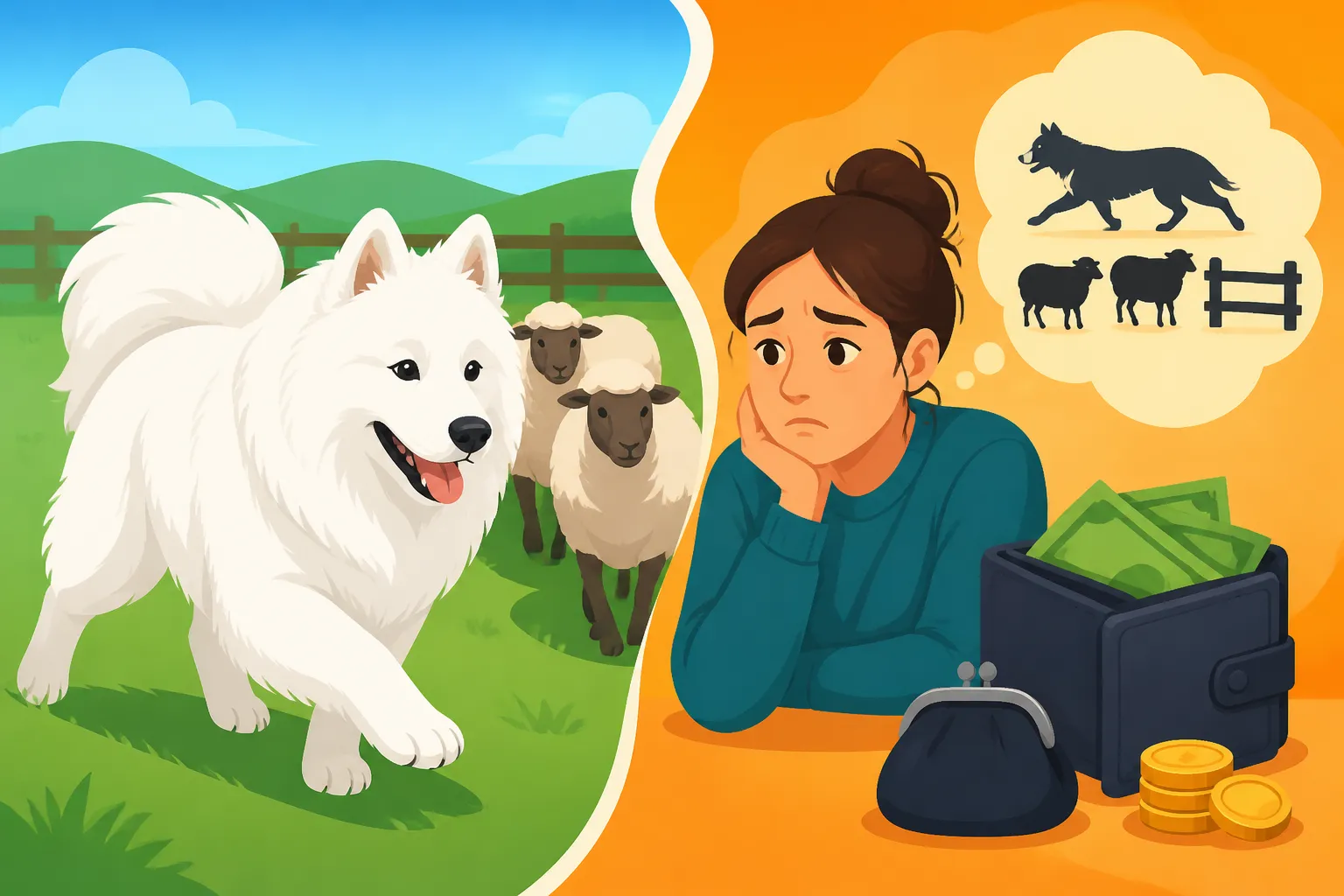
A herding instinct test is essentially an assessment designed to see if a dog possesses the natural drives and responses necessary for herding. It's not a training session, but rather a controlled exposure to livestock, usually sheep or ducks, to observe the dog's innate reactions. The environment is safe and managed, with experienced handlers ensuring the well-being of both your dog and the livestock. You might think it sounds a bit wild to put your beloved house dog in a pen with sheep, but it's really about seeing if that spark, that ancient call to work, is present.
The test typically involves a trained handler introducing your Samoyed to a small group of livestock in an enclosed area. The handler carefully watches for specific behaviors: does your dog show interest? Does it try to gather the animals, circle them, or move them? Does it respond to the movement of the herd? This isn't about perfection or precise commands; it's about the raw, inherent desire and ability. It's a fantastic way to witness a piece of your Samoyed's history unfold before your very eyes. You might just discover a side of your furry friend you never knew existed. The Herding Instinct Nobody Expects From a Samoyed delves deeper into this fascinating aspect of the breed.
Why Owners Seek a Herding Instinct Test for Their Samoyed
There are several compelling reasons why a Samoyed owner might decide to pursue a herding instinct test. For many, it's about pure curiosity. They've read about the breed's history with reindeer and wonder if their own dog has inherited that spark. It's a way to connect with the breed's ancestral purpose and see their dog engage in a truly natural behavior.
Beyond curiosity, an instinct test can be a wonderful form of enrichment for your Samoyed. These intelligent and active dogs thrive on having a job to do. If they show a strong herding instinct, it opens up a whole new world of potential activities and training. This mental and physical stimulation can be incredibly fulfilling for a Samoyed, preventing boredom and channeling their energy in a constructive way. Imagine the joy of seeing your Samoyed light up, focused and determined, as they respond to the subtle movements of a small flock. It's a profound experience that strengthens the bond between you and your dog. Moreover, discovering this instinct might lead you down a path of further training, allowing your Samoyed to truly shine in a way that honors their heritage. You might even find yourself looking into more formal training for Whether a Samoyed Still Herds Reindeer.
Breaking Down the Costs: What to Expect for a Herding Instinct Test
When considering a herding instinct test, it's natural to wonder about the financial commitment. The truth is, the cost can vary quite a bit depending on where you are, who is offering the test, and what exactly is included. It’s not a fixed price like a bag of kibble from Chewy, but rather a range that reflects different facilities and services.
Key Factors Influencing the Cost
Several elements play a significant role in determining how much you'll pay for a herding instinct test. Understanding these can help you budget and make informed decisions.
First, location is a huge factor. Facilities in more rural areas, especially those with their own livestock, might offer tests at a lower price point compared to specialized dog sports centers near major metropolitan areas where land and overhead costs are higher. The availability of herding facilities in your region will also impact pricing; if there's only one game in town, they might set their rates differently.
Second, the experience and reputation of the instructor or facility can influence the fee. A highly renowned herding trainer or a facility with a long track record of success often commands a higher price, reflecting their expertise and the quality of their livestock and grounds. You're not just paying for access to sheep; you're paying for someone who truly understands canine behavior and herding dynamics.
Third, the type of test and what's included will affect the cost. Some facilities offer a simple "instinct test" as a standalone service, which is usually a shorter session focused purely on initial observation. Others might bundle the instinct test into a short introductory workshop or clinic, which naturally comes with a higher price tag but also provides more hands-on guidance and initial instruction if your dog shows promise. The kind of livestock used – sheep versus ducks, for example – generally doesn't dramatically change the price for an instinct test, as the primary cost is the instructor's time and the use of the facility and animals.
Typical Cost Components
While specific figures are impossible to provide, we can look at the typical components that make up the overall cost.
- Registration/Session Fee: This is the core cost for the instinct test itself. It covers the instructor's time, the use of the livestock, and the facility. For a single instinct test session, you might expect this to be the bulk of your expense. If it's part of a clinic or workshop, this fee will be higher, encompassing multiple sessions or longer periods of instruction.
- Travel Costs: Don't forget to factor in the cost of getting to the facility. Herding facilities are often in more rural settings, which might mean a significant drive. Gas, tolls, and potentially even an overnight stay if the facility is very far away can add up quickly.
- Miscellaneous Supplies: While generally minimal for an instinct test, you might want to bring special high-value treats (perhaps sourced from Chewy) to reward your Samoyed for calm behavior or focus, a comfortable leash and collar or harness, and plenty of water. Most facilities will have leashes and staffs for the actual herding pen, but your personal gear matters.
- Follow-Up Training: This isn't part of the instinct test cost, but it's worth considering. If your Samoyed shows a strong instinct, you might be tempted to pursue further training. This will involve additional fees for classes or private lessons, which can be a significant ongoing expense. The Herding Instinct Nobody Expects From a Samoyed mentions the historical aspect, which can be followed up with actual training.
Here's a general idea of how costs might break down:
| Cost Component | Description | Typical Scope (Informational) |
|---|---|---|
| Instinct Test Fee | Direct cost for the session, instructor, and livestock access. | Ranges from a modest sum for a basic test to a higher amount for a longer, more structured clinic. |
| Travel Expenses | Fuel, tolls, potential accommodation. | Highly variable based on distance to the facility. |
| Equipment | High-value treats, comfortable leash, water bowl. | Often minimal, as specific herding equipment is usually provided or optional. |
| Club Membership | Some facilities or clubs might require a small annual membership fee. | Not always required for an instinct test, but common for ongoing training. |
| Incidentals | Snacks for you, dog waste bags, etc. | Very minor, but good to keep in mind. |
Remember, these are general guidelines. Always contact the specific facility directly for their current pricing and what their herding instinct test includes.
Finding a Herding Instinct Test Near You and Maximizing the Value
Once you've decided to explore your Samoyed's herding potential, the next step is locating a reputable facility. It's not always as simple as looking up "dog park" on a map, as herding venues are quite specialized.
Where to Look for Herding Instinct Tests
Your first and best resource will often be breed-specific clubs. The Samoyed Club of America, or regional Samoyed clubs, often have members involved in herding and can provide recommendations for local trainers or facilities that cater to northern breeds. They might even host their own instinct testing events or clinics, sometimes at a discounted rate for members. These clubs are invaluable for finding breed-specific information, whether it's about activities like herding or general health concerns like The Kidney Disease That Kills Samoyed Males Before Fifteen Months.
Herding associations are another excellent avenue. Organizations like the American Herding Breed Association (AHBA) or the American Kennel Club (AKC) provide lists of trials, events, and sometimes even approved herding instructors. Their websites are usually searchable by state or region, helping you pinpoint nearby opportunities.
Local dog training clubs that offer a wide range of activities might also have herding programs or know of facilities in the area. Even if they don't host herding themselves, they often have a network of contacts within the dog sport community. Don't be shy about asking around at obedience classes or agility events; dog people love to share their knowledge!
Finally, word of mouth from other Samoyed owners or dog sport enthusiasts can be very powerful. Join online forums, local dog groups, or attend dog shows to chat with people. Someone is bound to have a recommendation or personal experience to share. When you're looking for something as specific as a herding instinct test, personal recommendations often lead to the best experiences.
Tips for Making the Most of Your Investment
To ensure you get the most out of your financial outlay for a herding instinct test, a little preparation goes a long way.
Firstly, research the facility and instructor thoroughly. Read reviews, look at their experience, and if possible, observe a test or training session before you commit. You want to feel comfortable with their methods and how they interact with both dogs and livestock. A good instructor will prioritize safety and positive reinforcement.
Secondly, prepare your Samoyed. While it's an "instinct" test, a dog that is comfortable with basic obedience commands like "sit," "stay," and a reliable recall (even if on a long line) will be easier for the handler to manage. Ensure your dog is well-rested, fed, and has had a chance to relieve themselves before the test. A dog that is stressed or overly excited might not show its true potential. Remember, Samoyeds are intelligent but can be Whether a Samoyed Is Stubborn or Bored, so a calm, focused approach will benefit everyone. Bringing along some top-tier training treats, perhaps from a brand like Chewy, can help keep their attention and make it a positive experience.
Lastly, go in with an open mind. The purpose of an instinct test is to see if the instinct is there, not to guarantee a herding champion. Some Samoyeds will show a strong, natural aptitude, while others might be more interested in sniffing the grass or trying to make friends with the sheep. Both outcomes are perfectly fine! If your dog doesn't show a strong instinct, it doesn't mean they're a "bad" Samoyed; it just means herding might not be their calling. There are countless other activities your Samoyed might excel at, like Whether a Samoyed Can Do Agility or Whether a Samoyed Can Earn a Sledding Title. The goal is enrichment and discovery, not necessarily a new career path for your fluffy friend.
Making the Decision: Is a Herding Instinct Test Right for Your Samoyed?
Deciding whether to pursue a herding instinct test for your Samoyed is a personal choice that involves weighing the potential benefits against the costs and effort. It's an opportunity to explore a unique facet of your dog's heritage, but it's not for every Samoyed or every owner.
The Benefits of Discovering Your Samoyed's Herding Instinct
There are many wonderful advantages to undertaking a herding instinct test. The most immediate benefit is the incredible mental and physical stimulation it provides. Samoyeds are smart and active dogs that thrive on having a purpose. Engaging their innate herding drives can be profoundly satisfying for them, burning off energy in a constructive way and keeping their minds sharp. This kind of activity can prevent behavioral issues that often stem from boredom or a lack of appropriate outlets, like excessive barking or destructive chewing.
Beyond the immediate stimulation, it's a fantastic way to deepen your bond with your Samoyed. Working together, even in a test scenario, builds trust and understanding. You'll learn more about your dog's natural reactions and instincts, gaining a richer appreciation for their capabilities. It’s a chance to see them in a completely new light, tapping into a primal part of their being. This unique experience creates lasting memories and stories you'll cherish. Plus, if your Samoyed shows a strong interest, it opens the door to a whole new world of dog sports and activities that you can enjoy together, like actual herding classes.
Finally, there's the undeniable joy of connecting with your breed's history. Knowing that your Samoyed is exhibiting behaviors that their ancestors used for survival and livelihood thousands of years ago is truly special. It's a tangible link to their past, making their heritage come alive. It's also an excellent conversation starter and a way to educate others about the diverse talents of the Samoyed breed, which often gets pigeonholed purely as a sled dog or pretty face. The Nenets of the Yamal Peninsula Bred the Samoyed is a great resource if you want to understand more about their background.
Considerations Before Committing
While the benefits are clear, there are also practical considerations that might make a herding instinct test less ideal for some. The cost, as we've discussed, can be a factor, especially when you consider travel and potential follow-up training. It's an investment, and like any investment, you need to ensure it aligns with your budget and priorities.
Time commitment is another important aspect. Even if your Samoyed shows an instinct, pursuing further herding training requires regular dedication to classes and practice. If your schedule is already packed, adding another weekly dog activity might not be feasible. Remember that A Samoyed With Children and Other Animals requires a lot of your time and attention already.
Lastly, and perhaps most importantly, consider your Samoyed's individual personality and health. While many Samoyeds have the instinct, not all will enjoy the experience. If your dog is overly shy, fearful of new environments or animals, or simply has no interest in livestock, forcing them into a herding situation would be counterproductive and stressful. A qualified instructor will recognize this and let you know if it's not a good fit. Also, ensure your Samoyed is in good physical health for any new activity. While an instinct test isn't overly strenuous, overall fitness is important for active breeds. A balanced diet, perhaps with fresh food options like Ollie, supports their vitality. And for any active pursuit, it's wise to have pet insurance from providers like Healthy Paws to cover unexpected health issues that might arise.
Ultimately, a herding instinct test is a fantastic way to explore the depths of your Samoyed's personality and heritage. It can be a rewarding, educational, and fun experience for both of you, opening doors to new adventures and a deeper understanding of your smiling companion.
Disclaimer
This article is for general informational purposes only and does not constitute professional advice. Laws, prices and regulations vary by location and change over time. Consult a qualified professional for guidance on your specific situation.