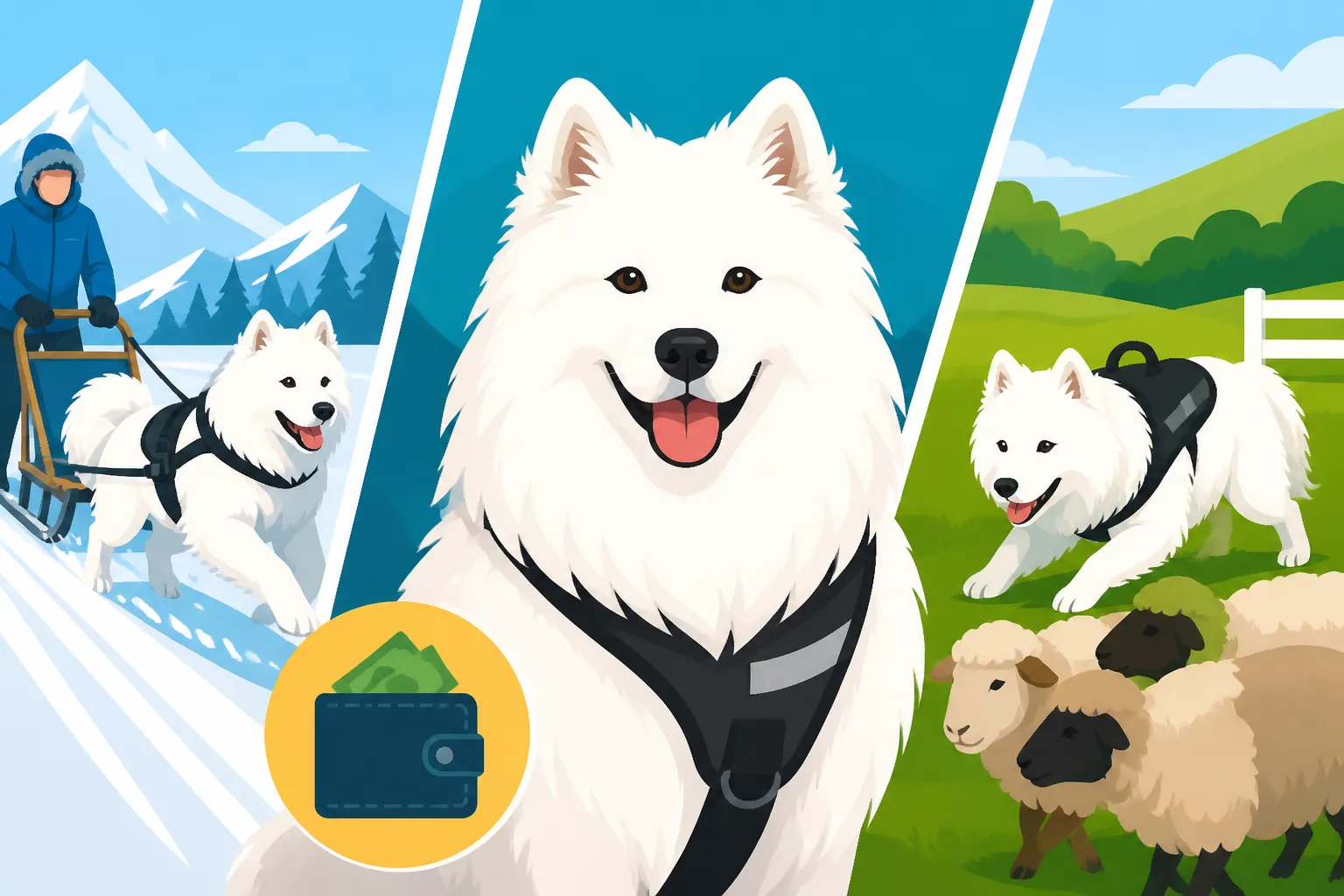
Sledding, Herding and What a Working Samoyed Costs to Campaign
Bringing home a Samoyed is an incredible adventure, but for those who dream of seeing their fluffy companion truly thrive in a working role – whether it’s pulling a sled through a winter wonderland or exhibiting its ancient herding instincts – the journey goes far beyond the initial puppy purchase. This isn't just about owning a pet; it's about investing in an athlete, a partner, and a passion. This comprehensive guide will walk you through the real financial commitment involved in campaigning a working Samoyed, from the specialized training to the equipment, nutrition, and ongoing health care that makes these dreams a reality.
Understanding the Foundation: Initial Investment in a Working-Line Samoyed
The initial step in campaigning a working Samoyed begins long before the first training session. It starts with selecting the right puppy and ensuring they have the best possible start in life, which inherently carries its own set of costs.
The Price Tag of a Purpose-Bred Puppy
When you envision your Samoyed pulling a sled or skillfully moving a flock, you're looking for a dog bred for more than just a pretty face and a fluffy coat. Working-line Samoyeds come from breeders who prioritize health, temperament, and the innate drive necessary for their historical jobs. This commitment from the breeder is reflected in the price.
A reputable breeder of working Samoyeds invests significantly in their breeding stock. This includes extensive health clearances for the parents, not just the basic requirements, but often additional screenings to ensure the strongest genetic foundation. They are looking for dogs free from genetic predispositions to conditions like The Kidney Disease That Kills Samoyed Males Before Fifteen Months or Hip Dysplasia in a Samoyed. These breeders usually participate in working events themselves, demonstrating the capabilities of their dogs, and they put immense effort into raising their litters, focusing on early socialization and developmental stimuli crucial for a future working dog. You might find that What a Samoyed Puppy Costs From a Breed Club Breeder reflects this deep commitment to the breed's future and health. These aren't just costs; they are investments in the dog's future soundness and ability to perform the tasks you're asking of them. A lower initial price tag might seem appealing, but it often comes with a hidden cost in terms of potential health issues or a lack of the inherent drive and stable temperament needed for working roles.
Essential Puppy Supplies for an Active Future
Beyond the initial purchase price of the puppy itself, you'll need to prepare your home and daily routine for a highly active and intelligent dog. This means investing in supplies that can stand up to a Samoyed’s playful, sometimes destructive, nature and their need for mental and physical stimulation. Think beyond a generic dog bed and a plastic bowl.
A high-quality, durable crate is paramount, not just for house-training but for providing a safe den that can withstand a determined Samoyed. You'll need sturdy leashes and harnesses, not just for walks but also for introducing them to equipment they'll use later in their working life. These early harnesses should be comfortable and well-fitting, allowing for proper development without restricting movement. Heavy-duty chew toys are a must to direct their natural chewing instincts away from your furniture. Additionally, you'll want to start with a high-quality puppy food, ensuring they receive the best nutrition for healthy growth. Websites like Chewy offer a wide array of durable products that cater to active breeds, helping you stock up on everything from puzzle toys to strong chew bones that will keep your Samoyed puppy engaged and prevent boredom, which can lead to destructive behaviors.
Early Health Checks and Preventative Care
The foundation of a working dog's career is robust health. Even with a well-bred puppy, the first few months are critical for establishing a strong health baseline and protecting them from common ailments. This involves a series of veterinary visits, vaccinations, and parasite prevention.
These initial vet checks are essential for monitoring growth, catching any nascent health issues early, and establishing a relationship with a veterinarian who understands active breeds. Vaccinations protect your puppy from serious diseases, while regular deworming and flea/tick prevention are crucial for their overall well-being. Microchipping is also a vital, though often overlooked, early investment, offering peace of mind should your adventurous Samoyed ever get lost. Breeders should provide comprehensive health records for the parents and puppy, outlining initial vaccinations and any health guarantees. You should always insist on reviewing The Health Tests Both Samoyed Parents Should Have to understand the genetic predispositions the puppy might carry. These early preventative measures, while an upfront cost, are far less expensive than treating serious illnesses down the line and lay the groundwork for a long, healthy, and active life.
Training for the Trails and Fields: Investment in Skills
A working Samoyed isn't born with all the skills needed for the trail or the herding pasture; they must be developed through consistent, specialized training. This stage represents a significant investment in time, effort, and financial resources.
Obedience Training Beyond the Basics
Samoyeds are intelligent, but they are also known for their independent spirit. They're often described as "negotiable" when it comes to obedience, which means basic 'sit' and 'stay' might not be enough for a working dog who needs to respond reliably under pressure or distraction. Therefore, obedience training for a working Samoyed often needs to go far beyond the typical pet dog classes.
Enrolling in advanced obedience classes, perhaps even working towards Canine Good Citizen or Rally titles, can be highly beneficial. These classes focus on precise execution, responsiveness to handler cues from a distance, and maintaining focus amidst distractions. You might find that Training a Samoyed That Finds Obedience Negotiable is an ongoing process, requiring patience and a deep understanding of positive reinforcement techniques. Group classes offer structured learning and socialization, while private lessons can be invaluable for addressing specific challenges or refining skills with one-on-one attention from a professional trainer. The cost of these classes can accumulate, but the investment pays dividends in a dog that is a joy to work with and a safe partner in demanding environments. A well-trained Samoyed is not only more effective in its chosen sport but also a more confident and well-adjusted companion in everyday life.
Sport-Specific Training and Instruction
Once your Samoyed has a solid foundation in obedience, it's time to delve into the specific skills required for their working discipline. This is where the specialized instruction truly begins, whether you're aiming for sledding, skijoring, canicross, or herding.
For pulling sports, you'll need to find experienced instructors or clubs that offer hands-on training. This might involve dryland training with carts or bikes before moving to snow, teaching commands like "gee" (right) and "haw" (left), and building endurance. The importance of proper technique cannot be overstated, both for the dog's safety and your own, and to prevent injuries that could sideline your athlete. You might also be keen to learn The Age a Samoyed Can Start Sledding, which will influence your training timeline. For herding, clinics will introduce your Samoyed to livestock in a controlled environment, helping to channel their natural instincts safely and effectively. This often requires working with a professional herding instructor who understands breed-specific behaviors. The costs include clinic fees, travel to training locations (which can sometimes be quite a distance), and potentially paying for access to facilities with appropriate livestock. These specialized training programs ensure that your Samoyed learns correctly from the start, building confidence and a strong working partnership. You might want to consider What a Herding Instinct Test Costs a Samoyed Owner to assess their potential.
Behavioral Support for High-Drive Dogs
Working Samoyeds, by their very nature, are high-drive animals with strong instincts. While these traits are desirable for their chosen activities, they can also present unique behavioral challenges that might require professional intervention.
The Samoyed's famous vocalizations, often described as The Samoyed Scream and Why It Is Not Barking, might need careful management, especially if you live in a close-knit neighborhood. Their intelligence and ancestral independence can sometimes manifest as a knack for escaping, leading to concerns about How a Samoyed Gets Out of Anything You Build. High prey drive, a valuable asset in some working contexts, can be problematic in others, requiring careful training and management. If these behaviors become overwhelming or unsafe, consulting a certified professional dog trainer or a veterinary behaviorist can be a crucial investment. These experts can help identify the root cause of behaviors and develop tailored strategies using positive reinforcement to channel these powerful instincts constructively. While an additional cost, addressing behavioral issues early can prevent them from escalating and ensure your Samoyed remains a happy, well-adjusted, and manageable partner throughout their working life.
Gear Up: Equipping Your Working Samoyed
Engaging your Samoyed in working activities requires more than just enthusiasm; it demands specialized equipment designed for performance, safety, and comfort. This gear often represents a significant ongoing investment.
Sledding and Pulling Equipment
If sledding, skijoring, canicross, or bikejoring is your goal, you'll quickly discover a world of specialized equipment beyond a standard walking harness. The right gear is crucial for your dog's safety and comfort, and for efficient power transfer.
This includes purpose-built pulling harnesses, often custom-fitted to ensure no pressure points or restricted movement. You'll need ganglines (the lines connecting dogs to each other and to the sled), as well as appropriate leads for skijoring (where the dog pulls a person on skis) or canicross (where the dog pulls a runner). For dryland training, a cart or scooter might be necessary, and if you're serious about traditional sledding, an actual sled is a major purchase. Dog boots are essential for protecting paws from ice, snow, or rough terrain, and you'll want to have multiple sets. Headlamps or lights for night training, and specialized clothing for the handler, also factor into the budget. The initial outlay for a complete rig can be substantial, and components may need replacement due to wear and tear. If you're wondering about the specifics, our guide on What a Samoyed Sledding Rig Costs dives into more detail.
Herding and Livestock Work Supplies
For those pursuing the ancient herding instincts of the Samoyed, a different set of specialized tools is required, focused on communication, control, and safety around livestock.
This gear typically includes long lines for control during initial training, herding sticks or crooks for guiding both dog and livestock, and sometimes specialized whistles for precise, long-distance commands. Protective gear might also be necessary for the dog, especially if working with larger or more assertive livestock. Beyond the physical equipment, access to livestock is paramount. This might mean renting time at a herding facility, paying for sheep or cattle access, or even owning your own small flock, which carries its own significant costs. The goal is to safely channel the Samoyed's natural circling and gathering instincts without harming the animals or allowing the dog to engage in aggressive or out-of-control behavior. The investment in appropriate supplies and access to training facilities is critical for developing a capable and safe herding dog.
General Active Lifestyle Gear
Beyond the sport-specific equipment, the everyday life of a working Samoyed often demands higher-quality, more specialized gear to support their active lifestyle and unique needs.
Given the Samoyed's propensity for adventurous escapes, a reliable GPS collar can be an invaluable safety net. Our article, Whether a GPS Collar Is Worth It for a Samoyed, explores this topic in depth. Durable, comfortable leashes and collars that can withstand frequent use and strong pulling are a must. In warmer climates or during intense workouts, cooling vests or specialized bedding might be necessary to help regulate their body temperature. For transportation to training sites and events, you might need a heavy-duty crate or a specialized vehicle restraint system that keeps them secure. Portable water bowls and robust car seat covers are also practical considerations. These items, while seemingly minor, add up and are crucial for ensuring your working Samoyed's comfort, safety, and readiness for action, no matter where their adventures take you.
Fueling the Athlete: Nutrition and Supplements
A working Samoyed expends significantly more energy than a typical pet. This means their dietary needs are vastly different, requiring a careful approach to nutrition and often the inclusion of specific supplements to support their high-performance lifestyle.
High-Performance Diets for Working Dogs
Just like human athletes, working Samoyeds need a diet tailored to their energy output. A generic kibble, while perfectly adequate for a couch potato, won't provide the sustained energy or muscle recovery needed for intense physical activity.
High-performance dog foods are formulated with higher protein and fat content to meet these elevated caloric demands. They often contain specific blends of ingredients to support muscle development, stamina, and quick recovery. Choosing the right food involves understanding macronutrient ratios, digestibility, and sourcing. Brands like Ollie, known for their fresh, human-grade ingredients, or high-quality kibble options found on Chewy, might be considered, ensuring your Samoyed gets optimal nutrition. This isn't just about feeding more; it's about feeding smarter. A sudden increase in activity without a corresponding change in diet can lead to weight loss, fatigue, or even injury. Consulting with a veterinary nutritionist or a breeder experienced in working dogs can help you select the best diet for your Samoyed's specific activity level and individual needs.
Supplements for Joint Health and Recovery
The constant impact, twisting, and sustained effort involved in pulling or herding can put significant stress on a Samoyed's joints and soft tissues. Preventative and supportive supplementation can be a wise investment to maintain their mobility and comfort throughout their working life.
Common supplements include glucosamine and chondroitin, which support cartilage health, and omega-3 fatty acids, known for their anti-inflammatory properties. Other beneficial additions might include MSM, collagen, or even specialized blends designed for canine athletes. While these aren't a substitute for a balanced diet and proper training, they can play a crucial role in supporting joint resilience, reducing inflammation, and aiding in recovery after strenuous activity. The ongoing cost of these supplements should be factored into your budget, as they are typically a daily or regular expense. Our guide to Joint Supplements for a Samoyed provides a deeper dive into common options and their benefits. It's always best to discuss any new supplements with your veterinarian to ensure they are appropriate for your dog and won't interact negatively with any other medications or health conditions.
Hydration Strategies for Endurance
Proper hydration is critical for any working dog, perhaps even more so for a Samoyed with its thick double coat, especially when performing in warmer conditions. Dehydration can quickly lead to fatigue, decreased performance, and dangerous heat-related illnesses.
Beyond simply having a water bowl available at home, you'll need to develop effective hydration strategies for training sessions and events. This includes carrying ample fresh water on all outings, using portable dog bowls or hydration packs, and encouraging frequent small drinks. For longer or more intense efforts, electrolyte supplements specifically formulated for dogs can help replenish essential minerals lost through sweat and panting, preventing muscle cramps and maintaining proper body function. Knowing Signs a Samoyed Is in Heat Distress is paramount, and ensuring they have access to cool water is a primary prevention method. Training your Samoyed to drink on command during breaks can also be incredibly useful. These hydration tools and techniques are not optional; they are a fundamental part of keeping your working Samoyed safe, healthy, and performing at their best.
Health Maintenance for the Working Canine
The demands placed on a working Samoyed mean that their health care needs are often more intensive and potentially more costly than those of a less active pet. Proactive and responsive veterinary care is essential.
Regular Veterinary Care and Preventative Measures
While every dog needs annual veterinary check-ups, a working Samoyed often benefits from more frequent or specialized attention. Their bodies are under more stress, making early detection of issues even more critical.
Beyond the yearly comprehensive exam, your veterinarian might recommend more frequent physical assessments, especially focusing on joint health, muscle condition, and cardiovascular function. Regular blood work might be suggested to monitor organ function, particularly if supplements or medications are being used. Maintaining an ideal weight is also crucial for working dogs, as excess weight puts undue strain on joints and reduces performance. Our article, Why a Samoyed Owner Must Watch Its Weight Closely, emphasizes the importance of this. Advanced screenings, such as orthopedic evaluations or cardiac clearances, might be repeated periodically, even after initial puppyhood, to catch any developing issues before they become debilitating. These preventative measures, while an ongoing expense, are designed to keep your Samoyed performing optimally and to extend their working career for as long as possible.
Managing Injuries and Common Ailments
The reality of an active, working dog is that injuries are an inherent risk. From minor sprains and strains to more serious issues like torn ligaments or paw pad injuries, you need to be prepared for potential veterinary interventions.
Common issues for working Samoyeds might include muscle soreness, repetitive strain injuries, or abrasions to their paw pads from challenging terrain. More serious injuries could involve lameness, joint issues, or even fractured bones. Prompt veterinary attention is crucial for accurate diagnosis and effective treatment. This can range from rest and medication to physical therapy, hydrotherapy, or even surgery. The costs associated with these treatments can be significant, especially for emergency visits or specialized rehabilitation. Recognizing Signs a Samoyed Is in Heat Distress is vital, as heatstroke can be a life-threatening emergency requiring immediate and costly veterinary care. Having a plan and a budget for these potential issues is a realistic part of owning a working Samoyed.
Insurance for Peace of Mind
Given the potential for high veterinary costs, especially with an active dog prone to injuries or unexpected illnesses, pet insurance can be an invaluable financial tool for working Samoyed owners. It provides a safety net against unforeseen expenses.
Pet insurance policies vary widely in what they cover, deductibles, and reimbursement rates. Many owners choose comprehensive policies that cover accidents, illnesses, and sometimes even routine care. When selecting a policy, it's important to understand any exclusions, especially for pre-existing conditions or breed-specific ailments. A provider like Healthy Paws offers different options that can help cushion the blow of unexpected veterinary bills. While it's an ongoing monthly premium, the peace of mind knowing that you can make critical healthcare decisions for your Samoyed without financial stress can be priceless. Our article on What Insuring a Samoyed Costs Monthly provides a general overview, but it's always best to get specific quotes and compare coverage details to find the best fit for your working Samoyed's needs.
The Campaign Trail: Competition and Travel Costs
For those who aspire to campaign their working Samoyed, entering competitions and traveling to events adds another distinct layer of financial commitment. This is where your investment truly starts to manifest in public performance.
Entry Fees and Event Participation
Participating in organized working events, whether it's a sled dog race, a herding trial, or an advanced obedience competition, comes with various fees that need to be budgeted for.
Each event typically requires an entry fee, which can vary depending on the prestige of the competition, the length of the race, or the complexity of the trial. These fees contribute to the cost of organizing the event, prize money (if any), and judging. Beyond individual event fees, you might also need to become a member of specific breed clubs or working dog organizations to be eligible to compete. For instance, understanding What a Samoyed Sledding Club Membership Costs would be essential for a musher. These memberships often come with annual dues. Furthermore, if you're aiming for titles or championships, you'll incur additional fees for official registration of accomplishments. These costs are recurring and must be factored into your annual budget if you plan a competitive season.
Travel and Accommodation
Working dog events are rarely held in your backyard. Traveling to competition venues, training camps, or herding facilities can involve significant logistical planning and expense.
Consider the cost of fuel for your vehicle, especially if you're hauling a sled or a dog trailer. Depending on the distance, you might need to budget for overnight stays in pet-friendly hotels or campsites. Some events are held in remote locations, which can mean higher travel costs or fewer accommodation options. You'll also need to consider food and supplies for both yourself and your Samoyed during these trips. Specialized transport systems, such as a dog box for the back of a truck, can be an initial investment but provide safe and comfortable travel for your canine athlete. These travel expenses can fluctuate widely based on your proximity to events and your competitive ambitions, but they are an unavoidable part of campaigning a working Samoyed.
Time and Opportunity Cost
While not a direct monetary cost, the investment of your time in campaigning a working Samoyed is arguably the most significant and often overlooked expense. This commitment directly impacts your personal and professional life.
Training a working Samoyed is not a weekend hobby; it's a daily dedication. This includes early morning runs, evening training sessions, consistent practice of specific skills, and extensive grooming to maintain their working coat. Attending clinics, workshops, and competitions can consume entire weekends, sometimes even full weeks, requiring time off from work or other responsibilities. There's also the time spent on researching equipment, planning diets, and managing their overall care. This opportunity cost – the value of what you could be doing instead of training or traveling – is substantial. It requires a significant reprioritization of your schedule and lifestyle. For many, this investment of time is part of the deep bond and immense satisfaction gained from working with their Samoyed, but it is a very real cost that demands consideration.
| Category | Initial Investment (Cost Shape) | Ongoing Annual Cost (Cost Shape) | Key Considerations |
|---|---|---|---|
| Samoyed Puppy | High | N/A | Working lines, health testing, reputable breeder |
| Basic Supplies | Moderate | Low-Moderate | Crate, leashes, durable toys, initial food |
| Vet & Preventative | Moderate | Moderate-High | Vaccinations, check-ups, parasite control, emergency fund |
| Obedience Training | Moderate-High | Low-Moderate | Advanced classes, private lessons, continued practice |
| Sport-Specific Training | Moderate | Moderate-High | Clinics, instructors, facility access, travel |
| Specialized Gear | High | Moderate-High | Sleds, harnesses, herding tools, GPS collars |
| High-Performance Diet | N/A | Moderate-High | Increased calories, quality ingredients, brand like Ollie |
| Supplements | N/A | Moderate | Joint health, recovery, omega-3s |
| Pet Insurance | N/A | Moderate-High | Monthly premiums, deductibles, coverage limits, Healthy Paws |
| Competition Fees | N/A | Moderate-High | Entry fees, club memberships |
| Travel & Accommodation | N/A | Moderate-High | Fuel, lodging, vehicle wear |
| Time & Dedication | Very High | Very High | Personal sacrifice, scheduling, consistent effort |
Campaigning a working Samoyed is truly a labor of love, a profound partnership built on mutual respect and shared effort. It's not a cheap endeavor, nor is it one to enter into lightly. The financial commitment stretches far beyond the initial purchase price, encompassing specialized training, high-quality gear, performance-grade nutrition, diligent health care, and the often-underestimated costs of competition and travel. However, for those dedicated individuals who are prepared for the investment – both monetary and in terms of time and personal sacrifice – the rewards are immeasurable. Witnessing your magnificent Samoyed fulfill its innate potential, working with joy and purpose, is an experience that truly enriches life and strengthens the bond between human and canine in the most extraordinary ways.
Disclaimer
This article is for general informational purposes only and does not constitute professional advice. Laws, prices and regulations vary by location and change over time. Consult a qualified professional for guidance on your specific situation.