Whether a Samoyed Is Cheaper to Keep in a Cold Climate
Anyone who’s ever admired a Samoyed's glorious white coat and perpetually happy "Sammy smile" has likely thought, "Wow, that dog must be miserable in the summer!" And if you live somewhere with sweltering summers, you've probably wondered if owning one in a colder climate would just be… easier, and maybe even cheaper. It's a valid thought, given their heritage, but the reality of Samoyed ownership is a bit more nuanced than simply subtracting summer from the equation. This guide will dive deep into the specific cost implications of raising a Samoyed in different climates, breaking down where you might save a few dollars and where the bills will stay stubbornly the same, regardless of how many snowdrifts are outside your door.
The Hidden Cost of Keeping a Samoyed Cool
One of the most immediate and impactful financial considerations for Samoyed owners in warmer climates is the sheer effort and expense required to keep their fluffy friends comfortable. These dogs were quite literally A Samoyed Built for Sixty Below in an American Summer, and their double coats, while magnificent, are a liability when the mercury rises.
Air Conditioning: A Non-Negotiable Expense
For families living in regions where summer temperatures regularly soar above 75-80 degrees Fahrenheit, air conditioning isn't a luxury; it's a critical health necessity for a Samoyed. You're not just cooling your house for yourself; you're creating a life-sustaining environment for your dog. This means cranking the AC and keeping it running, often for months on end. The continuous hum of the air conditioner throughout spring, summer, and even into early fall can lead to a noticeable spike in your electricity bills. It’s not just about a few extra dollars; for many, What Air Conditioning Adds to a Samoyed Household can be a significant budget line item, easily running into hundreds of dollars over a season. Imagine the sticker shock when your power bill doubles in July because your furry polar bear needs to be kept frosty.
Beyond the baseline AC, some owners invest in supplemental cooling. You might find yourself buying cooling mats for your Samoyed to lounge on, strategically placing fans around the house, or even setting up a kiddie pool in the yard for them to splash in during the hottest parts of the day. While a kiddie pool might be a one-time purchase, continually filling it and keeping it clean adds to your water bill and your chore list. These aren’t optional extras; they’re often essential tools to prevent overheating and ensure your Samoyed’s well-being.
Mitigating Heat-Related Health Risks
The constant battle against heat in warm climates also carries a hidden, and potentially devastating, financial risk: emergency vet visits for heatstroke. Samoyeds are incredibly stoic and can hide discomfort until it's severe. A fun walk in the park that stretches too long, a moment of lapsed attention in a warm backyard, or even a power outage on a hot day can quickly escalate into a life-threatening emergency. Treating severe heatstroke involves intensive veterinary care, including IV fluids, cooling measures, monitoring for organ damage, and potentially an overnight stay. These emergencies are not cheap, and they can easily cost thousands of dollars.
While pet insurance from providers like Healthy Paws can certainly help mitigate these unexpected costs, prevention is always better. In colder climates, the risk of heatstroke is dramatically lower, if not entirely eliminated, reducing the potential for these high-cost emergencies. This isn't just about money; it's about the emotional toll of seeing your beloved Samoyed suffer, something that owners in naturally cool environments rarely have to confront.
Exercise and Enrichment in a Cold Climate
One of the biggest advantages, both for your Samoyed's happiness and your wallet, of living in a cold climate is the natural environment for exercise and mental stimulation. Samoyeds are working dogs, bred for endurance and activity in frigid conditions.
Unleashing Their Inner Explorer
In a cold climate, your Samoyed can truly thrive outdoors. Longer walks, energetic games of fetch in the snow, or even just extended supervised playtime in a securely fenced yard become joyous, regular activities. This isn't just about physical exertion; it's about mental enrichment. A Samoyed that gets ample exercise is a happier, calmer dog. They are less prone to destructive behaviors born out of boredom and pent-up energy, such as excessive barking, chewing furniture, or The Digging a Samoyed Does Because It Is Hot to find a cool spot.
Contrast this with warmer climates, where outdoor exercise often becomes a strategic challenge. Walks must be relegated to the early morning hours or late evening, avoiding the scorching midday sun and dangerously hot pavement. You might find yourself having to skip walks entirely on particularly oppressive days. This reduced opportunity for natural exercise means owners in warm areas often need to find indoor alternatives, which can include doggy daycare, treadmill training, or more intense indoor enrichment activities. While these can be beneficial, they can also add to the monthly budget. A Samoyed that can joyfully run for an hour in crisp, cool air often needs less "managed" entertainment indoors.
Embracing Winter Sports
For Samoyed owners who embrace their dog's heritage, a cold climate opens up a world of activities that are simply impossible in warmer regions. Skijoring, sledding, canicross, or even just long hikes in snowy wilderness areas allow your Samoyed to engage in the work they were bred for. These activities are incredibly fulfilling for the dog and owner alike, providing unparalleled physical and mental stimulation.
While there's an initial investment in specialized gear like harnesses, lines, and appropriate winter clothing for yourself, these activities can be very cost-effective in the long run. They provide hours of free, natural entertainment and exercise. If you live somewhere without snow, replicating this level of engagement often requires more structured (and potentially expensive) training classes, specialized facilities, or additional equipment. In a cold climate, the landscape itself becomes your dog's playground, and that's a priceless benefit that can translate to fewer behavioral issues and a healthier, more contented companion.
Year-Round Care: What Stays the Same, Regardless of the Thermometer
While climate certainly impacts some aspects of Samoyed ownership costs, it's crucial to remember that a significant portion of their care remains constant, no matter if you're battling blizzards or sunshine. These are the fundamental expenses that every Samoyed owner will face.
The Ever-Present Grooming Bill
Let's be real: that magnificent double coat is a marvel, but it requires significant upkeep. Samoyeds shed, and they shed a lot, especially during their bi-annual "coat blow" when they literally shed enough fur to knit a small sheep. This isn't a climate-dependent phenomenon; it's just part of owning a Samoyed. Whether you're in Alaska or Arizona, you'll be dedicating time to brushing, and potentially money to professional groomers.
For those who DIY, you'll need a good quality force dryer, various brushes, combs, and undercoat rakes. These are upfront investments, but the consumables are brushes that wear out and the sheer amount of time you spend. If you opt for professional grooming, which many Samoyed owners do, The Grooming Bill on Twenty Pounds of Samoyed Undercoat can be substantial. A full groom, especially during a coat blow, is an intricate, time-consuming process. Groomers often charge more for large, heavily coated breeds like Samoyeds, and these services are needed regularly to prevent matting and keep the coat healthy. A cold climate doesn't magically reduce the shedding or the need for thorough grooming; it just means the fur is perhaps better adapted to its environment.
Food, Supplies, and Routine Vet Care
Every Samoyed, everywhere, needs to eat. Food is a consistent monthly expense, and while a highly active sled dog might require a calorie-dense performance formula, the average pet Samoyed's caloric needs are relatively stable. High-quality kibble or fresh food options, whether from your local pet store or a subscription service like Chewy or Ollie, will be a regular purchase. Don't forget treats for training and enrichment, as well as toys, which they'll inevitably chew through with gusto.
Routine veterinary care is another universal cost. Annual check-ups, vaccinations, parasite prevention (flea, tick, and heartworm medications), and dental care are essential for keeping your Samoyed healthy. These costs don't vary based on your zip code's average temperature. Furthermore, Samoyeds are prone to certain hereditary conditions, like hip dysplasia, progressive retinal atrophy, or even a serious kidney disease known as The Kidney Disease That Kills Samoyed Males Before Fifteen Months. These health issues can arise regardless of climate and will incur veterinary expenses, sometimes substantial ones. Regular monitoring, like yearly bloodwork, and early intervention are key components of responsible ownership, all of which come with a price tag.
Pet Insurance: A Smart Investment Anywhere
Given the potential for unexpected health issues, pet insurance is a wise investment for any Samoyed owner. Companies like Healthy Paws offer various plans that can help cover the costs of accidents, illnesses, and emergency veterinary care. While the specifics of coverage and premiums vary, the need for insurance doesn't change with the climate. It's a financial buffer against the unpredictable, ensuring you can provide the best care for your Samoyed without breaking the bank, whether they develop a sudden ailment in a warm climate or injure themselves romping in the snow. What Insuring a Samoyed Costs Monthly is an ongoing expense that should be factored into your budget from day one.
Crunching the Numbers: Where the Real Savings Lie
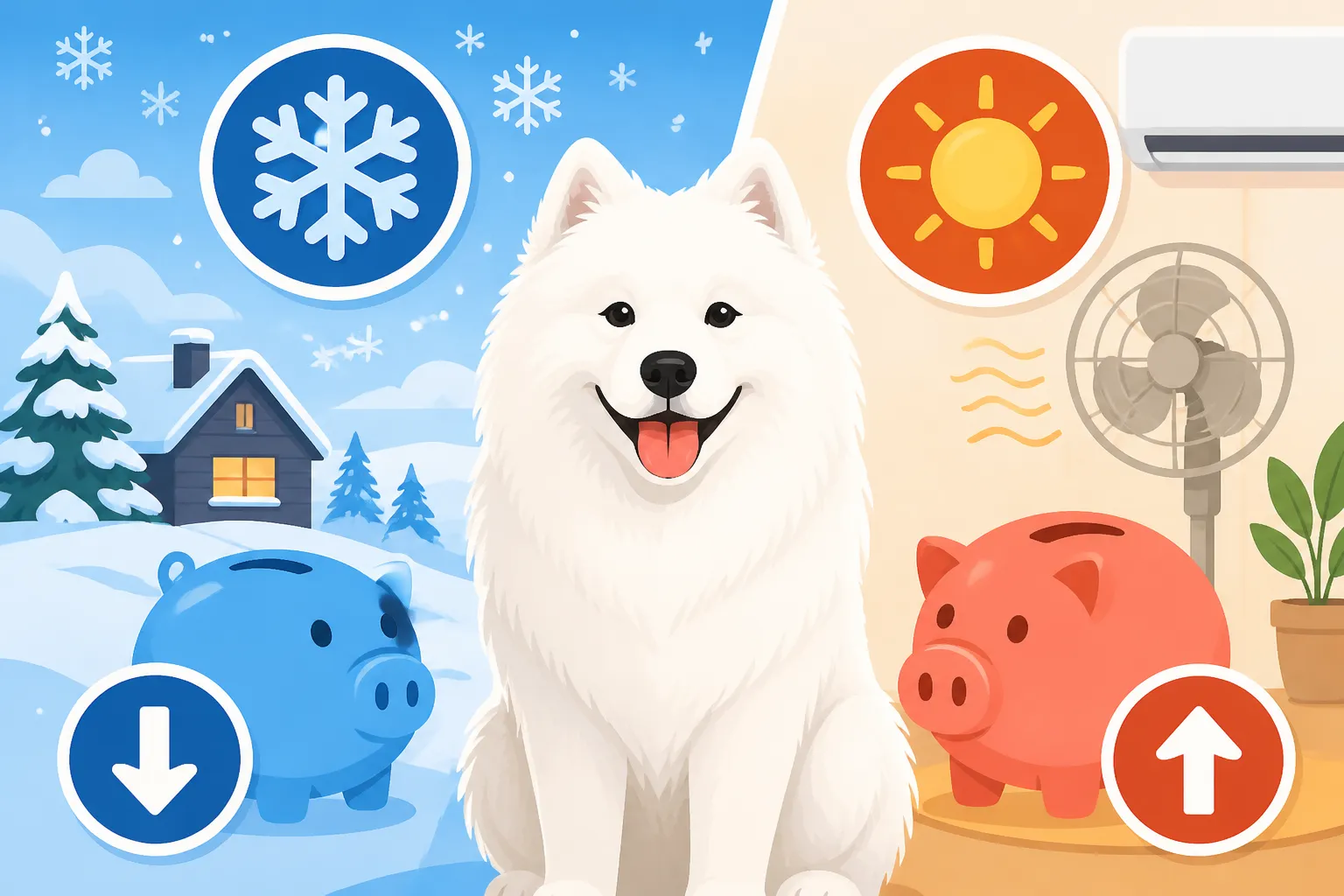
So, is a Samoyed truly cheaper to keep in a cold climate? The answer is nuanced, but yes, there can be tangible savings, predominantly tied to energy consumption and reducing health risks.
Energy Bills: A Clear Winner for Cold Climates
This is arguably the most significant area of potential savings. As discussed, the relentless need for air conditioning in warmer regions translates directly into higher electricity bills. Imagine the difference between running your AC constantly for six months out of the year versus rarely needing it. That saving alone can easily amount to hundreds, if not over a thousand, dollars annually. When you factor in the purchase and running costs of cooling mats, fans, and higher water bills for outdoor cooling, the financial advantage of a cold climate becomes even clearer.
| Cost Category | Warm Climate (Potential Higher Cost) | Cold Climate (Potential Lower Cost) |
|---|---|---|
| Electricity (AC) | High, continuous use for months | Low, minimal to no AC use |
| Cooling Accessories | Mats, fans, kiddie pools (purchase & operation) | Generally not needed |
| Water Usage | Frequent kiddie pool refills, hosing down | Less for cooling purposes |
| Heatstroke Vet Bills | High risk, potentially thousands for emergencies | Very low risk, rare |
| Exercise Options | Limited daytime outdoor; more reliance on indoor/paid | Abundant, free outdoor opportunities for longer periods |
| Food Costs | Fairly consistent (unless extreme work in cold) | Fairly consistent (unless extreme work in cold) |
| Grooming Costs | Consistent (coat blow happens regardless) | Consistent |
| Routine Vet Care | Consistent | Consistent |
| Pet Insurance | Consistent | Consistent |
| Winter Gear (Owner) | Minimal | Potential investment in owner gear for outdoor activities |
Reduced Risk, Reduced Costs
Beyond the direct energy savings, the reduced risk of heat-related illnesses means fewer emergency vet visits. While you can't predict every health issue, eliminating a major environmental stressor like heat significantly lowers the probability of expensive, sudden medical crises. This peace of mind, knowing your Samoyed is inherently better suited to the ambient temperature, is invaluable.
It's not about cutting corners on What a Samoyed Needs Every Day, but rather optimizing their environment to reduce stressors and associated costs. A Samoyed in a cold climate is simply in its element. It's less stressed by the weather, which can lead to a generally healthier, more resilient dog. While things like The Full Cost of Thirteen Years With a Samoyed will still include all the normal expenses of food, toys, routine vet visits, and unexpected health challenges, the portion of that cost related to climate control and heat-induced medical emergencies will almost certainly be lower if you live somewhere cool.
Ultimately, while the core expenses of owning a Samoyed remain universal, living in a cold climate can indeed make it cheaper to keep your Samoyed comfortable and healthy, primarily by reducing the massive burden of managing heat and mitigating its associated health risks. It frees up resources, both financial and emotional, allowing you to focus more on enjoying your happy, active companion rather than constantly worrying about the thermostat.
Disclaimer
This article is for general informational purposes only and does not constitute professional advice. Laws, prices and regulations vary by location and change over time. Consult a qualified professional for guidance on your specific situation.