Why a Samoyed Will Never Guard Your House
It's a common assumption that any dog, especially one as magnificent and alert-looking as a Samoyed, will naturally stand guard over your home and family. Many people envision their furry companion as a loyal sentry, barking fiercely at strangers and deterring any would-be intruders. However, if you're bringing a Samoyed into your life with the expectation of a formidable guard dog, you're likely in for a delightful, but perhaps surprising, reality check. This guide will delve deep into why the Samoyed's ancient instincts and inherent temperament simply don't align with traditional guarding duties, exploring their history, their unique "smile," and what you can realistically expect from these wonderfully friendly white fluffballs.
The Samoyed's Ancient History: A Friend, Not a Fighter
To truly understand why a Samoyed isn't going to be your personal bodyguard, we have to travel back in time to their origins. These beautiful dogs hail from the harsh, icy regions of Siberia, specifically with the nomadic Nenets people of the Yamal Peninsula. Their role in these communities was vastly different from what we associate with guard dogs today, and this history is deeply imprinted on their very DNA.
Bred for Companionship and Utility, Not Aggression
The Nenets people relied on their dogs for survival, and aggression towards humans was simply not an option. Think about it: these were animals that lived in incredibly close quarters with families. They shared tents, curled up with children for warmth, and were integral to daily life. A dog with an aggressive streak, or even a naturally suspicious nature, would have been a liability, not an asset, in such an intimate arrangement. Their primary jobs were pulling sleds, herding reindeer, and providing warmth. The Nenets of the Yamal Peninsula Bred the Samoyed to be a true partner in survival, one that was gentle, cooperative, and deeply bonded with humans.
They were not bred to protect reindeer from human rustlers, but rather to herd them and move them from pasture to pasture. They were not left alone to guard property, because the nomadic lifestyle meant there was no fixed property to guard in the way we understand it. Their value was in their utility and their unwavering loyalty and friendliness towards their human companions. This foundational history means that the inherent instinct to be suspicious of strangers, or to aggressively defend territory, simply isn't part of the Samoyed's genetic blueprint.
Living in Harmony: The Tent Dweller
Imagine the freezing temperatures of Siberia, often dipping to 60 degrees below zero. Survival depended on every possible advantage, and for the Nenets, that included their Samoyeds. These dogs weren't just outside working; they were inside the chums (tents) with the families. The Samoyed Slept in the Tent to Keep People Alive, huddling close to provide warmth and comfort. This constant, intimate contact forged an unbreakable bond of trust and companionship between dog and human.
This close living arrangement, spanning centuries, essentially bred out any significant territorial or aggressive tendencies towards people. A dog that shared a tent with an entire family, including small children, needed to be utterly trustworthy and gentle. Any dog exhibiting guarding behaviors or hostility towards unfamiliar humans would have been culled from the breeding pool, simply because it posed a danger to the very people it was meant to assist. This long-standing tradition of communal living shaped the Samoyed into the uniquely affable and open-hearted breed we know today.
The "Samoyed Smile" and Its Social Function
One of the most endearing and recognizable features of a Samoyed is their characteristic "smile." This upturned mouth and bright, intelligent eyes give them an appearance of perpetual happiness and approachability. While it certainly melts hearts, this smile is more than just a charming facial expression; it's a direct reflection of their welcoming nature and even serves a practical purpose.
A Reflection of Their Friendly Disposition
The Samoyed smile isn't just for show; it's a genuine indicator of their friendly disposition. Unlike some breeds where a bared tooth might signal aggression or warning, a Samoyed's upturned lips convey exactly what you see: an open, cheerful, and non-threatening demeanor. This is deeply ingrained in their temperament. They are, by nature, gregarious and sociable, not just with their own families, but with almost everyone they encounter.
Think about walking your Samoyed in a busy park. While other dogs might be wary of strangers or keep their distance, a Samoyed will often pull towards anyone offering a kind word or a pat. Their tail will wag, their eyes will twinkle, and that famous smile will be on full display. This isn't just a learned behavior; it's an intrinsic part of who they are. They genuinely enjoy human interaction and see new faces as potential friends, not threats. This instinctual friendliness is a huge barrier to developing any effective guarding skills.
More Than Just a Pretty Grin: Preventing Icicle Formation
Beyond reflecting their inner joy, the Samoyed smile actually has a fascinating practical application, directly linked to their arctic heritage. The slightly upturned corners of their mouth prevent drooling, which, in sub-zero temperatures, would quickly lead to the formation of icicles around their muzzle. These icicles could cause frostbite, restrict movement, and make it difficult for the dog to breathe or eat.
So, while it looks like a permanent grin, it's also a brilliantly evolved survival trait. This combination of an inherently cheerful disposition and a physical adaptation for extreme cold means the Samoyed is literally built to look and act friendly, even in the harshest environments. It underscores how every aspect of their being, from their thick coat to their facial structure, is geared towards their ancestral roles of pulling, herding, and companionship, not intimidation or guarding.
Why a Samoyed Greets Everyone as a Friend
This is where the rubber meets the road for anyone expecting a guard dog. A Samoyed's default setting for anyone approaching its territory or its family is pure, unadulterated friendliness. They simply don't possess the suspicious nature necessary to be an effective deterrent.
Lack of Suspicion Towards Strangers
Many traditional guard breeds, like German Shepherds or Rottweilers, are bred with a natural wariness of strangers. They assess newcomers, often maintaining a watchful distance, and are quick to perceive potential threats. Samoyeds? Not so much. Their historical role meant they needed to be approachable and non-threatening to all humans, including visitors to the camp or fellow herders. They greet everyone with an open heart and a wagging tail.
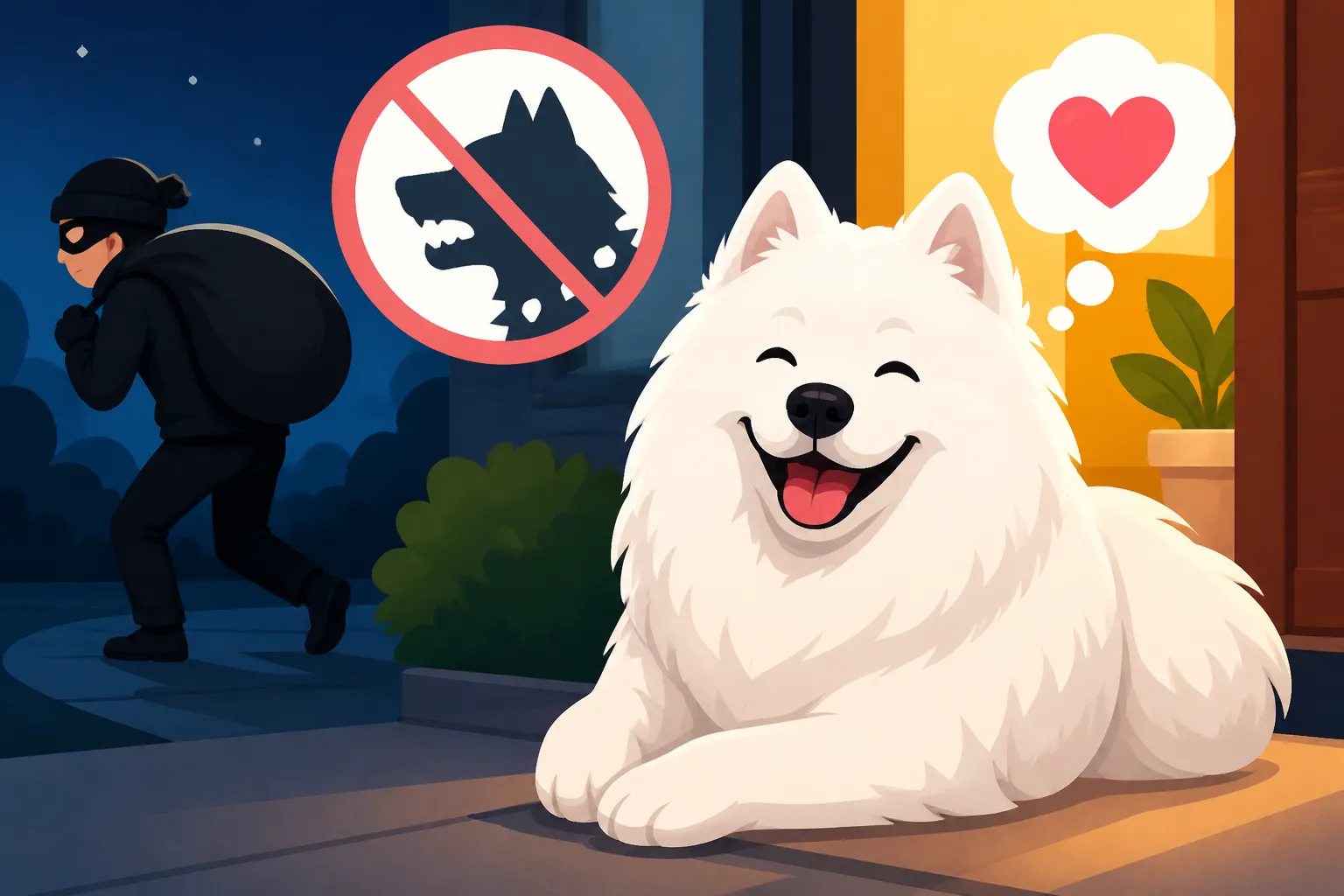
This means that if a stranger walks onto your property, a Samoyed is far more likely to approach them with curiosity and a plea for pets than with a challenging bark or aggressive posture. They might even try to "herd" the stranger in a friendly way, guiding them towards you as if to say, "Look, new friend! Let's introduce you!" Why a Samoyed Greets a Burglar with a joyful wag, rather than a protective snarl, is a testament to this deep-seated lack of suspicion. Their idea of interaction is a happy one, regardless of the other party's intentions.
The "Welcome Committee" Instinct
Instead of a guard dog, think of your Samoyed as your official "Welcome Committee." They are often the first to notice a car pulling up, or someone at the front door, and they will certainly make noise. But this noise is usually an excited, high-pitched "Samoyed Scream" or a boisterous bark of anticipation, not a menacing warning. The Samoyed Scream and Why It Is Not Barking is usually a sound of pure excitement, expressing their joy at the prospect of new company.
They will greet the mail carrier, the delivery person, or even an unexpected visitor with the same effusive enthusiasm they reserve for family members. There's no discrimination; every human is a potential source of affection and attention. If you're looking for a dog that will enthusiastically alert you to a presence, a Samoyed excels at that. If you're looking for one that will then intimidate or physically deter that presence, you're going to be disappointed. They want to be friends, not foes.
Instinct vs. Training: Can You Teach a Samoyed to Guard?
The short answer is: you shouldn't, and it's highly unlikely to be effective in the way you might envision a guard dog. While all dogs can be trained, working against centuries of selective breeding and deeply ingrained instincts is an uphill battle, often with undesirable outcomes.
Working Against Nature: A Losing Battle
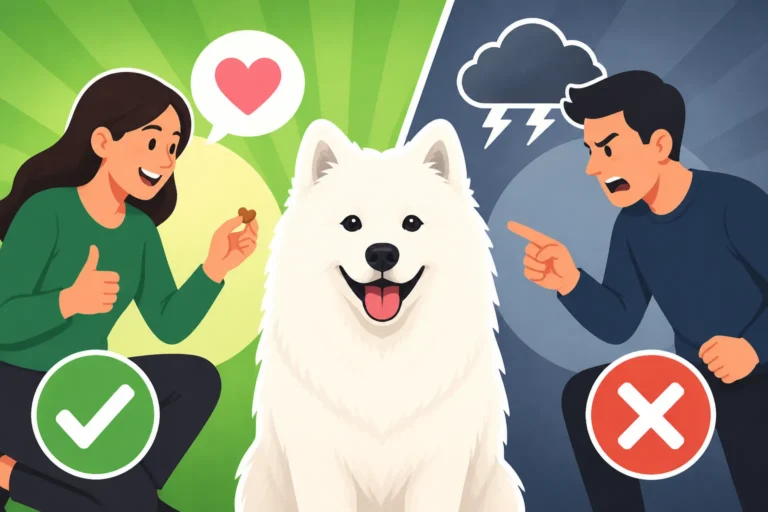
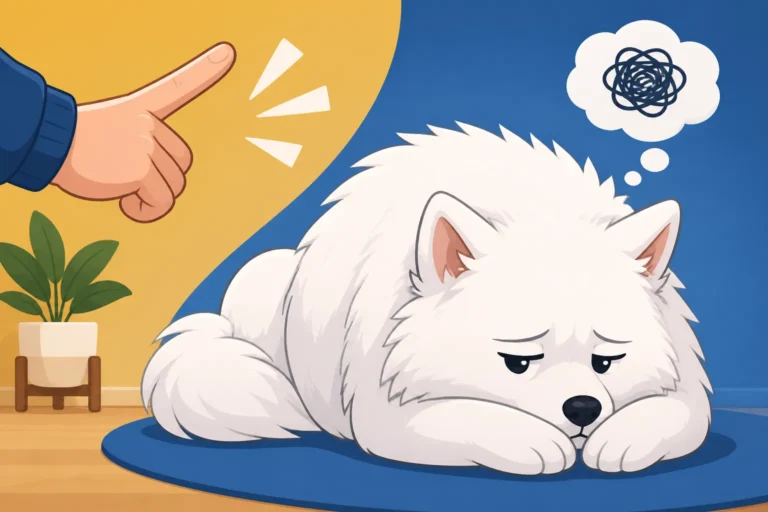
Attempting to train a Samoyed to be a guard dog means trying to override their fundamental nature. You're asking a breed that was purposefully selected for its gentleness and sociability to become suspicious, aggressive, and territorial. This goes against everything they are. Such training can lead to a confused, anxious, or even unstable dog. Instead of a confident protector, you might create a dog that is fearful-aggressive, lashing out due to uncertainty rather than genuine protective instinct.
Forcing a Samoyed into a role that contradicts their innate temperament can cause significant stress for the dog. They thrive on positive interactions and companionship. Being pushed to view strangers as threats can erode their natural joy and replace it with anxiety. It’s simply not fair to the dog, nor is it likely to produce a reliable guarding animal. Why a Samoyed Ignores a Cue It Knows when it goes against their core instinct is a common frustration for owners trying to force unnatural behaviors. Their intelligence is high, but their motivation for guarding is nil.
The Risks of Attempting Guard Training
Beyond the ethical considerations, there are practical risks involved in trying to make a Samoyed a guard dog.
- Unpredictability: A truly friendly dog, when forced to act aggressively, can become unpredictable. They might show aggression in inappropriate situations or, conversely, fail to act when genuine protection is needed. This creates a dangerous situation for both the dog and anyone interacting with it.
- Damage to Temperament: Attempting to instill aggression can fundamentally alter a Samoyed's beautiful temperament, making them less enjoyable companions and potentially a danger to innocent people who approach them in good faith.
- Legal Liabilities: A dog trained for aggression, even if poorly executed, can lead to serious legal repercussions if it harms someone. The financial and emotional cost can be immense.
Instead of trying to transform your Samoyed into something they're not, focus on their strengths. Their alert vocalizations can certainly serve as a warning system, and their presence alone might deter some opportunistic individuals. But that's a far cry from the dedicated, suspicious, and physically deterrent guard dog many people imagine. If you need security, invest in a good home alarm system and security cameras from a brand you trust, easily found on Amazon.
Understanding the Samoyed's Protective Instinct
While Samoyeds won't guard your house in the traditional sense, they are by no means lacking in loyalty or love for their families. Their protective instincts simply manifest in a different, more subtle way, centered around warning and companionship rather than aggression.
Loyalty That Manifests as Alertness, Not Aggression
A Samoyed is fiercely loyal to its family, a trait that stems from centuries of living and working as an integral part of a human pack. This loyalty means they are highly attuned to their family's presence and well-being. If something feels wrong to them, or if they perceive genuine distress from a family member, they will certainly react. However, their reaction is more likely to be one of vocal alarm and a desire to be physically close to their loved ones, rather than confronting a perceived threat head-on.
They are excellent at sounding the alarm. If a stranger is approaching, or if something unusual is happening outside, your Samoyed will likely let you know with enthusiastic vocalizations. This "barking alert" serves its purpose: it informs you of a presence. How a Samoyed Reacts to an Intruder is typically by making a lot of noise. They might stand between you and the perceived threat, not to attack, but to be near you, ready to flee or stick by your side, not to engage in a fight. This is the extent of their "guarding" – being a very effective, very loud alarm system.
"Protection" Through Presence and Affection
Consider the Samoyed's historical role: they lived with people, herded animals, and pulled sleds. Their value was in their working ability and their comforting presence. They brought joy and aid, not intimidation. This translates to their modern protective instinct. They protect by being present, by being devoted, and by offering unwavering affection.
If you are upset, your Samoyed will likely come to comfort you. If you are alone, they will want to be by your side. This isn't guarding in the sense of fighting off an attacker, but it is a powerful form of emotional protection and companionship. Why a Samoyed Follows You From Room to Room is not because they are guarding you, but because they simply want to be with you, involved in whatever you are doing. This constant desire for proximity can feel protective in its own way, ensuring you're never truly alone. They are, at their core, companion animals through and through.
What a Samoyed Will Do If Someone Approaches
So, if they won't guard, what exactly can you expect when someone approaches your home or your family while you're out and about? Samoyeds have a predictable set of behaviors, all rooted in their friendly and alert nature.
Enthusiastic Greetings and Loud Alerts
When someone approaches your property, your Samoyed's first reaction will almost certainly be one of excited curiosity. You'll hear vocalizations – anything from a happy bark to a melodic howl or that characteristic Samoyed scream. What a Samoyed Sounds Like When It Talks is often a delightful symphony of various expressive noises, none of which usually convey menace. They are announcing the arrival, loud and clear.
This enthusiastic announcement is more about alerting you to "new people!" than "danger!" They'll likely rush to the door or window, tail wagging, eager to investigate and, hopefully, receive some attention. They want to be part of the action, whatever that action may be. They'll greet the person with body language that screams "friend," inviting interaction rather than warding it off.
The Power of Their Presence: Deterrence by Appearance
While they won't physically guard, the sheer size and presence of a Samoyed can still offer a degree of deterrence. They are medium to large dogs, with a commanding white coat and a confident bearing. An opportunistic individual might see a dog of their size and assume it could be a guard dog, and simply move on. It’s a passive form of deterrence, born from perception rather than aggressive intent.
However, once that person gets close, the "guard dog" illusion quickly fades. The Samoyed's charming smile and wagging tail will usually give away their true, friendly nature. This means their deterrent effect is often limited to those who don't actually interact with the dog. For those who do, they'll find a fluffy, affectionate greeter, not a fierce protector. Why a Samoyed Deters Nobody once their true friendly personality shines through is a common observation among owners.
Managing Expectations: Living with a Friendly Samoyed
Embracing your Samoyed for who they are means adjusting your expectations and understanding their unique contributions to your household. They bring joy, companionship, and a lively presence, even if they won't be scaring away intruders.
Embrace the "Love Everyone" Mentality
The most important step is to simply embrace your Samoyed's friendly, outgoing nature. Don't fight it, enjoy it! They are dogs that thrive on social interaction, and their desire to make friends with every human they meet is one of their most charming qualities. Teach them good manners for greeting people – no jumping, please – but don't try to suppress their enthusiasm for company. Training resources like those offered by BAXTER & Bella can be incredibly helpful for channeling that boundless Samoyed energy and friendliness into polite interactions.
This also means being prepared for their popularity. When you walk your Samoyed, be ready for people to stop and ask to pet them. Their beautiful appearance combined with their inviting demeanor makes them irresistible to many. Consider this an opportunity for positive socialization for your dog and a chance to spread some Samoyed joy! Why a Samoyed Welcomes Everyone means you’ll always have a happy ambassador by your side.
Alternative Security Solutions
Since your Samoyed won't be a traditional guard dog, it's wise to invest in other home security measures if that's a priority for you.
- Alarm Systems: A professionally installed home alarm system is a reliable deterrent and notification system.
- Security Cameras: Visible security cameras can deter potential intruders and provide valuable evidence if an incident occurs. Many excellent options are available on Amazon.
- Good Lighting: Well-lit exteriors can discourage unwanted visitors.
- Strong Locks: Basic, robust locks on all doors and windows are fundamental.
- "Beware of Dog" Sign: Ironically, a "Beware of Dog" sign can sometimes be a deterrent, even if the "dog" in question is a fluffy, friendly Samoyed! The visual cue alone can be enough.
Remember, your Samoyed's primary role is to be a loving family member. They excel at bringing happiness, laughter, and companionship into your home. Their constant alerting to visitors, while not aggressive, still serves as a notification system, giving you a heads-up that someone is at your door.
| Feature | Traditional Guard Dog | Samoyed |
|---|---|---|
| Temperament | Suspicious, territorial, bold | Friendly, outgoing, sociable, gentle |
| Reaction to Strangers | Wary, challenging, protective | Enthusiastic, seeking attention |
| Vocalizations | Deep, warning barks | High-pitched alerts, "scream," howl |
| Motivation | Protection of territory/pack | Companionship, social interaction |
| Physical Deterrence | Yes, often through aggression | Passive, due to size/appearance |
| Suitability for Guarding | High | Low (unsuitable) |
The Samoyed in a Multi-Pet and Child Household
One of the beautiful consequences of the Samoyed's non-aggressive nature is their excellent compatibility with children and other animals. This makes them wonderful family pets, fitting seamlessly into busy, loving homes.
Gentle Giants with Children
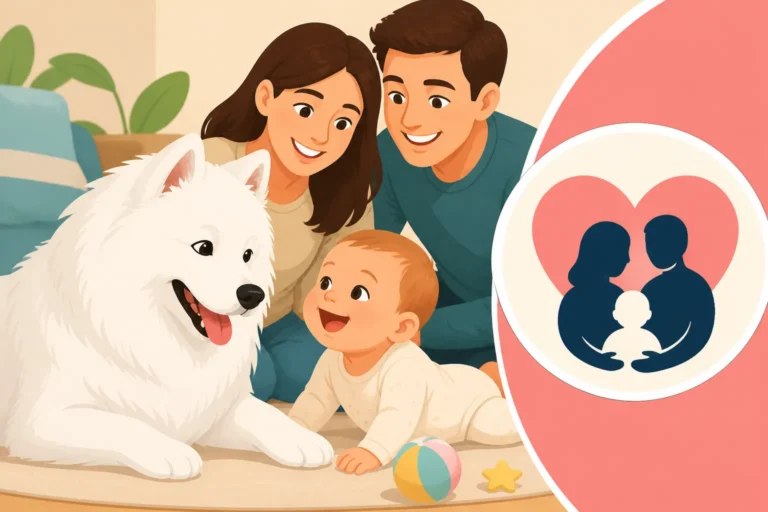
The history of Samoyeds living closely with Nenets children, providing warmth and companionship in harsh conditions, cemented their gentle nature towards youngsters. Samoyeds are generally known for being patient and tolerant with children, often viewing them as smaller, more energetic members of their pack. Whether a Samoyed Suits a Family With a Baby is a common question, and generally, with proper introductions and supervision, they adapt well to new family members.
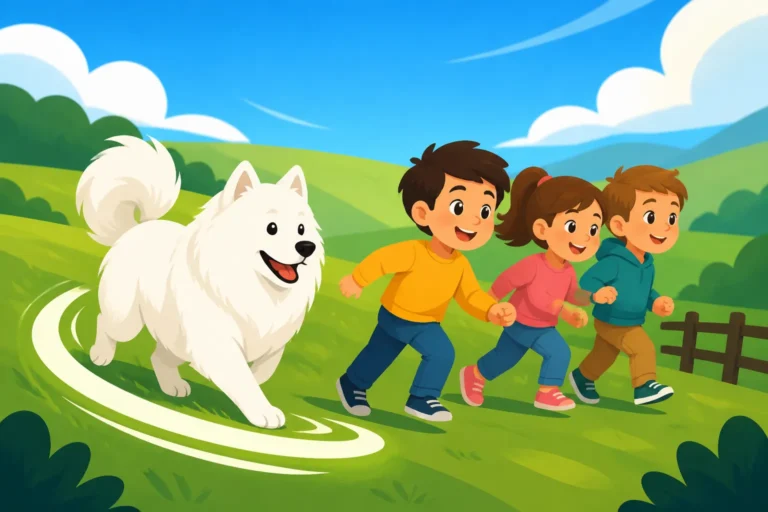
Of course, no dog should ever be left unsupervised with very young children, and children must be taught how to interact respectfully with a dog. But a Samoyed's inherent gentleness means they are usually quite forgiving of clumsy toddler interactions and will often engage in playful, but not aggressive, antics with older kids. Their "herding" instinct might occasionally manifest as a gentle nudge or a desire to keep the children together, but this is usually good-natured and not meant to be harmful. Why a Samoyed Nips a Running Child is usually a very soft, instinctual attempt to "herd" rather than an aggressive bite, but still needs to be addressed through training.
Friendliness Towards Other Animals
Just as Samoyeds extend their friendliness to humans, they often do the same for other animals, especially if raised with them. They can integrate well into multi-dog households, typically enjoying the company of other canine companions. Their pack-oriented nature means they appreciate having other dogs around. How Two Samoyeds Get Along is usually a picture of playful harmony, often involving boisterous games.
When it comes to cats or smaller pets, early socialization is key. A Samoyed has a strong prey drive, stemming from their working heritage (herding reindeer, which are a prey animal). This means that a cat or rabbit introduced later in life might be viewed as something to chase. However, many Samoyeds raised from puppyhood with cats or other small animals learn to coexist peacefully, often forming surprising bonds. Whether a Samoyed Is Safe With Cats is largely dependent on individual temperament and early exposure, but their general lack of aggression provides a good foundation.
In conclusion, if you're seeking a vigilant guard dog, the Samoyed is not the breed for you. But if you're looking for an incredibly friendly, loving, vocal, and loyal companion who will alert you to everything and welcome everyone with open paws and a wagging tail, then the Samoyed might just be your perfect match. They offer a different kind of security: the security of unwavering companionship and joy.
Disclaimer
This article is for general informational purposes only and does not constitute professional advice. Laws, prices and regulations vary by location and change over time. Consult a qualified professional for guidance on your specific situation.