Whether a Samoyed Gets Sebaceous Adenitis
One of the trickiest things about owning a Samoyed is keeping that magnificent coat in tip-top condition, and when something goes wrong with their skin, it's not just a cosmetic issue – it's often a sign of deeper trouble. Many Samoyed guardians worry about various skin conditions, especially those that can devastate their beautiful fur. This guide aims to shed light on Sebaceous Adenitis (SA) in Samoyeds, explaining what it is, how to spot it, and what you can do to manage it, so you're never caught off guard.
Understanding Sebaceous Adenitis in Samoyeds
When you look at a Samoyed, their glorious, fluffy coat is usually the first thing that captures your heart. It's a hallmark of the breed, a testament to their arctic heritage. But underneath that pristine white fluff lies a complex system of skin and glands, and sometimes, things can go awry. Sebaceous Adenitis is one such concern that can strike Samoyeds, turning that picture of health into a source of worry for dedicated owners. It's not just a minor skin irritation; it's a serious autoimmune condition that impacts the very structure of their coat and skin.
What is Sebaceous Adenitis Exactly?
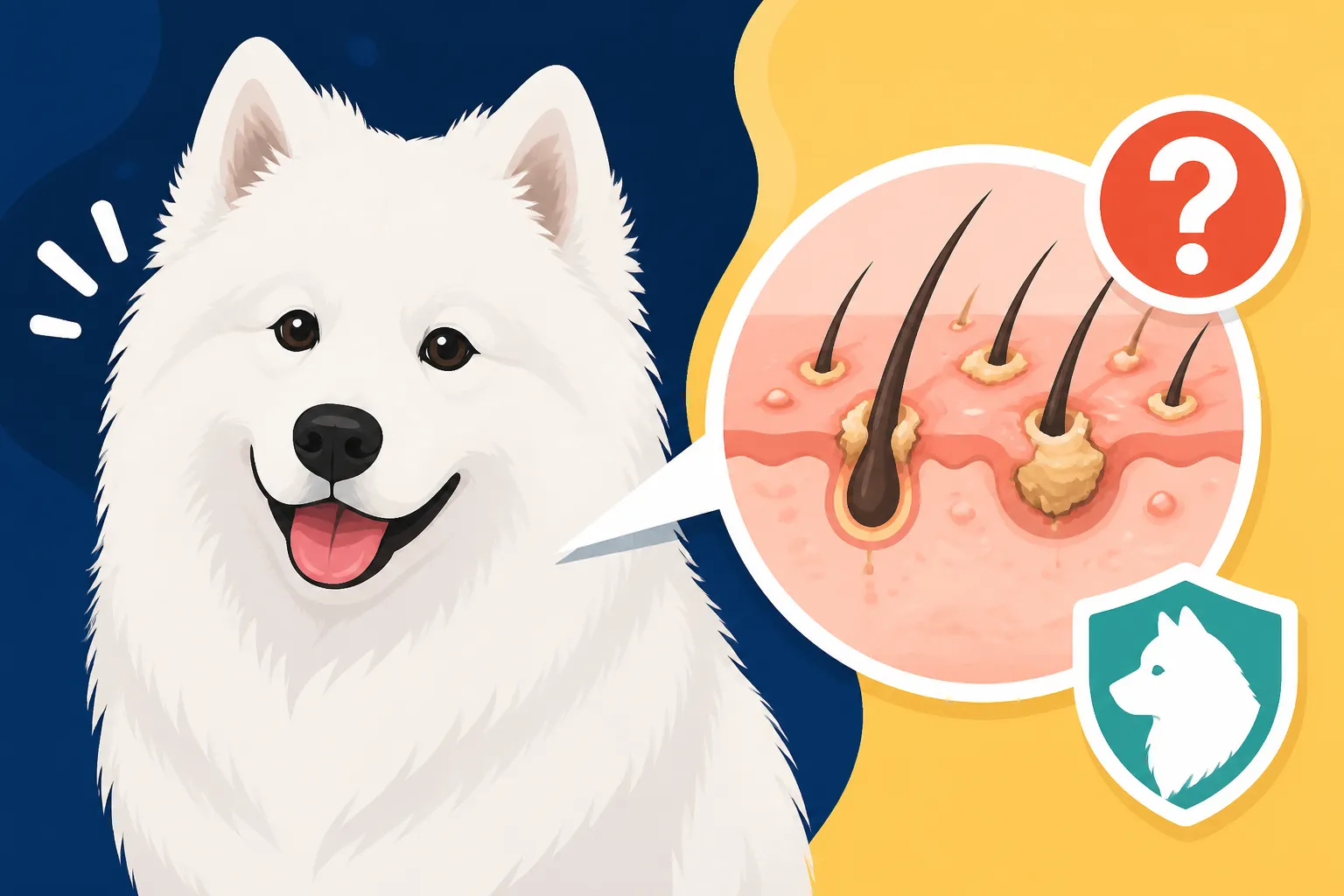
At its core, Sebaceous Adenitis, often abbreviated as SA, is an inflammatory autoimmune disease that specifically targets and destroys the sebaceous glands in a dog's skin. These tiny glands are crucial; they produce sebum, an oily substance that lubricates the skin and hair follicles, keeping the coat healthy, shiny, and protected from moisture loss. Think of it as your dog's natural conditioner and protective barrier. When these glands become inflamed and are systematically destroyed by the body's own immune system, they can no longer produce sebum. The result is dry, scaly skin, brittle hair, and eventually, hair loss. It's a progressive disease, meaning it tends to get worse over time if left untreated.
It’s important to understand that SA isn't a simple infection or allergy. It's an internal process where the dog's immune system mistakenly attacks its own healthy tissues. This is similar to how a human might develop autoimmune conditions. For us Samoyed lovers, whose dogs rely so heavily on their luxurious double coat for warmth and protection, the idea of these crucial glands failing can be particularly alarming. We invest so much time and effort into maintaining that coat, only for an internal process to start undermining it.
Is it Common in Samoyeds?
Unfortunately, yes, Samoyeds are considered one of the breeds predisposed to Sebaceous Adenitis. While it's not the most common disease you'll encounter, it's definitely a known breed concern and something responsible Samoyed breeders are aware of and often screen for, even if indirectly through careful lineage tracking. Other breeds like Akitas, Standard Poodles, and Havanese are also frequently affected, which gives us some insight into the genetic component suspected in SA.
This genetic predisposition means that if a Samoyed has SA, it's likely inherited. It's not something they pick up from the environment like fleas or allergies. This fact can be both frustrating and empowering for owners. Frustrating because it's largely out of your control, but empowering because awareness helps in choosing a puppy from reputable breeders who prioritize health testing and transparently discuss health concerns in their lines. Learning about potential health issues like SA is part of understanding the push to breed healthier Samoyeds. It’s a sad reality that some conditions are more prevalent in specific breeds, and SA is one we, as Samoyed owners, need to be vigilant about.
How Sebaceous Adenitis Impacts the Samoyed Coat
The impact of Sebaceous Adenitis on a Samoyed's coat is heartbreaking to witness. Initially, you might notice subtle changes: the coat may seem a bit duller than usual, perhaps not quite as soft to the touch. The hair might start to feel brittle, and you might see increased shedding in specific areas, not just during their regular when a Samoyed blows its coat. As the sebaceous glands are progressively destroyed, the skin loses its natural lubrication. This leads to dry, flaky, and scaly skin, especially along the back, ears, and tail. These areas are often the first to show noticeable hair loss.
Over time, the hair follicles become plugged with keratin, and the hair shaft itself weakens and breaks. This results in progressive hair loss, often in symmetrical patterns, leaving patches of sparse fur or even complete baldness. The skin underneath might appear thickened and leathery, sometimes with secondary bacterial or yeast infections due to the compromised skin barrier. Imagine trying to keep a Samoyed's coat white without bathing it every week (Keeping a Samoyed White Without Bathing It Every Week) when the very structure of its skin is failing; it becomes an immense challenge. The once glorious ruff and plumed tail can become thin and patchy, which is not only aesthetically distressing but also compromises the Samoyed’s natural insulation and protection.
Recognizing the Signs and Symptoms of Samoyed SA
Spotting Sebaceous Adenitis early can be challenging because its initial symptoms can mimic other common skin issues. However, with a keen eye and a deep understanding of your Samoyed's normal coat and skin, you can often pick up on the subtle cues that indicate something more serious might be developing. As Samoyed owners, we spend so much time brushing and admiring their fur that we become acutely aware of any changes.
Early Indicators of Sebaceous Adenitis
The earliest signs of SA are often easy to dismiss as seasonal shedding or mild dry skin. You might observe a subtle dullness in your Samoyed's normally lustrous coat. It might lose its characteristic shine and feel coarser or more brittle to the touch. You could notice patches where the hair seems thinner, or perhaps it breaks off easily when brushed. One common early indicator is the appearance of fine, silvery scales clinging to the hair shafts, especially along the back, ears, and the top of the head. These scales are essentially dried sebum and skin cells that aren't being properly shed.
Some owners report a slightly greasy or waxy feel to the skin in affected areas, despite the overall dryness. This might seem counterintuitive, but it's often due to abnormal sebum production or accumulation before the glands are completely destroyed. There might also be a faint, peculiar odor that wasn't there before, resulting from the changes in skin flora. Mild itching can occur, but it's usually not intense like with allergies or parasites. Instead, your Samoyed might scratch or rub intermittently at these dry, scaly patches. Any significant change in your Samoyed’s beautiful coat warrants a closer look, especially if you know how a Samoyed hides illness behind a smile.
Advanced Stages and Secondary Issues
As Sebaceous Adenitis progresses, the symptoms become far more pronounced and distressing. The hair loss becomes much more obvious, often leading to a "moth-eaten" appearance, with symmetrical patches of baldness, particularly on the head, neck, back, and tail. The skin underneath these areas will likely be thickened, leathery, and covered in much heavier, more prominent scales and crusts. These crusts can be quite stubborn and difficult to remove.
The compromised skin barrier makes Samoyeds with advanced SA highly susceptible to secondary bacterial and yeast infections. These infections can cause intense itching, redness, pustules, and a stronger, unpleasant odor. The dog may become visibly uncomfortable, restless, and even depressed. In severe cases, the skin can crack and bleed, leading to pain and further infection. It's a vicious cycle where the underlying autoimmune condition weakens the skin, allowing other opportunistic pathogens to take hold. This stage often requires more intensive veterinary intervention and dedicated home care, highlighting why understanding what a Samoyed's vet bills look like for chronic conditions is so important.
Differentiating SA from Other Skin Conditions
One of the biggest hurdles in diagnosing Sebaceous Adenitis is that its symptoms can look remarkably similar to several other common canine dermatological conditions. For example, hypothyroidism, a common endocrine disorder in dogs, can cause a dull, thinning coat, dry skin, and symmetrical hair loss. However, thyroid issues often come with other systemic signs like lethargy and weight gain, which are not typically seen with SA. Whether a Samoyed's coat thins with thyroid disease is a good question to ask your vet when considering differential diagnoses.
Allergies, whether environmental or food-related, are another frequent cause of itching, redness, and skin irritation in Samoyeds. However, allergic reactions usually involve more intense itching and less of the specific scaly, moth-eaten hair loss pattern seen with SA. Similarly, bacterial skin infections (pyoderma) or fungal infections (ringworm) can cause crusting, redness, and hair loss, but these are often localized and respond to specific antimicrobial treatments, whereas SA is more widespread and persistent. A veterinarian will need to perform specific tests to rule out these possibilities and arrive at an accurate diagnosis, especially since whether a Samoyed gets autoimmune skin disease covers a broader range of conditions that might present similarly.
Diagnosis and Treatment Options for Samoyed Sebaceous Adenitis
Receiving a diagnosis of Sebaceous Adenitis can feel overwhelming, but understanding the process and the available treatment options is the first step towards effectively managing the condition and ensuring your Samoyed's comfort. It requires a partnership with your veterinarian and a commitment to ongoing care.
The Diagnostic Process
Because SA mimics so many other skin problems, a definitive diagnosis almost always requires a skin biopsy. Your veterinarian will typically start with a thorough physical examination, gathering a detailed history of the symptoms, their progression, and any treatments you've already tried. They might take skin scrapings or impression smears to check for parasites, bacteria, or yeast to rule out these more common issues first. Blood tests might also be performed to check for underlying conditions like hypothyroidism.
However, if SA is suspected, your vet will recommend taking several small punch biopsies from affected areas of the skin. This procedure usually requires light sedation or local anesthesia. The tissue samples are then sent to a specialized veterinary dermatopathologist, who examines them under a microscope. The pathologist looks for specific changes, such as the destruction or absence of sebaceous glands and inflammation around the follicles. This histopathology report is the gold standard for diagnosing Sebaceous Adenitis, providing clarity and direction for treatment. It’s an essential step in ensuring your Samoyed gets the correct care and avoids unnecessary or ineffective treatments.
Medical Management Strategies
While there's no cure for Sebaceous Adenitis, the good news is that it can often be effectively managed with a combination of therapies aimed at reducing inflammation, replacing lost sebum, and preventing secondary infections. Treatment protocols are often tailored to the individual dog and the severity of their condition.
Topical therapies are a cornerstone of SA management. These often involve specialized shampoos and rinses designed to remove scales, moisturize the skin, and sometimes contain antimicrobial agents if secondary infections are present. Medicated baths, often with products containing salicylic acid, sulfur, or benzoyl peroxide, can help lift scales and clear follicles. After bathing, emollients and conditioners, such as those with ceramides or essential fatty acids, are crucial for restoring moisture. Some vets may recommend oil soaks using mineral oil or baby oil, applied and left on for several hours before shampooing, to help loosen scales and moisturize deeply. These can be time-consuming, but are incredibly effective for breaking down the crusting.
Systemic treatments, which are medications given orally, are often necessary, especially for more severe cases. Corticosteroids like prednisone can help suppress the immune system and reduce inflammation, but they come with potential side effects with long-term use. Cyclosporine, often known by the brand name Atopica, is a calcineurin inhibitor that modulates the immune response more specifically and is frequently used. It can take several weeks to see improvement with cyclosporine, but it often provides significant relief. Retinoids, such as isotretinoin, are sometimes prescribed as they can help normalize skin cell growth and sebaceous gland function, although they are less commonly used in Samoyeds compared to some other breeds. Supplementation with high doses of omega-3 fatty acids, often combined with vitamin A, can also support skin health from within, reducing inflammation and improving coat quality. These interventions are a testament to how dedicated owners work to manage the condition.
Ongoing Care and Supportive Measures
Living with a Samoyed with Sebaceous Adenitis means embracing an ongoing commitment to their care. This isn't a condition that gets treated once and then disappears; it requires consistent management. Regular grooming, specifically medicated bathing and moisturizing routines, is paramount. You might find yourself bathing your Samoyed as frequently as once or twice a week, followed by thorough conditioning and drying to the skin. This can be quite an undertaking, especially considering the grooming bill on twenty pounds of Samoyed undercoat if you opt for professional help, or the time commitment if you do it yourself.
Preventing secondary infections is another critical aspect. A compromised skin barrier is an open invitation for bacteria and yeast, so keeping the skin clean, moisturized, and free of excessive scaling can go a long way. Your vet might prescribe prophylactic antibiotics or antifungals if infections are a recurrent problem. Nutritional support, including a high-quality diet rich in essential fatty acids, plays a role in overall skin health. Environmental management, like ensuring a comfortable, stable indoor temperature and humidity, can also help. Most importantly, a dedicated owner who is willing to follow the vet's recommendations, observe their dog closely, and adjust care as needed is the biggest factor in improving the quality of life for a Samoyed with SA. This long-term dedication is why some owners look into pet insurance providers like Healthy Paws, to help manage the consistent costs associated with chronic conditions.
Living with a Samoyed Affected by Sebaceous Adenitis
Having a Samoyed with Sebaceous Adenitis can be a journey, one that requires patience, consistency, and a deep well of love for your furry companion. It changes how you approach daily care, but it doesn't diminish the joy and companionship they bring. Adapting your routines and understanding the long-term commitment will help your Samoyed live their happiest, most comfortable life possible.
Daily Grooming Routines and Product Recommendations
When managing SA, your grooming routine transforms from occasional brushing and bathing to a therapeutic regimen. The goal is to keep the skin hydrated, remove scales, and prevent secondary infections. This often means frequent bathing, perhaps weekly or bi-weekly, using specialized shampoos recommended by your vet. Look for shampoos with ingredients like salicylic acid, sulfur, or coal tar, which help to exfoliate and reduce scaling. Following up with a deeply moisturizing conditioner is crucial.
Some owners find success with oil soaks. You might apply mineral oil or pure coconut oil directly to the skin, massage it in, and let it sit for a few hours (or even overnight if your Samoyed is tolerant and won't make a huge mess!). This helps to soften and loosen stubborn scales, making them easier to wash away during the subsequent bath. After bathing, thoroughly dry your Samoyed, making sure the undercoat is completely dry to prevent skin issues. Investing in a good force dryer can cut drying time significantly. Consistent brushing between baths, using a slicker brush and undercoat rake, is still important for preventing mats and distributing natural oils (what little there are) and applied moisturizers. This dedication to care directly impacts how often a Samoyed needs brushing.
Dietary Considerations and Supplements
Nutrition plays a supportive role in managing Sebaceous Adenitis, though it’s not a standalone cure. While there isn't a specific "SA diet," focusing on a high-quality, balanced diet rich in essential fatty acids is beneficial. Omega-3 fatty acids, found in fish oil, are powerful anti-inflammatory agents that can help reduce the immune response and improve skin barrier function. Many vets recommend supplementing with high doses of EPA and DHA.
Some anecdotal evidence and studies suggest that Vitamin A supplementation, specifically in its retinoid form (under veterinary guidance, as too much can be toxic), can also be helpful in normalizing keratinization and sebaceous gland function. However, always consult your veterinarian before adding any supplements, as dosages need to be carefully monitored. Avoiding overly processed foods and focusing on ingredients that promote skin health, perhaps with limited allergens, is generally a good practice for any dog with a chronic skin condition. Ensuring your Samoyed maintains a healthy weight is also important, as why a Samoyed owner must watch its weight closely applies to overall health and can impact skin health.
Impact on Quality of Life and Owner Experience
Living with a Samoyed with Sebaceous Adenitis profoundly impacts both the dog and the owner. For your Samoyed, the condition can cause chronic discomfort, itching, and a feeling of being unwell, especially during flare-ups or if secondary infections are present. Their once magnificent coat may never fully recover, leading to a permanent change in appearance. However, with consistent and appropriate treatment, many Samoyeds with SA can lead comfortable, happy lives. Their quality of life largely depends on the owner's dedication to the treatment protocol.
For owners, the emotional toll can be significant. Seeing your beloved Samoyed suffer, dealing with the daily grooming regimen, and the potential financial strain of ongoing vet visits and medications can be challenging. It requires a deep level of commitment and understanding. However, the bond you share often strengthens through these challenges. Many owners find solace and support in online communities dedicated to breeds affected by SA. Additionally, having pet insurance like Healthy Paws can significantly alleviate the financial burden of managing a chronic condition, covering a substantial portion of vet bills for medications, special shampoos, and recheck appointments. It's truly a marathon, not a sprint, but your Samoyed's enduring spirit makes every effort worthwhile.
| Symptom Feature | Sebaceous Adenitis (SA) | Allergies (Environmental/Food) | Hypothyroidism |
|---|---|---|---|
| Primary Cause | Autoimmune destruction of sebaceous glands | Immune reaction to allergens (pollen, food, dust mites) | Underactive thyroid gland |
| Itching Level | Mild to moderate, increases with secondary infection | Often intense and persistent | Minimal to mild |
| Hair Loss Pattern | Symmetrical, "moth-eaten" appearance; along back, head, tail | Patchy, often self-induced from scratching/licking; generalized thinning | Symmetrical, often on flanks, tail, bridge of nose; non-itchy |
| Skin Appearance | Dry, scaly, thickened, crusty; may be greasy initially | Red, inflamed, sometimes bumpy, hyperpigmented over time | Dry, flaky, thickened ("elephant skin"); coat feels coarse |
| Coat Texture | Dull, brittle, sparse | Often greasy or oily due to skin irritation | Dry, brittle, easily shed; "rat tail" often seen |
| Odor | May develop a unique, musty odor, especially with infection | Can have a "yeasty" odor if yeast infection is present | May have a greasy odor |
| Other Symptoms | Typically skin-focused | Ear infections, paw licking, sneezing, eye discharge | Lethargy, weight gain, cold intolerance, mental dullness |
| Definitive Test | Skin Biopsy (histopathology) | Allergy testing (blood/skin), elimination diet trials | Blood test (Thyroid panel) |
Disclaimer
This article is for general informational purposes only and does not constitute professional advice. Laws, prices and regulations vary by location and change over time. Consult a qualified professional for guidance on your specific situation.