Whether a Samoyed Can Do Agility
Oh, the sheer joy (and sometimes hilarious chaos) of watching a fluffy, smiling Samoyed tackle an agility course! Many people look at these majestic, cloud-like dogs and wonder if they're truly cut out for the fast-paced, precise world of dog agility. After all, Samoyeds are known for their independent spirit and vocal opinions, which might not seem like a natural fit for a sport demanding intense focus and lightning-fast responses. But let me tell you, while it presents its own unique set of challenges, a Samoyed absolutely can excel in agility, and the journey can be incredibly rewarding for both dog and owner. This guide will delve into what makes a Samoyed tick, how to harness their particular blend of intelligence and enthusiasm for agility, and what you, as their dedicated human, need to know to make it a success.
Understanding the Samoyed Temperament and Agility
The Samoyed is a breed steeped in history, bred for centuries to work alongside the Nenets people in Siberia, herding reindeer, pulling sleds, and even keeping their families warm in their tents at night. This background gives them a fascinating blend of traits that are both beneficial and… well, challenging when it comes to a sport like agility.
The Samoyed's Athleticism and Drive
Don't let that luxurious coat and perpetually happy "Samoyed smile" fool you; beneath all that fluff is a surprisingly powerful and athletic dog. These aren't couch potatoes by nature. They were built for endurance, for traversing vast, snowy landscapes, and for active jobs. When you consider their history, it makes perfect sense. Herding reindeer required quick bursts of speed, agility to navigate varied terrain, and incredible stamina. Pulling sleds, even light ones, also demands strength and drive.
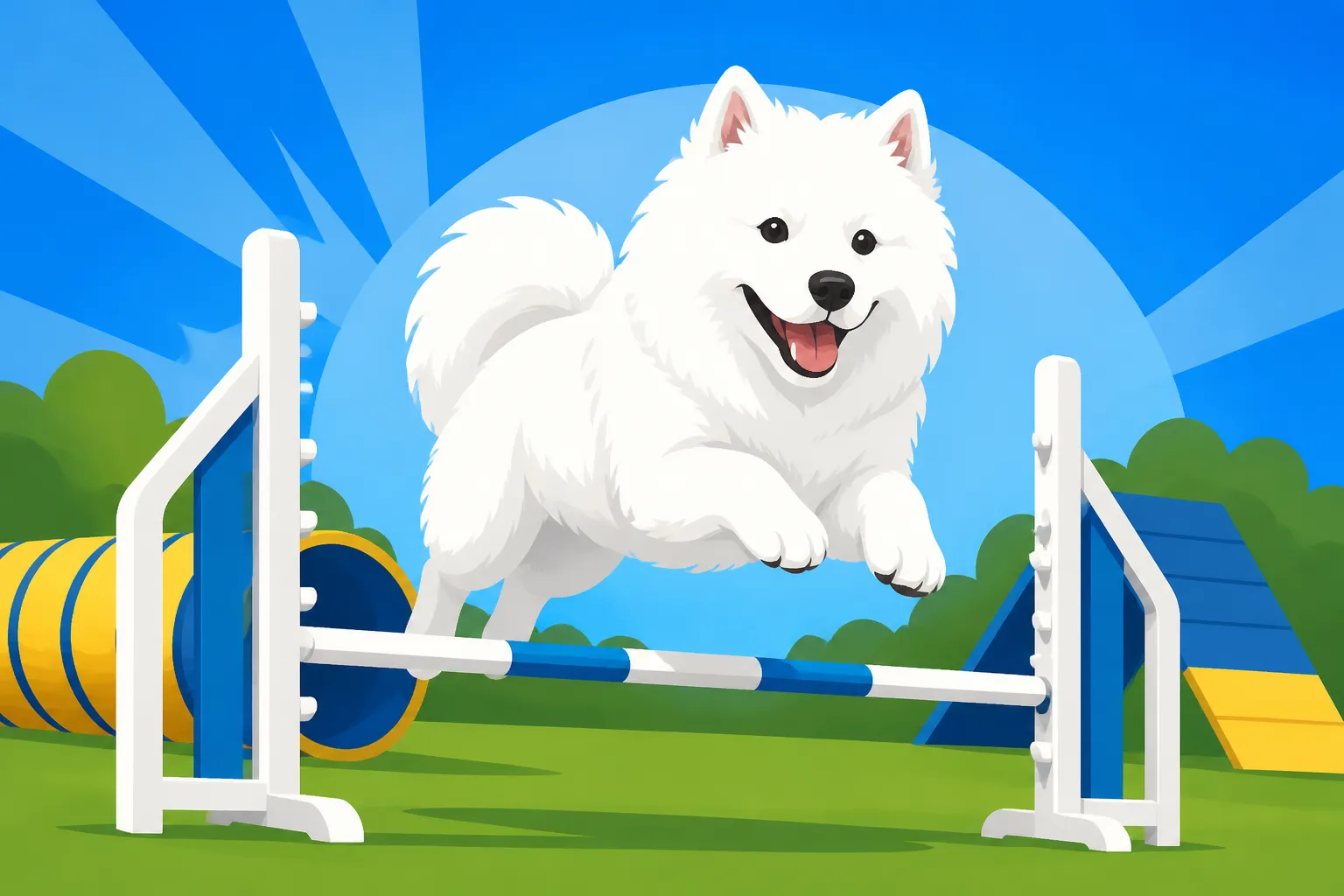
When channelled correctly, this inherent athleticism translates beautifully to agility. They possess a natural spring in their step, an ability to clear obstacles with ease, and a surprising turn of speed when motivated. Their love for activity means they genuinely enjoy having a "job" to do, and for many Samoyeds, flying over jumps and weaving through poles scratches that itch for purpose and physical exertion. It's a fantastic way to burn off some of that boundless energy and keep their minds engaged, preventing boredom which can sometimes lead to less desirable behaviors around the house. They are far from fragile, often showing a robust enthusiasm for challenging physical tasks.
The "Samoyed Stubbornness" and How It Plays Out in Agility
Ah, the infamous "Samoyed stubbornness." It's less about a true unwillingness to learn and more about a strong sense of self-preservation and a finely tuned internal cost-benefit analysis. A Samoyed isn't going to perform a task just because you asked. They're going to perform it because they understand why they should, or more often, because it's fun and rewarding. This independent streak means that rote drills and repetitive commands without a clear purpose or exciting payoff will often be met with a blank stare, a yawn, or even a casual wander off to sniff something more interesting.
In agility, this "stubbornness" can manifest as a refusal to take a jump they don't see the point of, a decision to investigate a rogue piece of grass mid-weave poles, or a sudden vocal protest if they feel the exercise isn't engaging enough. It’s not malicious; it's just them. The key is to understand that you can't force a Samoyed to do anything they don't want to do, not effectively anyway. You have to convince them that agility is the most exciting, most rewarding, most utterly fantastic thing they could possibly be doing. This often means being more clever, more patient, and more enthusiastic than they are! It means recognizing that Training a Samoyed That Finds Obedience Negotiable is a real thing, and adapting your methods accordingly.
Essential Training Approaches for Samoyed Agility Success
Successfully training a Samoyed for agility is less about brute force commands and more about a dance of persuasion, fun, and mutual respect. Their intelligence means they learn quickly, but their independence means they need to want to learn.
Starting Early and Building Foundational Skills
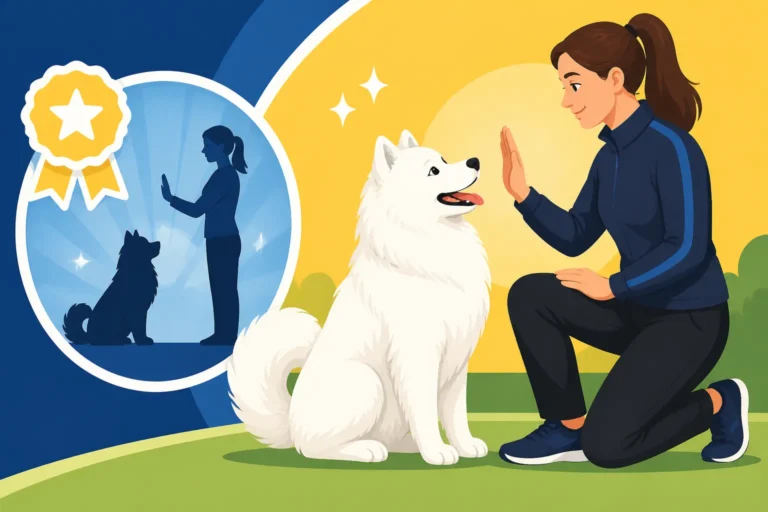
Like any aspiring canine athlete, a strong foundation is crucial for a Samoyed. This isn't just about teaching them to sit and stay; it's about developing excellent communication, building a solid bond, and fostering a love for learning. Starting early, even with a young puppy, makes a huge difference. Basic obedience classes are a fantastic starting point, focusing on positive reinforcement to make learning a joyful experience.
Focus on developing impulse control, which is vital for staying on course. Exercises like "leave it" and waiting at thresholds will pay dividends. Body awareness activities, such as walking over different surfaces or stepping over low objects, can help them understand their own bodies and prepare them for agility obstacles. A rock-solid recall, even amidst exciting distractions, is non-negotiable, given their tendency to explore. Programs like BAXTER & Bella offer comprehensive online puppy and dog training courses that can help lay these critical foundational skills right from the comfort of your home, before you even step foot on an agility field. Getting these basics down makes the transition to complex agility equipment much smoother. Remember, Whether a Samoyed Puppy Should Be Crated can also be part of establishing routines and good behavior, which contributes to a well-adjusted dog ready for training.
Keeping Training Fun, Engaging, and Samoyed-Centric
This might be the most important rule for training a Samoyed in anything, but especially agility. If it's not fun, they're not doing it. Or they're doing it half-heartedly, which isn't going to win any ribbons. Keep your training sessions short and sweet, typically no more than 5-10 minutes, especially when first starting out. Multiple short sessions throughout the day are far more effective than one long, tedious one.
Variety is also key. Don't drill the same obstacle over and over until they're bored. Mix it up! Introduce new challenges, change the order of exercises, and keep them guessing. Use high-value rewards – whether it's delectable treats, their absolute favorite squeaky toy, or exuberant praise and a good game of tug. Many Samoyeds respond incredibly well to chase games, where you might run ahead with a toy, enticing them over a jump before rewarding them with a quick play session. This taps into their natural prey drive and turns training into a thrilling game. Always end on a positive note, even if it means doing something super easy that you know they can ace. The goal is for your Samoyed to beg for more training, not dread it. Your enthusiasm is contagious, so bring your A-game every time!
Overcoming Common Agility Challenges with a Samoyed
While Samoyeds bring many strengths to the agility arena, there are a few traits that can present unique hurdles. Anticipating these and having a plan can make all the difference.
Managing Enthusiasm and Vocalizations
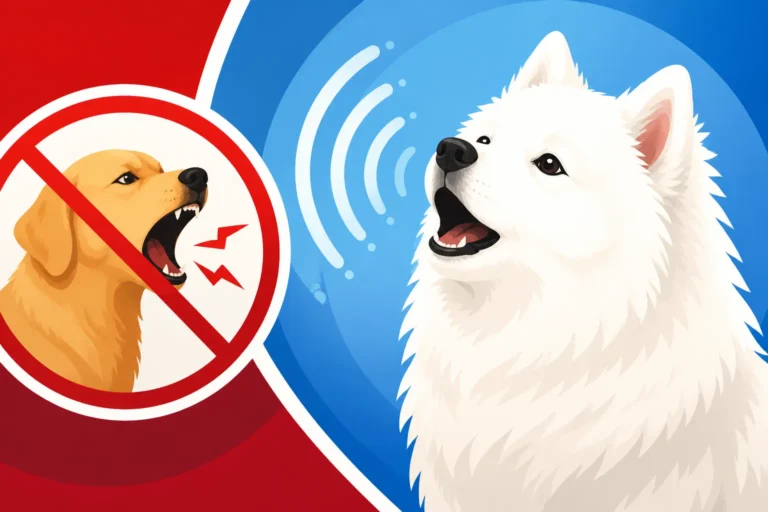
One of the most charming, yet sometimes challenging, Samoyed traits is their incredible vocal range. They don't just bark; they "talk." This can include a full spectrum of sounds from the softest grumbles to excited yips, and of course, the infamous The Samoyed Scream and Why It Is Not Barking. While this vocalization is part of their unique personality, on an agility course, it can be distracting to other teams, the judge, and even to your own dog if they're too busy chatting to focus.
The trick isn't to silence them completely, but to manage and redirect their enthusiasm. You can work on a "quiet" cue, rewarding calm behavior heavily. Some Samoyeds learn to channel their excitement into their work, rather than their voice. You might find that a high-energy "happy bark" during a run is perfectly acceptable in many agility venues, as long as it doesn't interfere with their performance or disrupt others. It's about finding that balance where their joy fuels their speed without becoming a hinderance. Some dogs benefit from having a dedicated "focus" toy or routine before entering the ring to help them switch into "work mode."
Dealing with Distractions and the Great Outdoors
Samoyeds are intelligent and curious creatures, and the world is full of fascinating smells, sounds, and sights. An outdoor agility trial, with other dogs, people, food vendors, and various environmental stimuli, can be an overwhelming sensory experience for a Samoyed. Their The Herding Instinct Nobody Expects From a Samoyed might make them keenly aware of moving things (like a runaway treat or another dog), pulling their focus from the task at hand. This is where proofing your commands comes in.
You need to train in increasingly distracting environments. Start in your quiet backyard, then move to a local park during off-peak hours, and eventually to busier locations or even practice sessions with other dogs. Always use a long line or a secure, well-fitted harness when training in unfenced areas, as their natural curiosity combined with a potentially unreliable recall means they can bolt after a squirrel or an interesting scent in a flash. Amazon offers a wide selection of durable long lines and comfortable harnesses perfect for keeping your Samoyed safe while practicing in varied environments. The goal is to build such a strong bond and a clear communication channel that your Samoyed chooses to pay attention to you, even when there's a world of tempting distractions calling their name.
Is Agility the Right Fit for Your Samoyed?
While many Samoyeds can excel in agility, it’s important to remember that every dog is an individual. What works wonders for one fluffy friend might not be the right path for another.
Assessing Your Dog's Personality and Physical Health
Before diving headfirst into agility, take a good, honest look at your Samoyed. Do they genuinely enjoy being active? Are they naturally curious and eager to try new things? Do they show a playful interest in jumping over obstacles, even small ones, or navigating tight spaces? A Samoyed that drags its paws through basic obedience might find the fast pace of agility overwhelming or unappealing. You want to see that spark, that zest for life and activity.
Beyond personality, physical health is paramount. Agility is a high-impact sport that puts stress on joints. Before starting any intensive training, schedule a thorough veterinary check-up. Discuss your agility aspirations with your vet, ensuring your Samoyed's joints, heart, and overall physique are up to the task. It's crucial to consider potential breed-specific health concerns like Hip Dysplasia in a Samoyed. Many Samoyeds are quite robust, but ensuring they're structurally sound will prevent injuries down the line. Start slowly, gradually introducing obstacles and increasing intensity as their fitness improves. Remember, a What a Samoyed Actually Weighs can vary, and proper conditioning is key for all sizes.
The Commitment Required from the Owner
Agility isn't just a physical sport for your dog; it's a mental and physical commitment for you too! You'll be running, bending, and strategizing right alongside your Samoyed. More importantly, you'll need patience, consistency, and an unwavering sense of humor. There will be days when your Samoyed decides that sniffing a blade of grass is far more interesting than the weave poles, or that performing a "Samoyed scream" at the top of the A-frame is the perfect way to express their joy. On those days, a deep breath and a good laugh are your best tools.
Finding a good agility instructor who understands the unique temperament of northern breeds is invaluable. They'll know how to motivate a Samoyed without resorting to heavy-handed tactics and can offer creative solutions for those "stubborn" moments. Agility can be an incredible bonding experience, strengthening the communication and trust between you and your Samoyed. It's a journey, not just a destination, and the shared experience of learning and growing together is truly priceless. Whether you aim for competitive titles or simply enjoy the shared activity, agility offers a fantastic outlet for both of you.
Here's a quick overview of how Samoyed traits align with agility:
| Trait | Agility Opportunity | Potential Challenge | Training Strategy |
|---|---|---|---|
| Athleticism/Endurance | Natural jumpers, surprising speed, good stamina | Overheating in warm weather, tendency to self-regulate pace | Train in cool weather, focus on fitness, hydration |
| Intelligence | Quick learners, problem solvers, good memory | Can get bored easily, may outsmart handler | Keep sessions short & varied, use positive reinforcement, challenge them |
| Independent Nature | Confident on obstacles, less handler-dependent once learned | "Stubbornness," preference for self-direction | Make it fun & rewarding, build strong bond, motivate with high-value treats |
| Vocalizations | Expressive joy, good communication (if understood) | Distracting for others, may indicate frustration | Teach "quiet" cue, channel excitement into focus, ignore minor vocalizations |
| Prey Drive/Curiosity | Motivated by chase games, alert to surroundings | Easily distracted by scents, other dogs, people | Proof commands in distractions, strong recall, focus exercises |
| Bond with Owner | Eager to work with trusted handler, desire to please | Can be sensitive to harsh corrections, need mutual respect | Positive reinforcement, gentle guidance, celebrate successes |
Disclaimer
This article is for general informational purposes only and does not constitute professional advice. Laws, prices and regulations vary by location and change over time. Consult a qualified professional for guidance on your specific situation.