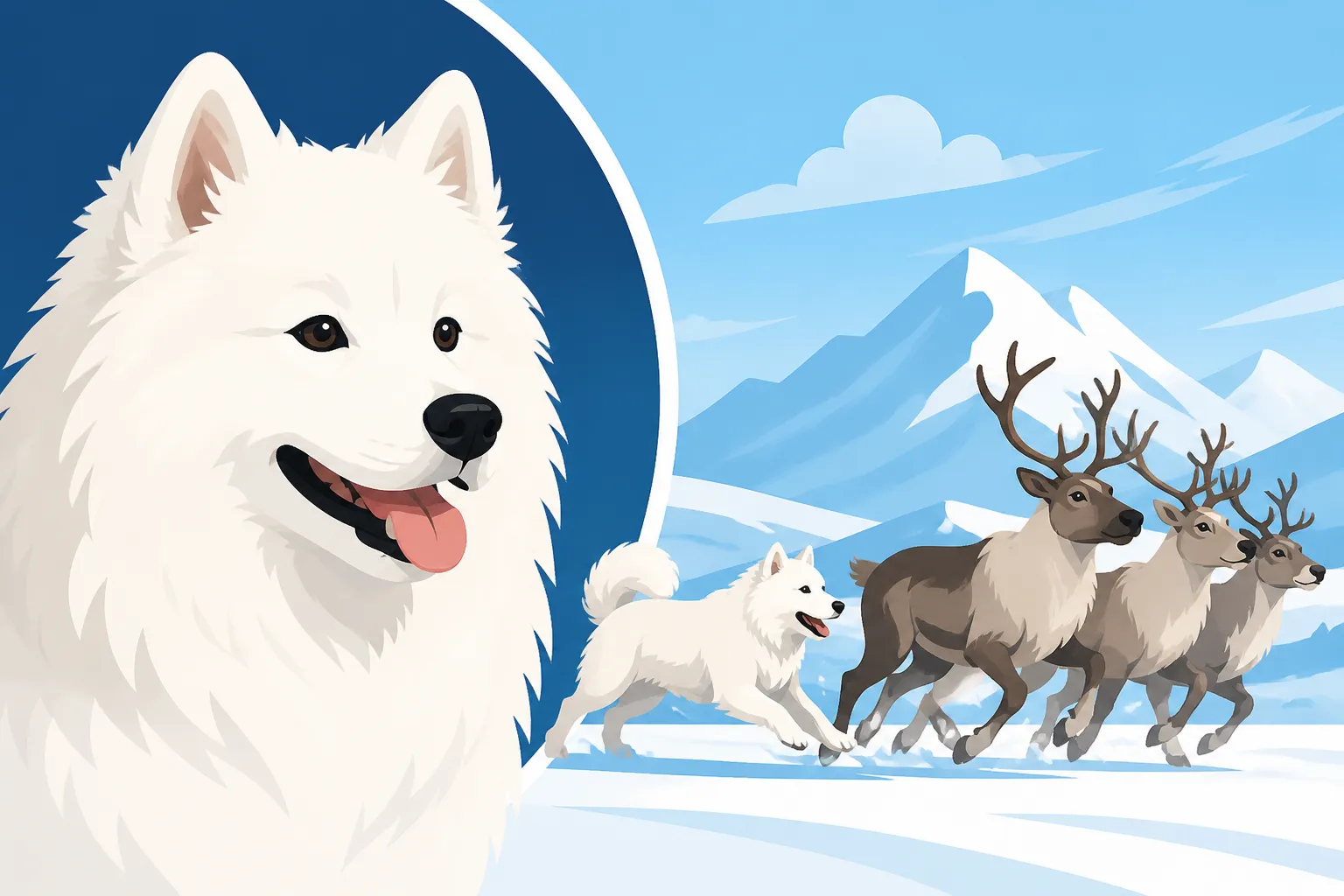
Whether Samoyeds Still Herd Reindeer
It’s a question many Samoyed enthusiasts ponder, often while watching their fluffy companion joyfully chase a squirrel or playfully herd their children around the living room: do Samoyeds still herd reindeer? The image of these beautiful, white dogs tirelessly working alongside nomadic people in the vast, frozen tundras of Siberia is deeply ingrained in their history, a romantic notion that speaks to their ancient roots. While the breed's origins are firmly rooted in this vital partnership, the reality for most modern Samoyeds is a comfortable life as a cherished family pet, a far cry from their ancestors' demanding existence. This guide will explore the fascinating history of Samoyeds as reindeer herders, how those instincts manifest (or don't) in today's beloved companions, and what it truly means for the breed's future.
The Indispensable Partnership: Samoyeds and Reindeer Herding
To understand whether Samoyeds still herd reindeer, we first need to delve into the rich history of how they did. For thousands of years, the nomadic Nenets people of Siberia relied on these incredible dogs for their very survival, making the Samoyed an integral part of their culture and livelihood. This wasn't just a casual working relationship; it was a profound, life-sustaining bond in one of the harshest environments on Earth.
Life with the Nenets People
The Nenets, an indigenous group inhabiting the remote Yamal Peninsula in northwestern Siberia, were — and in some regions, still are — primarily reindeer herders. Their entire way of life revolved around the vast migrations of their reindeer herds. Imagine trying to manage thousands of semi-wild animals across immense, treeless plains in temperatures that could plummet to sixty degrees below zero. It's an impossible task for humans alone. This is where the Samoyed stepped in, becoming an absolutely vital partner.
These dogs weren't just tools; they were family members who slept in the chum (tent) with the people, sharing their warmth and offering protection. This close proximity fostered an unparalleled bond and understanding between dog and human. The Nenets didn't just breed for physical prowess; they bred for temperament, intelligence, and an innate desire to cooperate. This careful selection over centuries is why our modern Samoyeds are generally so gentle, people-oriented, and intelligent, even if sometimes a bit independent. You can learn more about their roots in The Nenets of the Yamal Peninsula Bred the Samoyed.
The Unique Style of Samoyed Herding
Unlike some herding breeds that nip and drive livestock with intense stares, the Samoyed's style was, and still is, more subtle and cooperative. They are often described as "loose-eyed" herders, meaning they don't use an intimidating stare to control the herd. Instead, they relied on barking, body blocking, and circling movements to guide the reindeer.
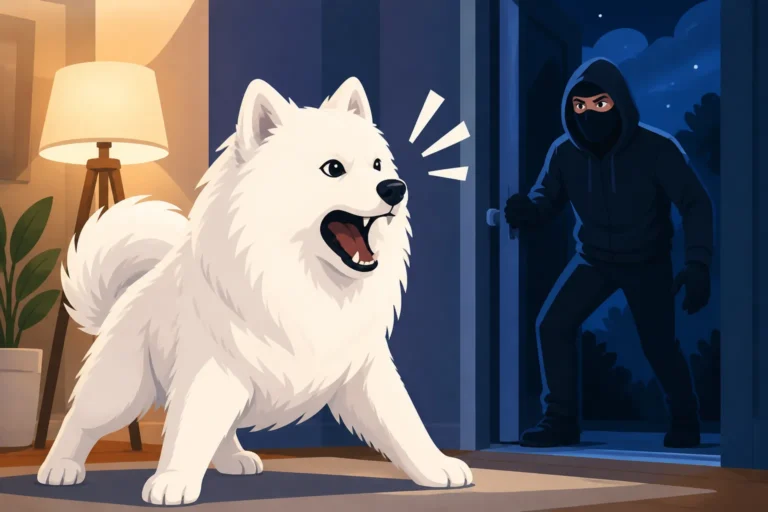
Their primary role was not just moving the herds from pasture to pasture, but also protecting them. Predators like wolves were a constant threat, and a Samoyed's keen senses and bravery were essential in alerting the herders and even confronting these dangers. They would work tirelessly, often in deep snow, to keep the herd together and safe. They knew instinctively how to move the deer without causing panic, a nuanced skill developed over generations. This wasn't just about strength; it was about intelligence and an understanding of animal behavior. This integral role is why their barking can be so pronounced, even in a modern home; it was a crucial communication tool, a way for them to inform their human partners of threats or changes in the herd. How a Samoyed Herded Reindeer and How a Samoyed Guarded the Herd From Wolves delve deeper into these roles.
The Modern Samoyed: A Shift in Vocation
Fast forward to today, and the global landscape for Samoyeds has changed dramatically. While their heritage as working dogs is undeniable, the vast majority of Samoyeds now live as cherished companions in homes around the world, far removed from the reindeer-filled tundras.
From Working Dog to Companion Animal
The transition of the Samoyed from a vital working animal to a beloved family pet began centuries ago, but intensified significantly in the late 19th and early 20th centuries. Explorers, captivated by their beauty and resilience, brought Samoyeds back from Siberia to Europe and North America. Once in new lands, their striking appearance, coupled with their friendly and adaptable nature, quickly made them popular show dogs and companions rather than working stock.
Today, the breed standard for Samoyeds still emphasizes their strong, agile build and their intelligent, friendly disposition, qualities directly descended from their working past. However, the focus in most modern breeding programs is on maintaining these physical and temperamental traits for companionship and conformation showing, not for actual reindeer herding. The vast majority of Samoyed puppies sold today will never see a reindeer, let alone be asked to herd one. Their "work" has evolved into providing boundless joy, companionship, and perhaps an occasional "Samoyed Scream" to their human families.
The Decline of Traditional Reindeer Herding
While reindeer herding still exists in parts of Siberia, including among the Nenets, the methods have evolved. Modern technology, including snowmobiles and even helicopters, has reduced the direct reliance on traditional dog-powered herding methods. Environmental changes, industrial development (particularly oil and gas extraction in the Yamal Peninsula), and socio-economic shifts have also impacted the nomadic lifestyle and traditional herding practices.
This isn't to say that working dogs are entirely absent. Some indigenous communities may still utilize dogs that resemble Samoyeds or related breeds for herding and protection, but the purebred Samoyed, as recognized by kennel clubs worldwide, is largely separate from these remaining working lines. The specific strains and skills developed for herding reindeer over millennia are not actively maintained or propagated in most modern Samoyed breeding.
Unpacking the Herding Instinct in Your Pet Samoyed
So, if most Samoyeds don't herd reindeer anymore, does that mean the instinct is gone? Absolutely not! Instincts are deeply ingrained behaviors, honed over generations, and they don't just disappear overnight. What you see in your modern Samoyed are echoes of those ancient callings, often manifesting in amusing or sometimes challenging ways.
Signs of Latent Herding Instincts
Many Samoyed owners will recognize these behaviors instantly. That strong urge to gather things, to keep the "flock" (be it children, other pets, or even inanimate objects) together, is a classic sign.
Here are a few ways those herding instincts might pop up:
- "Velcro Dog" Tendencies: Your Samoyed constantly wants to be in the same room as you, following you from kitchen to bathroom. This isn't just about affection; it's a subtle way of "keeping the herd together." They were bred to be close to their human family. Why a Samoyed Follows You From Room to Room.
- Circling and Nipping (Playfully): A Samoyed might playfully circle children running in the yard, sometimes even giving a gentle nudge or a soft, inhibited "nip" at their heels. This isn't aggression; it's their natural instinct to gather and direct movement. It's crucial to distinguish this from true aggressive behavior, but it still warrants management. If you have children, understanding Whether a Samoyed Nips at Heels is important.
- Chasing and Directing: Squirrels, cats, even leaves blowing in the wind can trigger a Samoyed's desire to chase and "gather." While this translates to a fun game for some, it can be a serious safety concern if your Samoyed decides to "herd" a car. This is Why a Samoyed's Recall Cannot Be Trusted and Whether a Samoyed Can Ever Be Off Leash are such crucial topics for Samoyed owners.
- Vocalization: Remember that communication with the Nenets? That strong, expressive vocalization, often dubbed the "Samoyed Scream," isn't just a quirk. It's a deeply ingrained trait that once served to alert herders to predators or to guide the reindeer. When your Samoyed "talks back" or barks at every new sight or sound, it's channeling that ancient watchfulness.
It's important to remember that these are instincts, not conscious decisions. Your Samoyed isn't maliciously trying to take over; it's simply acting on thousands of years of genetic programming.
Channeling the Instinct: Modern Activities for Your Samoyed
While you might not have a reindeer herd in your backyard, you can provide outlets for your Samoyed's natural instincts. This is incredibly important for their mental and physical well-being. A bored Samoyed is often a destructive or overly vocal Samoyed!
Many activities mimic aspects of herding without requiring actual livestock:
- Canine Herding Instinct Tests: Some organizations offer "herding instinct tests" where dogs are introduced to a small flock of sheep or ducks in a controlled environment. This can be a fascinating way to see if your Samoyed truly has the "stuff." You might be surprised at how quickly some respond. Whether a Samoyed Passes a Herding Instinct Test provides more details.
- Scent Work and Tracking: These activities tap into a Samoyed's keen sense of smell and their persistence, which were vital for finding lost reindeer or tracking predators. They're engaging, mentally stimulating, and can be done almost anywhere.
- Rally and Obedience: While Samoyeds aren't always the most eager students of traditional obedience (they're often described as "negotiable"), positive reinforcement training can be very successful. Rally obedience, with its focus on teamwork and a more flowing course, often appeals more to their independent yet cooperative nature. This gives them a "job" and strengthens your bond. Programs like BAXTER & Bella can offer structured guidance for these kinds of training endeavors, even for the most charmingly stubborn Samoyeds.
- Drafting/Carting or Skijoring: Samoyeds were also bred to pull sleds, another critical role for the Nenets. Activities like urban mushing, drafting (pulling a cart), or skijoring (being pulled by skis) can fulfill their desire to work and expend energy. Pulling: What a Samoyed Was Actually Bred to Do and Whether a Samoyed Enjoys Skijoring cover this extensively. Many specialized harnesses and equipment are available through online retailers like Amazon to safely engage in these activities.
By engaging in these activities, you're not just exercising your Samoyed; you're speaking to their deepest instincts, providing purpose, and fostering a happy, well-adjusted companion.
The Future of the Samoyed's Herding Legacy
The question of whether Samoyeds still herd reindeer is complex, reflecting a breed that has evolved alongside humanity. While the direct, daily work with reindeer is largely a thing of the past for the vast majority, the genetic blueprint remains.
Preserving Ancient Traits
Responsible breeders play a crucial role in preserving the essence of the Samoyed. This isn't just about maintaining their beautiful white coats or their signature "Samoyed smile"; it's about safeguarding their health, temperament, and the working drives that made them so special.
A focus on health testing, sound structure, and stable temperaments ensures that future generations of Samoyeds retain the intelligence, resilience, and cooperative spirit of their ancestors. Some breeders actively seek to maintain moderate working drives in their lines, even if those drives are channeled into modern dog sports rather than traditional herding.
| Trait / Activity | Historical Working Samoyed | Modern Pet Samoyed |
|---|---|---|
| Primary Role | Reindeer herding, protection, companionship | Family companion, show dog, sports dog |
| Herding Activity | Daily, essential for survival | Instinctive, often channeled into play/sport |
| Living Environment | Nomadic, harsh tundra | Domestic home, varied climates |
| Interaction with Humans | Deep, cooperative working partnership | Affectionate family member |
| Instinct Manifestation | Direct herding actions | Circling, chasing, "velcro" tendencies |
| Physical Demands | Extreme endurance, resilience | Regular exercise, mental stimulation |
The Importance of Understanding Breed History
For any Samoyed owner, or prospective owner, understanding the breed's historical role is key to a successful partnership. These aren't dogs bred to lie idly by; they are dogs with immense intelligence, energy, and a desire to be involved. Their instincts, including that herding drive, are part of what makes them who they are.
Ignoring these deeply ingrained traits can lead to frustration for both dog and owner. A Samoyed that isn't given enough mental and physical stimulation might become destructive, excessively vocal, or try to "herd" your ankles relentlessly. Recognizing the origins of their behaviors allows you to anticipate them and provide appropriate outlets, ensuring your Samoyed thrives.
So, while your Samoyed may never guide a herd of reindeer across the Yamal, the heart of a herder still beats within them. It's up to us, their devoted human companions, to honor that legacy by providing them with lives that fulfill their inherent need for purpose, companionship, and a little bit of glorious, instinct-driven fun.
Disclaimer
This article is for general informational purposes only and does not constitute professional advice. Laws, prices and regulations vary by location and change over time. Consult a qualified professional for guidance on your specific situation.