Whether a Samoyed Can Earn a Sledding Title
Many Samoyed owners eventually find themselves staring at their fluffy companion, wondering if that relentless pulling on the leash could actually be… a good thing? It’s a common frustration, feeling like your Samoyed is dragging you down the street, rather than walking politely beside you. But here’s a secret many don't realize: that strong desire to pull isn't a flaw, it's a feature! This guide will delve into how your Samoyed's natural instincts make them prime candidates for various sledding disciplines and, yes, how they can absolutely earn a coveted sledding title, transforming that "problem" into a passion.
The Samoyed's Enduring Legacy in Harness Work
It's easy to forget that beneath all that floof and a perpetually smiling face, Samoyeds are, at their heart, working dogs. They weren't just bred for their stunning looks; they were vital partners to the nomadic Nenets people in Siberia for centuries. Understanding this history is key to appreciating their natural inclination to pull and how that translates into success in modern sledding.
Historical Roots of the Working Samoyed
Imagine a harsh, unforgiving landscape, covered in snow and ice for most of the year. This was the ancestral home of the Samoyed. The Nenets relied on these incredible dogs for everything from herding reindeer, pulling their sleds loaded with supplies and tents, to even sleeping in their tents to provide warmth and companionship. This wasn't a choice; it was survival. The dogs were an integral part of their daily life, chosen for their strength, endurance, and willingness to work in a harness. When you feel your Samoyed surge forward on the leash, they are quite literally answering a call that has echoed through generations. It's not defiance; it's instinct.
Natural Drive and Instinct to Pull
The Samoyed's physique and temperament are perfectly adapted for pulling. They have a powerful, muscular build, designed for sustained effort rather than short bursts of speed. Their dense double coat provides unparalleled insulation, keeping them comfortable in conditions that would send other breeds shivering indoors. More importantly, they possess an innate drive to move forward against resistance. For a Samoyed, pulling isn't a chore; it's an enjoyable challenge. They thrive on having a job, and for many, that job is to move a load, whether it's a person on skis, a bicycle, or a traditional sled. This inherent eagerness is what makes them such fantastic candidates for sledding sports. They genuinely want to do it. You can read more about this inherent drive in Pulling: What a Samoyed Was Actually Bred to Do.
Understanding Sledding Disciplines and Titles
When we talk about "sledding," many people picture a team of dogs pulling a musher across vast snowy plains. While that's certainly one aspect, the world of sledding sports is much broader and more accessible, even for those living in warmer climates without consistent snow. Your Samoyed can participate in various disciplines, leading to different types of titles.
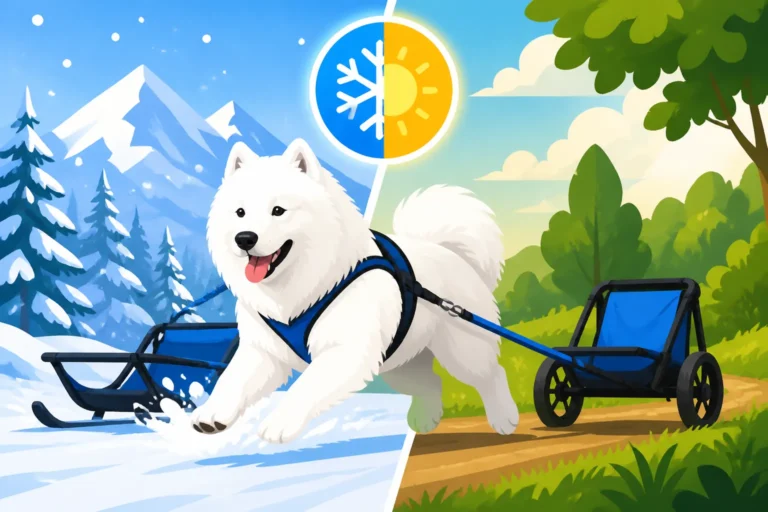
Dryland Mushing: Canicross, Bikejoring, Scootering
One of the most exciting developments for Samoyed owners is the rise of dryland mushing. These sports allow dogs to pull year-round, on trails, grass, or even pavement, using specialized equipment.
- Canicross: This is essentially cross-country running with your dog pulling you. You wear a padded belt, and your Samoyed wears a comfortable, well-fitting harness, connected by a bungee line. The dog pulls, setting the pace, while you run behind. It's a fantastic way to bond and get exercise together. Samoyeds often excel at this due to their steady pace and stamina.
- Bikejoring: If you enjoy cycling, bikejoring might be for you. Your Samoyed pulls you on a bicycle, again with a specialized harness and bungee line. A "bike antenna" often extends from the bike to keep the line clear of the front wheel. This requires a bit more coordination and control but allows for faster speeds and longer distances. Many Samoyeds absolutely adore the thrill of flying down a trail. You can explore Whether a Samoyed Suits Bikejoring for more details.
- Scootering/Dog Scootering: Similar to bikejoring, but instead of a bicycle, you use a kick scooter specifically designed for dog pulling, often with larger wheels and better brakes. This can be a great option for those who prefer to stand or want a slightly lower-impact experience than running.
These dryland sports are recognized by organizations like the International Sled Dog Racing Association (ISDRA) and often have their own titling systems, rewarding dogs for completing races and demonstrating proficiency. You can find all the necessary gear, from ergonomic harnesses to bungee lines and scooter attachments, on platforms like Amazon. Just be sure to research reputable brands and sizes for your particular Samoyed.
Snow Mushing: Sledding and Skijoring
For those lucky enough to live in snowy regions, traditional snow mushing disciplines are also well within a Samoyed's capabilities.
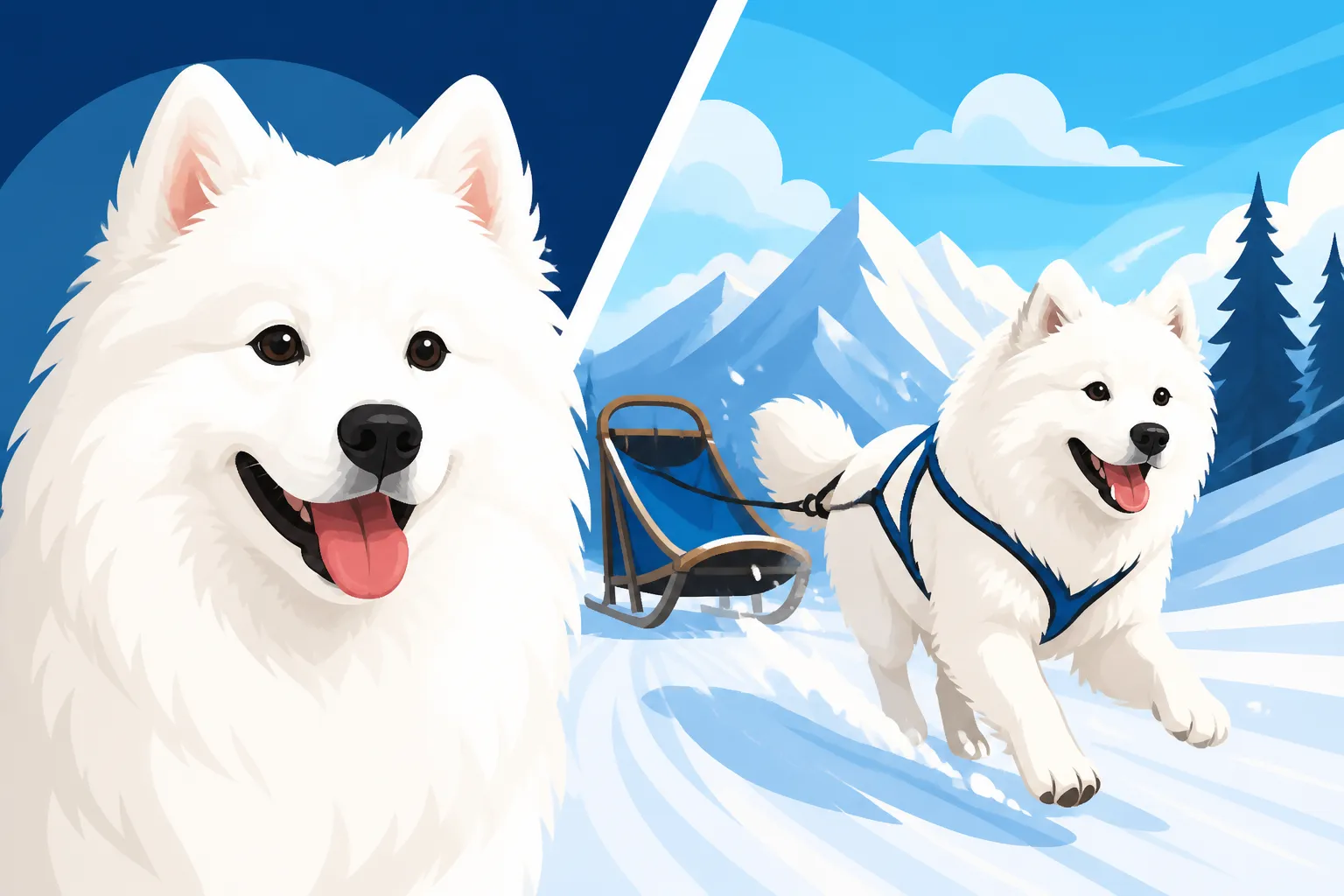
- Sledding (Recreational & Competitive): This is the classic image. While Samoyeds might not have the raw speed of some other northern breeds over short distances, their incredible endurance and teamwork make them excellent long-distance sledding dogs. You can start with a single dog pulling a small sled or expand to a team. Competitive events range from sprint races to multi-day excursions. A major part of the joy is seeing your Samoyed embrace its ancestral role, completely in its element amidst the snow. How Much Weight a Samoyed Can Pull on a Sled offers insights into their strength.
- Skijoring: If you love cross-country skiing, skijoring is a fantastic way to combine your passion with your Samoyed's pulling power. You wear skis and a harness, and your dog wears a pulling harness, connected by a bungee line. Your Samoyed pulls, assisting your glide, making for a thrilling and efficient way to cover snowy terrain. Many Samoyeds find immense joy in skijoring, combining their love for snow with their natural drive to pull. Whether a Samoyed Enjoys Skijoring covers this in more detail.
Titles in snow mushing are often awarded by organizations like ISDRA or local sled dog clubs, recognizing dogs for completing specified race distances, demonstrating good trail manners, and achieving certain speeds or finishes.
Sanctioning Bodies and Their Titles
Various organizations govern sledding sports and offer titles. The specific titles and requirements can vary, but generally, they involve demonstrating proficiency in a discipline over multiple events or distances.
| Discipline | Environment | Key Equipment | Common Titles/Recognition |
|---|---|---|---|
| Canicross | Dryland (trails) | Running belt, pulling harness, bungee line | Various "Canicross Dog" or "Working Dog" titles (e.g., CMD) |
| Bikejoring | Dryland (trails) | Bicycle, pulling harness, bungee line, bike antenna | "Bikejoring Dog" or "Working Dog" titles (e.g., BJD) |
| Dog Scootering | Dryland (trails) | Dog scooter, pulling harness, bungee line, antenna | "Scooter Dog" or "Working Dog" titles |
| Skijoring | Snow (trails) | Skis, skijor belt, pulling harness, bungee line | "Skijor Dog" or "Working Skijor" titles |
| Sled Dog Racing | Snow (trails) | Sled, pulling harnesses, ganglines | Various "Mushing Dog" or "Working Sled Dog" titles |
These titles aren't just fancy acronyms; they are a testament to your Samoyed's ability, training, and the strong partnership you've built together. They showcase that your "stubborn puller" is actually a talented athlete.
Training Your Samoyed for the Sledding Trail
Embarking on the sledding journey with your Samoyed is incredibly rewarding, but it does require dedication and the right approach to training. Samoyeds, while eager to please those they love, are also notoriously intelligent and can be a bit… selective… when it comes to obedience.
Building Foundation Skills
Before you hit the trails at full speed, you need to lay a solid foundation. This isn't just about physical conditioning; it's about teaching commands and building a strong working relationship.
- Harness Conditioning: Introduce the pulling harness positively. Let your Samoyed wear it around the house or yard for short periods, associating it with good things like treats and praise. The harness should fit well, allowing full range of motion without chafing. This is different from a walking harness and is specifically designed to distribute pulling weight comfortably.
- Basic Mushing Commands: Your Samoyed needs to understand a few key commands for safety and efficiency. "Hike!" or "Go!" to start, "Whoa!" or "Stop!" to halt, "Gee!" for right, and "Haw!" for left are crucial. Practice these in low-distraction environments first, using positive reinforcement. Treats, enthusiastic praise, and toys are your best friends here. Online training platforms like BAXTER & Bella offer comprehensive courses that can help you establish these foundational obedience skills, which are transferable to mushing commands. Their step-by-step approach can be a real game-changer for a Samoyed owner navigating their dog's unique blend of enthusiasm and independence.
- Gradual Introduction to Pulling: Start small. Have your Samoyed pull an empty sled or a light tire for short distances. This helps them understand the concept of leaning into the harness and moving forward with resistance. Gradually increase the distance and the load as their strength and confidence grow. Always make it a fun, positive experience.
Essential Gear for the Trail
Having the right equipment is non-negotiable for both your Samoyed's safety and your enjoyment.
- Proper Pulling Harness: This is paramount. A well-fitting X-back or H-back harness designed for pulling distributes pressure evenly across the chest and shoulders, preventing injury. Avoid standard walking harnesses as they can restrict movement and put pressure on the throat. Investing in a good quality harness is an investment in your dog's comfort and performance. You can find excellent options and compare reviews on Amazon, making sure to check sizing guides carefully.
- Bungee Line: This specialized line connects your dog's harness to your belt, bike, or scooter. The bungee section absorbs shock, making the ride smoother for both you and your Samoyed, preventing jarring stops and starts.
- Skijor Belt/Canicross Belt: For canicross and skijoring, a padded belt that sits low on your hips is essential. This allows you to lean into your dog's pull and prevents strain on your back.
- Other Essentials: Depending on the discipline, you might need a bike antenna, a dog-specific scooter, a traditional sled, or skis. Don't forget booties for your Samoyed to protect their paws from abrasive surfaces or ice, especially on longer runs. Headlamps are a must for early morning or evening sessions, and a portable water bowl is always a good idea. For a breakdown of costs, check out What a Sled and Harness for a Samoyed Cost.
Overcoming Training Hurdles
Samoyeds are intelligent, but they also have a strong will and a charming way of "negotiating" commands. Don't be surprised if your training journey has its ups and downs.
- The Samoyed's Independent Streak: They are problem-solvers, which sometimes means finding their own solution to a command. Consistency, patience, and making training fun are key. Keep sessions short, positive, and varied to prevent boredom. A bored Samoyed is a "stubborn" Samoyed. Training a Samoyed That Finds Obedience Negotiable delves into this personality trait.
- Distraction Management: The world is full of exciting smells, squirrels, and new friends to greet! Samoyeds can be easily distracted. Start training in quiet areas and gradually introduce more distractions as your Samoyed's focus improves. High-value treats and enthusiastic praise can help keep their attention on you and the task at hand.
- Weather and Temperature: Samoyeds thrive in colder weather. Be mindful of temperatures during dryland mushing. Avoid training or competing in heat, as they can quickly overheat. Early mornings or late evenings are best in warmer months. Whether a Samoyed Should Pull in Warm Weather offers more considerations. Remember, their magnificent coat, while insulating against cold, can be a disadvantage in the heat.
The Path to Earning a Sledding Title
Once you and your Samoyed have mastered the basics and are enjoying your runs together, you might consider taking the next step: entering competitions and earning official titles. This isn't just about bragging rights; it's about celebrating your dog's abilities and the culmination of your hard work.
Entering Competitions
Local and regional sled dog clubs are the best starting point. Many clubs host "fun runs" or beginner-friendly races that are perfect for getting your paws wet without the pressure of a major championship.
- Find a Local Club: Search online for "sled dog club [your region]" or "canicross club [your state]". These clubs are a treasure trove of knowledge, experienced mushers, and offer a supportive community. They can guide you on local trails, training techniques, and upcoming events. What a Samoyed Sledding Club Membership Costs might give you an idea of the commitment.
- Start Small: Don't aim for the Iditarod on your first outing! Begin with shorter distances and non-competitive events. The goal is to gain experience, understand race day routines, and ensure your Samoyed enjoys the experience.
- Understand Race Day Protocol: Races have specific rules regarding equipment, passing other teams, and trail etiquette. Familiarize yourself with these to ensure a smooth and safe experience for everyone. This often includes vet checks to ensure your Samoyed is fit to compete.
Requirements for Titles
The specific requirements for earning a sledding title will depend on the sanctioning body and the discipline. However, some general principles apply:
- Completion of Qualified Races: Most titles require you to complete a certain number of official races or designated "working mileage" events, usually over a specific distance and within a certain time frame.
- Demonstrated Proficiency: Beyond just finishing, you'll need to show that your Samoyed is performing well in harness, responding to commands, and maintaining a consistent pace. Judges or race officials might evaluate aspects like teamwork (if running multiple dogs), drive, and control.
- Record Keeping: It's essential to keep good records of your races, including dates, distances, times, and official results. These will be submitted to the titling organization to verify your achievements.
Consider the various internal links already placed to further enhance your understanding, such as The Job a Samoyed Actually Needs to underscore the importance of working for a Samoyed's well-being, which sledding sports perfectly fulfill. Remember that your Samoyed's willingness to pull is a gift, and redirecting that energy into a structured sport can bring immense satisfaction to both of you.
Celebrating Your Samoyed's Achievements
Earning a sledding title is a huge accomplishment, not just for your Samoyed, but for you as a team. It's a tangible recognition of your dog's athletic prowess, your training dedication, and the incredible bond you share. Whether it's a dryland mushing title or a traditional snow sledding award, these achievements represent hours of training, shared trails, and mutual trust.
The joy of watching your Samoyed, coat flying, ears perked, and tail curled high, doing what they were literally born to do, is immeasurable. It's a profound connection to their ancient heritage and a testament to their enduring spirit. These titles aren't just about winning; they're about acknowledging and celebrating the amazing potential that lies within every smiling Samoyed.
Disclaimer
This article is for general informational purposes only and does not constitute professional advice. Laws, prices and regulations vary by location and change over time. Consult a qualified professional for guidance on your specific situation.