What a Samoyed Sledding Rig Costs
Embarking on the world of Samoyed sledding or dog-powered sports can be incredibly rewarding, but it often brings a moment of sticker shock when you start pricing out the equipment. Many enthusiastic owners dream of harnessing their powerful, spirited Samoyed, only to be overwhelmed by the myriad of specialized gear required, wondering exactly what a Samoyed sledding rig costs. This guide will walk you through the various components, from the basic essentials to the specialized equipment, helping you understand the investment needed to get your fluffy friend pulling safely and effectively.
Understanding the Core Components of a Sledding Rig
When you imagine a "sledding rig," your mind probably conjures images of a wooden sled and a team of dogs. While that's the classic picture, modern dog-powered sports encompass a range of activities, from traditional sledding to skijoring and bikejoring. Regardless of the specific discipline, there are fundamental pieces of equipment that form the backbone of any rig. Getting these right is crucial for both your Samoyed's comfort and your safety.
The Sled Itself: Choosing the Right Type
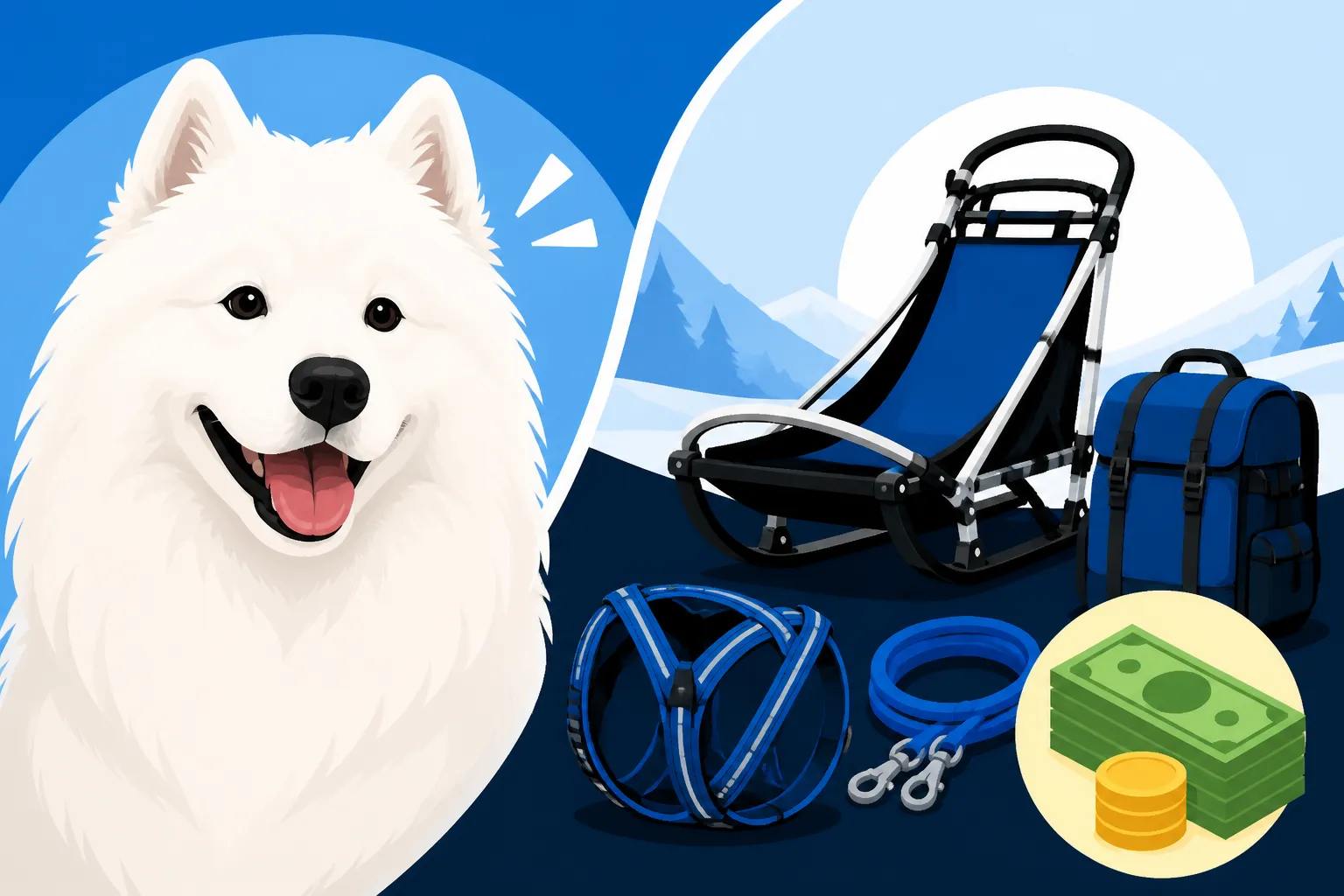
The sled is arguably the most iconic piece of equipment, and its cost can vary dramatically based on material, construction, and intended use. For recreational enthusiasts, a lightweight, durable sled is often sufficient, designed for single or small teams. These might be made from aluminum or even high-density plastics, prioritizing ease of handling and transport over the heavy-duty demands of long-distance racing. You'll find options that are collapsible for easier storage and fitting into a car, which is a huge bonus for those of us without dedicated gear trailers.
On the other hand, if you're venturing into competitive racing or serious expedition work, you'll be looking at more robust, often custom-built wooden or composite sleds. These are engineered for specific snow conditions, stability, and carrying capacity, sometimes including features like brush bows for protection and elaborate braking systems. The craftsmanship and specialized materials involved in these high-performance sleds naturally drive up the price, representing a significant investment for dedicated mushers. It's a bit like comparing a family sedan to a race car – both get you moving, but their design and price points are miles apart.
Harnesses: Where Function Meets Comfort
The harness is perhaps the most critical component for your Samoyed, as it's the direct link between their pulling power and the sled or rig. A proper sledding harness is not like a walking harness; it's specifically designed to distribute pressure evenly across the dog's chest and shoulders, allowing for maximum power transfer without restricting breathing or causing injury. The traditional "X-back" harness is a common choice, fitting snugly and extending along the dog's back to the base of the tail, ensuring the pulling force is distributed along the entire length of the body.
The fit is paramount, and a poorly fitting harness can lead to chafing, discomfort, and even long-term injury for your Samoyed, discouraging them from pulling. Expect to invest in high-quality, padded nylon or similar synthetic materials that are durable, weatherproof, and easy to clean. Many reputable brands offer a range of sizes and even custom-fit options to ensure a perfect match for your Samoyed's unique physique. While it might seem tempting to skimp here, think of the harness as the engine's connection to the drive train – you wouldn't put cheap, ill-fitting parts on a powerful engine, and your Samoyed deserves the same consideration. A well-fitted harness helps your Samoyed use their incredible strength effectively, whether they are just learning or have already mastered pulling, like those in a The Age a Samoyed Can Start Sledding program.
Ganglines and Attachments: The Critical Connections
Ganglines are the ropes or lines that connect your Samoyed's harness to the sled or to other dogs in a team. They are typically made from durable, weather-resistant materials like polypropylene or high-strength braided rope, designed to withstand significant pulling force and exposure to harsh conditions. For a single dog, you'll need a single gangline, often with a shock-absorbing section to smooth out jolts, making the experience more comfortable for both dog and driver. If you're running a team, you'll need a more complex setup involving main ganglines, necklines to connect dogs side-by-side, and tug lines to connect each dog's harness to the main line.
The attachments – snaps, carabiners, and quick-release mechanisms – are equally important. These need to be robust, resistant to freezing, and easy to operate, even with gloves on. A reliable quick-release is a non-negotiable safety feature, allowing you to instantly detach the dogs from the sled in an emergency. The cost of ganglines and attachments can add up, especially for multi-dog teams, but prioritizing strength and safety here is crucial. This is where you don't want to cut corners; a broken line or a frozen snap can turn a fun outing into a dangerous situation quickly.
Essential Gear Beyond the Basic Rig
While the sled, harness, and lines form the core of the rig, there's a host of other essential gear that ensures your Samoyed's safety, comfort, and performance on the trail. These items might seem minor individually, but they contribute significantly to the overall cost and, more importantly, to a positive and safe sledding experience. Ignoring these accessories would be like planning a road trip but forgetting spare tires or a first-aid kit.
Dog Booties: Protecting Paws on the Trail
Anyone who has spent time outdoors with dogs knows that their paws are vulnerable. On snowy or icy trails, especially those with rough patches, ice chunks, or abrasive snow, your Samoyed's paw pads can suffer cuts, abrasions, or frostbite. This is where dog booties come in. These protective coverings slip over your dog's paws, providing a barrier against the elements and rough terrain. They are often made from durable Cordura, fleece, or other robust synthetic materials, designed to stay on through vigorous activity.
A good set of booties is an absolute must, particularly if you plan on covering any significant distance or encountering varied conditions. You'll want to buy several sets, as they can wear out, get lost in the snow, or become soaked and need to be swapped out. It’s not uncommon for mushers to carry dozens of booties for a single long run or race. The cost per bootie might seem small, but multiplying that by four paws and several spares for each dog, the total can quickly add up. Protecting those precious paws is an investment in your Samoyed's long-term health and willingness to work.
Collars and Leashes for Sledding Work
While the harness handles the pulling, a good collar and leash are still essential for handling your Samoyed before, during, and after being hooked up to the rig. For sledding, you'll want durable, weather-resistant collars that won't absorb moisture or freeze solid. A flat nylon or biothane collar is often preferred, as it's less likely to collect snow and ice compared to thick leather or decorative collars. It should be snug enough not to slip over their head, but loose enough for comfort.
Leashes should also be robust, with strong hardware, and long enough to provide adequate control without being cumbersome. Many mushers use specialized leads for handling multiple dogs or for securing dogs quickly. While a standard walking leash might suffice for a single dog, having specific leashes designated for sledding activities ensures they can withstand the rigorous environment and potential stresses. Don't forget identification tags on the collar, too; even the most well-behaved Samoyed can get disoriented or separated, and proper ID is crucial. If you're thinking about the general costs of owning a Samoyed, including basic supplies, you might find articles like What a Samoyed Needs Every Day helpful.
Safety Lights and Reflective Gear
If you plan on doing any sledding during dawn, dusk, or nighttime hours – which is often the case in colder climates or for those trying to avoid warmer daytime temperatures – safety lights and reflective gear are non-negotiable. This equipment ensures that you, your Samoyed, and your rig are visible to others, whether that's another musher, a snowmobiler, or even someone on a cross-country ski trail. Reflective strips can be sewn onto harnesses, sled bags, and even your own outerwear.
Beyond reflective materials, battery-powered LED lights are a fantastic investment. These can clip onto harnesses, collars, or the sled itself, providing active illumination. Headlamps and powerful flashlights for the musher are also crucial for navigating trails and keeping an eye on your dogs. While Samoyeds blend beautifully into snowscapes, their safety depends on being seen. The cost of these items is relatively low compared to other gear, but their value in preventing accidents is immeasurable.
Specialized Equipment for Different Disciplines
The term "sledding" is a broad umbrella covering several distinct dog-powered sports, each with its own set of specialized equipment. While the core principle of a dog pulling a human remains, the specific mechanics and necessary gear differ significantly. Understanding these variations is key to budgeting and acquiring the right setup for your chosen activity.
Skijoring Gear: For the Human-Powered Team
Skijoring is a fantastic winter sport where you, on cross-country skis, are pulled by one to two dogs. It's a highly aerobic activity for both human and canine, requiring excellent communication and cooperation. The specialized gear for skijoring focuses on the connection between the skier and the dog, and the appropriate equipment for the human component. First, you'll need a proper skijoring harness for your Samoyed, similar to a sledding harness but often optimized for a single-dog pull. Then, there's the skijoring belt for the human, which is a wide, padded belt that distributes the pulling force across your hips and lower back, protecting your spine.
Connecting the dog's harness to the human's belt is the skijoring line, typically a 6-12 foot rope with an integrated bungee section to absorb shocks and provide a smooth pull. The bungee is essential; without it, every stride by the dog would send a jarring motion through your body. Beyond the dog gear, the human aspect requires good quality cross-country skis, boots, and poles. While you might already own some of these, selecting equipment suitable for skijoring, which often means sturdy touring or backcountry skis, can be an additional cost. The beauty of skijoring is that it's often a more accessible entry point than a full sled team, both in terms of cost and logistics.
Bikejoring Equipment: Two Wheels, One Dog (or more!)
When the snow melts, many Samoyed owners transition to dryland activities, and bikejoring is a popular choice. This involves your Samoyed pulling you while you ride a mountain bike. The key piece of specialized equipment here, beyond your bike, is a bike attachment arm. This arm extends from the front of your bike, keeping the tugline away from the front wheel, preventing it from getting tangled in the spokes – a potentially very dangerous situation. These arms are designed to be strong, flexible, and easily attachable/detachable from your bike frame.
Your Samoyed will need a proper pulling harness, just like for sledding or skijoring. The bikejoring line will also have a bungee section, again to absorb shocks and provide a smooth ride for both dog and rider. Beyond the specialized bike attachment, a sturdy mountain bike with good brakes is absolutely essential. You'll be relying on those brakes to control your speed and stop your powerful Samoyed! Some dedicated bikejorers also invest in specific tires for better traction on varied terrain. It's important to remember that safety gear like a helmet for the rider is non-negotiable.
Dryland Rigs: Carts and Scooters
For those who want to run multiple Samoyeds or simply prefer not to be directly pulled on skis or a bike, dryland rigs like carts and scooters offer another fantastic option. A dog scooter is essentially a heavy-duty kick scooter designed for off-road use, with a stronger frame, larger wheels, and often better suspension and brakes than a typical recreational scooter. They allow one or two dogs to pull you, providing an exhilarating ride and an excellent workout for your Samoyed. These can range from relatively inexpensive models to high-performance, purpose-built dog scooters.
Dog carts, on the other hand, are larger, often four-wheeled vehicles designed for multiple dogs, resembling smaller versions of traditional sleds but with wheels. They vary from simple training carts to more elaborate models with independent suspension and advanced braking systems. Carts are excellent for larger teams or for mushers who prefer a more stable, less physically demanding dryland experience. The cost of dryland carts can be substantial, often rivalling or exceeding the price of a good quality snow sled, due to their robust construction and specialized features. Just like with snow sleds, you'll need appropriate harnesses and ganglines for your team to connect to the cart or scooter.
The Hidden Costs: Maintenance, Training, and Logistics
When budgeting for a Samoyed sledding rig, it's easy to focus solely on the upfront purchase price of the equipment. However, savvy owners know that there are numerous "hidden" costs associated with maintaining the gear, properly training your dog, and managing the logistics of getting to and from trails. These ongoing expenses are just as real as the initial investment and need to be factored into your overall financial plan.
Upkeep and Replacement of Gear
Like any outdoor equipment, sledding gear experiences wear and tear. Ropes fray, harnesses get dirty and sometimes damaged, sled runners can wear down, and booties inevitably tear or get lost. This means budgeting for regular maintenance and eventual replacement. After every outing, gear needs to be cleaned, inspected for damage, and properly stored. This might involve washing harnesses, checking ganglines for wear, and ensuring sled components are functioning correctly.
Over time, you'll find yourself replacing worn-out booties, repairing lines, or even needing a new harness if your Samoyed grows or if the old one simply reaches the end of its lifespan. These aren't one-time purchases; they're ongoing needs. Having a small repair kit with spare parts, strong tape, and extra snaps is always a good idea. Thinking about these costs upfront helps avoid surprises and ensures your Samoyed always has safe, functional equipment.
Training and Instruction Expenses
While Samoyeds have a natural instinct to pull, harnessing that power into a disciplined, safe sledding team requires training. Many new mushers benefit greatly from formal instruction, whether it's through local dog sledding clubs, workshops, or one-on-one coaching. These training opportunities teach you the commands, techniques for handling your Samoyed (or team), and crucial safety protocols. A well-trained Samoyed understands directional commands, how to start and stop, and how to maintain a steady pace, making the experience much more enjoyable and safer for everyone involved. Training a Samoyed That Finds Obedience Negotiable can be a challenge, but formal instruction can make a world of difference.
These training courses and workshops come with fees, and if you have to travel to attend them, there are additional costs for fuel, lodging, and potentially entry fees. Even if you self-train, you might invest in training manuals, DVDs, or online resources. Remember, proper training isn't just about making your Samoyed pull; it's about developing a strong working relationship and ensuring your dog's well-being and longevity in the sport.
Transportation and Event Fees
Getting your Samoyed and all your sledding gear to the trails is another significant logistical and financial consideration. A truck or a spacious SUV is often necessary to transport sleds, carts, and multiple dogs, especially if you're running a team. Fuel costs for these vehicles, especially for trips to distant trails or events, can add up quickly. Some dedicated mushers even invest in specialized dog trailers or cargo carriers, which represent a substantial additional expense.
If you decide to participate in organized events, races, or even just club meet-ups, you'll encounter entry fees. These fees cover event organization, trail grooming, permits, and often provide basic support services. Additionally, there might be costs for trail passes, parking fees at trailheads, or permits for using certain public lands. Don't forget the cost of pet health, especially with an active dog. This is where pet insurance, like plans offered by Healthy Paws, can be incredibly valuable, potentially offsetting veterinary costs for any trail-related scrapes or injuries. It’s worth checking What Insuring a Samoyed Costs Monthly to understand these aspects.
Budgeting for Your Samoyed's Sledding Adventures
Understanding the individual costs is one thing, but putting it all together into a realistic budget for your Samoyed's sledding adventures is another. It's not just about the initial outlay; it's about making informed decisions for the long term, recognizing where you can save and where it's crucial to invest.
Entry-Level vs. Performance Gear
Just like any hobby, there's a spectrum of equipment quality and price. For those just starting out with one Samoyed and exploring if sledding is truly for them, entry-level gear can be a smart choice. You can find basic harnesses, ganglines, and even used kick sleds or entry-level scooters that will get you started without breaking the bank. The focus here is on functionality and safety, not on the highest performance or latest features. This allows you to test the waters and ensure both you and your Samoyed enjoy the activity before making a larger financial commitment.
However, as you become more experienced, or if you decide to compete or run multiple dogs, you'll likely find yourself upgrading to performance gear. This equipment is designed for durability, efficiency, and specific demanding conditions. It might feature lighter materials, more ergonomic designs, advanced braking systems, or specialized components that offer a noticeable performance advantage or increased comfort for your dogs on longer runs. While the initial cost is higher, the longevity and reliability of performance gear can make it a worthwhile investment in the long run, often reducing the need for frequent replacements.
Long-Term Investment and Durability
When considering the cost of a sledding rig, it's important to view it as a long-term investment. High-quality gear, though more expensive upfront, is typically more durable and will last for many seasons. This reduces the frequency of replacement and can actually save you money over time compared to constantly replacing cheaper, less robust equipment. Investing in well-made harnesses that fit correctly will also prevent injury and discomfort for your Samoyed, which is an invaluable benefit.
Consider the materials and construction. Reputable brands often use marine-grade ropes, heavy-duty stitching, and rust-resistant hardware, all designed to stand up to extreme weather conditions and the stresses of pulling. While the initial price might sting, the peace of mind knowing your gear is reliable and safe, coupled with its extended lifespan, usually makes the investment pay off.
| Item Type | Entry-Level Cost Shape | Mid-Range Cost Shape | Performance/Custom Cost Shape |
|---|---|---|---|
| Sled/Rig (Snow) | Lower | Moderate | High |
| Sled/Rig (Dryland) | Moderate | Moderate-High | Very High |
| Pulling Harness | Lower-Moderate | Moderate | Moderate-High |
| Gangline (Single) | Lower | Lower-Moderate | Moderate |
| Gangline (Team) | Moderate | Moderate-High | High |
| Dog Booties (per set of 4) | Lower-Moderate | Moderate | Moderate |
| Skijoring Belt | Moderate | Moderate-High | High |
| Bikejor Arm | Moderate | Moderate-High | High |
| Safety Lights/Reflectors | Lower | Lower-Moderate | Moderate |
| Training Classes | Moderate | Moderate-High | High |
Note: "Cost Shape" indicates relative pricing, not specific dollar amounts, which vary greatly by region, brand, and supplier.
Where to Find Good Deals and Used Equipment
You don't always have to buy brand new to get quality gear. The used market can be a fantastic resource for budget-conscious mushers. Local sledding clubs, online forums dedicated to dog-powered sports, and even general classified sites can yield excellent finds. People often upgrade their equipment, sell off gear from retired dogs, or simply leave the sport, making their lightly used items available at a fraction of the new price. This is particularly useful for items like sleds, carts, or even sturdy harnesses that can be cleaned and repurposed.
However, a word of caution: always inspect used gear thoroughly for wear and tear, especially on critical components like ropes, snaps, and harness stitching. A frayed line might be a "deal," but it's also a safety hazard. Similarly, if you're feeding your active Samoyed a specialized diet, you can sometimes find good deals on larger bags of performance kibble at retailers like Chewy, or explore subscription services for fresh food from companies like Ollie, though those tend to be a higher ongoing expense than traditional kibble. Even with these costs, remember that a healthy, well-fed Samoyed is your best asset on the trail, so balancing cost with quality is key.
Disclaimer
This article is for general informational purposes only and does not constitute professional advice. Laws, prices and regulations vary by location and change over time. Consult a qualified professional for guidance on your specific situation.