The Age a Samoyed Can Start Sledding
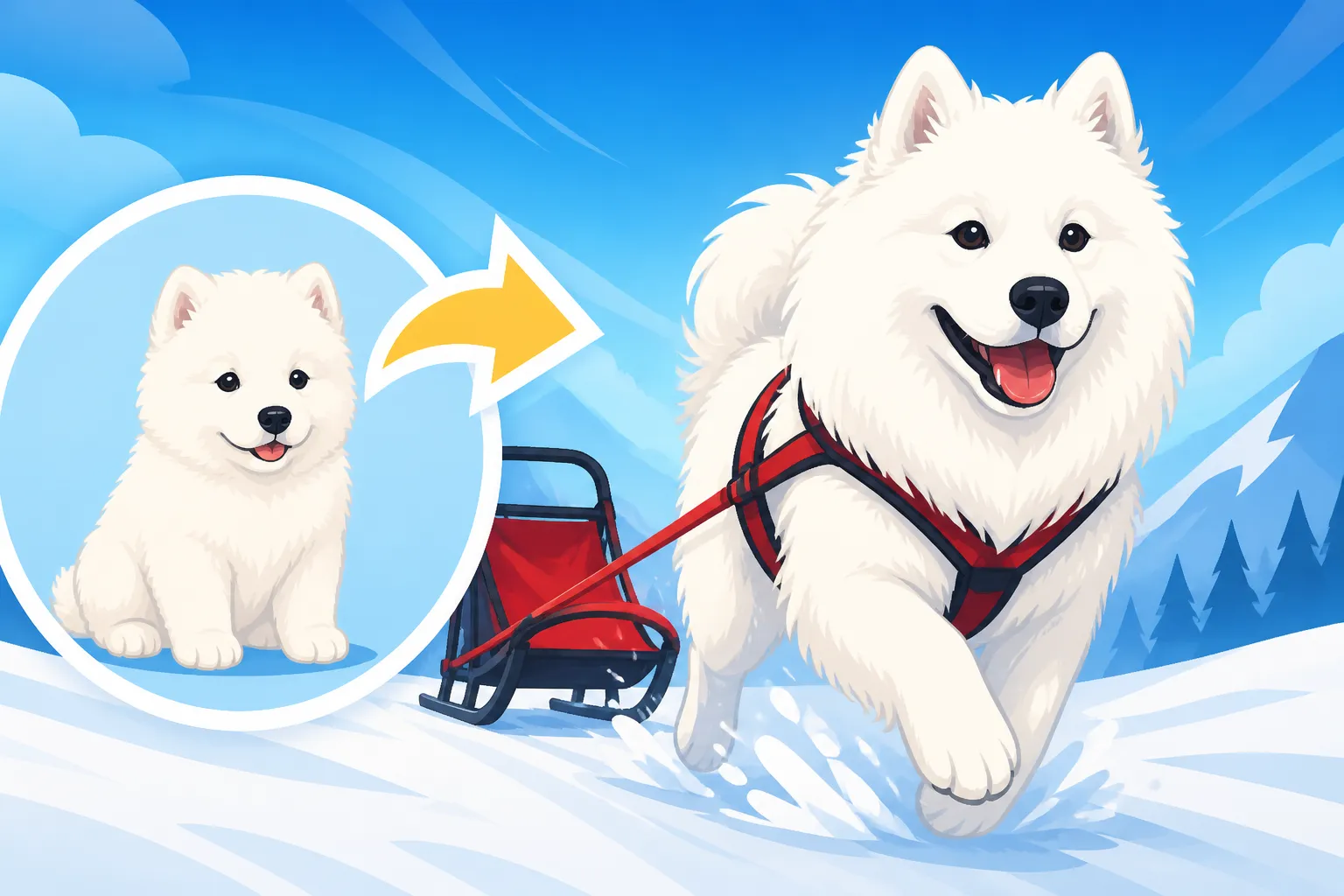
It’s incredibly exciting to think about hitting the trails with your Samoyed, watching them embrace their heritage, and just pull. You see those majestic images of teams gliding through snow, and you can almost feel that crisp air and hear the crunch of the sled. But then reality sets in: your fluffy, energetic puppy isn't quite ready for a full-on expedition. The big question, the one that keeps many eager Samoyed owners up at night, is exactly when can you safely start training your Samoyed for sledding without risking their long-term health? This guide is going to walk you through the crucial developmental stages, physical readiness, and mental preparedness needed to ensure your Samoyed becomes a happy, healthy working dog, whenever you decide to hit the snow.
Understanding Your Samoyed's Physical Development for Pulling
It's tempting, isn't it? That fluffy, energetic Samoyed puppy, bursting with a zest for life, looks like they could pull a small sleigh tomorrow. But just like human athletes, dogs need to reach a certain level of physical maturity before engaging in strenuous activities like sledding. Rushing this process can lead to serious, lifelong orthopedic issues, and nobody wants that for their beloved companion.
Growth Plate Closure and Bone Maturity
The single most critical factor in determining when your Samoyed can safely start pulling is the closure of their growth plates. These are areas of cartilage at the ends of long bones in puppies and young dogs, which produce new bone as the dog grows. They are incredibly vulnerable to injury until they are fully closed and ossified (turned into bone). Any significant trauma or excessive stress on these open growth plates can cause them to close prematurely or unevenly, leading to bone deformities, arthritis, and chronic pain later in life.
For Samoyeds, these growth plates typically close between 12 and 18 months of age, though it can vary slightly between individuals and even between different bones in the same dog. Larger breeds tend to have later growth plate closure than smaller ones, and Samoyeds fall into that medium-large category. This means that activities involving heavy pulling, jumping from heights, or repetitive high-impact movements should be strictly limited, if not avoided entirely, until your vet confirms that all growth plates have fused. Imagine putting a heavy backpack on a child whose spine is still developing; it's a similar concept. Their skeletal structure isn't ready to handle the kind of sustained pressure that pulling puts on joints, especially the hips, shoulders, and elbows. This is also why many breeders recommend holding off on intense activities and even spaying/neutering until dogs are fully mature, to allow for proper hormonal and skeletal development. A good breeder will often provide information on expected maturity, and your veterinarian can also offer guidance based on X-rays if there's any concern.
Musculoskeletal Readiness
Beyond just bone maturity, your Samoyed's entire musculoskeletal system needs to be robust enough for sledding. This includes the development of strong muscles, resilient tendons, and flexible ligaments. These soft tissues are what actually power the pulling motion and absorb the shock of movement. If they aren't properly developed and conditioned, they are far more susceptible to strains, sprains, and tears.
A young Samoyed might have boundless energy, but their musculature is still developing its strength and endurance. Think about it: a teenager might be able to run fast, but they might not have the stamina or the developed core strength of an adult marathon runner. Similarly, a young Samoyed needs time for their muscles to strengthen and for their connective tissues to become more elastic and resistant to injury. Without this, even a minor stumble while pulling could lead to a significant injury. This is where pet insurance from providers like Healthy Paws can be a lifesaver, as unexpected orthopedic injuries can quickly become very expensive. It's not just about avoiding big, dramatic injuries; it's also about preventing cumulative stress that can lead to issues like early-onset arthritis. Proper nutrition, appropriate exercise for their age, and gradual conditioning are all key to building a strong foundation. You want to build a resilient athlete, not a fragile one.
Mental and Behavioral Readiness for Sledding
Sledding isn't just a physical endeavor for your Samoyed; it's a mental one, too. It requires focus, impulse control, and a strong partnership with you. A dog that is physically capable but mentally unprepared can be a frustrating, and even dangerous, partner on the trail. Just like any skilled job, there's a certain level of maturity and understanding required that simply doesn't exist in a rambunctious puppy.
Obedience and Focus Requirements
Before you even think about attaching a gangline, your Samoyed needs to have a rock-solid foundation in basic obedience. Commands like "whoa" (stop), "hike" (go), "gee" (right), and "haw" (left) are crucial for safety and effective communication on the trail. Beyond these specific sledding commands, a general level of responsiveness is vital. Can your Samoyed reliably come when called, even with distractions? Can they hold a "stay"? Remember, you'll be asking them to work in an often stimulating environment with other dogs, wildlife, and new smells. A Samoyed is a highly intelligent breed, but they are also known for their independent streak and their tendency to follow their nose. This is why it’s so important that your Samoyed truly understands and respects your cues.
Many Samoyed owners know the struggle of trying to get their dog's full attention when something exciting is happening. Their inherent prey drive and curious nature can make focus a real challenge. You also want a dog that can stay calm and attentive, rather than just pulling blindly out of sheer excitement. An unfocused dog can tangle lines, run off the trail, or even injure themselves or others. Building this focus takes time, consistency, and positive reinforcement, often starting in low-distraction environments and gradually increasing the complexity. Trying to teach a wild puppy complex directional commands while they're also learning to be a polite member of society is just asking for frustration. You need to establish that you are the leader and that listening to you is rewarding, even when there are tempting squirrels or interesting scents nearby.
Developing Drive and Enthusiasm
While most Samoyeds have a natural instinct to pull, harnessing that drive safely and positively is key. You want to foster a love for the activity, not force it. Starting too intensely or too young can actually extinguish that natural enthusiasm. Instead, focus on building positive associations with the harness and with forward movement. Short, fun sessions that end on a high note are far more effective than long, demanding ones.
You're aiming for a dog that wants to pull for you, not one that has to. This means making the experience enjoyable and reinforcing their efforts with praise, treats, and plenty of happy encouragement. Introduce the harness as a signal for fun activities, not just work. Play games of "tug" to build their desire to pull, or engage them in exciting runs where they simply get to move forward freely (in a safe, enclosed space, of course!). This slow build-up ensures that by the time they are physically mature enough for actual sledding, they are also mentally eager and view it as a fantastic adventure. Rushing this can lead to a dog that's burnt out, resistant, or even fearful of the equipment, turning a potentially joyous activity into a chore for both of you. It's about nurturing their natural instincts in a controlled, positive way.
The Stages of Introducing Your Samoyed to Sledding
Getting your Samoyed ready for sledding is a journey, not a sprint. It’s about building skills and conditioning gradually, ensuring that each step is mastered before moving on to the next. This phased approach minimizes risks and maximizes enjoyment for both you and your furry athlete.
Puppy-hood Foundations: Harness Acclimation and Leash Manners (6-12 Months)
Even before your Samoyed is old enough to actually pull a sled, you can lay crucial groundwork. The first step is to get them completely comfortable with wearing a harness. Not just any harness, but the kind they'll eventually use for pulling – a well-fitting, comfortable sled dog harness designed to distribute pressure evenly across their chest and shoulders. Start by letting them wear it for short periods around the house, associating it with positive things like mealtime or playtime. Never leave a puppy unsupervised in a harness, especially a sledding one, as it could get caught on something.
Once they're accustomed to the harness, you can start working on leash manners while wearing it. The goal here isn't to teach them to pull you, but rather to walk nicely without pulling, while also reinforcing forward movement on command. Practice basic directional cues – "gee" (right) and "haw" (left) – using treats and consistent verbal commands during walks. This teaches them that listening to your voice is paramount, even when in their "work clothes." Short, engaging walks on varied terrain can also help build strength and proprioception (awareness of their body in space) without putting undue stress on their developing joints. This period is also perfect for instilling a bomb-proof recall, as you'll want to trust them implicitly even in high-stimulation environments. The article on Why a Samoyed's Recall Cannot Be Trusted highlights how challenging this can be, emphasizing the need for early and consistent training.
Beginner Pulling: Light Loads and Short Distances (12-18 Months)
Once your Samoyed is around 12-18 months old, and you've had a vet confirm healthy joints and closed growth plates (perhaps after their OFA certifications, as discussed in The Age a Samoyed Is Certified by OFA), you can begin introducing actual pulling. This is a delicate stage where patience is key. Start with extremely light loads – literally just a plastic bottle or a very small tire attached to a bungee line behind them, or even just another person walking behind the dog and providing very light resistance on the line. The goal is to introduce the sensation of resistance and forward momentum in the harness without any real strain.
Keep these sessions very short, perhaps just a few minutes, and always end on a high note. Praise them lavishly for any effort they show in pulling forward. The focus here is on building confidence and positive association, not on distance or speed. Gradually, you can increase the weight slightly and the duration of the pulls. This is also when you can start working with another dog if you're planning on running a team, teaching them to run side-by-side. Always monitor your Samoyed for any signs of discomfort, lameness, or loss of enthusiasm. If they seem tired or uninterested, stop and try again another day. Remember, the article on Whether a Samoyed Puppy Should Pull a Sled directly advises against heavy pulling at this young age for good reason. Early signs of lameness could indicate problems that would be covered by pet insurance, and getting a good plan from Healthy Paws can provide peace of mind.
Advanced Training and Conditioning (18+ Months)
By 18 months to two years of age, most Samoyeds are physically mature enough to handle more substantial pulling work. This is when you can begin to increase distances, introduce more varied terrain, and gradually increase the weight or resistance they are pulling. Many Samoyeds fully mature around two years of age, both physically and mentally, as noted in The Age a Samoyed Finally Matures. Now, you can transition to pulling a small rig, a bike (canicross or bikejoring), or a recreational sled.
Conditioning should still be progressive. Don't go from short, light pulls to a 10-mile trek overnight. Gradually build up their endurance and strength over weeks and months. Incorporate different types of exercise into their routine, not just pulling. Activities like swimming, hiking, and even just playful romps can build muscle and improve cardiovascular health. Pay close attention to their diet during this time; a working Samoyed might need a higher calorie intake, possibly a performance formula, to sustain their energy levels. Consult with your vet on dietary needs to ensure they're getting the right nutrients without becoming overweight. The cost of a good sled and harness, as outlined in What a Sled and Harness for a Samoyed Cost, is an investment, and so is the commitment to their proper physical development.
Essential Gear and Safety Considerations
Sledding, skijoring, or any form of dog-powered sports comes with specific equipment needs and crucial safety protocols. You wouldn't send a human athlete onto the field without proper gear and a clear understanding of the rules, and the same goes for your Samoyed. Neglecting these details can lead to injury, discomfort, or simply a less enjoyable experience for everyone involved.
Choosing the Right Harness and Equipment
This isn't just about fashion; it's about function and comfort. A proper sled dog harness, often called an X-back or H-back harness, is designed to distribute the pulling load evenly across your Samoyed's chest and shoulders, avoiding pressure on the throat, spine, and hips. A poorly fitting harness can chafe, restrict movement, or cause pain, leading to resistance or injury. You’ll need to measure your Samoyed carefully and often, especially during their growth phases, to ensure a perfect fit. Companies like Non-stop Dogwear, Ruffwear, and even local custom harness makers offer excellent options tailored for dog sports.
Beyond the harness, you'll need a suitable gangline (the main line connecting the dog to the sled/rig), a bungee line (to absorb shock), and potentially a neck line if you're running multiple dogs. If you're skijoring (where you ski while your dog pulls you), you'll also need a comfortable skijor belt for yourself. Always inspect your equipment before each session for wear and tear. A frayed line or a broken buckle can lead to your dog getting loose, which can be incredibly dangerous given a Samoyed's tendency to bolt after interesting scents. As the article How a Samoyed Gets Out of Anything You Build suggests, these dogs are escape artists, so secure equipment is paramount.
Weather and Trail Safety
Samoyeds are built for cold weather, but that doesn't mean they're immune to environmental hazards. Running in extreme cold, especially with wind chill, can still put them at risk of frostbite on their paws or ears. On the flip side, running in warm weather is a definite no-go. Their thick double coat, while insulating, makes them highly susceptible to overheating. As explored in Whether a Samoyed Should Pull in Warm Weather, even mild temperatures can be dangerous. The ideal temperature for sledding is generally below freezing, and certainly below 50°F (10°C). Always check the temperature, humidity, and trail conditions before heading out.
- Paws: Snow and ice can be abrasive, and ice balls can form between their paw pads. Consider booties for protection, especially if you're on rougher terrain or ice. Always check their paws after a run for cuts, cracks, or ice accumulation.
- Hydration: Always bring plenty of water, even in cold weather. Dogs can still get dehydrated while working hard. Offer water breaks regularly.
- Terrain: Choose trails that are safe and free from excessive obstacles. Avoid overly icy patches, deep powder that can make pulling too strenuous, or areas with exposed rocks or sharp debris. Knowing the terrain helps prevent injuries that could lead to costly vet bills, which is where having comprehensive pet insurance like Healthy Paws becomes invaluable. You don't want to be making tough choices about care because of financial concerns.
- Wildlife: Be aware of local wildlife. A Samoyed’s strong prey drive can lead them to chase deer, rabbits, or other animals, potentially leading them off-trail or into dangerous situations. Maintaining control through strong verbal cues is vital.
A Phased Approach to Samoyed Sledding Readiness
To help you visualize the journey, here's a table summarizing the recommended age ranges and activities for preparing your Samoyed for sledding. Remember, these are general guidelines, and every dog is an individual. Always consult your veterinarian before starting any new strenuous activity.
| Age Range | Primary Focus | Recommended Activities | Key Considerations |
|---|---|---|---|
| 0-6 Months | Socialization & Basic Obedience | Puppy classes, controlled exposure to various sights/sounds, short walks, crate training, positive reinforcement for basic cues. | Crucial for mental development, building confidence, and establishing communication. Absolutely no pulling. |
| 6-12 Months | Harness Acclimation & Leash Manners | Introduce well-fitting sled harness for short periods, practice loose-leash walking, reinforce directional cues (gee/haw) in low-distraction environments. | Focus on positive association with the harness. Avoid any strenuous pulling or high-impact activity. Prioritize foundational obedience. |
| 12-18 Months | Light Introduction to Pulling & Continued Conditioning | Short, controlled sessions with very light resistance (e.g., small bottle, light chain), building enthusiasm for forward movement. | Consult vet for growth plate closure confirmation. Increase duration/intensity very gradually. Monitor for any discomfort. |
| 18 Months – 2 Years | Progressive Training & Endurance Building | Introduce recreational sled/rig with moderate loads, increase distances and varied terrain, incorporate cross-training (swimming, hiking). | Most Samoyeds are now physically mature. Continue gradual increase in workload. Monitor diet for energy needs. Consider hip and elbow certifications if not done. |
| 2+ Years | Peak Performance & Maintenance | Regular sledding, skijoring, canicross sessions as desired. Advanced obedience and directional work. | Maintain conditioning. Regular vet check-ups. Adjust training for age and fitness. Enjoy the fruits of your patient labor! |
This table offers a clear roadmap, but always remember to listen to your individual Samoyed. Some may mature faster, others slower. The most important thing is to prioritize their well-being and long-term health over immediate gratification.
Embracing the Journey with Your Samoyed
Starting your Samoyed on their sledding journey is an incredibly rewarding experience, one that deepens the bond you share and taps into their incredible natural instincts. But like any worthwhile endeavor, it requires patience, careful planning, and a deep understanding of your dog's physical and mental development. Rushing the process can lead to devastating injuries and extinguish their enthusiasm, turning a joyful activity into a source of stress and pain.
By understanding the importance of growth plate closure, building a strong musculoskeletal foundation, and ensuring your Samoyed has the mental focus and drive to succeed, you set them up for a lifetime of happy and healthy pulling. From early harness acclimation to gradually increasing loads and distances, each step builds upon the last. And don't forget the practicalities: choosing the right gear is crucial, and always prioritize safety on the trails, especially when it comes to weather conditions.
Remember, this isn't just about getting your Samoyed to pull; it's about honoring their heritage, providing them with a fulfilling outlet for their energy, and creating unforgettable memories with your beloved companion. So take your time, enjoy the process, and soon you'll be gliding through the snow with your happy, healthy, and enthusiastic Samoyed leading the way.
Disclaimer
The information provided in this guide is for general informational purposes only and does not constitute veterinary advice. Always consult with a qualified veterinarian regarding your Samoyed's specific health, diet, and training needs, especially before embarking on strenuous activities like sledding. Individual dogs may vary in their physical development and readiness for certain activities.