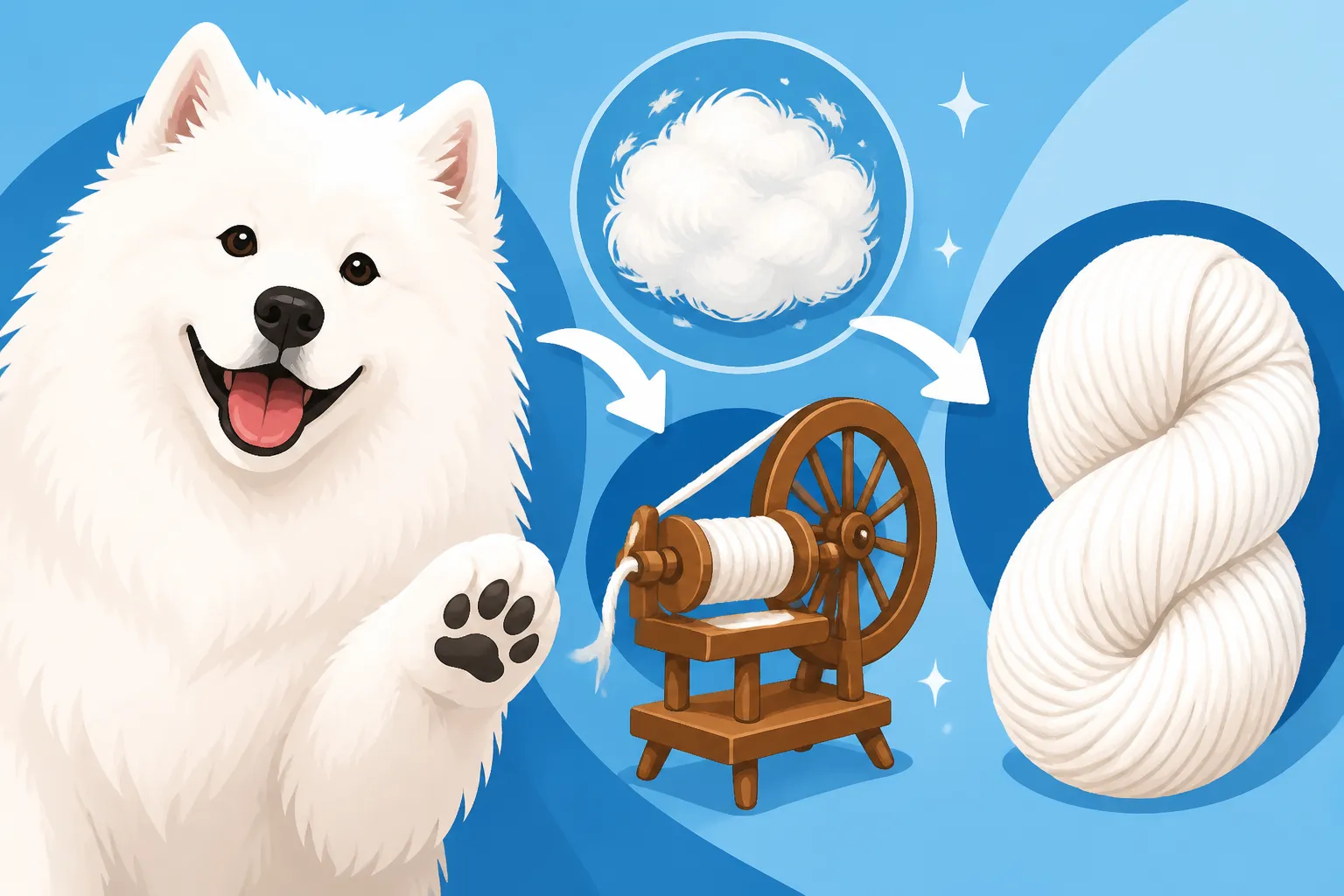
Spinning Samoyed Fur Into Yarn
If you're a Samoyed parent, you know the struggle is real: that beautiful, luxurious cloud of fur doesn't just stay on the dog! It floats, it clings, it becomes a ubiquitous part of your life, clinging to furniture, clothing, and even finding its way into your morning coffee. But what if that endless shedding wasn't just a chore, but a treasure? This guide will walk you through the surprisingly rewarding journey of collecting, preparing, and spinning your Samoyed's fur into yarn, transforming that glorious floof into something truly special and lasting.
The Magic of Samoyed Fur: Why It's Perfect for Spinning
The sheer volume of fur a Samoyed produces during a "coat blow" can be overwhelming, but it's also a testament to the incredible quality of their unique double coat. This isn't just any dog fur; it's a fiber with historical significance and exceptional properties that make it wonderfully suited for spinning into yarn. Many people are utterly amazed when they realize that what they've been diligently vacuuming up can be turned into something wearable, soft, and incredibly warm.
The Unique Properties of Samoyed Undercoat
Imagine wearing a cloud. That's what Samoyed yarn often feels like. The secret lies in their dense, soft undercoat, which is quite different from the coarse guard hairs. This undercoat is composed of incredibly fine, hollow fibers with a natural crimp. This hollow core makes the fiber exceptionally lightweight and an outstanding insulator, trapping air and keeping the dog warm in sub-zero temperatures. When spun, this quality translates directly into yarn that is incredibly warm without being heavy or bulky. Think of it as nature's own high-performance insulation. Compared to sheep's wool, Samoyed fur is often reported to be softer, lighter, and possess superior thermal properties, making it an ideal choice for cozy winter garments like scarves, hats, and mittens. It truly is a remarkable natural fiber, designed by millennia of adaptation to extreme cold climates.
Guard Hairs vs. Undercoat: What to Collect
When you look at your Samoyed's coat, you see two distinct types of fur. There are the longer, coarser, straighter guard hairs that protect the undercoat and repel dirt and water. Then, underneath, there's the incredibly soft, dense, and fluffy undercoat. For spinning, it's the undercoat you want to focus on almost exclusively. The guard hairs are too stiff and prickly, and if included in the yarn, they will make the finished product scratchy and uncomfortable against the skin.
The best time to collect this precious undercoat is during the infamous "coat blow," which typically happens twice a year, often in spring and fall, depending on your dog's hormones and environment. During this period, the undercoat comes out in great clumps, making it easy to brush or even just pull out gently with your fingers. While you'll inevitably get some guard hairs mixed in, your goal is to minimize them. Learning to differentiate between the soft fluff and the stiffer outer coat will significantly improve the quality of your collected fiber and, ultimately, your spun yarn.
Gathering Your Precious Fiber: The Art of Collecting Samoyed Fur
The journey from a shedding dog to a beautiful skein of yarn begins with careful collection. This isn't just about grabbing handfuls of fur off the floor; it's a deliberate process that impacts the quality of your finished fiber. Many Samoyed owners lament the endless shedding, but with a shift in perspective, that "nuisance" becomes a valuable resource.
Brushing Techniques for Optimal Collection
Collecting usable Samoyed fur requires consistent and effective brushing, especially during those seasonal coat blows. Forget those flimsy brushes that just skim the surface; you need tools that can penetrate that thick double coat. A good slicker brush is essential for working through tangles and bringing up loose undercoat, but a sturdy undercoat rake is truly your best friend. These rakes are designed with long, strong teeth that reach deep into the undercoat without damaging the guard hairs or irritating your dog's skin. You can find excellent options on platforms like Amazon or Chewy, and investing in a good quality one is really worth it.
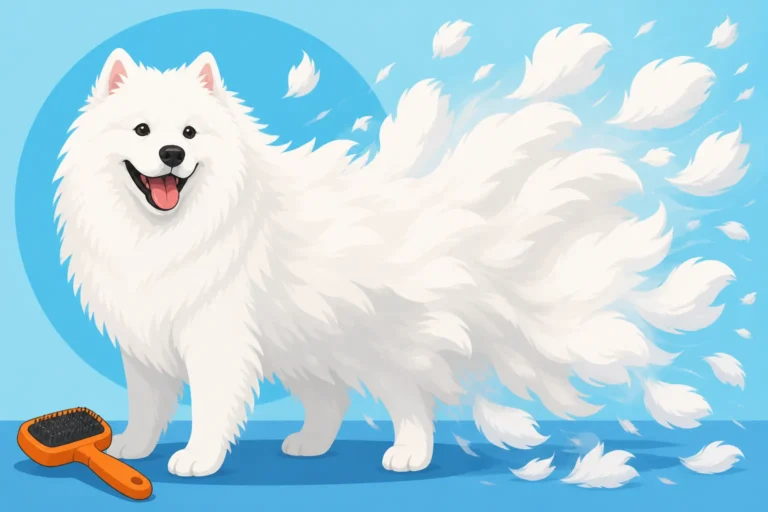
For an even more efficient and thorough deshedding session, especially during a heavy coat blow, nothing beats a high-velocity force dryer. After a bath, or even on a dry coat, a force dryer can literally blast out huge quantities of loose undercoat, making collection incredibly easy. Just be prepared for a blizzard of white fur! Regular brushing, even when your Samoyed isn't actively blowing coat, helps maintain a healthy skin and coat, prevents matting, and provides a steady supply of fiber for your stash. Remember, the cleaner and less matted the fur is when you collect it, the easier your preparation steps will be later. This diligent effort also means you're reducing the amount of fur floating around your home, which is a win-win for everyone. Speaking of the sheer volume, it really does tackle The Grooming Bill on Twenty Pounds of Samoyed Undercoat by giving you more control over the process.
Storing Your Samoyed Floof for Future Use
Once you've collected your Samoyed's precious floof, proper storage is paramount. You can't just stuff it into a plastic bag and forget about it. The goal is to keep the fur clean, dry, and protected from pests, all while allowing it to breathe. Airflow is crucial to prevent mildew or musty smells from developing.
I recommend using breathable storage bags, such as mesh laundry bags, pillowcases, or even large paper bags. Avoid sealed plastic containers for long-term storage, as they can trap moisture and lead to problems. Label each bag with the date of collection and, if you have multiple Samoyeds, whose fur it is. Store these bags in a dry, cool place away from direct sunlight. Cedar chests or storage bins with cedar blocks can offer an extra layer of protection against moths and other fiber-loving pests. Before storing, make sure the fur is as clean as possible, free of large debris, food particles, or anything that might attract insects. Some spinners even lightly pre-sort their collected fiber, removing obvious guard hairs or matted sections before bagging it, which saves time later. Just a little bit of care in storage ensures that your beautiful collection of fur remains in prime condition, ready to be transformed whenever you are. It’s definitely worth the effort to save it, as Whether Brushed Samoyed Fur Should Be Saved is a resounding yes!
Preparing the Fiber: From Floof to Fluffy Cloud
You've got bags of beautiful Samoyed fluff, but it's not quite ready for the spinning wheel yet. This preparation stage is where you truly transform the raw fiber into a uniform, spinnable cloud. It takes a little patience and a keen eye, but it's incredibly satisfying to see the fiber take on a new life.
Skirting and Cleaning Your Collected Samoyed Fur
The first step in preparing your collected fur is often called "skirting" or "picking." This is essentially a manual cleaning process. Even with the most careful brushing, your collected fur will likely contain small bits of debris: tiny leaves, grass, dust, and, most importantly, those pesky guard hairs. You'll want to spread out small handfuls of fur on a clean surface, like a large sheet or an old towel, in a well-lit area.
Go through it meticulously, picking out any foreign objects. Gently pull apart any matted sections, as these won't spin well. This is also your last, best chance to remove as many guard hairs as possible. You can often feel their coarse texture against the soft undercoat. Some spinners use a flick carder or even just their fingers to gently open up the fiber and allow debris to fall out. Resist the urge to wash the fur at this stage. Washing unspun dog fur can lead to felting, turning your lovely fluff into a matted mess that's impossible to spin. The goal here is mechanical cleaning and separation, not a soak.
The Art of Carding: Aligning the Fibers
Once your fur is skirted and clean, the next critical step is carding. Carding is the process of disentangling, cleaning, and aligning the fibers, creating a uniform "web" or "rolag" that's ready for spinning. Without proper carding, your yarn will be lumpy, uneven, and prone to breaking.
You have a couple of options here:
- Hand Carders: These are paddle-like brushes with wire teeth, used in pairs. You gently brush the fur between the two carders, opening up the fibers and removing any remaining bits of debris. The goal is to create small, fluffy rolls of fiber called "rolags" or "punis" that are easy to draft (draw out) when spinning. Hand carding is more time-consuming but gives you a lot of control and is a great way to get a feel for the fiber. You can find these online at places like Amazon.
- Drum Carders: For larger quantities of fur, a drum carder is a game-changer. This machine has two rotating drums covered in wire teeth. You feed the fur into one side, and the drums work together to produce a wide, fluffy batt of fiber. A drum carder significantly speeds up the process and creates a very consistent preparation.
Whichever method you choose, the key is to ensure the fibers are generally aligned in the same direction, creating a continuous, even strand for spinning. This alignment is what allows you to draw out the fibers smoothly and consistently, forming a beautiful, strong yarn.
The Spinning Process: Turning Floof into Yarn
This is where the real magic happens – where that prepared cloud of Samoyed fur begins its transformation into a continuous strand of yarn. It's a meditative, rhythmic process that connects you to an ancient craft and your beloved dog.
Choosing Your Spinning Method: Wheel vs. Spindle
When it comes to spinning, you primarily have two tools to choose from, each offering its own experience and learning curve:
- Drop Spindle: This is often the recommended starting point for new spinners, largely because of its affordability and portability. A drop spindle is essentially a weighted stick with a hook that you spin to create twist in your fibers. You draft the fibers with one hand while the spindle twirls below, building up twist. It's a very tactile method that helps you understand the fundamental relationship between drafting and twisting. You can spin anywhere with a drop spindle, making it a wonderful, accessible entry point into the craft. While it's slower than a wheel, mastering the drop spindle gives you a solid foundation for any future spinning endeavors.
- Spinning Wheel: For those who become serious about spinning larger quantities of yarn, a spinning wheel is the next logical step. These beautiful machines use foot pedals to power a wheel that rapidly twists the fiber, allowing for much faster production. Spinning wheels come in various designs, from traditional upright models to modern compact versions. They require a bit more coordination initially, as you're operating pedals, drafting fiber, and managing the take-up all at once. However, once you get the rhythm, you'll be amazed at how quickly you can produce yarn. Finding a good used wheel or investing in a new one opens up a world of possibilities for your Samoyed fur.
The Basics of Drafting and Twisting
Regardless of whether you choose a spindle or a wheel, the core principles of spinning remain the same: drafting and twisting.
- Drafting: This is the act of gently pulling and attenuating the fibers from your prepared rolags or batt. You want to draw out a consistent amount of fiber, thinning it down to the desired thickness for your yarn. Good drafting creates an even yarn. Too much fiber drafted at once will create thick spots; too little, and your yarn will be weak and break. It takes practice to develop a consistent hand and feel for the fiber, but this is truly the heart of spinning.
- Twisting: As you draft the fibers, you introduce twist into them. This twist is what binds the individual fibers together, giving the yarn its strength and integrity. Without twist, the fibers would simply fall apart. The amount of twist you add determines the yarn's character – more twist creates a denser, stronger yarn, while less twist results in a softer, fluffier yarn. Finding the right balance of drafting and twisting is key to creating a beautiful and functional single ply, or "singles." This single strand of yarn, while usable for some projects, is typically plied for added strength and durability.
Plying for Strength and Balance
Once you've spun your singles, you're halfway to finished yarn. The next crucial step is plying. Plying involves taking two or more singles and twisting them together in the opposite direction from which they were originally spun. This process serves several important purposes:
- Strength: Plying significantly increases the strength and durability of your yarn. Individual singles can be fragile, especially if they are finely spun. Plying two or more together creates a much more robust strand that can withstand tension and wear.
- Balance: When you spin a single, the twist you introduce causes it to want to coil back on itself, creating a spiraling effect. This is called an "unbalanced" single. When you ply two or more singles together in the opposite direction, the opposing twists counteract each other, resulting in a "balanced" yarn that lies flat and straight. This is essential for preventing your finished knitted or crocheted fabric from skewing or twisting.
- Appearance: Plying also creates a more aesthetically pleasing yarn. A two-ply yarn, for instance, often has a lovely barber-pole effect, where the individual singles are clearly visible. A three-ply yarn will be rounder and more robust.
To ply, you'll typically take two bobbins of singles (or create a "navajo ply" from a single bobbin) and feed them together through your wheel or spindle, adding twist in the opposite direction. It's a rhythmic and rewarding process that brings your yarn closer to its final form, ready for washing and blocking.
Finishing Your Samoyed Yarn: Washing and Setting the Twist
You've spun your beautiful Samoyed yarn, and it's looking fabulous! But before you can knit, crochet, or weave with it, there's one final, crucial step: washing and setting the twist. This process is often called "fulling" or "blooming" for dog hair, and it's where the magic truly unfolds, transforming your tightly spun fiber into soft, fluffy, and stable yarn.
Gentle Washing for Fluffiness and Bloom
Washing your newly spun Samoyed yarn isn't just about cleaning it; it's about allowing the fibers to relax and "bloom," becoming their softest, fluffiest selves. The key word here is gentle. Remember, unspun dog fur can felt easily, and while your yarn is more robust, excessive agitation can still lead to undesirable felting or tangling.
Here's a general approach:
- Prepare the Skein: Before washing, wind your yarn into a loose skein. Do not tie the ends tightly, as this can prevent proper cleaning and relaxation. Use figure-eight ties in a few places around the skein to keep it from tangling, but keep them loose.
- Warm Water Bath: Fill a basin or sink with lukewarm water – not hot, not cold, but comfortably warm.
- Add Mild Soap: Use a very mild soap or wool wash. Avoid harsh detergents or anything with strong perfumes. A gentle unscented dish soap can work in a pinch, or a dedicated wool wash product (often found at fiber arts stores or online at places like Amazon).
- Soak, Don't Agitate: Gently lower your skein into the soapy water. Ensure it's fully submerged. Let it soak for 20-30 minutes. Do not stir, swirl, or agitate the yarn. The goal is for the water and soap to penetrate the fibers and release any remaining dirt, oils, or processing lubricants, and to allow the twist to relax.
- Rinse Thoroughly: Carefully lift the skein out of the soapy water, supporting its weight. Gently squeeze out the excess water – do not wring or twist aggressively. Refill the basin with clean, lukewarm water and submerge the skein again. Repeat this gentle squeezing and rinsing process until the water runs clear and all soap residue is gone.
This gentle washing allows the individual fibers in your Samoyed yarn to relax and separate slightly, creating that characteristic "bloom" that makes it so incredibly soft and fluffy. It also removes any remaining "doggy smell" if that was a concern, though clean Samoyed fur typically has very little odor to begin with. Whether Spun Samoyed Fur Smells When Wet is a common concern, but with proper cleaning, it's really not an issue.
Blocking and Drying for a Beautiful Finish
After washing, the final step is drying and blocking. Blocking is essentially shaping your yarn and allowing the twist to set permanently, resulting in a stable, well-behaved skein that's a joy to work with.
- Remove Excess Water: Once rinsed, gently squeeze as much water as you can from the skein without twisting or wringing. You can also roll the skein in a clean, dry towel and press firmly to absorb more moisture.
- Hang or Lay Flat: There are two primary methods for drying:
- Hanging: Hang the skein over a sturdy clothesline, shower rod, or drying rack. You might want to hang a small weight (like a clothes hanger or even a clean plastic bottle filled with water) from the bottom loop of the skein. This gentle tension helps to straighten the yarn and properly set the twist, preventing it from coiling.
- Laying Flat: Alternatively, you can lay the skein flat on a mesh drying rack. This is a good option for very delicate yarns or if you want a softer, less stretched finish.
- Allow to Air Dry Completely: Ensure the yarn is completely, thoroughly dry before storing or using it. This can take anywhere from 24 hours to several days, depending on the humidity and air circulation. Feel a spot deep inside the skein to make sure it's not damp.
As the yarn dries, you'll notice it takes on its final character. It will feel softer, fuller, and the twist will be beautifully settled, making for a much more pleasant knitting or crocheting experience. You'll be left with a truly unique, handmade skein of yarn, a testament to your Samoyed's generous coat and your own dedication.
What You Can Make: Projects for Your Samoyed Yarn
Once you have your beautifully spun and finished Samoyed yarn, the possibilities are truly exciting. This isn't just a novelty; it's a legitimate, high-quality fiber perfect for a range of projects, especially those designed for warmth and comfort.
The Cozy Comfort of Samoyed Fur Garments
The primary benefit of Samoyed yarn is its exceptional warmth and softness. This makes it an ideal choice for items that will be worn close to the skin, or in cold weather where maximum insulation is desired. Imagine a scarf made from your Samoyed's fur, keeping you toasty on a blustery winter day. Common projects include:
- Scarves and Cowls: These are fantastic beginner projects, showcasing the yarn's softness and drape.
- Hats: A Samoyed fur hat would be incredibly warm, perfect for outdoor winter activities.
- Mittens and Gloves: Again, the insulating properties of the fur make these a practical and luxurious choice.
- Small Shawls or Wraps: For a truly indulgent item, a small shawl can provide incredible warmth without being heavy.
Many spinners choose to blend their Samoyed fur with other fibers, especially if they want a larger project or a slightly different texture. Blending with fine merino wool, alpaca, or even a bit of silk can add strength, drape, or a touch of sheen, while still retaining the Samoyed fur's core qualities. This way, you can extend your precious Samoyed fiber and create a fabric that's truly unique. After all, the Samoyed's original purpose was to keep people alive in harsh climates, and The Samoyed Slept in the Tent to Keep People Alive precisely because their fur is so insulating. Making garments from their spun fur is a wonderful continuation of that legacy.
Crafting Mementos and Gifts
Beyond functional garments, Samoyed yarn holds incredible sentimental value. For many, the act of spinning their dog's fur is a way to honor their beloved companion and create a tangible connection that lasts long after their dog has crossed the rainbow bridge.
- Small Keepsakes: Consider knitting a small swatch to frame, or crocheting a tiny heart or paw print. These can be beautiful, heartfelt reminders.
- Ornaments: Small knitted or felted ornaments for a Christmas tree or year-round display can be a wonderful way to commemorate your Samoyed.
- Gifts for Fellow Samoyed Lovers: A skein of handspun Samoyed yarn, or a small item made from it, makes an incredibly thoughtful and unique gift for someone who cherishes their own Samoyed. It’s a gift that carries deep personal meaning.
- Portraits or Pictures: Imagine incorporating a small amount of your Samoyed's own fur into a felted portrait of them.
These projects don't require large quantities of yarn, making them perfect for those who are just starting their spinning journey or have a smaller stash of collected fur. They represent a tangible piece of your dog's legacy, a soft reminder of their love and companionship. How Much Samoyed Fur Makes a Sweater is a good question to ponder, and for bigger projects like that, you might need a lot more fur, or consider blending.
Common Questions and Troubleshooting for Samoyed Spinners
Embarking on the journey of spinning your Samoyed's fur can bring up a lot of questions. From dealing with the unique characteristics of dog fur to managing expectations, it's helpful to be prepared for some common challenges and curiosities.
Addressing Common Challenges: Guard Hairs and Static
Even with the most meticulous preparation, you might encounter a few challenges when spinning Samoyed fur:
- Stray Guard Hairs: It's almost impossible to remove every single guard hair, and some will inevitably make their way into your rolags. If you find a particularly prickly one in your prepared fiber or as you're spinning, you can often pluck it out with tweezers or simply tolerate the occasional one in the finished yarn. The goal is to minimize them as much as possible during the skirting and carding stages. If your finished yarn feels too scratchy, it's a sign that too many guard hairs were included, and future batches might need even more careful sorting.
- Static Electricity: Samoyed fur, being so fine and dense, can be quite prone to static electricity, especially in dry environments. This can make the fibers cling to everything and be a bit frustrating to work with.
- Humidify: A slightly humid environment can help reduce static. Running a humidifier in your spinning space can make a noticeable difference.
- Anti-Static Sprays: Some spinners use very light applications of anti-static sprays designed for fabric, or even a dilute mixture of fabric softener and water, very lightly misted onto the fiber before spinning. Be cautious not to overdo it, as you don't want to make the fiber sticky or greasy.
- Moisture on Hands: Keeping your hands slightly moisturized (not wet!) can also help. Some spinners lightly rub a tiny bit of lanolin hand cream into their palms before spinning.
These are minor hurdles that can be overcome with a little patience and adjustment.
The Smell Factor: Does Samoyed Yarn Smell When Wet?
This is perhaps the most common question (and concern!) people have about spinning dog fur. The fear is that the beautiful finished yarn will reek of "wet dog" every time it gets damp. Let's tackle this head-on:
- Clean Fur, No Smell: A well-cared-for Samoyed with a clean coat, thoroughly washed and processed, will produce fur that has very little inherent odor. If the fur is clean and dry when collected, and the yarn is properly washed and blocked after spinning, the finished product should be virtually odorless, even when wet. Any faint smell usually dissipates quickly as it dries.
- Source of Odor: If there is a strong odor, it's typically due to residual dirt, oils, or mildew from improper storage. This reinforces the importance of starting with clean, well-stored fur and following the gentle washing steps described earlier. You are trying to capture the pristine beauty of their coat, not the result of a muddy roll in the park! Rest assured, your beautiful Samoyed scarf won't make you smell like you just left the dog park in a rainstorm. This definitely answers the question Whether Spun Samoyed Fur Smells When Wet.
Blending Samoyed Fur with Other Fibers
While 100% Samoyed yarn is a luxurious treat, blending it with other fibers offers versatility and can enhance certain qualities of your finished yarn.
- Why Blend?
- Added Strength: Samoyed fur, while warm and soft, can sometimes be delicate. Blending it with a stronger fiber like merino wool can improve durability, especially for garments that will see a lot of wear.
- Drape and Texture: Different fibers offer different drapes and textures. Alpaca can add even more softness and a lovely drape, while a touch of silk can introduce a subtle sheen.
- Extending Your Stash: If you have a limited amount of Samoyed fur but want to make a larger project, blending it allows you to create more yarn without sacrificing the unique qualities of the dog fiber.
- Color: You can introduce natural shades from other animal fibers (like brown alpaca or grey merino) to create heathered or marled yarns with your white Samoyed fur.
- Popular Blends:
- Merino Wool: A very common and popular blend. Merino is soft, elastic, and takes dyes well, complementing Samoyed fur beautifully. It enhances the strength and elasticity of the yarn.
- Alpaca: Adds incredible softness and warmth, often even more so than Samoyed fur. The combination creates an ultra-luxurious yarn.
- Silk: A small percentage of silk can add a lovely drape, strength, and a subtle luster, making the yarn feel even more exquisite.
When blending, aim for a ratio that allows the Samoyed fur's qualities to still shine through, perhaps 50/50 or even 70/30 Samoyed to other fiber. You can blend during the carding stage, feeding both fibers into the carder together to create a homogenous mix. This process allows you to tailor your yarn precisely to the needs and aesthetics of your chosen project, and it's a great way to use Which Part of a Samoyed's Coat Spins Best in conjunction with other fibers.
Finding a Professional Spinner for Your Samoyed Floof
The idea of hand-spinning your Samoyed's fur is enchanting, but let's be realistic: not everyone has the time, the tools, or the inclination to learn a new craft. The good news is, you don't have to miss out on the joy of Samoyed fur yarn. Professional spinners specialize in transforming raw fiber into beautiful yarn, and many of them work with "exotic" fibers like dog fur, affectionately known as "chiengora" (from chien, French for dog, and angora).
When to Seek Professional Help
Deciding to send your precious floof to a professional is a perfectly valid and often smart choice, especially if:
- You're Short on Time: Learning to spin, even on a drop spindle, takes dedication. Between work, family, and, of course, your Samoyed, your free hours might be limited. Professional spinners can handle the entire process from start to finish.
- You Don't Have the Equipment: Spinning wheels, carders, and other fiber processing tools are an investment. If you're not ready to commit to buying all the gear, a professional offers a cost-effective alternative. What a Force Dryer Costs a Samoyed Owner or What an Undercoat Rake Costs a Samoyed Owner might be in your budget, but a full drum carder and spinning wheel definitely take more consideration.
- You Desire Expert Results: Experienced spinners have honed their craft over years. They can produce incredibly consistent, high-quality yarn that might be difficult for a beginner to achieve. They know how to handle the unique characteristics of Samoyed fur, like its softness and tendency for static.
- You Have a Large Quantity of Fur: If your Samoyed is a super shedder, or you've been diligently collecting fur for years, a professional can process large volumes much more efficiently than you could by hand.
- You Want Specific Yarn Characteristics: A professional can often accommodate requests for specific yarn weights (lace, fingering, worsted), ply counts, and can even blend your Samoyed fur with other fibers you provide or suggest.
For many Samoyed owners, sending their fur to a pro is the ideal way to get that coveted "Samoyed yarn" without having to become a fiber artist themselves.
What to Look for in a Professional Spinner
Choosing the right professional spinner is key to a successful outcome. This isn't just about finding someone who spins; it's about finding someone who understands dog fur specifically.
- Experience with Dog Fur (Chiengora): This is non-negotiable. Dog fur behaves differently than sheep's wool. It's often finer, more prone to static, and can felt easily if not handled correctly. Ask potential spinners about their experience with chiengora, specifically Samoyed fur if possible. They should be familiar with its unique properties. A spinner who specializes in dog hair will understand Whether a Samoyed's Guard Hairs Come Out Before Spinning and how to best manage the different fiber types.
- Testimonials and Samples: Ask to see samples of their work, particularly with dog fur. Many professional spinners have galleries on their websites or social media. Reading testimonials from other clients who have had their dog fur spun can also provide peace of mind.
- Communication: A good spinner will communicate clearly about their process, timelines, and pricing. They should be able to advise you on how much fur you'll need, how to prepare it for shipping, and what kind of yarn you can expect.
- Pricing Structure: Professional spinning services are typically priced by weight (per ounce or per pound) of processed fiber, or sometimes by the finished yarn. Be sure to understand their fees for washing, carding, and spinning. Some may offer different tiers of service, such as just carding, or full processing. Expect it to be an investment; hand-processing a unique fiber like Samoyed fur is skilled labor.
- Turnaround Time: Ask about their current lead times. Depending on their workload, it can sometimes take several weeks or even months to get your yarn back.
- Shipping and Handling: They should provide clear instructions on how to package and ship your collected fur to them safely and cleanly.
A quick search online for "chiengora spinning services" or "dog fur spinning" will likely yield several results. Many fiber mills also offer custom processing for small batches, but again, ensure they have experience with dog fur. By choosing a knowledgeable professional, you can ensure that your Samoyed's beautiful coat is transformed into a treasured heirloom. Whether a Spinner Will Take Samoyed Undercoat depends entirely on their specific services, so always ask directly.
| Feature | Samoyed Undercoat Yarn | Sheep's Wool Yarn (e.g., Merino) |
|---|---|---|
| Warmth | Exceptionally warm, superior insulation due to hollow fibers | Very warm, good insulation, but can be heavier |
| Softness | Extremely soft, often compared to cashmere or angora | Ranges from fine (Merino) to coarse, very soft options available |
| Weight | Very lightweight | Generally heavier than Samoyed fur for comparable warmth |
| Crimp | Natural, fine crimp | Natural crimp, varies by breed |
| Elasticity | Good, can be delicate if not plied well | Excellent elasticity, durable |
| Felting Tendency | High, especially with agitation in hot water (use caution when washing) | High for non-superwash, varies by breed |
| Odor (when wet) | Minimal to none if clean and properly processed | "Wet sheep" smell, generally dissipates |
| Dyeing | Difficult to dye true colors without special preparation (best in natural white/cream) | Takes dye beautifully, wide range of colors available |
| Availability | From your own shedding Samoyed, or specialty services | Widely available, various breeds and preparations |
Disclaimer
This article is for general informational purposes only and does not constitute professional advice. Laws, prices and regulations vary by location and change over time. Consult a qualified professional for guidance on your specific situation.