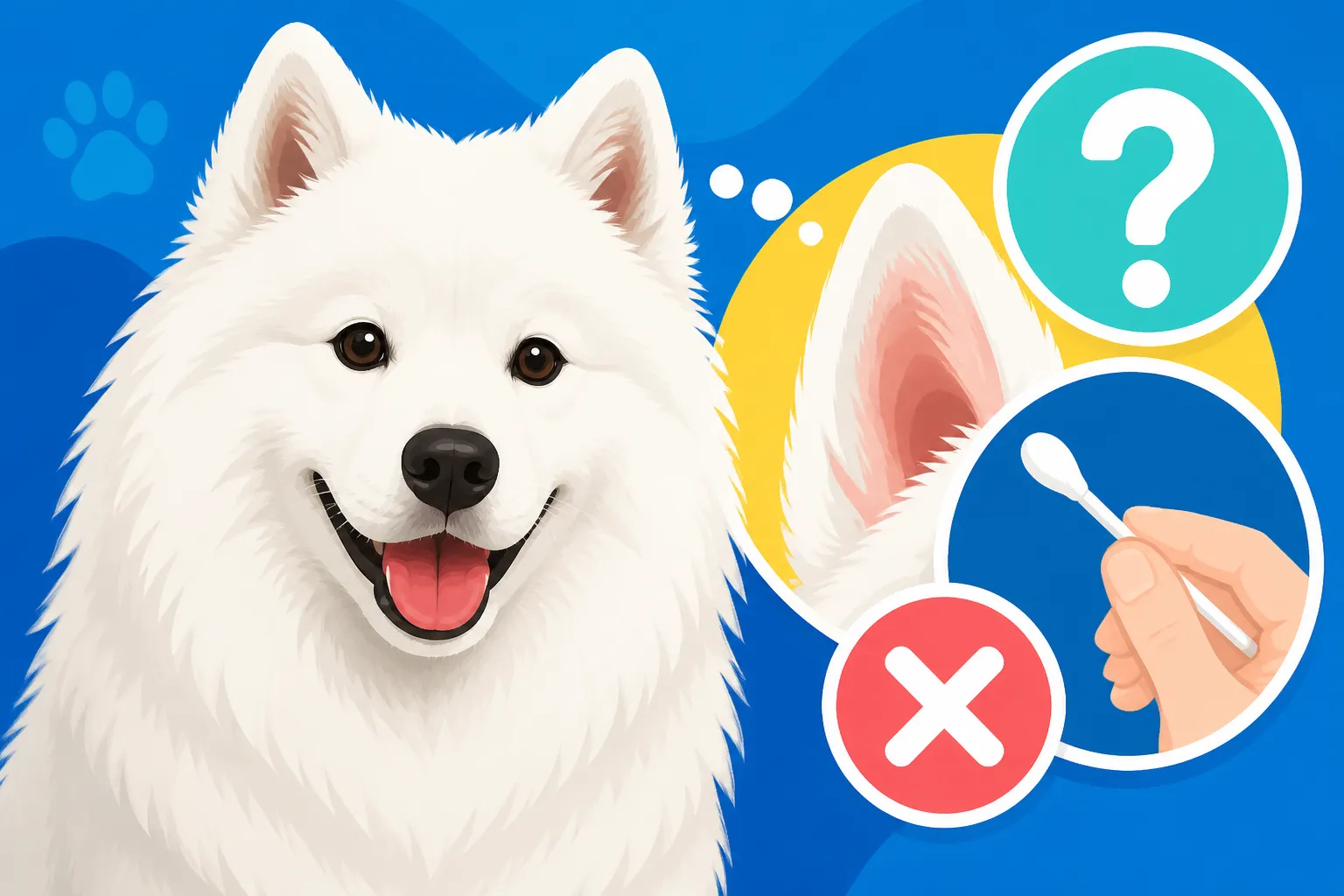
Whether a Samoyed’s Ears Need Cleaning
It’s a common worry for Samoyed owners: those beautiful, fluffy ears. You look into them, perhaps catch a whiff you don't like, and wonder, "Do I need to clean these? And if so, how on earth do I navigate all that fur without hurting my beloved companion?" It's a completely valid concern, because while Samoyeds generally have fewer ear issues than some other breeds, understanding their unique ear anatomy and proper care is crucial to prevent discomfort and costly vet visits. This guide will walk you through everything you need to know about keeping your Samoyed’s ears healthy and clean.
Understanding Your Samoyed's Ear Anatomy
Before you even think about grabbing a bottle of cleaner, it’s important to understand what makes a Samoyed’s ear different from, say, a Basset Hound’s or a Poodle’s. Their ear structure plays a huge role in how prone they are to issues and how you should approach their care.
The Upright, Furry Ear
Samoyeds boast those lovely, relatively small, erect ears, which are set high on their head. Unlike breeds with long, floppy ears that hang down and trap moisture and heat, your Samoyed's ears allow for much better airflow. This design naturally helps to keep the ear canal drier and cooler, which significantly reduces the risk of yeast and bacterial infections that thrive in warm, moist environments. It’s one of the natural advantages of their ancestral northern breed heritage, designed to withstand cold rather than humid conditions.
However, those beautiful ears are also heavily furred, both on the outer pinna and often with a good amount of soft hair inside the ear flap, near the opening of the canal. This dense fur, while part of their charm and protective against extreme cold, can sometimes trap debris or create a barrier to effective cleaning if not managed properly. The fur itself isn't usually the problem, but it can complicate visual inspection and make getting cleaning solution into the canal a bit trickier without proper technique.
The Self-Cleaning Mechanism
Many people are surprised to learn that a healthy dog's ear has a pretty efficient self-cleaning mechanism. Cells lining the ear canal produce earwax (cerumen), which then migrates outwards, carrying dirt, dead skin cells, and debris with it. Think of it like a natural conveyer belt. For many Samoyeds, this system works perfectly, and their ears require very little human intervention beyond an occasional visual check and perhaps a quick wipe if you notice any visible dirt around the opening.
The upright nature of the Samoyed's ears, combined with this natural cleaning process, means that over-cleaning can actually be more detrimental than under-cleaning. Excessive cleaning can disrupt the delicate balance of the ear canal, strip away natural protective oils, and even push debris further down, leading to irritation or infection. So, before you reach for that ear cleaner, remember that often, less is more for a healthy Samoyed ear.
When to Clean Your Samoyed's Ears
The general rule for Samoyed ears is "if it ain't broke, don't fix it." Unlike some breeds that require weekly ear maintenance, many Samoyeds only need their ears cleaned if there’s a specific reason. Knowing what to look for is key.
Signs of Ear Trouble
Your Samoyed's ears are generally healthy if they look clean, don't smell, and your dog isn't scratching at them. If you notice any of the following signs, it’s time for a closer inspection and potentially a trip to the vet, as these can indicate an infection or other issue:
- Excessive scratching or rubbing: Your Samoyed might be pawing at their ears, rubbing them on the carpet, or shaking their head more than usual. This is a clear indicator of discomfort.
- Redness or swelling: The skin inside the ear flap or around the ear canal opening might look inflamed or swollen. Compare it to the other ear if only one seems affected.
- Unpleasant odor: A distinct yeasty, sweet, or foul smell coming from the ear is a strong sign of infection. Healthy ears have very little to no smell.
- Discharge: Look for any brown, yellow, or black discharge. This could be waxy buildup, pus, or ear mite debris. The consistency might be moist, sticky, or crusty.
- Pain or sensitivity: If your Samoyed cries out, flinches, or tries to bite when you touch their ears, they are likely experiencing pain.
- Changes in behavior: Lethargy, loss of appetite, or general irritability can sometimes be linked to discomfort from an ear infection.
If you observe any of these symptoms, it’s always best to consult your veterinarian first. They can properly diagnose the problem and prescribe the correct treatment. Cleaning an already infected ear without knowing the cause can worsen the situation or make diagnosis harder.
Routine Checks Versus Regular Cleaning
For most Samoyeds, a routine visual check once a week or every couple of weeks is sufficient. This involves gently lifting their ear flap and peering into the opening of the ear canal. You're looking for signs of redness, unusual discharge, or a bad smell. If everything looks and smells normal, then there's no need to intervene with cleaning solutions.
However, there are a few scenarios where your Samoyed might benefit from a gentle cleaning, even without obvious signs of infection. If your dog loves to swim, especially in lakes or ponds, the trapped moisture could increase the risk of ear issues. A quick, gentle dry and perhaps a preventative ear cleaner specifically designed to dry the ear canal after swimming might be helpful. Similarly, if your Samoyed has seasonal allergies that tend to manifest with itchy skin or ear irritation, your vet might recommend a regular cleaning schedule to manage yeast or allergen buildup. Otherwise, let nature do its job.
Choosing the Right Ear Cleaning Products
If your vet has given you the green light to clean your Samoyed’s ears, or you’re doing a preventative clean after a swim, picking the right products is crucial. The wrong solution can cause more harm than good.
Veterinary-Approved Ear Cleaners
First and foremost, always opt for a veterinary-approved ear cleaning solution designed specifically for dogs. These solutions are formulated with ingredients that are safe for your dog’s delicate ear canal, and many contain drying agents, mild antiseptics, or ceruminolytic (wax-dissolving) properties. Avoid using harsh chemicals, alcohol, hydrogen peroxide, or human ear cleaning products, as these can be irritating, damaging, or too strong for canine ears.
Brands like Epi-Otic, TrizUltra + Keto, or Zymox are often recommended by vets. You can typically find these products at your veterinarian's office or through online retailers like Chewy or Amazon. Make sure you read the instructions carefully before use. Some solutions are meant for regular maintenance, while others are medicated and should only be used under veterinary guidance for specific conditions.
Essential Tools for Ear Cleaning
Beyond the cleaning solution, you’ll need a few other items to make the process smooth and safe:
- Cotton balls or gauze squares: These are for wiping away loosened debris and drying the outer ear. Avoid cotton swabs (Q-tips) for inside the ear canal, as they can push wax deeper and potentially damage the eardrum. You might use them very carefully for cleaning only the visible folds of the outer ear, but never insert them into the canal itself.
- Towels: Have plenty of old towels on hand. Ear cleaning can be a messy business, especially when your Samoyed shakes their head (which they inevitably will!).
- Treats: Positive reinforcement is key! Make the experience as pleasant as possible for your Samoyed. High-value treats will help them associate ear cleaning with good things.
- Gloves (optional): If you find the idea of touching ear discharge a bit squeamish, or if your Samoyed tends to get messy, disposable gloves can be helpful.
Remember, the goal is gentle cleaning and inspection, not deep scrubbing. If you're ever unsure about which product to use or how to use it, don't hesitate to ask your veterinarian for a demonstration or specific recommendations tailored to your Samoyed's needs.
A Step-by-Step Guide to Cleaning Your Samoyed's Ears
Cleaning your Samoyed's ears doesn't have to be a battle, but it does require patience and a gentle touch. Here's how to do it safely and effectively.
Getting Prepared and Comfortable
First things first, gather all your supplies: the ear cleaner, cotton balls or gauze, and plenty of treats. Choose a quiet, well-lit location where both you and your Samoyed can be comfortable. Some people prefer doing this in a bathroom where messes are easier to clean, while others opt for a spot with good natural light and ample space. If your Samoyed is new to ear cleaning, it's wise to start with very short, positive sessions. Just hold their ear flap, give a treat, and release. Gradually increase the duration until they're comfortable with you handling their ears.
Many Samoyeds, being the intelligent and sensitive creatures they are, will pick up on your anxiety. So, take a deep breath, remain calm, and speak in soothing tones. This isn’t a race. If your dog becomes stressed or resistant, take a break and try again later, or even on another day. For persistent struggles, you might enlist a helper to gently hold and distract your Samoyed with treats while you focus on the ear. Remember, positive experiences now will make future cleanings much easier. Training a Samoyed That Finds Obedience Negotiable can certainly apply here!
The Cleaning Process
Once you’re ready, here’s the step-by-step approach:
- Lift the Ear Flap: Gently lift your Samoyed’s ear flap to expose the inner surface and the opening of the ear canal. You might need to hold back some of that abundant Samoyed fur to get a good view.
- Apply Cleaner: Hold the ear flap up and carefully squirt the recommended amount of ear cleaning solution directly into the ear canal. Don’t be shy – you need enough to fill the canal. The ear canal is L-shaped, so you won’t hit the eardrum if you aim correctly.
- Massage the Base of the Ear: With the cleaner in the ear, gently massage the base of your Samoyed’s ear for about 20-30 seconds. You should hear a squishing sound, which indicates the solution is working its way down and breaking up wax and debris. This massage is crucial for loosening any buildup.
- Allow Them to Shake: Step back and let your Samoyed shake their head. This is the part where you're glad you have those towels! The head shake helps to dislodge and bring up more debris and excess solution.
- Wipe Clean: After the head shake, use a cotton ball or gauze square to gently wipe away any visible dirt, wax, and excess solution from the inner ear flap and the opening of the ear canal. Remember, only clean what you can see. Do not insert anything deep into the ear canal. Use fresh cotton balls until no more debris comes out.
- Repeat (if necessary): If the ear was very dirty, you might need to repeat the process on the same ear with fresh solution.
- Treat and Praise: Lavishly praise and reward your Samoyed with treats throughout and especially after the process. This reinforces a positive association with ear handling.
This methodical approach ensures you clean thoroughly without causing discomfort or injury. And if you have two ears to clean, make sure you do both!
Post-Cleaning Care and Observations
After cleaning, give your Samoyed a few minutes to settle. Keep an eye on them over the next few hours and days. Are they still shaking their head? Are they scratching less? The ear should look cleaner, and any odor should diminish significantly. If your Samoyed’s ears remain red, itchy, smelly, or if they still show signs of discomfort after cleaning, it's a clear signal that something more serious might be going on. This is when your veterinarian absolutely needs to be involved.
It's also important to ensure the ear is as dry as possible after cleaning, especially if you have a Samoyed who loves to swim. Moisture can create a breeding ground for bacteria and yeast. Using a soft towel or a cotton ball to gently absorb any residual moisture from the outer ear canal opening is a good practice. Never use a hairdryer, as the heat can damage sensitive ear tissues. Keep an eye on the long fur around their ears too; sometimes, it can become matted with ear discharge, which then needs careful removal.
Common Misconceptions About Samoyed Ear Care
There's a lot of information floating around about dog ear care, and not all of it applies to our fluffy Samoyeds. Let's clear up some common misunderstandings.
"My Samoyed's Ears Are Upright, So They Never Get Infections."
While it's true that Samoyeds with their erect ears are generally less prone to ear infections compared to breeds with long, pendulous ears, it's a dangerous misconception to believe they are immune. Their upright ears do allow for better air circulation, which is a big advantage. However, other factors can still lead to problems. Allergies, for instance, are a significant cause of ear infections in any breed, including Samoyeds. If your Samoyed suffers from environmental or food allergies, their ears can become inflamed and itchy, creating a prime environment for secondary yeast or bacterial infections.
Additionally, foreign bodies, like grass awns or tiny burrs picked up during outdoor adventures, can easily find their way into any dog's ear canal, regardless of ear set. These can cause intense irritation, pain, and lead to infection. Even swimming in contaminated water can introduce pathogens. So, while their ear shape offers a protective advantage, vigilance is still required. Regular visual checks are still important to catch any developing issues early.
"I Should Pluck the Hair from My Samoyed's Ear Canals."
This is a really contentious topic, and for most Samoyeds, ear hair plucking is absolutely unnecessary and can even be detrimental. Unlike some breeds where excessive hair inside the ear canal can trap wax and lead to infections (think Poodles or Schnauzers), most Samoyeds don't have enough hair deep inside the canal to warrant plucking. The hair they do have is typically fine and doesn't usually cause issues.
Plucking the hair can cause micro-traumas to the delicate skin lining the ear canal, creating tiny open wounds that are perfect entry points for bacteria and yeast. It can also be incredibly painful for your dog. Unless your veterinarian specifically examines your Samoyed's ears and advises that plucking is necessary due to an unusual amount of hair causing recurrent problems, it's best to leave the ear hair alone. A good groomer might trim the hair around the opening of the canal to improve airflow, but this is different from plucking hair from deep within.
"Regular Bathing Will Keep My Samoyed's Ears Clean."
Bathing your Samoyed is certainly part of their overall grooming routine and helps keep their magnificent coat healthy and white. However, simply bathing them does not effectively clean their ear canals, and can actually introduce moisture into an area where it can cause problems. Water trapped in the ear canal after a bath can create a damp environment that encourages the growth of yeast and bacteria. How Often a Samoyed Should Be Bathed focuses more on coat care than internal ear health.
When bathing your Samoyed, it’s actually more important to prevent water from entering their ears. You can do this by placing large cotton balls loosely in their ear canals before washing, removing them immediately after the bath. The cotton acts as a barrier, absorbing any stray water. While the outer ear flap will get cleaned during a bath, the internal ear canal requires a targeted cleaning approach with a specific drying solution if you suspect moisture has entered. Never rely on bathing alone to maintain inner ear hygiene.
Preventing Ear Problems in Samoyeds
Proactive care is always better than reactive treatment. While Samoyeds have relatively low maintenance ears, there are still steps you can take to minimize the risk of issues.
Regular Visual Inspections and Smell Checks
This is your first line of defense! Make it a habit to casually lift your Samoyed’s ear flaps a few times a week. Take a quick look and a sniff. This informal check only takes a few seconds, but it allows you to spot any developing issues before they become serious. You're looking for anything out of the ordinary: excessive redness, discharge, or that tell-tale yeasty or foul odor. How a Samoyed Hides Illness Behind a Smile reminds us that dogs are masters at masking discomfort, so a regular check is vital.
If you make these checks a positive experience – maybe during cuddle time, paired with a favorite treat – your Samoyed will learn to tolerate, and perhaps even enjoy, the attention. This simple routine can save you a lot of worry and your Samoyed a lot of discomfort down the road. If you find anything suspicious, even if it's just a slight change, it's worth a phone call to your vet.
Managing Environmental Factors
Your Samoyed's lifestyle and environment can influence their ear health. If your Samoyed is a water dog who loves swimming, especially in natural bodies of water, this introduces a risk of moisture-trapped ears. After any swim, ensure you thoroughly dry the outer ear canal with a soft towel or cotton ball. Your vet might also recommend a prophylactic ear drying solution to use after swimming to help evaporate any residual moisture. You can find these specialized drying solutions from pet retailers like Chewy or Amazon.
For Samoyeds with known allergies, managing those allergies is crucial for ear health. If your dog suffers from environmental allergies, keeping their living space clean and discussing allergy management strategies with your vet can help. If food allergies are suspected, working with your vet on an elimination diet might be necessary. Addressing the underlying cause of inflammation can prevent a cascade of ear infections.
Professional Grooming and Veterinary Care
Don't underestimate the role of professional groomers and regular veterinary check-ups in maintaining your Samoyed's ear health. A good groomer knows how to safely trim the hair around the ear canal opening to ensure good airflow without causing irritation. They can also alert you to any unusual discharge or odor they notice during grooming sessions.
Regular vet check-ups are essential for overall health, and this includes ear examinations. Your vet can perform a thorough otoscopic exam, looking deep into the ear canal with a specialized instrument to check for hidden issues, foreign bodies, or eardrum integrity. If your Samoyed has a history of ear problems, your vet might recommend specific preventative cleaning solutions or a more frequent cleaning schedule tailored to their individual needs. Remember, when it comes to any health concern, your veterinarian is your best resource for personalized advice and treatment plans.
| Characteristic | Healthy Samoyed Ear | Potential Problem Ear |
|---|---|---|
| Appearance | Clean, pale pink, no visible debris | Red, swollen, crusty, visible discharge (brown, yellow, black) |
| Smell | Little to no odor | Yeasty, foul, sweet, or musty smell |
| Behavior | No scratching, head shaking, or rubbing | Frequent scratching, head shaking, rubbing ears on surfaces, painful when touched |
| Discharge | None or minimal light brown wax | Excessive, dark, moist, sticky, or pus-like discharge |
| Temperature | Normal to touch | Warm or hot to touch |
| Comfort Level | Tolerates handling well | Flinches, cries out, or tries to avoid touch |
Disclaimer
This article is for general informational purposes only and does not constitute professional advice. Laws, prices and regulations vary by location and change over time. Consult a qualified professional for guidance on your specific situation.