Whether a Lean Samoyed Lives Longer
It's a common worry for Samoyed owners: are we feeding them enough? Are they too thin? With that magnificent double coat, it can be incredibly difficult to tell what’s going on underneath all that fluff. But maintaining a healthy, lean body condition for your Samoyed isn't just about aesthetics; it's a critical factor in their overall well-being and, quite frankly, how many happy years you get to spend together. This guide will explore the profound connection between a Samoyed’s weight and their longevity, offering practical advice to help your snowy friend live their best, longest life.
The Link Between Weight and Longevity in Samoyeds
When we talk about our beloved Samoyeds, we often focus on their stunning coats, their playful personalities, and that ever-present "Samoyed smile." What we might not spend enough time considering is their waistline, or lack thereof. Yet, a robust body of evidence in veterinary medicine consistently points to a clear, undeniable truth: a lean dog, maintained at an ideal body condition, generally enjoys a significantly longer and healthier life than one carrying extra pounds. This isn't just about avoiding obvious obesity; even being slightly overweight can have a cumulative negative impact over time.
Understanding "Lean" for a Samoyed
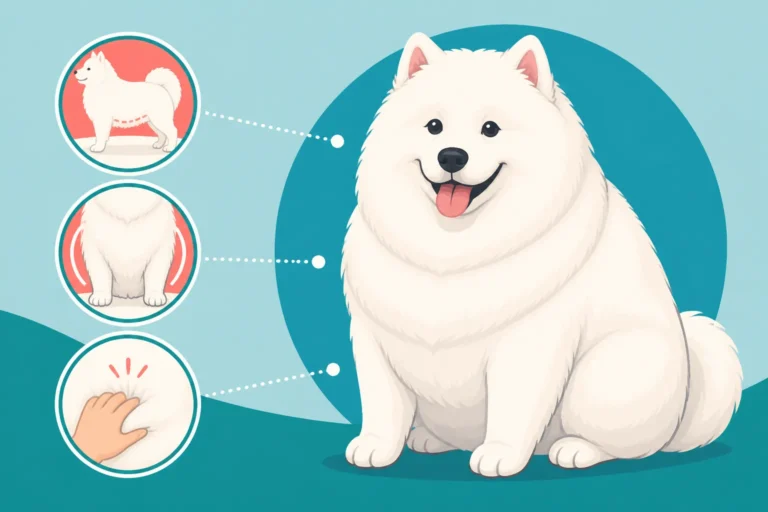
Defining "lean" for a Samoyed can feel like a riddle wrapped in a fur coat. Unlike short-haired breeds where ribs and a waistline are easily visible, a Samoyed's dense double coat acts like a fantastic camouflage. You might look at your fluffy friend and think they're perfectly svelte, but a quick hands-on check could tell a very different story. A truly lean Samoyed should have ribs that are easily palpable under a light layer of fat, without being visibly prominent. When viewed from above, you should be able to discern a waistline behind their ribs, though again, the coat can make this subtle. From the side, their abdomen should tuck up slightly, rather than hanging low or appearing distended. It’s a delicate balance; we don't want them bony, but we definitely don't want them padded.
Many owners find themselves constantly questioning, "Am I feeding my Samoyed enough?" especially when they see articles or photos of leaner dogs. It’s important to remember that the ancestral Samoyed was a working dog, built for endurance in harsh conditions. They weren't meant to carry excess weight, which would only hinder their ability to pull sleds or herd reindeer. Modern Samoyeds, even if they're primarily cherished companions, still thrive on a body condition that mirrors their working heritage.
The Science Behind Weight and Lifespan
The link between a lean body condition and increased lifespan isn't just anecdotal; it's backed by significant scientific research. Studies on various dog breeds have consistently shown that dogs kept at an ideal, lean weight live, on average, one to two years longer than their overweight counterparts. For a breed like the Samoyed, whose The Twelve to Fourteen Years a Samoyed Lives is already a precious span, gaining an extra year or two of healthy life is an invaluable gift.
Why does this happen? The extra fat isn't just inert tissue; it's metabolically active, releasing inflammatory hormones and putting undue stress on virtually every organ system. It contributes to chronic low-grade inflammation throughout the body, accelerating cellular aging and increasing the risk of numerous diseases. Think of it this way: every extra pound is a little bit of added burden your Samoyed’s body has to carry, day in and day out, for years. That burden adds up, silently chipping away at their overall health and vitality.
Why Excess Weight is a Silent Threat for Samoyeds
The charming, fluffy exterior of a Samoyed can be quite deceptive. Because of their thick coats, it’s remarkably easy for owners to miss the subtle creep of weight gain until it becomes a significant problem. A slightly pudgy Samoyed can still look quite round and adorable, making it hard to recognize that their health is quietly being compromised. This silent progression of weight gain is particularly dangerous because it often goes unaddressed until more serious symptoms appear, which by then may mean the underlying damage is already done. Understanding the specific threats excess weight poses to Samoyeds can motivate us to be more vigilant.
The Hidden Dangers of Carrying Extra Pounds
Excess weight in Samoyeds contributes to a whole host of health problems, some of which are particularly concerning for a breed known for its robust health in ideal conditions. One of the most common issues is increased strain on joints. Samoyeds are active, often playful dogs, and extra weight puts immense pressure on their hips, elbows, and knees. This can accelerate the onset and severity of conditions like arthritis, making simple movements painful and leading to a reduced quality of life in their senior years. Imagine trying to run and jump with a heavy backpack on all the time – that's what it feels like for an overweight Samoyed. Early joint issues can lead to pain medication dependence and limit their ability to enjoy activities they once loved, from long walks to chasing squirrels. What an Arthritic Samoyed Should Sleep On becomes a much more pressing question far earlier in their lives.
Beyond musculoskeletal issues, excess weight burdens the cardiovascular system, making the heart work harder. It can also lead to respiratory problems, especially in a breed with a dense coat, as the fat can accumulate around the chest and diaphragm, restricting lung expansion. This makes them less tolerant of exercise and more prone to overheating, a critical concern for Samoyeds in warmer climates. Furthermore, being overweight often dulls their natural energy and playfulness, subtly changing their personality and reducing their engagement with the world around them. This is especially poignant given How a Samoyed Hides Illness Behind a Smile, making early detection of discomfort even more challenging for owners.
Whether an Overweight Samoyed Is More Likely to Get Diabetes
This is a really important point to understand. Yes, an overweight Samoyed is absolutely Whether an Overweight Samoyed Is More Likely to Get Diabetes. Just like in humans, obesity is a significant risk factor for insulin resistance and, eventually, Type 2 diabetes in dogs. When a dog carries too much fat, their body's cells can become less responsive to insulin, the hormone responsible for regulating blood sugar. The pancreas then has to work overtime to produce more insulin, and over time, it can become exhausted, leading to insufficient insulin production and the onset of diabetes.
A diabetic Samoyed requires a lifetime of careful management, including daily insulin injections, special diets, and regular veterinary check-ups. This can be a significant emotional and financial commitment. While not all overweight Samoyeds will develop diabetes, keeping your Samoyed at a lean, healthy weight drastically reduces this risk. It's one of the most powerful preventative measures you can take to safeguard their long-term health and avoid the complexities of managing chronic conditions. Regular monitoring, including Whether a Samoyed Needs Yearly Glucose Bloodwork, becomes even more crucial if weight is a concern.
Achieving and Maintaining a Healthy Weight for Your Samoyed
So, you understand the importance of a lean body condition. Now, how do you actually achieve and maintain it for your fluffy companion? It's a combination of smart feeding practices, understanding what "lean" feels like, and ensuring they get appropriate exercise. It’s not about crash dieting or excessive activity; it’s about a consistent, sustainable lifestyle that promotes health.
Dietary Management for a Lean Samoyed
Feeding a Samoyed appropriately involves more than just filling their bowl. Firstly, choose a high-quality dog food. The label should list a meat protein as the first ingredient, and it should be formulated for adult dogs of their size and activity level. Avoid foods with excessive fillers or artificial ingredients. Brands like Ollie offer fresh, human-grade food tailored to your dog's needs, which can be fantastic for weight management because the portions are precisely calculated based on their target weight and activity. However, any quality kibble can work perfectly well, too.
Portion control is absolutely paramount. Many owners unwittingly overfeed their Samoyeds, either by free-feeding or by simply pouring without measuring. The feeding guidelines on dog food bags are just that – guidelines. Your individual Samoyed's metabolism, activity level, and age will dictate their actual caloric needs. A great starting point is to measure their food precisely, and then adjust based on their body condition. If they're gaining weight, slightly reduce the portion; if they're too thin, increase it slightly. How Much a Samoyed Should Eat is a dynamic target, not a fixed number. Avoid rich table scraps, which are often high in calories and fat and can contribute to weight gain and even more serious issues like pancreatitis. And remember, Whether a Samoyed's Treats Should Be Counted as Calories – yes, every single one! They add up quickly, especially for a dog that's easily Whether a Samoyed Gains Weight Easily. You can often find a wide variety of healthy, low-calorie treat options on Chewy or Amazon.
Consider this table for adjusting your Samoyed's food intake:
| Body Condition Change | Action Needed | Example Adjustment (Consult Vet) |
|---|---|---|
| Gaining Weight | Reduce daily food intake slightly | Decrease by 1/8 to 1/4 cup daily |
| Maintaining Ideal | Keep current daily food intake | Maintain current measured portion |
| Losing Too Much | Increase daily food intake slightly or increase fat | Increase by 1/8 to 1/4 cup daily |
| Still Overweight | Gradual reduction, consult vet for dietary plan | Gradual reduction over weeks, perhaps a "lite" food |
Feeling for Ribs Under a Samoyed's Coat
This is perhaps the most important skill for a Samoyed owner to master when it comes to weight management. Because visual cues are often masked by their glorious fur, you must rely on touch. To accurately assess your Samoyed's body condition, you need to feel for their ribs. Feeling for Ribs Under a Samoyed's Coat should be a regular practice, perhaps once a week during grooming time.
Here's how to do it:
- Place both hands on your Samoyed's sides, just behind their shoulders, and gently run your fingers along their rib cage.
- You should be able to feel their ribs without having to press hard, almost like feeling the knuckles on the back of your hand. You should not see them, but you should definitely be able to distinguish each individual rib.
- If you have to press firmly to feel the ribs, your Samoyed is likely carrying too much weight.
- If the ribs are very prominent and easily visible, or feel sharp with no fat covering, they might be too thin.
- Also, check for a waist: Standing over your Samoyed, look down. While the coat makes a sharp tuck impossible, there should still be some narrowing behind the ribs. Then, feel the area. There should be a subtle inward curve.
This hands-on approach is far more reliable than just looking at them. Remember, your vet will use a similar method, often assigning a Body Condition Score (BCS) from 1 to 9, with 4 or 5 being ideal.
Exercise and Activity Levels
Samoyeds are active dogs, and regular exercise is crucial for maintaining a healthy weight and overall well-being. They thrive on physical activity, which helps burn calories, build muscle, and keeps their minds stimulated. Daily walks, runs, or active play sessions are essential. However, the type and intensity of exercise should be appropriate for your Samoyed's age, health, and current fitness level. A young, healthy Samoyed might enjoy longer hikes or even pulling activities, while an older dog, especially if they have some arthritis, will benefit more from shorter, more frequent, gentle walks.
It's tempting to think that intense exercise alone will fix a weight problem, but diet and portion control play a much larger role. Exercise complements a good diet; it doesn't replace it. If you're trying to help your Samoyed lose weight, gradually increasing their activity can be part of the plan, but the primary focus should still be on reducing calorie intake. Getting Weight Off a Samoyed is a marathon, not a sprint, and requires consistency in both diet and exercise. Also, be mindful of the weather, particularly heat, as Samoyeds can overheat easily with vigorous exercise in warm conditions.
Practical Strategies for a Longer, Healthier Samoyed Life
Beyond the daily grind of food and exercise, there are broader strategies that contribute to a Samoyed’s overall health and longevity. It's about taking a holistic approach, recognizing that every aspect of their care plays a role in fostering a long, happy life. A lean body condition is foundational, but it’s part of a larger picture of preventative care and attentive ownership.
Routine Veterinary Care and Monitoring
Regular visits to your veterinarian are absolutely non-negotiable for a long-lived Samoyed. Your vet is your best partner in monitoring your dog's weight and overall health. During routine check-ups, they will perform a thorough physical examination, including a professional assessment of your Samoyed's body condition. They can also provide tailored advice on diet and exercise specific to your dog's individual needs, factoring in age, lifestyle, and any existing health conditions. Don't hesitate to ask your vet about their ideal weight range and body condition score for your specific Samoyed.
These visits also allow for important preventative screenings. For instance, Whether a Samoyed Needs Yearly Kidney Bloodwork is a question many owners ponder, and your vet can advise on the appropriate frequency based on age and individual risk factors. Early detection of any health issues, even subtle ones that a Samoyed might try to mask, is key to effective treatment and better outcomes. Your vet can spot trends in weight, bloodwork, or physical condition before they become serious problems.
The Impact of Environment and Lifestyle
While diet and exercise are major players, the overall environment and lifestyle you provide also significantly influence your Samoyed's longevity. A stimulating environment, filled with opportunities for mental enrichment, can reduce stress and prevent boredom, which sometimes manifests as overeating. Toys, puzzles, training sessions, and social interaction all contribute to a happy, well-adjusted dog.
Ensuring your Samoyed has a comfortable and appropriate living space is also important. For instance, if you live in a warmer climate, ensuring access to cool areas and air conditioning is vital to prevent overheating, which can stress their system. Whether a Samoyed's Diet Should Change After Six is a common question, as older Samoyeds often have different nutritional needs and may benefit from joint supplements or diets formulated for seniors to help maintain muscle mass and manage inflammation, further supporting a lean, healthy physique. Remember, fostering a healthy weight isn't just about limiting calories; it's about providing the best possible life experience for your cherished Samoyed.
Ultimately, a lean Samoyed truly does tend to live longer and enjoy a higher quality of life. It takes diligence and a keen understanding of their unique needs, but the reward is more joyful years with your fluffy family member.
Disclaimer
This article is for general informational purposes only and does not constitute professional advice. Laws, prices and regulations vary by location and change over time. Consult a qualified professional for guidance on your specific situation.