Whether a Cooling Vest Works Under a Samoyed’s Coat
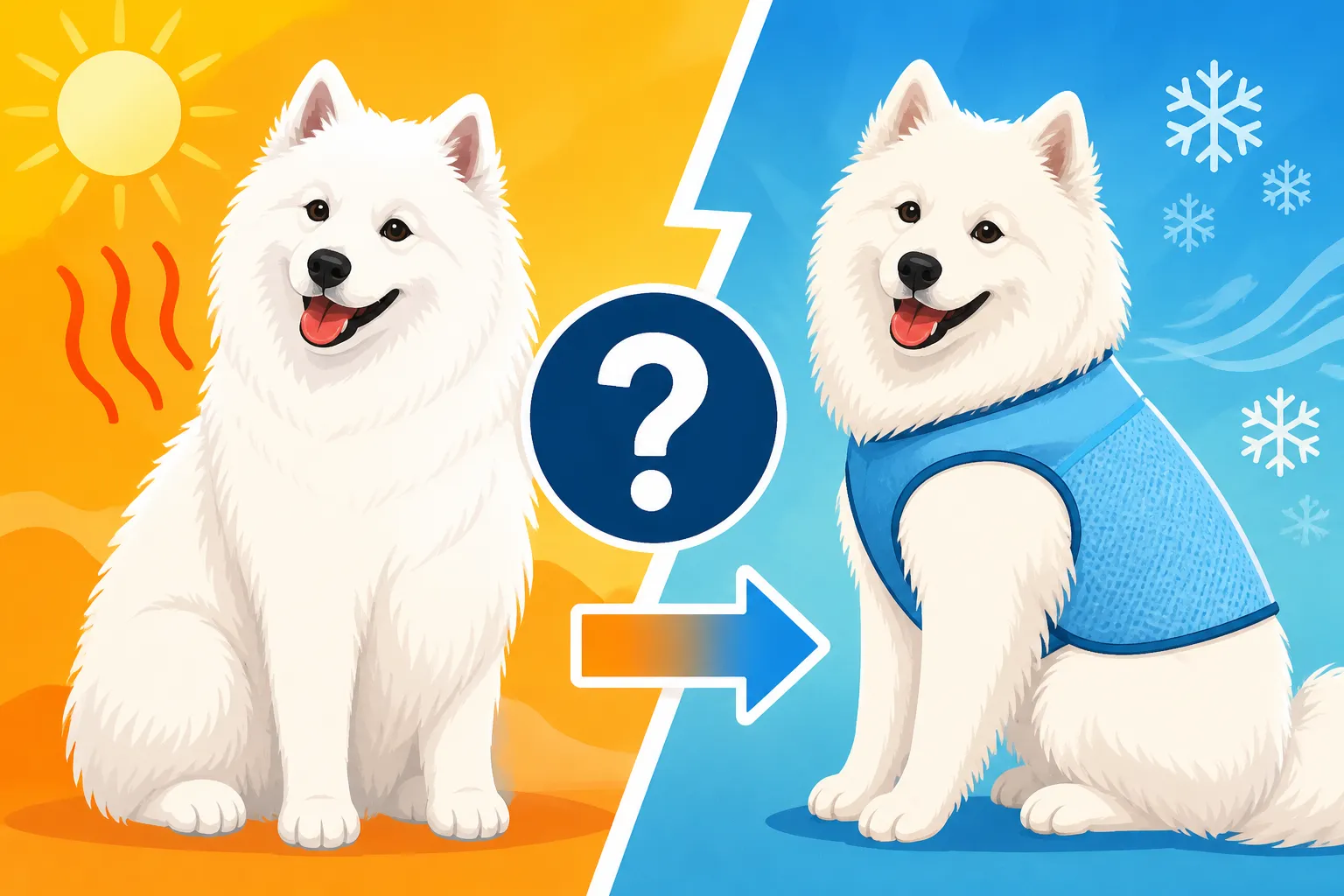
Oh, the summer struggle with our magnificent Samoyeds! It’s a real and often disheartening battle when you see your fluffy cloud panting heavily, desperately trying to find a cool spot. We all want to do everything we can to make them comfortable when the temperatures soar, and naturally, our minds turn to every gadget and gizmo on the market, including those intriguing cooling vests. This guide is going to dive deep into whether these vests genuinely offer relief for a Samoyed, or if they might actually be doing more harm than good for our beautiful, thick-coated companions.
Understanding the Samoyed's Unique Insulation System
Before we even begin to ponder whether a cooling vest is a good idea, we absolutely have to understand the incredible engineering marvel that is a Samoyed's coat. It’s not just fur; it's a meticulously designed, centuries-old natural climate control system perfected by generations of living in some of the harshest cold on Earth. Trying to cool a Samoyed without respecting this natural design is like trying to improve a perfectly built house by adding a tent to the roof – it rarely works as intended.
The Double Coat Explained: Guard Hairs vs. Undercoat
A Samoyed's coat isn't just one layer; it’s a sophisticated double-layer system, and each part plays a crucial role in regulating their body temperature. Think of it as a two-part insulation system designed for extremes.
First, you have the outer layer, known as the guard hairs. These are longer, coarser, and straight, and they stand out from the body. Their job is multifaceted: they shed water and dirt, protect the softer undercoat, and perhaps most importantly in our context, they create a protective barrier against the sun's rays. These hairs are naturally shiny and reflective, acting like a sun shield, bouncing away heat and UV radiation before it even reaches the skin. They also allow air to circulate close to the skin.
Beneath this impressive outer shell lies the undercoat. This is where the real magic happens, especially when it comes to insulation. The undercoat is incredibly dense, soft, and woolly, almost like cotton batting. In cold weather, this undercoat traps a layer of warm air close to the body, preventing heat loss. But here's the kicker: in warm weather, this same dense undercoat still acts as insulation. It slows down the transfer of heat from the warmer outside air to the cooler air next to the dog's skin. It’s a bit counter-intuitive for us humans, but that fluffy layer actually helps keep external heat out. This is why you'll often hear us Samoyed enthusiasts say Why a Samoyed's Coat Insulates Against Heat as Well as Cold.
How a Samoyed's Coat Regulates Temperature Naturally
Our Samoyeds are masters of self-regulation when it comes to temperature. Besides their coat, they rely on several physiological mechanisms. Panting is the most obvious one. When a Samoyed pants, they exchange warm air from their lungs with cooler air from the outside, and the evaporation of moisture from their tongue, mouth, and respiratory tract helps cool their blood. This is their primary way of shedding excess heat.
Beyond panting, their skin has very few sweat glands, mostly located on their paw pads, which aren't enough for full body cooling. Instead, their bodies are designed to dissipate heat through circulation to areas like their ears and paws. Their coat, therefore, isn't just about keeping warm; it's about maintaining a stable core temperature. It's a testament to the evolutionary journey that produced A Samoyed Built for Sixty Below in an American Summer, a dog truly built for extremes. Removing or compromising this coat, as we discuss with shaving, or even covering it, can disrupt this delicate balance.
The Science Behind Cooling Vests and Their Interaction with a Samoyed's Coat
Now that we understand the intricate workings of a Samoyed's natural cooling system, let's explore how cooling vests are supposed to function and, more critically, how they might interact with that beautiful, functional fur. The idea of a cooling vest is simple: apply a cool surface to the dog's body to help lower its temperature. But the reality for a Samoyed is far more complex.
Different Types of Cooling Vests and Their Mechanisms
Cooling vests for dogs typically fall into a few categories, each with a different mechanism for supposedly providing relief:
- Evaporative Cooling Vests: These vests are designed to be soaked in cold water, then wrung out. As the water evaporates from the fabric, it draws heat away from the dog's body. Think of it like sweating for your dog. Brands like Ruffwear and The Chill Collar offer options in this category.
- Phase-Change Material (PCM) Vests: These vests contain pockets of gel packs or other materials that solidify when cooled (e.g., in a freezer) and then slowly absorb heat from the dog's body as they melt and return to a liquid state. They offer a prolonged, consistent coolness without making the dog wet. Chilly Dog is a brand known for this type.
- Reflective or Mesh Vests: Some vests don't actively cool, but rather focus on reflecting sunlight or allowing for maximum airflow, without adding insulation. These are more about preventing heat absorption than actively cooling.
Each of these works on a principle that might be effective for a short-haired dog, or a dog with a single coat that doesn't offer much natural insulation. However, the presence of a Samoyed's dense double coat throws a significant wrench into these mechanisms. You can find many types of these on popular pet supply sites like Chewy or Amazon.
The Potential Paradox: Adding a Layer to Keep Cool
Here's where the critical thinking comes in. A Samoyed's coat already creates a protective layer that slows down heat transfer. When you put a cooling vest on top of that, you're essentially adding another layer. This can create a paradoxical situation, especially with certain types of vests.
-
Evaporative Vests and the Double Coat: With an evaporative vest, the cooling effect relies on air circulating over the wet fabric to facilitate evaporation. But a Samoyed's dense guard hairs and thick undercoat can significantly impede this airflow. The wet fabric might get trapped against the guard hairs, creating a damp, warm pocket beneath the vest rather than allowing for efficient evaporation. The moisture could also wick into the undercoat, making it damp and potentially leading to skin irritation or matting if not thoroughly dried. Furthermore, once the water in the vest warms up (which happens quickly in hot weather and with limited airflow), the vest itself can become an additional layer of warm, damp insulation, trapping heat against the dog's body.
-
PCM Vests and the Double Coat: Phase-change vests offer a more direct cold transfer, but again, the sheer volume and insulating power of the Samoyed's coat can act as a barrier. The cold from the vest has to penetrate through inches of dense fur to reach the skin effectively. While they avoid the dampness issue, they still represent an additional layer that can hinder the coat's natural ability to allow air circulation near the skin. Once the PCM material warms up, it just becomes another insulating layer.
This brings us to a crucial point: many well-meaning owners wonder Why Shaving a Samoyed Makes the Heat Worse. The reason is similar. When you shave a Samoyed, you remove the guard hairs that protect against UV and allow airflow, and you expose the dense undercoat (or whatever remains) to direct heat, disrupting its natural insulation. Adding a vest on top of an intact Samoyed coat can, in a less extreme way, still interfere with the coat's intended function.
Practical Considerations and When a Cooling Vest Might (or Might Not) Help
So, with all this in mind, is there any scenario where a cooling vest might be beneficial for a Samoyed? And what are the risks we need to consider? The answer isn't a simple yes or no, but it leans heavily towards caution.
When a Cooling Vest Could Be Beneficial (and for How Long)
For the vast majority of Samoyeds, especially those with a healthy, well-maintained coat, a cooling vest provides minimal benefit and often carries more risk than reward. However, there might be a few very specific, limited circumstances where extreme caution and observation could make one useful:
- Short-term, supervised relief in very specific, controlled environments: Perhaps you're briefly moving your Samoyed from an air-conditioned car to an air-conditioned building on a scorching day, and you want to provide a quick burst of coolness. The vest might help for those few minutes of exposure.
- As a small component of a multi-pronged cooling strategy: If you're using other, more effective cooling methods (which we'll discuss), and your vet explicitly agrees it could complement them, a reflective or very lightweight mesh vest might help reflect some solar radiation without significantly trapping heat. But it should never be the primary solution.
- For Samoyeds with compromised coats: In rare cases, a Samoyed might have a medical condition or severe coat damage (not from shaving, but perhaps from neglect or illness) that impacts their natural insulation. In such extreme and unusual circumstances, under strict veterinary guidance, a vest might be considered, but this is highly individual and not applicable to a healthy Samoyed.
The key phrase here is "very specific" and "limited." The moment the vest begins to warm up, or if it traps moisture against the skin without adequate airflow, it ceases to be a cooling device and becomes an insulating blanket, potentially leading to overheating. Always be on the lookout for Signs a Samoyed Is Overheating, such as excessive panting, lethargy, or stumbling.
Risks and Downsides of Using a Cooling Vest on a Samoyed
Despite the good intentions, using a cooling vest on a Samoyed carries several significant risks:
- Trapping Heat: This is the biggest concern. A vest, even a wet one, adds a layer over a coat that is already designed to regulate temperature. If the vest material isn't breathable enough or the evaporation isn't efficient (which is likely due to the dense coat), it can trap warm air and humidity against the dog's body, effectively turning into a sauna suit.
- Matting and Skin Issues: Wetting a Samoyed's undercoat and leaving it damp for extended periods, especially with a vest on, creates a perfect storm for matting. Mats are not only uncomfortable but can pull on the skin, causing pain. Moreover, a perpetually damp coat can lead to skin infections, hot spots, or fungal growth, which are notoriously difficult to treat in a thick-coated breed.
- False Sense of Security: Relying on a vest can give owners a false sense of security, leading them to believe their Samoyed is safe in hotter conditions than they actually are. This can result in dangerously prolonged exposure to heat, increasing the risk of heatstroke.
- Discomfort and Reduced Mobility: An ill-fitting or bulky vest can restrict a Samoyed's movement, especially around the shoulders and chest. It can also simply be uncomfortable, adding weight and a strange sensation that most Samoyeds would prefer to avoid.
Alternative and Complementary Cooling Strategies
Instead of relying on a vest, focus on proven, effective methods to keep your Samoyed cool. These strategies work with their natural physiology, not against it.
| Cooling Strategy | How it Helps a Samoyed | Key Considerations |
|---|---|---|
| Air Conditioning/Indoors | Provides consistent, dry, cool air, allowing them to regulate body temperature without extra effort. | Essential for Samoyeds in warm climates. Ensure access to the coolest parts of the house. Whether a Samoyed Needs Air Conditioning is often a resounding YES. |
| Shade and Restricted Outdoor Time | Prevents direct sun exposure, which significantly reduces heat absorption. Limiting outdoor time during peak heat. | Essential during summer months. Walks should be How Early a Samoyed Should Be Walked in Summer or late evening. |
| Fresh Water | Constant access to fresh, cool water helps regulate internal temperature and prevents dehydration. | Multiple bowls, add ice cubes. Consider a pet fountain to encourage drinking. Why a Samoyed Owner Should Track Water Intake is important. |
| Cooling Mats | Offers a localized cool spot for them to lie on, helping to draw heat from their body. | Look for pressure-activated gel mats or elevated beds that allow airflow. Ensure they are durable enough for a Samoyed. |
| Kiddie Pools/Supervised Water Play | Allows them to get wet and cool their paws and belly, which are key areas for heat dissipation. | Only if your Samoyed enjoys water (not all do!). Ensure the water is clean and fresh, and they have an easy way in and out. Supervise constantly. |
| Grooming (Brushing, Not Shaving) | Regular brushing, especially during coat blow, removes dead undercoat, allowing better airflow and insulation efficiency. | How Often a Samoyed Needs Brushing is often daily during shedding. Never shave your Samoyed, as Why Shaving a Samoyed Makes the Heat Worse is a critical point. |
| Frozen Treats/Iced Meals | Helps cool from the inside out. | Offer frozen kongs, ice cubes, or even chilled raw meals (if fed raw). Some owners like to add frozen bits from a service like Ollie to their dog's regular meals, as long as it aligns with their diet. |
| Wet Towels (Localized) | Applying cool, damp towels to paws, belly, and armpits can provide targeted relief without covering the whole coat. | This is a good way to How a Samoyed Should Be Cooled Down if they are already overheating, or as a preventative measure for specific body parts. |
Prioritize these methods. Water, Shade and the Summer Plan for a Samoyed should be your absolute go-to. If your Samoyed is showing serious signs of distress, it's a veterinary emergency.
Making an Informed Decision for Your Samoyed
Ultimately, whether to use a cooling vest for your Samoyed is a decision that demands careful consideration, prioritizing your dog's safety and comfort above all else. Given their unique physiology, the consensus among experienced Samoyed owners and many veterinarians is that cooling vests are generally ineffective and potentially counterproductive for this breed.
Observing Your Samoyed's Comfort Levels
Your Samoyed will tell you what works and what doesn't. They are masters of communication, even if it's just through their body language. When considering any cooling method, including a vest, watch them like a hawk.
Are they panting less, or more? Is their breathing labored? Are they actively trying to remove the vest, or do they seem indifferent? Do they seek out cooler spots when wearing it, or are they lying uncomfortably? Whether a Samoyed Refuses to Walk in Heat is a clear sign they're telling you something is wrong.
Touch their skin under the coat after wearing the vest for a short period. Does it feel cool and dry, or warm and damp? If it's warm and damp, the vest is trapping heat and moisture, not helping. Your observations are far more valuable than any marketing claim about a product.
Consulting Your Veterinarian for Personalized Advice
Every dog is an individual. While this guide provides general advice based on the Samoyed breed's characteristics, your specific Samoyed might have underlying health conditions, age-related issues, or unique sensitivities that could influence whether a cooling vest is appropriate. For example, an older Samoyed might struggle more in the heat.
Always, always consult with your veterinarian before introducing any new device or significant change to your Samoyed's heat management strategy. They can provide personalized advice, assess your dog's overall health, and help you create the safest and most effective plan to keep your fluffy friend cool and happy through the warmer months. Your vet understands that How a Samoyed Hides Illness Behind a Smile and can spot subtle signs of distress you might miss.
Trust your dog's natural coat, provide ample shade and fresh water, keep them indoors during peak heat, and prioritize good grooming to manage their undercoat. These tried-and-true methods are far more effective and safer for our beautiful Samoyeds than relying on a questionable cooling vest.
Disclaimer
This article is for general informational purposes only and does not constitute professional advice. Laws, prices and regulations vary by location and change over time. Consult a qualified professional for guidance on your specific situation.