How Often a Samoyed Should Be Bathed
One of the biggest worries new Samoyed owners express is how in the world they're going to keep that magnificent white coat pristine. You see pictures of sparkling white Sammies frolicking in the snow, and then you look at your own dog, who just found the muddiest puddle in the neighborhood, and despair sets in. It's a common misconception that such a beautiful coat demands constant bathing, but the truth might surprise you. This guide will walk you through the realistic frequency for bathing your Samoyed, debunking myths and offering practical advice to keep your fluffy companion looking (and feeling) their best without overdoing it.
Understanding the Samoyed's Unique Coat
Before we even talk about lathering up, it's crucial to understand the engineering marvel that is a Samoyed's coat. This isn't just fluffy hair; it's a highly evolved system designed for survival in extreme Arctic conditions. Treating it like any other dog's coat can actually do more harm than good, and many of the "problems" people anticipate with a white dog's coat are often solved by the coat itself.
The Double-Layered Wonder and Its Self-Cleaning Properties
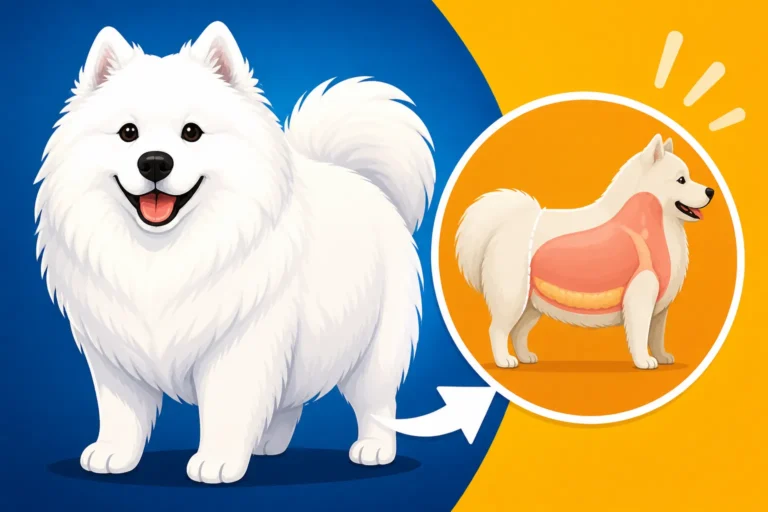
A Samoyed's coat is famously a double coat, meaning it has two distinct layers working in harmony. You have the long, coarse, straight outer guard hairs, and beneath them, a dense, soft, woolly undercoat. It's truly a wonder to behold and feel, but its purpose goes far beyond aesthetics. This dual-layer system isn't just for keeping them warm; it's also incredibly efficient at shedding dirt and debris.
Think of those guard hairs as a protective shield. They are designed to be somewhat water-repellent and resistant to dirt adhering to them. When mud dries on a Samoyed's coat, often with a good shake, a surprising amount of it will just fall right off. I've seen my own Samoyeds emerge from what looked like a swamp, and by the time they've dried, they're practically spotless again. It seems almost magical, but it's just the natural design at work. This self-cleaning aspect is a huge relief for owners, as it significantly reduces the need for frequent full baths. In fact, many Samoyed owners will tell you that their dogs naturally smell quite clean, a testament to this incredible coat. Why a Samoyed Barely Smells at All is a fascinating topic in itself, showcasing just how unique these dogs are.
How the Guard Hairs and Undercoat Work Together
The guard hairs, being tougher and slicker, prevent much of the grime from reaching the delicate undercoat and skin. They form a barrier, allowing dirt to sit on the surface where it can be brushed out or shaken off. The undercoat, on the other hand, provides insulation and density, trapping air close to the body, which helps regulate temperature in both cold and, surprisingly, warm weather. A Samoyed's Coat Is Insulation, Not Decoration explains this phenomenon in more detail.
When it comes to dirt, the guard hairs prevent deep penetration. This means that while your Samoyed might look like a muddy mess after a romp, a thorough brushing once they're dry can often restore their pristine appearance. The dirt simply hasn't had a chance to become ingrained. This protective layer is also why shaving a Samoyed is almost always a bad idea. Why Shaving a Samoyed Makes the Heat Worse is a crucial read for any Samoyed owner, as it highlights how vital this natural protection is.
The Natural Oils That Protect the Skin
Beyond the physical structure, a Samoyed's coat and skin produce natural oils that are essential for its health and function. These oils lubricate the skin, keep the coat supple, and enhance its water-repellent properties. They are the unsung heroes in maintaining that beautiful, healthy sheen and protecting against environmental elements.
Frequent bathing, especially with harsh shampoos, can strip these vital natural oils. When these oils are removed, the skin can become dry, flaky, and irritated. The coat itself might feel rougher, lose some of its natural luster, and become more susceptible to matting. It's a delicate balance; you want to clean when necessary, but never to the point of compromising the skin's natural defenses. Understanding this biological aspect truly reinforces the idea that less is often more when it comes to bathing your Samoyed.
Factors Influencing Bathing Frequency
So, if their coat is so amazing at self-cleaning, how often should you bathe a Samoyed? There's no single magic number, unfortunately. It really depends on your individual dog, their lifestyle, and even the time of year. What works for one Samoyed living a quiet life might not work for another who is an avid explorer.
Lifestyle and Environment: Mud Puddles vs. Pristine Lawns
This is perhaps the biggest determining factor. A Samoyed that spends most of its time indoors, enjoying a clean backyard, will naturally require fewer baths than one who accompanies you on daily hikes through muddy trails or enjoys rolling in questionable odorous things at the dog park.
Consider your daily routine:
- The Urban Explorer: If your Samoyed primarily walks on city sidewalks and parks, they might just pick up street grime and dust. A good brush and perhaps a Spot Cleaning a Samoyed Instead of Bathing It session for their paws and belly might be all that's needed most of the time.
- The Nature Enthusiast: If your Sammy is regularly out in the woods, fields, or by water, they're going to encounter more dirt, mud, and possibly things like burrs or sticky seeds. These adventures inevitably lead to more frequent instances where a full bath becomes necessary, not just for cleanliness but for comfort and hygiene.
- The "Muck Magnet": Some Samoyeds just seem to have a knack for finding the messiest spots. If your dog comes home looking like a swamp monster more often than not, you'll obviously be bathing more often than someone whose dog prefers to stay clean.
It’s about being realistic. If your Samoyed lives for digging in the garden, you’re going to be bathing them more often than your neighbor whose Samoyed prefers napping on the couch.
Seasonal Changes and Coat Blows
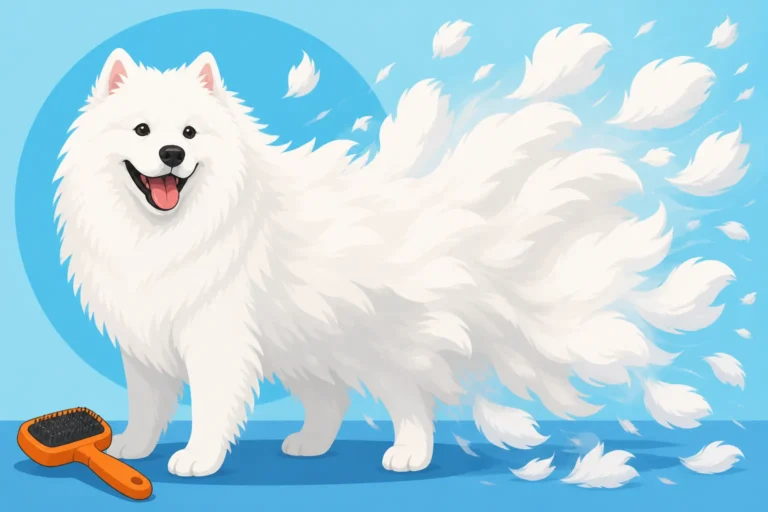
The seasons play a huge role in a Samoyed's coat care, and consequently, bathing frequency. Samoyeds "blow" their coats typically twice a year, usually in spring and fall, in preparation for the change in temperatures. This is when they shed their entire undercoat, and it can be a truly impressive (and messy) event. When a Samoyed Blows Its Coat details this glorious period of fluff.
During a coat blow, bathing can actually be beneficial, but with a specific purpose. A bath can help loosen dead hair, making it easier to brush out. However, the drying process becomes even more critical and time-consuming. A thorough bath and brush out during a coat blow can significantly reduce the amount of loose hair floating around your home. Beyond coat blows, consider these seasonal impacts:
- Spring/Summer: Warmer weather often means more outdoor activities, which can lead to more dirt. However, bathing too frequently in warm weather can also dry out their skin faster. Keep an eye on skin health.
- Fall/Winter: Colder, wetter weather can mean muddy paws, rain-soaked fur, and perhaps snow and ice. While their coat is designed for cold, prolonged dampness can lead to skin issues. Also, snow can ball up in their fur, which a bath won't solve, but a good brush might.
Sometimes, a full bath during a coat blow is the fastest way to get all that dead undercoat out. It makes the subsequent brushing much easier and more effective, and a good wash can aid in the shedding process.
Skin Sensitivities and Allergies
Just like people, some Samoyeds have more sensitive skin than others. They might react to certain ingredients in shampoos, or develop irritation if bathed too frequently. If your Samoyed is prone to dry skin, itching, or hot spots, you'll need to be extra cautious with bathing frequency and product choices.
Signs of skin irritation after bathing might include:
- Excessive scratching or licking
- Redness or rash
- Dandruff or flaky skin
- A dull or brittle coat
If you suspect your Samoyed has sensitive skin or allergies, it’s always best to consult with your vet. They can help you identify triggers and recommend specific hypoallergenic shampoos or bathing routines. For these dogs, bathing might need to be even less frequent, focusing heavily on spot cleaning and maintenance brushing, and using very gentle, vet-recommended products. For example, some owners find certain shampoos on platforms like Chewy or Amazon that cater specifically to sensitive skin are much better tolerated.
| Factor | Recommended Bathing Frequency | Notes |
|---|---|---|
| Indoor/Clean Lifestyle | Every 2-4 months | Minimal exposure to heavy dirt. Regular brushing is key. |
| Active/Outdoor Lifestyle | Every 1-2 months | Frequent exposure to mud, dirt, nature. Focus on effective drying. |
| Coat Blow Season | Every 1-2 months | Helps loosen dead undercoat. Requires thorough brushing before and after. |
| Skin Sensitivities | As little as possible | Consult vet for specific guidance. Prioritize spot cleaning and hypoallergenic products. |
| "Accidental Messes" | As needed (spot clean first) | For rolling in something truly foul or a significant muddy event. Always try spot cleaning first. |
The Risks of Over-Bathing Your Samoyed
It's tempting to want your Samoyed to be sparkling white all the time, but more baths don't necessarily equate to a cleaner, healthier dog. In fact, over-bathing can lead to a host of problems that actually make coat care more difficult in the long run.
Stripping Natural Oils and Drying Out Skin
As we touched on earlier, those natural oils are your Samoyed's best friend. They keep the skin moisturized and the coat healthy. Every time you bathe your dog, even with gentle shampoo, you're removing some of these oils. Do it too often, and you're stripping away their protective barrier faster than their skin can replenish it.
When the skin loses its natural oils, it becomes dry and can get itchy. Imagine how your own skin feels after washing dishes without gloves, multiple times a day. It gets tight, dry, and sometimes even cracks. Your Samoyed's skin experiences something similar. This dryness can lead to irritation, flaking, and discomfort for your dog. A dry coat also tends to be duller and more prone to breakage, losing that beautiful, resilient texture. It's a cycle where the very act of trying to keep them clean can inadvertently lead to problems you're trying to avoid.
Causing Irritation and Promoting Hot Spots
Dry skin is unhappy skin, and unhappy skin is more susceptible to irritation. Constant scratching and licking in response to dryness can break the skin barrier, creating small wounds. These open wounds are perfect breeding grounds for bacteria and yeast, which can quickly escalate into "hot spots" – those red, inflamed, often oozing lesions that are incredibly uncomfortable for your dog and a pain to treat.
Over-bathing, particularly with shampoos that contain harsh chemicals, dyes, or fragrances, can directly irritate your Samoyed's sensitive skin. Their skin's pH balance is different from ours, so using human shampoos is a definite no-no. Even some dog shampoos might be too harsh for certain individuals. The goal is to clean without causing a reaction, and for many Samoyeds, infrequent bathing is part of that strategy. You might think you're preventing problems by washing, but you could actually be inviting them.
Making the Coat More Prone to Matting
Here’s another counter-intuitive truth: over-bathing can actually make your Samoyed's coat more prone to matting. When the natural oils are stripped, the coat can become dry and brittle, making the individual hairs more likely to tangle and cling together. The undercoat, especially, relies on a certain level of natural lubrication to remain soft and free-flowing.
Furthermore, a coat that isn't thoroughly dried after a bath is a prime candidate for matting. If moisture is left trapped in that dense undercoat, it creates an environment where mats form incredibly quickly, particularly in areas like behind the ears, armpits, and under the tail. Mats are not just unsightly; they can be painful, pull on the skin, and lead to skin infections. They also make regular brushing, which is the cornerstone of Samoyed coat care, much more difficult. How Often a Samoyed Needs Brushing is far more important than how often they need a bath for preventing mats.
Best Practices for Samoyed Bath Time (When It Is Needed)
Even with their amazing self-cleaning coats, there will be times when a full bath is unavoidable. Maybe they rolled in something truly foul, or perhaps it's a routine freshen-up during a coat blow. When that time comes, doing it correctly is paramount to protect their skin and coat.
Pre-Bath Grooming: The Absolute Essential Step
This cannot be stressed enough: NEVER bathe a Samoyed that has mats in its coat. Water tightens mats and makes them virtually impossible to remove without shaving them out. Before a single drop of water touches your Samoyed, you need to commit to a thorough pre-bath grooming session.
This means brushing out every single tangle and mat. Use a slicker brush and a good undercoat rake, working section by section, all the way down to the skin. Pay special attention to those high-friction areas like behind the ears, under the armpits, the ruff, and the pants (the fur on their hind legs). If you find a mat you can't get out, it's better to carefully clip it out before the bath than to try and work through it wet. This pre-bath ritual is often more time-consuming than the bath itself, but it’s absolutely critical. Skipping this step is a common mistake that leads to severely matted Samoyeds, often requiring professional grooming intervention.
Choosing the Right Shampoo and Conditioner
Once your Samoyed is mat-free, it's time to choose your bathing products. Opt for high-quality dog-specific shampoos and conditioners. Look for formulas that are:
- Mild and gentle: Free from harsh detergents, sulfates, and parabens.
- pH-balanced: Formulated for canine skin.
- Moisturizing: Ingredients like oatmeal, aloe vera, or natural oils can be beneficial.
- Whitening (optional): If you're tackling yellowing or stains, a whitening shampoo can help, but use it sparingly and ensure it's specifically formulated not to strip the coat. Be careful, as Whether a Whitening Shampoo Damages a Samoyed's Coat is a real concern if not chosen wisely.
Avoid human shampoos at all costs, as their pH levels are too acidic for canine skin. Also, be wary of products with strong artificial fragrances, which can be irritating. Many excellent options are available from retailers like Chewy or Amazon, often with detailed ingredient lists and reviews from other Samoyed owners. After shampooing, a good conditioner is essential to re-moisturize the coat and help the guard hairs lay smoothly, further preventing future tangles.
The Art of Thorough Rinsing and Drying
Rinsing and drying are arguably the most important parts of the entire bathing process, especially for a double-coated breed like the Samoyed. Incomplete rinsing leaves shampoo residue, which can irritate the skin, cause itching, and attract dirt, making your dog look dull and feel greasy sooner. You need to rinse, and then rinse again, and then rinse one more time, until the water running off their coat is completely clear and free of suds. Take your time, working from top to bottom, ensuring the water penetrates all the way to the skin.
Drying a Samoyed to the skin is equally crucial. Drying a Samoyed to the Skin is not just a suggestion; it's a requirement. If their dense undercoat remains damp, it creates a perfect environment for bacterial growth, skin infections, and severe matting. Towel drying alone is insufficient. You'll need a high-velocity force dryer for this job. These aren't just fancy hair dryers; they blow cool or warm air at a powerful speed, effectively blasting water out of the coat.
Start by towel-drying as much as you can. Then, with your force dryer, work section by section, ensuring the air penetrates to the skin. Lift the coat with your free hand to allow the air to circulate. This process can take a significant amount of time, often an hour or more, depending on your dog's coat density. If you don't have a force dryer, consider investing in one (you can often find good options on Amazon). It's a game-changer for Samoyed owners and well worth the investment. What a Force Dryer Costs a Samoyed Owner might surprise you but it's an invaluable tool. Never let your Samoyed air dry completely, especially indoors, as the dampness can lead to serious skin issues.
Alternative Cleaning Methods for Your Samoyed
Even when a full bath isn't necessary, or when you're trying to extend the time between baths, there are plenty of effective ways to keep your Samoyed looking fresh and clean. These methods are less invasive, gentler on the coat, and often much quicker to implement.
Spot Cleaning and Dry Shampoos
For localized messes – think muddy paws, a dirty belly after a romp, or a suspicious stain on their ruff – spot cleaning is your best friend. Instead of subjecting your entire dog to a bath, you can target specific areas. A damp cloth with a mild, diluted dog shampoo, or simply warm water, can work wonders. Gently rub the affected area, then rinse thoroughly with a clean, damp cloth. Always finish by drying the spot completely with a towel or a small handheld dryer to prevent matting. Removing Stains From a Samoyed's Coat goes into more detail on how to tackle specific discolouration.
Dry shampoos, available in powder or spray form, are another excellent option for quick freshen-ups or absorbing excess oil without using water. These are particularly useful if your Samoyed has gotten into something smelly but isn't truly dirty. Simply apply the product, let it sit for a few minutes (as per the product instructions), and then brush it out thoroughly. This removes the product along with accumulated dirt and odors. Just be sure to use a dog-specific dry shampoo, as human products can contain ingredients harmful to pets. You can find a range of these products from retailers like Chewy.
The Magic of the Force Dryer for Dirt Removal
We talked about the force dryer for drying, but it's also a powerful tool for cleaning without water. Remember how a Samoyed's guard hairs repel dirt? A dry Samoyed, fresh from an adventure in a dusty field, can often be "cleaned" simply by using the force dryer.
The powerful blast of air can dislodge loose dirt, dust, and even some dried mud from deep within the coat, all without needing a bath. This is especially useful for those times when your dog is simply dusty or has a fine layer of dirt, rather than being truly caked in mud. Set your force dryer to a cool or low-heat setting and systematically go over your dog's coat, just as you would after a bath. You'll be amazed at how much debris comes out, leaving their coat looking and feeling cleaner, all while preserving those precious natural oils. This method also helps to loosen dead hair, making subsequent brushing more effective.
Dealing with Yellowing and Stains Without a Full Bath
It’s a reality of owning a white dog: sometimes, their coat just isn't as dazzling white as you'd like. This can be due to environmental factors, tear stains, or even saliva stains around the mouth. But a full bath isn't always the answer, nor is it always healthy for their coat.
- Cornstarch or Baking Soda: For minor yellowing or greasy spots, a sprinkle of cornstarch or baking soda can help. Apply a small amount, work it into the coat, let it sit for a few minutes to absorb oils or stains, and then brush it out thoroughly. This acts as a natural brightener and oil absorber. Whether Cornstarch Cleans a Samoyed's Coat explores this method in more detail.
- Diluted Apple Cider Vinegar: For stubborn stains, particularly around the mouth or on paws, a heavily diluted apple cider vinegar solution (e.g., 1 part vinegar to 10 parts water) can be gently wiped onto the stained area. Be extremely careful to avoid eyes. The acidity can help break down stains. Always rinse the area with clean water afterwards and dry completely.
- Regular Brushing: This might seem too simple, but consistent, thorough brushing helps remove surface dirt and distribute natural oils, which can actually prevent stains from setting in and keep the coat looking brighter. For tips on effective brushing, check out How Often a Samoyed Needs Brushing. Often, the perceived "dirtiness" is just accumulated debris that can be brushed out.
By combining these alternative methods with judicious bathing, you can maintain your Samoyed's glorious coat healthily and happily, without making bath time a constant chore for either of you.
Disclaimer
This article is for general informational purposes only and does not constitute professional advice. Laws, prices and regulations vary by location and change over time. Consult a qualified professional for guidance on your specific situation.