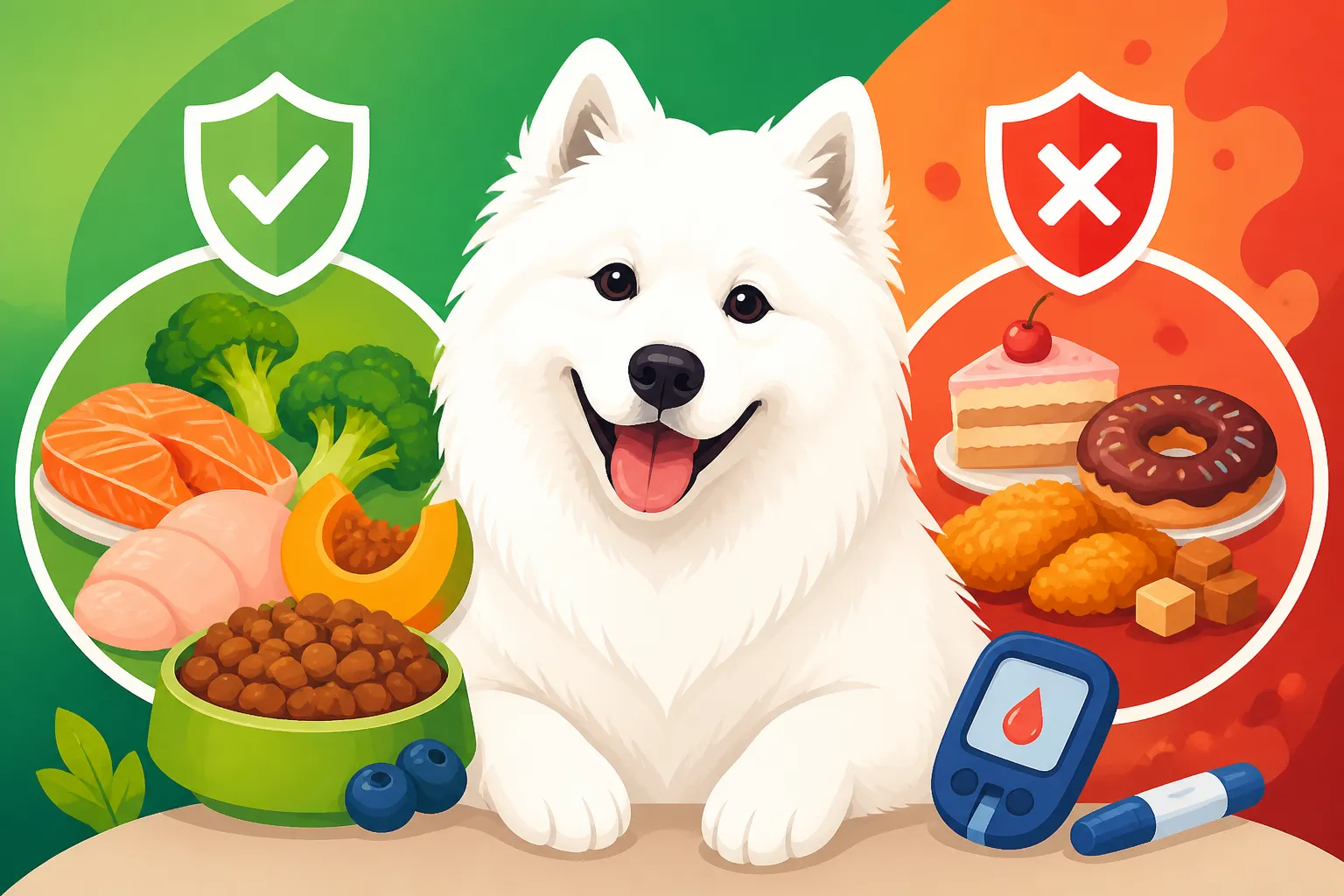
Feeding a Samoyed That May Become Diabetic
One of the most heart-wrenching things as a Samoyed owner is seeing your beloved, happy-go-lucky companion start to show subtle signs that something isn't quite right with their health. For some, the worry revolves around the possibility of diabetes, a condition that can drastically change their life and yours. This guide is all about navigating those worries, understanding the risk, and most importantly, making smart feeding choices right now to help protect your Samoyed, especially if they show predispositions to developing this challenging illness.
Understanding the Risk Factors for Diabetes in Samoyeds
It’s easy to feel overwhelmed by all the potential health issues our furry family members face, and diabetes can certainly feel like a scary one. But knowing what makes a Samoyed more susceptible can empower you to take proactive steps. It's not about being paranoid; it's about being prepared and making informed decisions for their well-being.
Genetic Predisposition and Age
Just like in humans, genetics can play a role in a Samoyed's likelihood of developing diabetes. While diabetes mellitus (the most common type, often called "sugar diabetes") isn't a simple inherited trait in Samoyeds like some other breed-specific diseases, there are certainly lines and individual dogs who seem more prone. It's a complex interplay of many genes, rather than a single "diabetes gene" you can test for. This means that if there's a history of diabetes in your Samoyed's lineage, or if you're looking at a puppy from certain lines, it's wise to be extra vigilant. Many owners find themselves wondering Whether a Samoyed's Diabetes Is Genetic.
Age also plays a significant factor. Most Samoyeds who develop diabetes are middle-aged or older. Just like us, as our dogs get older, their bodies can become less efficient at regulating blood sugar. Their pancreas, which produces insulin, might start to wear down, or their body might become less responsive to the insulin it does produce. This is why paying attention to diet and lifestyle becomes even more critical as your Samoyed transitions from their lively adolescent years into their dignified senior phase.
Obesity and Pancreatitis as Precursors
One of the biggest, most controllable risk factors for diabetes in any dog, including our Samoyeds, is obesity. Carrying extra weight puts a tremendous strain on their pancreas, forcing it to work overtime to produce enough insulin to manage blood sugar. Over time, this can lead to insulin resistance or pancreatic exhaustion, paving the way for diabetes. It's a vicious cycle, and one that we, as responsible owners, have a direct hand in preventing through careful nutrition and appropriate exercise. A pudgy Samoyed might look cute, but those extra pounds are doing them no favors in the long run. Many struggle with Whether a Samoyed Gains Weight Easily because of their dense coats.
Another significant precursor is pancreatitis, which is inflammation of the pancreas. The pancreas is a vital organ nestled near the stomach, responsible for producing both digestive enzymes and insulin. When it becomes inflamed, often triggered by a high-fat meal or other dietary indiscretion, it can damage the insulin-producing cells. Even a single severe bout of pancreatitis can be enough to kickstart diabetes, or at least severely weaken the pancreas's ability to regulate blood sugar in the future. This is why avoiding fatty foods and sudden dietary changes is paramount, especially if your Samoyed has had previous digestive upsets. It’s a serious concern, and many owners are keen to understand Why Pancreatitis Precedes Samoyed Diabetes.
Recognizing the Early Warning Signs
It's absolutely vital to be observant of your Samoyed's day-to-day habits, especially if you're already concerned about diabetes risk. Samoyeds, with their ever-present smiles and generally stoic nature, can be masters at hiding discomfort or illness. This means that by the time overt symptoms appear, the condition might be more advanced. Being attuned to subtle shifts can make all the difference in early detection and intervention.
Increased Thirst and Urination
One of the hallmark signs of developing diabetes in Samoyeds is a noticeable increase in thirst, quickly followed by an increase in urination. Your dog might suddenly be draining their water bowl faster than usual, asking to go outside more frequently, or even having accidents indoors, which is highly unusual for a well-house-trained Samoyed. This isn't just a quirk; it's a physiological response. When blood sugar levels are too high, the kidneys try to flush out the excess sugar through urine, pulling a lot of water with it. This leads to dehydration and increased thirst to compensate.
It can be easy to dismiss this as just a hot day, or maybe your Samoyed just drank more after a long walk. But if this pattern persists for more than a day or two, or if it seems disproportionate to their activity level or weather conditions, it's a huge red flag. Keep an eye on how often you're refilling the water bowl and how many times they're asking to relieve themselves. Tracking Why a Samoyed Owner Should Track Water Intake can provide crucial data for your vet.
Changes in Appetite and Weight Loss
Another key set of indicators revolves around your Samoyed's appetite and body condition. Surprisingly, many diabetic dogs initially show an increased appetite. They might seem ravenously hungry, begging for food more often, yet despite eating more, they start to lose weight. This seems counterintuitive, right? But it makes sense when you understand the disease. Without enough insulin, their body can't effectively use the glucose from their food for energy. So, even though they're eating, their cells are essentially starving, triggering intense hunger signals. Meanwhile, the body starts breaking down fat and muscle for energy, leading to weight loss.
Conversely, some Samoyeds might experience a decrease in appetite, especially if the disease has progressed and they start feeling unwell or nauseated. They might pick at their food or refuse meals entirely. A sudden, unexplained weight loss or a significant change in eating habits, whether an increase or decrease in appetite, warrants immediate veterinary attention. Don't just attribute it to "getting older" or "being picky." These are serious clues their body is trying to give you. Owners often ask Whether Sudden Weight Loss in a Samoyed Means Diabetes, and it absolutely can.
The Role of Diet in Preventing or Managing Prediabetes
When we talk about preventing diabetes, or managing a pre-diabetic state in our Samoyeds, diet isn't just a factor – it's the cornerstone. It's truly incredible how much influence we have over their metabolic health simply by what we put in their bowl every day. This isn't about restriction; it's about smart, thoughtful nutrition that supports their body's delicate systems.
Calorie Control and Weight Management
Let's be brutally honest: most of us probably feed our Samoyeds a little too much. Those pleading eyes, that charming smile – it's hard to resist! But maintaining a lean body condition is paramount. As we discussed, obesity is a huge risk factor for diabetes and many other health issues. Every extra pound your Samoyed carries means their pancreas has to work harder, and their body's cells can become less sensitive to insulin. This isn't just about feeding less; it's about feeding right. Knowing How Much a Samoyed Should Eat is key, and it varies greatly by age, activity level, and individual metabolism.
Calorie control isn't just about the main meals. It's about every treat, every bite of human food, every dental chew. All those calories add up! Regularly assess your Samoyed's body condition. You should be able to easily feel their ribs without pressing hard, see a distinct waist tuck behind their ribs, and their spine shouldn't have a padded feel to it. If you're unsure, ask your vet or an experienced breeder to show you how to perform a body condition score. Think of their diet as an ongoing balancing act – calories in, calories burned. Tools for measuring food accurately are a must, rather than just eyeballing it.
Glycemic Index and Carbohydrate Quality
When choosing food for a Samoyed at risk of diabetes, the type and quality of carbohydrates are just as important as the quantity. The glycemic index (GI) refers to how quickly a food raises blood glucose levels. Foods with a high glycemic index cause rapid spikes in blood sugar, which then requires a rapid surge of insulin. Over time, this constant rollercoaster can contribute to insulin resistance and pancreatic exhaustion. Ingredients like white rice, corn, and potatoes, while not inherently "bad," can have a higher GI.
Instead, look for foods that incorporate complex carbohydrates with a lower glycemic index and higher fiber content. Ingredients like oats, barley, quinoa, lentils, and peas release glucose more slowly and steadily into the bloodstream. This means less dramatic blood sugar spikes and a gentler, more sustained insulin response from the pancreas. Reading ingredient labels carefully and prioritizing whole, unprocessed carbohydrate sources can make a significant difference. It's not about cutting out all carbs, but about choosing the right carbs.
Fat Content and Pancreatic Health
While carbohydrates often get the spotlight in diabetes discussions, fat content also plays a critical role, especially concerning pancreatitis, which as we discussed, can precede diabetes. High-fat diets can trigger pancreatitis in susceptible dogs. When the pancreas is inflamed, it struggles to produce insulin, making it harder to regulate blood sugar. Even if your Samoyed hasn't had pancreatitis before, choosing a moderate-fat diet is a sensible preventative measure.
This doesn't mean a fat-free diet is the answer – far from it. Healthy fats, like omega-3 fatty acids, are crucial for overall health, skin, coat, and inflammation control. The key is moderation and quality. Avoid diets that are excessively high in fat, and be very cautious with fatty human foods, especially rich meats, gravies, or fried items. Always ensure that any treats you give are low in fat and offered in controlled quantities. Many dog food brands, including those found on platforms like Chewy, offer formulations designed for weight management or sensitive stomachs that are often lower in fat.
Choosing the Right Food for Your At-Risk Samoyed
Navigating the pet food aisle can feel like deciphering a secret code. With so many options, claims, and ingredients, how do you pick the best one for a Samoyed who might be predisposed to diabetes? It's about looking beyond the marketing and understanding what truly benefits their metabolic health.
Dry Kibble Versus Fresh or Raw Diets
The debate between dry kibble, fresh-cooked, and raw diets is ongoing, and each has its proponents. For a Samoyed at risk of diabetes, the most important factor, regardless of the format, is the nutritional content and consistency. High-quality kibbles, especially those formulated for weight management or senior dogs, can be a perfectly good choice. Look for brands with whole meat as the first ingredient, complex carbohydrates, and moderate fat. Their consistency makes it easy to measure precise portions, which is crucial for calorie control.
Fresh-cooked or even some raw diets, when done correctly, can offer highly digestible ingredients and allow for precise control over macronutrient ratios. Companies like Ollie deliver fresh, human-grade food directly to your door, and often allow for customization based on a dog's specific needs, which can be beneficial for managing weight and blood sugar. However, if you're preparing a raw or fresh diet yourself, it's absolutely critical to work with a veterinary nutritionist to ensure it's balanced and meets all your Samoyed's needs without inadvertently creating deficiencies or excesses. Imbalance can do more harm than good, especially for an at-risk dog.
Reading Ingredient Labels and Nutritional Information
This is where your detective skills come in handy! Don't just glance at the front of the bag; turn it over and scrutinize the ingredient list and guaranteed analysis. For a Samoyed at risk of diabetes, here's what to look for:
- First Ingredient: A named meat source (e.g., "chicken," "lamb meal," not "meat by-products" or "poultry meal").
- Carbohydrate Sources: Prioritize complex carbs like barley, oats, quinoa, brown rice, and legumes (peas, lentils). Avoid foods where corn, wheat, or potatoes are the primary carbohydrate source, especially if they appear very high on the list.
- Fiber Content: Look for a moderate to high fiber content (around 5-10% crude fiber). Fiber helps slow sugar absorption and promotes satiety.
- Fat Content: Aim for moderate fat, usually between 10-18% crude fat. Remember, pancreatitis risk!
- Protein Content: A good quality protein level, typically 25-35%, supports muscle mass and can help with satiety.
Also, compare the calorie content per cup or per gram between different foods. This is crucial for accurate portioning. Remember that ingredients are listed by weight, so high-moisture ingredients like fresh meat will appear higher on the list than they might truly contribute to the dry matter content. Always consult your vet to discuss specific food recommendations for your Samoyed's unique needs.
Prescription Diets: When Are They Necessary?
For Samoyeds who are already showing early signs of insulin resistance, or who have been diagnosed as pre-diabetic, your veterinarian might recommend a specific prescription diet. These diets are scientifically formulated to help manage blood glucose levels, often with precise ratios of complex carbohydrates, high fiber, and controlled fat and protein. They aren't just "special food"; they're therapeutic tools.
While prescription diets aren't typically a first step for prevention in an otherwise healthy Samoyed, they become invaluable once a diagnosis is suspected or confirmed. These foods are designed to minimize blood sugar spikes after meals, help with satiety, and support overall pancreatic function. Brands like Royal Canin Veterinary Diet or Purina Pro Plan Veterinary Diets offer excellent options. Your vet is the best resource to determine if and when such a specialized diet is appropriate for your Samoyed, and where you might procure it, whether through their clinic or via online retailers like Chewy or your veterinary portal. Whether a Diabetic Samoyed Needs a Prescription Diet is a common question, and the answer is often yes once diagnosed.
Establishing Optimal Feeding Schedules and Habits
It's not just what you feed your Samoyed, but how and when you feed them that can significantly impact their metabolic health and help ward off diabetes. Consistency, portion control, and mindful feeding practices are your best friends in this journey.
Fixed Meals Versus Free-Feeding
For any dog at risk of metabolic issues, especially diabetes, free-feeding (leaving food out all day) is almost always a bad idea. It's incredibly difficult to monitor calorie intake accurately, and it can lead to constant grazing, which prevents the pancreas from getting a much-needed rest between meals. This constant influx of calories and subsequent insulin spikes can wear down the system over time.
Instead, transition your Samoyed to a fixed-meal schedule. Typically, two meals a day – once in the morning and once in the evening – works best for adult Samoyeds. This allows their digestive system to process food and their blood sugar levels to stabilize between meals, giving their pancreas a break. It also makes it much easier to track exactly how much they're eating, spot any changes in appetite quickly, and ensure they're receiving the correct amount of nutrients and calories for their activity level. Whether a Samoyed Needs a Consistent Feeding Schedule is a fundamental aspect of diabetes prevention.
Consistency and Portion Control
Imagine if your own meals were different sizes and at different times every day – your body's metabolism would struggle to keep up! The same goes for your Samoyed. Consistency in meal times and portion sizes is vital for helping their body regulate blood sugar efficiently. Their digestive system and pancreas thrive on predictability. Try to feed them at roughly the same times each day, as close to 12 hours apart as possible.
Portion control is equally, if not more, important. Use an actual measuring cup, not just a scoop or guessing. Even small inaccuracies day after day can lead to significant calorie creep and weight gain over time. If your Samoyed is particularly food-motivated and scarfs down their meals too quickly, consider using a slow-feeder bowl or puzzle feeder. This not only makes mealtime more engaging but also helps them feel fuller on their allotted portion by extending the eating experience. Don't forget that treats count towards their daily caloric intake, so adjust main meal portions accordingly if you're giving them extra goodies.
Hydration and Water Intake
While not directly a feeding habit, proper hydration is inextricably linked to metabolic health and something to closely monitor, especially if you're concerned about diabetes. We've already discussed how increased thirst can be a sign of diabetes, but adequate water intake is crucial for overall bodily function, including kidney health and nutrient transport.
Always ensure your Samoyed has access to fresh, clean water. Multiple water bowls around the house can encourage drinking. During hot weather, or after exercise, they'll naturally drink more, and you should accommodate that. While tracking water intake to spot excessive thirst is important, restricting water is dangerous and should never be done. If you notice a sudden, dramatic increase in their water consumption, beyond what's normal for their activity level or the temperature, that's definitely a sign to call your vet for a check-up, as it's one of the clearest Signs a Samoyed Has Become Diabetic.
Supplements and Special Considerations
Beyond the core diet, there are certain supplements and specific dietary considerations that might offer additional support for a Samoyed at risk of diabetes. These aren't magic bullets, but rather complementary tools that can bolster overall health and metabolic function. Always discuss any new supplements with your veterinarian before introducing them.
Fiber-Rich Additions
Fiber is a superstar when it comes to blood sugar regulation. It helps slow down the digestion and absorption of carbohydrates, preventing rapid spikes in blood glucose. Soluble fiber, in particular, forms a gel in the digestive tract that can help moderate sugar release. For Samoyeds, incorporating fiber-rich foods can be a simple yet effective strategy.
Good sources of soluble fiber include certain vegetables like green beans, pumpkin (plain, canned, not pie filling!), and cooked carrots. Small amounts can be added to their regular meals. Psyllium husk is another option, often used as a supplement, but dosage needs to be carefully managed under veterinary guidance to avoid digestive upset. The goal isn't to load them up on fiber, but to ensure they're getting enough to support healthy digestion and a steady release of glucose. This can be particularly helpful for managing satiety if you're also working on weight loss.
Omega-3 Fatty Acids for Inflammation Control
Chronic inflammation can contribute to insulin resistance and overall metabolic dysfunction. Omega-3 fatty acids, particularly EPA and DHA found in fish oil, are well-known for their anti-inflammatory properties. By helping to reduce inflammation throughout the body, including in the pancreas and other metabolic tissues, omega-3s might play a supportive role in maintaining insulin sensitivity.
Look for high-quality fish oil supplements specifically formulated for dogs, ensuring they are free from heavy metals and contaminants. The dosage will depend on your Samoyed's weight and the concentration of the supplement, so always follow product recommendations or your vet's advice. You can often find reputable brands available on Amazon or Chewy. It's important to differentiate between general omega-3 supplements and those specifically addressing a medical condition. While helpful, they are a supportive measure, not a cure or primary treatment for diabetes. There's good research into Whether Omega Threes Help a Samoyed's Kidneys, and similarly, they can benefit overall health which in turn supports other organs like the pancreas.
Probiotics and Gut Health
The connection between gut health and overall metabolic health is a rapidly growing area of research. A healthy gut microbiome – the balance of beneficial bacteria in the digestive system – plays a role in everything from nutrient absorption to immune function. An imbalanced gut (dysbiosis) might contribute to inflammation and even influence how the body processes sugar.
Introducing a high-quality probiotic supplement or incorporating fermented foods (like plain, unsweetened yogurt or kefir in small amounts) could support a healthy gut microbiome in your Samoyed. A balanced gut can potentially aid in more efficient digestion and absorption, which in turn supports overall metabolic function and a healthy weight. Again, consult your vet for specific product recommendations and dosages. Not all probiotics are created equal, and choosing one with strains beneficial for dogs is important.
Monitoring and Working with Your Veterinarian
Being proactive about your Samoyed's health, especially concerning a potential diabetic risk, means forming a strong partnership with your veterinarian. They are your best resource for accurate information, diagnostic testing, and personalized advice. Don't hesitate to voice your concerns and work collaboratively.
Regular Veterinary Check-ups and Bloodwork
Regular annual (or even bi-annual for older or at-risk Samoyeds) veterinary check-ups are absolutely non-negotiable. These visits are your vet's opportunity to assess your Samoyed's overall health, track their weight, listen to their heart, and perform a thorough physical exam. More importantly, these check-ups are the perfect time for routine bloodwork.
Key blood tests include a complete blood count (CBC) and a chemistry panel, which will show glucose levels. Early detection is key with diabetes, and a baseline of normal glucose levels allows your vet to spot subtle upward trends over time. Discuss your concerns about diabetes risk with your vet openly; they might recommend additional tests like a fructosamine level, which gives an average blood glucose over the past few weeks, or a specific pancreatitis test if they suspect a pancreatic issue. Don't wait until overt symptoms appear; subtle changes in bloodwork can be caught early. Many owners ask Whether a Samoyed Needs Yearly Kidney Bloodwork, and similarly, general metabolic bloodwork, including glucose, should be part of that routine.
Urine Analysis for Glucose and Ketones
Beyond bloodwork, a simple urine test can provide valuable insights into your Samoyed's metabolic state. A urinalysis will check for the presence of glucose (sugar) and ketones in the urine. Normally, there shouldn't be any glucose in a dog's urine. If glucose is present, it's a strong indicator that blood sugar levels are consistently high, spilling over into the urine, which is a classic sign of diabetes.
The presence of ketones in the urine, especially alongside glucose, is a more serious concern. Ketones are byproducts of fat breakdown, and their presence suggests that the body isn't effectively using glucose for energy and is breaking down fat at an accelerated rate. This can be a sign of diabetic ketoacidosis, a life-threatening complication that requires immediate veterinary intervention. Regular urine checks, either at home with dipsticks (under vet guidance) or during routine vet visits, can be an excellent early warning system. Why a Samoyed's Urine Should Be Tested Young is a crucial part of preventative care, not just for kidney disease but for a broader metabolic picture.
Discussing Predispositions and Family History
You know your Samoyed and their history better than anyone. Be sure to provide your veterinarian with as much detail as possible about any family history of diabetes or pancreatitis in their lineage. While not all breeders will have this information readily available, any history you do know is important. Also, mention any subtle changes in behavior, appetite, thirst, or energy levels you've observed, even if they seem minor to you.
Your vet can help you create a personalized preventative plan based on your Samoyed's individual risk factors. This might include specific dietary recommendations, a schedule for more frequent monitoring (e.g., quarterly glucose checks), or advice on managing other underlying conditions that could increase diabetes risk. Remember, early detection and proactive management are your Samoyed's best allies against this disease.
Lifestyle Adjustments Beyond Diet
While diet is undeniably critical for a Samoyed at risk of diabetes, it's only one piece of the puzzle. A holistic approach to their well-being, incorporating physical activity and stress management, further strengthens their defenses against metabolic disease. Our furry friends thrive when their entire environment supports their health.
Regular and Appropriate Exercise
Just like in humans, regular physical activity helps dogs maintain a healthy weight, improves insulin sensitivity, and contributes to overall cardiovascular health. For a Samoyed, designed for endurance and work, exercise isn't just beneficial – it's essential for their physical and mental well-being. A well-exercised Samoyed is typically a healthier, happier Samoyed.
Aim for daily exercise that is appropriate for your Samoyed's age, fitness level, and weather conditions. This could include long walks, running, fetching, or even canine sports like Whether a Samoyed Can Do Agility or Whether a Samoyed Can Earn a Sledding Title. The key is consistency. Avoid extreme bursts of activity followed by long periods of inactivity. A moderate, regular routine helps their body regulate blood sugar more smoothly and burns calories to prevent weight gain. Just be mindful of their double coat and avoid over-exercising in heat. Understanding How Much Exercise a Samoyed Needs is crucial for their overall health.
Stress Management and Routine Stability
It might seem counterintuitive, but stress can actually impact blood sugar levels. When a dog is stressed, their body releases hormones like cortisol, which can increase blood glucose. While our Samoyeds generally have cheerful dispositions, they can still experience stress from changes in routine, separation anxiety, loud noises, or new environments. Consistent routines and a stable home environment can help minimize stress.
Provide your Samoyed with a predictable daily schedule, including consistent feeding times, walk times, and quiet time. Ensure they have a comfortable, safe space where they can retreat. Engage them in activities they enjoy, which can act as stress relievers. Mental stimulation, through training or puzzle toys (many available on Amazon), is also important, as a bored Samoyed can become a stressed Samoyed. A calm, consistent environment contributes significantly to their overall health and well-being, creating a foundation for better metabolic regulation.
| Factor | Key Consideration for At-Risk Samoyed | Why It Matters |
|---|---|---|
| Weight Management | Maintain lean body condition; regular body checks. | Obesity is a primary risk factor for insulin resistance and diabetes. |
| Carbohydrate Quality | Choose complex, low-GI carbs (oats, barley, legumes). | Prevents rapid blood sugar spikes, supports steady insulin release. |
| Fat Content | Moderate fat diet; avoid excessive fatty treats/meals. | Reduces risk of pancreatitis, which can damage insulin-producing cells. |
| Feeding Schedule | Fixed meals (e.g., twice daily); no free-feeding. | Promotes stable blood sugar, allows pancreas to rest between meals. |
| Portion Control | Accurate measurement of all food and treats. | Prevents accidental overfeeding and calorie creep, crucial for weight. |
| Hydration | Constant access to fresh water; monitor intake. | Essential for overall health; excessive thirst is an early diabetes sign. |
| Exercise | Regular, appropriate daily activity. | Improves insulin sensitivity, maintains healthy weight, reduces stress. |
| Stress Reduction | Stable routine, safe environment, mental stimulation. | Stress hormones can negatively impact blood glucose regulation. |
| Vet Visits | Annual/bi-annual check-ups with blood and urine tests. | Early detection is key; vet provides tailored advice and monitors health trends. |
Disclaimer
This article is for general informational purposes only and does not constitute professional advice. Laws, prices and regulations vary by location and change over time. Consult a qualified professional for guidance on your specific situation.