Why a Loose Samoyed Does Not Come Back
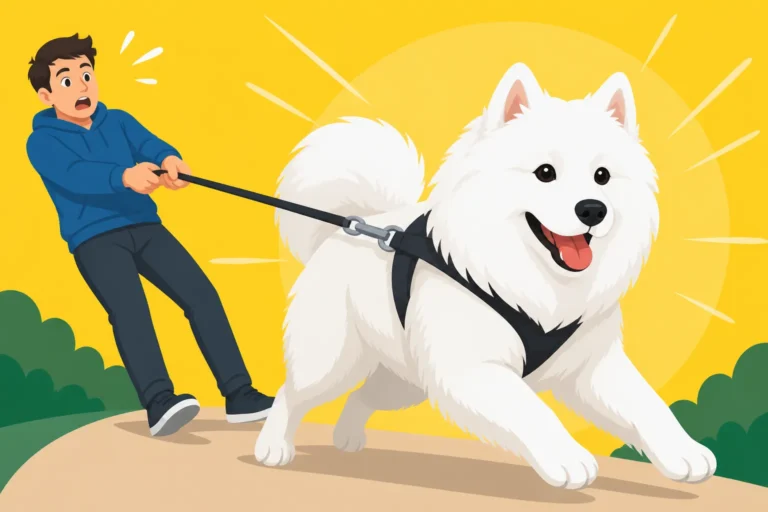
It’s a heart-stopping moment many Samoyed owners dread: the gate left ajar, the leash accidentally dropped, or a sudden lunge that frees your fluffy companion into the wide-open world. You call, you plead, you run, but your beloved Samoyed, usually so attentive, suddenly has deaf ears and a vanishing act worthy of a magician. This guide will dive deep into the unique blend of instinct, intelligence, and environmental factors that explain why a loose Samoyed often seems to vanish without a backward glance, leaving owners in a frantic state of worry and confusion.
The Samoyed's Ancient Instincts: A Call to the Wild
When your Samoyed takes off, it's not usually out of malice or a deliberate snub. Instead, it's a powerful combination of ancient instincts kicking in, overriding all the lovely training and bonding you've worked so hard on. These dogs were bred for specific tasks in harsh, open environments, and those deep-seated traits don't just disappear because they're now living in your suburban backyard.
The Hunter Within
Samoyeds, despite their smiling faces and friendly demeanor, carry a strong prey drive. Generations ago, their ancestors worked alongside the Nenets people, not only herding reindeer but also occasionally hunting small game to supplement their diet or protect the herd. This drive is a fundamental part of who they are.
Imagine your Samoyed peacefully sniffing around the yard, and suddenly, a squirrel darts across the fence line, a rabbit hops through the tall grass, or a bird flutters low. For many Samoyeds, that movement triggers an almost uncontrollable urge to chase. It's an adrenaline rush, a primal call that silences everything else. Your frantic shouts become nothing more than background noise to a dog hyper-focused on the pursuit. They're not being disobedient; they're simply being a Samoyed. This instinctual drive can be incredibly powerful, sometimes even causing them to ignore pain or obstacles in their single-minded chase. The world narrows to that one fleeting target.
The Explorer's Heart
These beautiful dogs hail from the vast, open expanses of Siberia. They were bred to travel long distances, pulling sleds across endless snowscapes and roaming with reindeer herds. They are, by nature, explorers. A fenced yard, no matter how large, can feel confining to a breed with such an ingrained wanderlust.
When a Samoyed finds freedom, whether it's an accidental escape or a deliberate bolt, their world suddenly expands exponentially. Every new scent, every rustling bush, every distant sound becomes an irresistible invitation to explore. It's like unlocking a whole new level in a video game for them – why would they stop playing just because you called their name? They want to see what's over the next hill, what new smells await at the end of the street, or which friendly face might be around the corner. This exploratory drive can lead them far from home, often much further than you'd ever anticipate. They aren't trying to abandon you; they're simply following their ancient programming to see what the wide world holds. This is a crucial distinction from a dog that might run away due to fear or neglect. For a Samoyed, it's often pure, unadulterated curiosity and a love for movement.
Deaf Ears to Your Cries
This can be one of the most frustrating aspects for Samoyed owners. You've spent hours on recall training, you've used high-value treats, and in the house or even in a quiet park, your Samoyed comes bounding back. But the moment they're truly loose and engaged, your voice seems to lose all meaning. This isn't because they don't love you or understand your commands. It's because their highly developed senses and powerful drives have taken over.
When a Samoyed is in full "flight mode," chasing a scent or exploring a new territory, their brain prioritizes these activities over human communication. The adrenaline, the excitement, the sensory overload of freedom—it all creates a tunnel vision where your voice is just part of the ambient noise, if they hear it at all. It's similar to how a human might not hear someone calling their name in the middle of a thrilling concert or an intense sporting event. Their focus is elsewhere, completely consumed by the moment. This makes a reliable recall incredibly challenging to achieve with a Samoyed, especially in distracting environments. It's why many Samoyed owners ultimately conclude that their dog can Whether a Samoyed Can Ever Be Off Leash is a resounding "no" outside of a very secure, controlled area.
Why Your Training Might Not Be Enough (Yet)
Let's be real: training a Samoyed is an exercise in patience and often, negotiation. They're incredibly intelligent, capable of learning complex commands, but they also possess a stubborn streak and an independent mind that can make traditional obedience feel like a suggestion rather than a rule. If your Samoyed bolts and doesn't return, it's rarely a reflection of bad training, but rather training that hasn't yet accounted for the unique Samoyed personality and their deep-seated drives.
The Negotiable Obedience
Samoyeds are not "yes-dogs." They don't typically live to please in the same way some other breeds do. They'll perform a command if they see the value in it, or if it aligns with their own desires, but they're not above weighing their options. This "negotiable obedience" means that while they might know "come" perfectly well, in a high-stakes situation where freedom or a chase is involved, they might just decide that whatever they're doing is more rewarding than coming back to you.
It's not defiance; it's a prioritization. They've learned that "come" means stopping the fun and returning to you, and if the fun is really good out there, the reward you offer might not seem enticing enough. This is where consistent, high-value reinforcement and proofing become absolutely critical. You're constantly trying to make yourself, and the act of returning, the most appealing thing in their environment. This inherent trait is often why a Samoyed is Training a Samoyed That Finds Obedience Negotiable.
Lack of "Real World" Proofing
Many owners diligently practice recall in low-distraction environments: the living room, the quiet backyard, or an empty park. And in those scenarios, their Samoyed might be a rockstar, bounding back instantly. The problem arises when we assume that success in these controlled settings translates to the chaos of the real world.
"Proofing" a behavior means practicing it under increasing levels of distraction, in various locations, and with different people. A Samoyed that comes when called in your backyard might completely ignore you when a flock of pigeons takes flight, a group of kids starts playing loudly, or another dog passes by. These are massive distractions that can instantly render previous training irrelevant if it hasn't been "proofed" adequately. You need to progressively challenge their focus, starting with mild distractions and slowly building up. Without this "real-world" experience, their recall will always be fragile when faced with the irresistible temptations of freedom. This type of training is exhausting, but essential for a breed with such strong independent instincts. Proofing a Samoyed's Recall requires commitment and a deep understanding of what truly motivates your particular Samoyed.
The Joy of the Chase Outweighs the Reward
This is perhaps the biggest hurdle for Samoyed owners. We love our dogs, and we often offer them wonderful treats, praise, and toys when they do something good. But can a piece of kibble or a "good boy!" truly compete with the thrill of chasing a deer, greeting a new dog, or discovering an unexplored patch of forest? For many Samoyeds, the answer is a resounding no.
Their primal drives are incredibly powerful motivators. The sheer joy of the chase, the intoxicating smell of a new scent, the freedom of boundless running – these are deeply ingrained satisfactions. While high-value treats (think cooked chicken, cheese, or specialized training treats) can certainly help, you are essentially trying to make yourself more compelling than the entire universe of exciting possibilities that exists when they are off-leash. This requires not just amazing treats, but also making yourself the center of their world through engaging play and consistent, positive interaction. You want them to want to come back to you, not just for the treat, but because you are the source of all good things and exciting adventures. Understanding What Actually Motivates a Samoyed is key to cracking this code.
Environmental Factors and Opportunities for Escape
Beyond their innate traits and the challenges of training, the environment plays a huge role in why Samoyeds go missing. These intelligent and often resourceful dogs are masters at exploiting any weakness in their confinement, and the outside world offers an endless buffet of irresistible temptations.
The Open Gate Phenomenon
It sounds simple, but a surprising number of Samoyed escapes happen because of a momentarily open gate, a flimsy latch, or a fence post that's become wobbly. Samoyeds are incredibly observant and quick to react. They learn routes and patterns. They know which gates are usually secured and which might occasionally be left ajar by a distracted family member or a delivery person.
They don't necessarily plan their escape, but rather seize the moment. One minute they're in the yard, the next they've spotted the opportunity and they're gone, a white blur disappearing down the street. It's often so fast that by the time you realize what's happened, they've already put a significant distance between themselves and your yard. Their speed and agility, combined with their strong exploratory drive, mean that even a brief lapse in security can lead to a long search. This is why securing your perimeter is paramount for a Samoyed owner, and why they're notorious for How a Samoyed Gets Out of Anything You Build.
The Allure of New Scents and Sights
Dogs experience the world primarily through their noses, and a Samoyed's olfactory senses are incredibly keen. When they're contained, their world of scent is limited. But once loose, they are suddenly immersed in a symphony of new smells. The scent of a distant deer, the faint trace of another dog that passed hours ago, the intriguing aroma of a discarded snack – each scent trail is a compelling story waiting to be followed.
This isn't just a casual sniff; it's a full-body experience. They put their nose to the ground and follow the trail, often completely oblivious to their surroundings or your calls. Their head is down, their tail might be up and wagging, and they're in their own little world of olfactory exploration. Similarly, new sights – a cat crossing the street, children playing in a park, a car driving by – can capture their attention and pull them further and further away. Each new stimulus adds to the excitement and reinforces their desire to keep exploring, making the act of returning less and less appealing.
Social Butterflies on the Loose
Samoyeds are famously friendly and social. They genuinely love people and often get along well with other dogs. While this is a wonderful trait in a well-controlled environment, it can become a complicating factor when they're loose. Instead of running in fear, a loose Samoyed might actively seek out interaction.
They might trot right up to a stranger for pets, investigate another dog with tail wags and a play bow, or even follow a group of people walking by. Their inherent friendliness means they don't perceive strangers or other dogs as threats, but rather as potential friends and sources of attention. This can make them incredibly difficult to catch, as they're not necessarily trying to hide; they're just enjoying their newfound social freedom. It also means they might wander into unsafe situations, like busy roads, while trying to say hello. This gregarious nature is a hallmark of the breed and contributes to Why a Samoyed Welcomes Everyone, but it also adds another layer of challenge when they escape.
Preventing the Great Escape and Boosting Recall
Given the Samoyed's unique combination of instincts, intelligence, and a penchant for exploration, preventing escapes and cultivating a reliable recall requires a multi-faceted, consistent approach. It's not about being a drill sergeant; it's about understanding your dog, managing their environment, and making sure you are always the most rewarding thing in their world.
Fortress Your Home and Yard
The first line of defense against a loose Samoyed is preventing them from getting loose in the first place. This means becoming a master of perimeter security. Walk your fence line regularly, looking for weak spots, loose boards, or areas where your Samoyed might be digging. Remember, Samoyeds are often skilled excavators, especially when trying to The Digging a Samoyed Does Because It Is Hot. A six-foot fence is usually the minimum recommended height, and burying wire or using a "L-footer" at the base can deter digging.
Always check gates and latches before letting your Samoyed out. Consider double-latching systems or child-proof locks that are harder for clever paws to manipulate. Never assume a gate is secure; always check it yourself. If you have guests over, make it a firm rule that gates must be closed and checked. For some Samoyed owners, even an invisible fence isn't enough, as the lure of freedom can often override the momentary discomfort. Think of your yard as a fortress, and your Samoyed as a furry escape artist always looking for a loophole. For added peace of mind, many owners find a GPS tracking collar, readily available from retailers like Amazon, to be an invaluable tool. These devices can give you a fighting chance if an escape does happen.
Master the Long Line
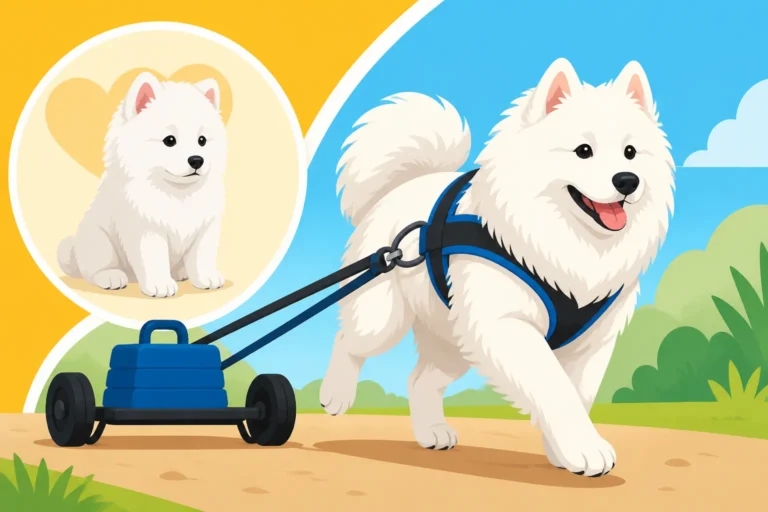
Since a truly reliable off-leash recall is an aspirational goal for many Samoyed owners, the long line becomes your best friend. A long line (15-30 feet or more) allows your Samoyed to experience a sense of freedom and exploration in a safe, controlled way. It lets them sniff, wander, and even practice a "pseudo-recall" without the risk of them vanishing.
Start in a quiet, open area like a large field. Let your Samoyed explore on the long line, giving them plenty of slack. When they are moderately distracted but not utterly consumed, call their name with enthusiasm and a happy tone. As they turn towards you, reel them in gently while praising and rewarding with a truly high-value treat (something they never get otherwise, like cooked chicken or cheese). Practice this repeatedly, gradually introducing more distractions. The goal is to build a positive association with coming back to you, even when there are other interesting things around. This is a critical step in building Proofing a Samoyed's Recall. Many reputable online dog training programs, like those offered by BAXTER & Bella, include extensive modules on building reliable recall using long lines and positive reinforcement.
High-Value Rewards and Consistent Training
To truly compete with the allure of the wild, you need to make yourself and the act of returning incredibly rewarding. This means ditching the boring kibble for recall practice and bringing out the big guns: delicious, smelly, irresistible treats. Think tiny pieces of hot dog, cheese, or boiled chicken. These should be special "recall only" treats that your Samoyed rarely gets otherwise, so they maintain their high value.
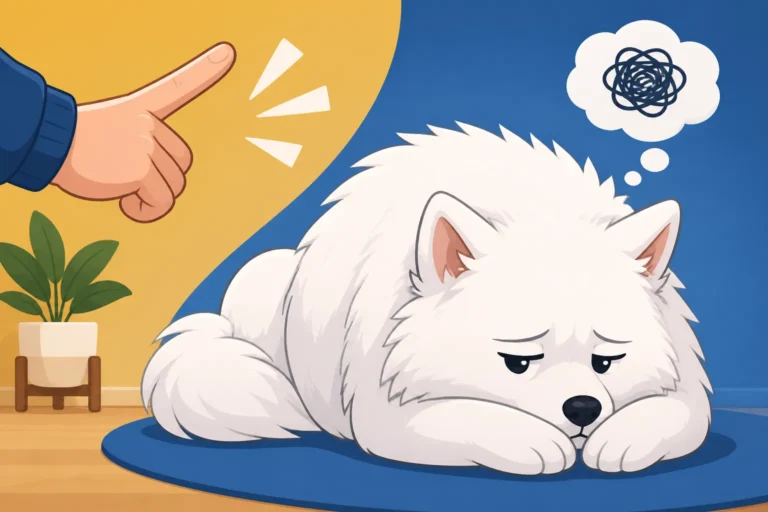
Consistency is key. Every time you call your Samoyed, make sure they come, even if it means gently reeling them in on a long line. And every time they come, celebrate with enthusiastic praise and that amazing treat. Avoid punishing them if they've been difficult to catch; they won't associate the punishment with the act of running, but rather with the act of coming back to you. This creates an aversion to recall, which is the last thing you want. You want them to think that coming back is the best decision they can possibly make. Enroll in obedience classes that focus on positive reinforcement and work on making yourself more engaging than the environment. Regularly changing up your walks, engaging in active games, and incorporating training into fun activities will help build their focus on you. Building that strong bond and consistent positive reinforcement is crucial for Training a Samoyed That Finds Obedience Negotiable and for ensuring they choose you over the thrill of the chase.
A reliable recall in a Samoyed is not a given; it's a testament to unwavering dedication and an understanding of the breed's unique nature. While it might feel like an uphill battle, the safety and well-being of your beloved companion are absolutely worth the effort.
| Trait/Factor | Impact on Recall/Escape Behavior | How to Counter/Manage |
|---|---|---|
| High Prey Drive | Instinct to chase overrides commands; tunnel vision. | Avoid off-leash in areas with wildlife. Use long lines. Work on emergency recall. |
| Exploratory Nature | Desire to roam vast distances, discover new environments. | Secure all perimeters. Provide stimulating, varied walks on leash. Mental enrichment. |
| Independent/Negotiable Obedience | Chooses to ignore commands if something else is more fun. | Consistently use high-value rewards. Proof recall in varied, distracting settings. |
| Social Butterfly | Will seek out people/dogs when loose, harder to catch. | Socialize positively on leash. Teach a solid "leave it" for distractions. |
| Scent Driven | Follows compelling scent trails far from home. | Work on nose work games to satisfy this drive in a controlled way. Keep on leash. |
| Opportunistic Escapists | Quick to exploit open gates, weak fences, dropped leashes. | Double-check all barriers. Use sturdy leashes and harnesses. GPS collar as backup. |
Disclaimer
This article is for general informational purposes only and does not constitute professional advice. Laws, prices and regulations vary by location and change over time. Consult a qualified professional for guidance on your specific situation.