How a Samoyed Sulks After a Correction
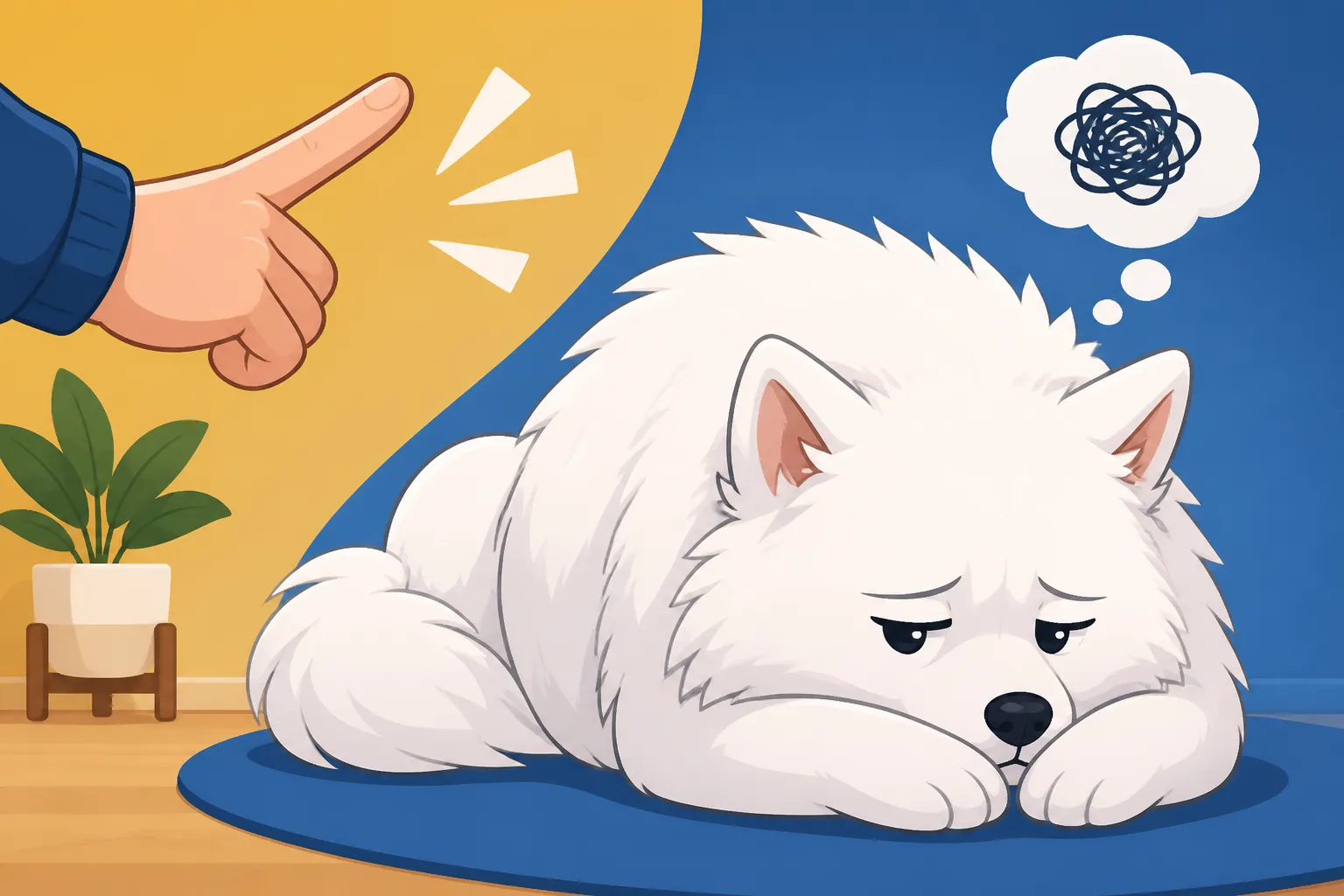
It’s a scenario many Samoyed owners know all too well: you’ve just given your fluffy companion a stern "no" for countertop surfing or digging in the flower beds, and instead of a quick shake-off, you’re met with a dramatic sigh, a slow turn of the head, and a deliberate retreat to a corner of the room. They might even lie down with their back to you, a perfect picture of canine indignation. This guide is all about understanding why your Samoyed seems to take corrections so personally and how you can navigate these emotional moments without damaging your bond.
Understanding the Samoyed Temperament and Why They Sulk
Samoyeds are truly unique creatures, aren't they? We love them for their sunny dispositions, their "Sammy smile," and their inherent friendliness. But beneath that perpetually cheerful exterior lies a complex personality that can be surprisingly sensitive when it comes to discipline. They're not like some other breeds that might brush off a scolding; a Samoyed often processes corrections with an air of deep, personal affront.
The Samoyed's Sensitive Nature
Imagine being a Samoyed, a breed historically cherished for close companionship with the Nenets people, sleeping inside their tents, sharing their lives. This deep-seated need for connection and approval means they are incredibly attuned to human emotion, especially yours. When you deliver a correction, even a mild one, it can feel like a breach in that sacred bond. They might interpret your displeasure not just as disapproval of a behavior, but as a personal attack on their very being.
It's not that they're being manipulative; it's simply how their inherent sensitivity manifests. They truly want to please you, but they also have a strong sense of self. A harsh tone or a sharp reprimand can genuinely hurt their feelings. You might notice them droop their ears slightly, turn their head away, or even offer a soft groan. This isn't defiance; it's often a genuine emotional reaction to feeling misunderstood or rejected, even momentarily. It's why Why Raising Your Voice Fails on a Samoyed is a topic worth exploring, as their sensitive ears and hearts often shut down rather than learn from harshness.
Independent Thinkers, Not Robots
Let's be real: Samoyeds were bred to work alongside humans, but they were also given a significant degree of independence to herd reindeer and pull sleds across vast, open landscapes. This isn't a breed that thrives on mindless repetition or robotic obedience. They are intelligent, problem-solving dogs who often prefer to negotiate terms rather than simply comply. This independent streak means they view corrections not just as instructions, but sometimes as an imposition on their autonomy.
When you ask a Samoyed to do something they don't immediately see the value in, or correct them for indulging a natural instinct like digging or vocalizing, they might take a moment to ponder the injustice of it all. They're weighing the request against their own desires, and if your correction is too strong or confusing, they might just decide to shut down rather than engage. This isn't stubbornness in a malicious sense; it's more akin to a child deciding a chore isn't worth the fuss. This inherent independence ties into Training a Samoyed That Finds Obedience Negotiable, making their training journey one of partnership rather than strict command.
Common Scenarios Where Samoyeds Sulk
So, what does this "sulking" actually look like in day-to-day life with a Samoyed? It's often subtle, but once you know what to look for, it's unmistakable. It's a hallmark of their personality that endears them to us even as it makes us scratch our heads.
The "Silent Treatment" After a Scolding
This is perhaps the most classic Samoyed sulk. You've corrected them for something, let's say counter-surfing for the fifth time, and instead of just moving on, they give you the cold shoulder. They might walk away, lie down in a different room, and pointedly ignore your calls or attempts to engage. You might find them staring intently at a wall, as if absorbed in something incredibly fascinating that doesn't involve you.
It can feel a bit absurd, like you're dealing with a furry teenager, but to your Samoyed, they're communicating their displeasure. They've been "hurt" by your words, and this is their way of saying, "I need a moment to process this injustice." They might refuse eye contact, avoid coming when called, or even turn their back to you completely. This "silent treatment" isn't about disrespect; it's a dramatic, albeit non-aggressive, display of their wounded feelings. It's a perfect example of Why a Samoyed Talks Back When Told Off – sometimes their "talking back" isn't noise, but a pointed silence.
Retreating to Their Space
Another common reaction to a correction is a strategic retreat. Your Samoyed might slink off to their crate, their favorite dog bed, or even behind the couch. This isn't necessarily a sign of fear, but rather a desire for space to calm down and regain their composure. It's their safe zone, a place where they can escape the feeling of being "in trouble" and gather their thoughts.
They're not necessarily planning their revenge, but rather recalibrating their emotional state. It's important to respect this need for space and not follow them immediately to continue the correction or force interaction. Give them a few minutes, then approach calmly and gently, perhaps with a soft word or a low-value treat, to re-establish connection. This can be especially important if you suspect their behavior stems from underlying issues like Separation Anxiety in a Samoyed which might be exacerbated by feeling isolated after a correction.
The "Dramatic Sigh" and Avoidance
Ah, the Samoyed sigh. It's often deep, deliberate, and communicates a world of long-suffering woe. Sometimes accompanied by a slow blink or a deliberate shift of weight, it's their way of letting you know they're not happy about the situation. This can be followed by a period of avoidance. They might stay just out of reach, perhaps in another room, or walk a wide circle around you when you move.
This avoidance isn't malicious; it's a coping mechanism. They're trying to put some emotional distance between themselves and the perceived source of their distress (that's you, unfortunately). It might look like they're just trying to get away with something, but more often, they're simply trying to avoid a repeat of the negative interaction. Understanding What Actually Motivates a Samoyed helps here, as building a strong foundation of positive experiences will make these moments of avoidance shorter and less frequent.
Effective Correction Methods for a Samoyed That Minimize Sulking
Since Samoyeds are so sensitive and prone to the sulks, our approach to corrections needs to be thoughtful and measured. Yelling or harsh punishments will almost always backfire, leading to more sulking, avoidance, and potentially even a breakdown in trust. Instead, focus on clear communication, positive reinforcement, and managing their environment.
The Importance of Positive Reinforcement
For Samoyeds, positive reinforcement is truly the golden rule of training. They respond beautifully to praise, treats, and exciting games. When you catch your Samoyed doing something right, reward it enthusiastically. This builds a strong foundation of trust and teaches them that engaging with you is a positive experience. When they understand what to do, the need for corrections diminishes.
For example, if your Samoyed usually jumps on guests, instead of waiting for them to jump and then correcting, work on an alternative behavior like "sit" for greetings. When they sit politely, shower them with praise and a tasty treat. Companies like BAXTER & Bella offer online training programs that heavily emphasize positive reinforcement, which can be incredibly beneficial for sensitive breeds like Samoyeds. Utilizing high-value treats (you can find a wide variety on Amazon) during training sessions makes them eager to participate and less likely to shut down. This method often makes us wonder Whether Positive Training Alone Works on a Samoyed, and for many Samoyed owners, it's the most effective path.
Here's a quick comparison of approaches:
| Method | Samoyed Reaction (Typical) | Long-Term Outcome (Typical) |
|---|---|---|
| Harsh Correction | Sulking, avoidance, shutdown | Damaged trust, fear, less learning |
| Ignorance | Continued undesirable behavior | Reinforcement of bad habits |
| Redirection/Swap | Curiosity, engagement, learning | Positive association, good habits |
| Positive Reinforcement | Eagerness, enthusiasm, bonding | Stronger bond, reliable behavior |
Redirection and Management Over Punishment
Instead of focusing on punishing undesirable behaviors, try to redirect your Samoyed to an acceptable alternative or manage their environment to prevent the behavior in the first place.
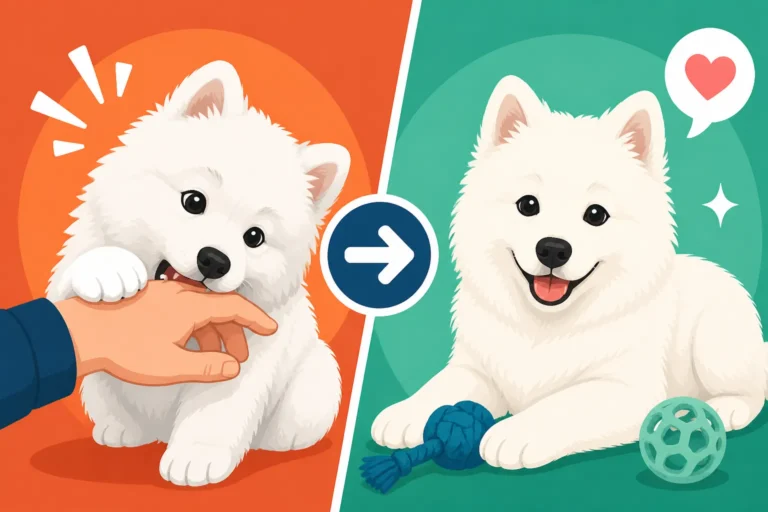
Redirection: If your Samoyed is digging in the garden, instead of yelling, gently lead them to a designated digging pit filled with sand and buried toys. Praise them for digging there. If they're mouthing your hands too hard, redirect them to an appropriate chew toy. This teaches them what they can do instead of just what not to do. It's about channeling their natural instincts into acceptable outlets. This approach is much more effective than trying to stamp out a natural behavior, especially for a breed with strong instincts.
Management: If your Samoyed counter-surfs, don't leave tempting food on the counter. If they bolt out the door, use a baby gate or keep them on a leash until the door is closed. Preventing the opportunity for mischief removes the need for a correction entirely. This proactive approach significantly reduces conflict and, therefore, opportunities for sulking. A long line, available on Amazon, can be a great management tool for outdoor training, giving them freedom to explore safely while you maintain control, preventing situations where a correction might be needed for a sudden dash.
Rebuilding Trust and Connection
After a necessary correction, even if handled gently, your Samoyed might still feel a bit put out. It's crucial to actively rebuild that connection. Don't hold a grudge, and don't let the sulk linger indefinitely. Once the moment has passed and they've had a few minutes to cool off, initiate a positive interaction.
This could be as simple as:
- Calling them over with a cheerful tone for a quick cuddle.
- Offering a small, unexpected treat for no reason other than "being a good dog."
- Engaging them in a short, fun play session with their favorite toy.
- Taking them for a walk, which is a fantastic way to reconnect and burn off any lingering emotional energy.
The goal is to show them that while you didn't approve of their behavior, you still love and appreciate them. You want them to know that the incident is over and forgotten, at least on your end. This reinforces How a Samoyed Bonds to One Person and ensures your relationship remains strong and trusting.
When Sulking Becomes More Than Just a Mood
While a dramatic sigh and a temporary cold shoulder are often just typical Samoyed quirks, there are times when persistent avoidance, extreme shyness, or ongoing withdrawn behavior after a correction might signal something more serious. It's important to know the difference and when to seek professional help.
Distinguishing Sulking from Fear or Anxiety
True sulking in a Samoyed is generally a temporary, non-fearful reaction. They might be "mad" or "offended," but they aren't typically terrified. If, however, your Samoyed exhibits signs of genuine fear or anxiety after a correction, such as:
- Trembling or shaking
- Urination or defecation
- Excessive licking or yawning (displacement behaviors)
- Hiding for long periods and refusing to come out
- Cowering or showing submissive urination
Then your correction method might be too harsh, or your dog might have underlying anxiety issues that need to be addressed. A sensitive Samoyed can be easily intimidated, and you never want your corrections to instill fear. A fear-based response is counterproductive to training and can severely damage your bond. Pay close attention to How a Samoyed Hides Illness Behind a Smile – sometimes what looks like sulking could be a subtle sign of discomfort or even pain.
Seeking Professional Guidance
If you find that your Samoyed's reactions to corrections are consistently extreme, prolonged, or seem to involve genuine fear, it's time to consult a professional. A certified professional dog trainer or a veterinary behaviorist can assess your dog's behavior, help identify any underlying causes for anxiety or over-sensitivity, and provide tailored strategies for positive training.
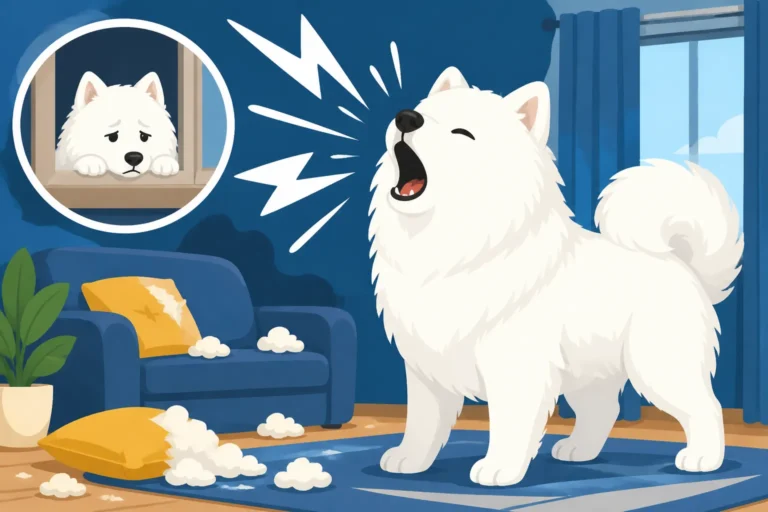
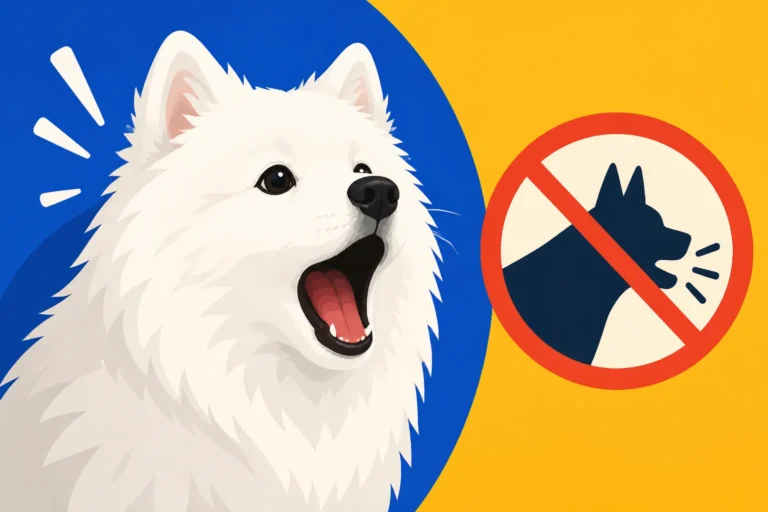
They can teach you effective, humane correction methods that work with your Samoyed's unique personality, helping you communicate clearly without causing emotional distress. Sometimes, their deep vocalizations might even be perceived as "talking back," but understanding The Samoyed Scream and Why It Is Not Barking can help you interpret their communication better. A professional can also guide you on general management strategies, especially for specific behaviors like persistent destructive chewing, which can often be linked to boredom if What a Bored Samoyed Does to a House is a concern. Investing in professional guidance ensures both you and your Samoyed have a happier, more harmonious life together, fostering their development from The First Year With a Samoyed Puppy onwards.
Disclaimer
This article is for general informational purposes only and does not constitute professional advice. Laws, prices and regulations vary by location and change over time. Consult a qualified professional for guidance on your specific situation.