How Far a Loose Samoyed Travels
It’s a heart-stopping moment many Samoyed owners dread: you glance out the window, or turn your back for a second, and suddenly your fluffy white cloud is gone. The gate was latched, wasn’t it? The door was closed? The sheer panic that washes over you when your beloved Samoyed disappears can be debilitating, often followed by the desperate question: how far could they possibly have gone? This guide is here to shed light on just how far a loose Samoyed can travel in what feels like mere minutes, delve into the instincts driving their wanderlust, and equip you with practical strategies to prevent such terrifying scenarios and increase the chances of a swift, safe reunion.
The Surprising Distances a Samoyed Can Cover When Loose
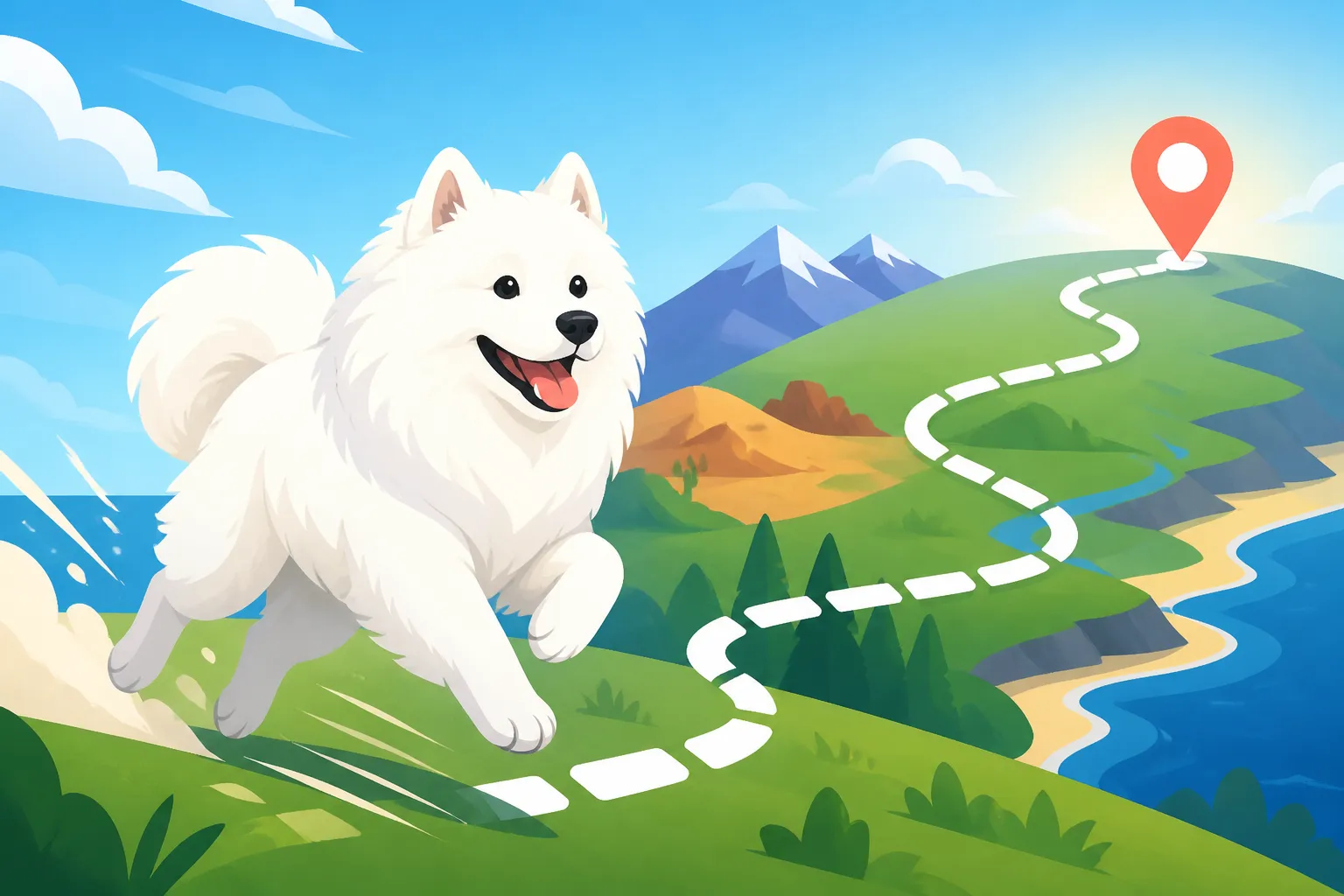
If you've ever experienced the sheer terror of realizing your Samoyed is no longer in the yard or by your side, you know that the immediate thought is often to frantically search the immediate vicinity. But Samoyeds, with their boundless energy and innate drive, can cover surprisingly vast distances in a very short amount of time. It’s not like they're dawdling; they're on a mission, whether that mission is chasing a scent, exploring new territory, or simply enjoying the exhilarating freedom of an open road or trail.
Imagine the scenario: you step out to grab the mail, and the front door swings open wider than usual, or perhaps a visitor leaves the gate ajar. In a blink, your Samoyed is out. They might stop to sniff a bush right outside, or they might launch into a full-speed gallop down the street. Their powerful legs, built for pulling sleds and herding reindeer over long distances, make them incredibly efficient travelers. A Samoyed can easily cover several blocks, sometimes even a mile or more, within the first 10-15 minutes of being loose. This isn't just a casual stroll; it's often a determined, swift movement away from the familiar. I’ve heard countless stories of owners searching their own block for hours, only to find their dog three towns over, sometimes by sheer luck, sometimes thanks to the kindness of strangers who recognized the breed. The sheer speed and endurance encoded in their genetics mean that what feels like a quick dash for them can translate into a significant geographical displacement for you.
Factors like adrenaline, the thrill of the chase, and the sheer novelty of unsupervised exploration only add to their momentum. If there's a fascinating scent trail – a rabbit, a deer, or even just another dog’s urine mark – a Samoyed will follow it with single-minded devotion, completely oblivious to their surroundings or your frantic calls. Their incredible sense of smell means they're drawn to things we can't even perceive, pulling them further and further away from where they started. Don't underestimate their physical capabilities; these dogs are athletes in disguise, and a loose adventure is often a full-on marathon for them.
Unpacking the Samoyed's Instinctive Wanderlust
It’s easy to feel betrayed or confused when your seemingly devoted Samoyed takes off at the first opportunity. You might wonder, "Don't they love me? Don't they know where home is?" But their desire to roam isn't a reflection of their affection for you; it's deeply ingrained in their breed heritage. Understanding these powerful instincts is key to preventing escapes and managing the panic when one does occur.
The Irresistible Call of the Wild
Samoyeds descend from dogs bred by the Nenets people of Siberia, where they performed crucial roles like herding reindeer and pulling sleds over vast, open landscapes. This isn't a couch potato breed; they were designed for purpose and movement. That strong heritage means they have an inherent love for exploring, a powerful prey drive, and an incredible sense of curiosity about what lies beyond their immediate environment.
Think about it: a stray squirrel darting across the lawn or a rabbit hopping through a field can trigger an immediate, almost uncontrollable chase response. Once that switch flips, your Samoyed is no longer your cuddly companion; they are a working dog following an ancient instinct. This prey drive is incredibly strong, often overriding any training or even their bond with you, especially when they're off-leash in an exciting environment. Why a Samoyed's Recall Cannot Be Trusted delves into this further, explaining why even the best-trained Samoyed might ignore your calls when a high-value distraction appears. This isn't stubbornness, exactly, but rather an intense focus on the perceived "job" at hand.
Beyond prey, their noses are incredible tools for exploration. Every new scent tells a story, and your Samoyed is eager to read every chapter. A novel smell from a neighboring yard, the faint trace of an animal that passed hours ago, or even just the exhaust from a distant car can pique their interest and lead them further afield. This strong sensory exploration drive makes them incredibly difficult to contain if they get even a tiny crack of freedom.
Boredom and the Need for a Job
A Samoyed is a highly intelligent and energetic breed. If they aren't given enough physical exercise and mental stimulation, they will absolutely find ways to entertain themselves. And often, that entertainment involves finding a way out of their perceived confines. A bored Samoyed is a mischievous Samoyed, and an escaped Samoyed is often a direct result of unmet needs.
Leaving a Samoyed alone in a yard for hours on end with no interaction, no toys, and no stimulating activities is an open invitation for them to become an escape artist. They'll survey the fence line, test gate latches, and dig diligently under any weak spots. This isn't about being destructive; it's about fulfilling their intrinsic need for activity and exploration. Think of it as them trying to find their own "job." If their humans aren't providing one, they'll create their own adventure. The Job a Samoyed Actually Needs explores this need for purpose in more detail. They are, after all, problem-solvers when motivated.
When they do get out, that burst of freedom is immensely rewarding. The wind in their fur, the new smells, the sheer joy of running without restraint – it’s a powerful positive reinforcement for their escape behavior. This means that once they've had a taste of freedom, they're often even more determined to seek it out again, becoming serial escape artists if given the chance.
Fortifying Your Home and Honing Prevention Strategies
Given a Samoyed's innate desire to roam and their impressive ability to cover ground, prevention is absolutely paramount. It's far easier to prevent an escape than to recover from one, both emotionally and practically.
Secure Physical Barriers Are Non-Negotiable
First and foremost, your home and yard must be secure. A standard four-foot picket fence might work for some breeds, but for a Samoyed, it’s often just a suggestion. They are agile jumpers, clever climbers, and persistent diggers. How a Samoyed Gets Out of Anything You Build is a must-read for anyone considering a Samoyed, because it truly highlights their Houdini-like tendencies.
- Fence Height: Aim for at least a six-foot fence. Anything less is often considered an invitation for a determined Samoyed to jump or climb. Many Samoyeds can easily clear a four-foot fence with a running start.
- Digging Prevention: Samoyeds love to dig, especially when bored or trying to stay cool. Burying wire mesh or concrete along the bottom of your fence line can effectively Whether Buried Wire Stops a Samoyed Digging Out. You might also consider a "L-footer" or simply burying the fence itself deeper. The Tunnel a Samoyed Digs Under a Fence is a real problem, and addressing it proactively is crucial.
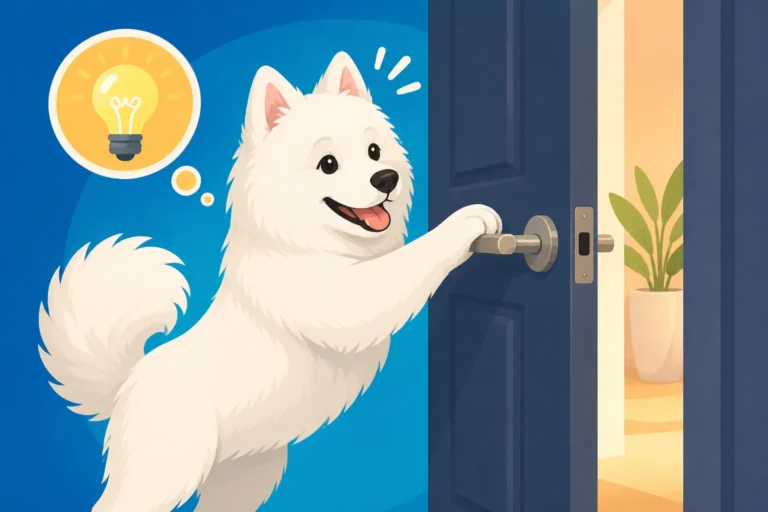
- Gate Security: A simple latch is rarely enough. Samoyeds are incredibly intelligent and observant. They watch how you open things. Use multiple, complex latches or combination locks on gates. Some Samoyeds have even figured out how to operate lever handles and doorknobs! The Gate Latch a Samoyed Learns to Open is a testament to their cleverness. Always double-check that gates are fully closed and latched every single time.
- House Doors and Windows: This might sound obvious, but many escapes happen through open front doors when someone is entering or exiting. Train your Samoyed to "wait" at thresholds. Consider baby gates or a secured "safe zone" for them when doors are frequently opened. How a Samoyed Learns to Open Doors is something many owners have learned the hard way.
Training for Reliability and Recall
While physical barriers are essential, training is your second line of defense. A rock-solid recall, while challenging with a Samoyed, can be a lifesaver. This means consistent, positive reinforcement training from puppyhood.
- High-Value Rewards: Samoyeds can be wonderfully food-motivated. Use treats they absolutely adore – boiled chicken, cheese, hot dogs – to make coming when called the most rewarding thing ever.
- Practice in Varied Environments: Start recall practice in a quiet, distraction-free environment, then gradually introduce distractions. Use a long line (a 20-30 foot leash) in a safe, fenced area to practice recall from a distance, giving your Samoyed the illusion of freedom while you maintain control.
- "Come" Doesn't Mean "Punishment": Never call your Samoyed to you to scold them or do something they dislike (like giving them a bath). Your "come" cue must always be associated with positive outcomes.
- Professional Help: If you’re struggling, don’t hesitate to seek a professional dog trainer who specializes in positive reinforcement and understands northern breeds. Platforms like BAXTER & Bella offer excellent online resources and training programs that can guide you through building a strong foundation, even for breeds like Samoyeds who find obedience negotiable. Consistency and patience are key with these smart, independent thinkers.
Leveraging Modern Technology
Even with the best physical security and training, accidents can happen. Technology offers valuable tools for recovery and prevention.
- Microchipping: This is a non-negotiable must-have for any dog. A microchip, implanted by your vet, provides permanent identification that can be scanned by any shelter or vet clinic. Always ensure your contact information linked to the microchip is up-to-date. Whether a Samoyed Should Be Microchipped is not a question; it's a command.
- GPS Trackers: These devices, often small and lightweight, attach to your dog’s collar and allow you to track their location via an app on your smartphone. Many excellent options are available, easily found on platforms like Amazon, and they can offer immense peace of mind. Whether a GPS Collar Is Worth It for a Samoyed is a resounding yes for an adventurous Samoyed. They don't prevent escape, but they drastically improve recovery chances.
| Prevention Method | Description | Pros | Cons |
|---|---|---|---|
| Secure Fencing | Six-foot height, buried wire, complex gate latches | Primary physical barrier, clear boundary | Can be costly, requires regular maintenance checks |
| Recall Training | Consistent positive reinforcement for "come" cue | Builds strong bond, vital for emergencies | Challenging with Samoyeds, requires high-value rewards |
| Microchipping | Permanent ID implanted under skin, registered with owner data | Essential for identification, lasts a lifetime | Does not prevent escape, requires scanner to read |
| GPS Collar | Device attached to collar, tracks location via app | Real-time tracking, quick recovery aid | Battery life, monthly subscription fees, can be lost |
| Threshold Training | Teaching "wait" at doors/gates before release | Prevents opportunistic escapes, promotes impulse control | Requires consistent practice, can be challenged by high excitement |
| Enrichment & Exercise | Mental and physical activities to prevent boredom | Addresses root cause of some escapes, promotes well-being | Requires significant owner time and effort, How Much Exercise a Samoyed Needs is substantial |
The Urgent Steps to Take When Your Samoyed Goes Missing
Despite your best efforts, sometimes a Samoyed still manages to slip away. When that gut-wrenching moment arrives, your ability to act quickly and strategically can make all the difference.
Immediate Search and Notification
Don't waste a second. The first few minutes are critical for locating your Samoyed before they've traveled too far or gotten into trouble.
- Search Immediately and Systematically: Grab their favorite noisy toy or a bag of high-value treats and start calling their name while walking in concentric circles around the escape point. Drive or walk the immediate neighborhood, checking bushes, culverts, and under cars – sometimes they just find an interesting spot to chill.
- Alert Neighbors and Local Contacts: Shout their name, ask neighbors if they've seen them, and if possible, enlist friends and family to help with the search. Give them a recent photo of your Samoyed.
- Utilize Social Media and Local Groups: Post immediately on local community Facebook groups, lost pet groups, and neighborhood apps like Nextdoor. Include a clear photo, description, the location and time they went missing, and your contact information. This can be incredibly effective, as many community members are quick to share sightings.
- Contact Shelters and Veterinarians: Call all animal shelters, animal control facilities, and veterinary clinics in your area, and surrounding areas. Provide them with your Samoyed's description, microchip number, and your contact information. If you have a GPS tracker, this is when it pays for itself by giving you an exact direction to focus your search.
- Leave Scent Trails: Place an unwashed piece of your clothing or their dog bed near the escape point. Your scent can help guide them back if they become disoriented. Also, put out their food and water bowls.
Understanding Samoyed Behavior When Lost
A lost Samoyed might react differently than you expect. While they are usually friendly, a scared or disoriented Samoyed might be wary of strangers or even you. They might run further if chased, mistaking your pursuit for a game or a threat. If you spot them, crouch down, speak in a calm, happy voice, and entice them with treats rather than running directly towards them. Their strong instincts mean that Why a Loose Samoyed Does Not Come Back isn't about being disobedient, but often about being too absorbed in their adventure or too afraid to approach. Patience and calm are key in these stressful moments.
Remember, every minute counts. The further they travel, the more likely they are to encounter dangers like traffic, unfamiliar territory, or even other animals. Your proactive prevention efforts, combined with a swift and organized search plan, give you the best chance of a happy reunion with your adventurous Samoyed.
Disclaimer
This article is for general informational purposes only and does not constitute professional advice. Laws, prices and regulations vary by location and change over time. Consult a qualified professional for guidance on your specific situation.