Whether a Samoyed’s Belly Can Be Trimmed
It's a familiar scenario for any Samoyed owner: you're grooming your beautiful floof, and you discover a stubborn mat right on their belly, or perhaps the pristine white fur has become an unfortunate shade of yellow from a run-in with mud or, let's be honest, their own urine. The thought might pop into your head: Can't I just trim that off? It seems like a quick, easy fix, right? But with a Samoyed's unique double coat, the answer isn't as simple as grabbing the clippers. This guide is here to walk you through the intricacies of your Samoyed's belly coat, why trimming it is rarely the best solution, and what effective, safer alternatives you have to keep your companion comfortable and looking their best.
Understanding the Samoyed's Double Coat: The "Why" Behind the "How Not To"
Your Samoyed's magnificent coat isn't just for show; it's a marvel of natural engineering, perfectly adapted to extreme Arctic conditions. Understanding how it works is crucial to appreciating why trimming, especially on the sensitive belly, can do more harm than good. It's truly a protective layer, built for function above all else, and every single strand has a job to do.
The Protective Layers: Guard Hairs and Undercoat
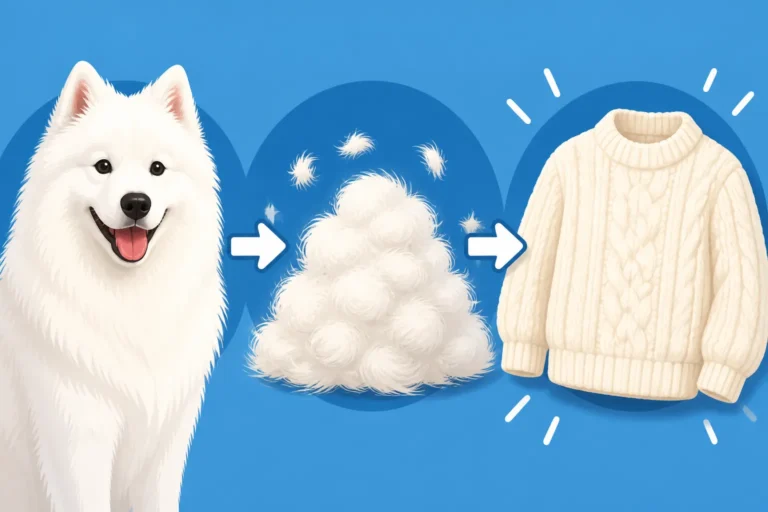
At first glance, a Samoyed's coat looks like a glorious cloud of white fur, but beneath that fluffy exterior are two distinct layers, each with a specific purpose. First, you have the coarse, straight, longer outer coat, which we call the guard hairs. These hairs are designed to repel water, snow, and dirt, acting like a natural shield against the elements. They prevent moisture from soaking through to the skin and protect against physical abrasions. Even on the belly, these guard hairs are there, though perhaps a bit shorter, doing their vital job of providing that first line of defense.
Beneath the guard hairs lies the incredibly dense, soft, woolly undercoat. This is the insulation powerhouse, trapping air close to the body and regulating temperature. Think of it like a down sleeping bag for your dog. It keeps them warm in freezing temperatures and, perhaps surprisingly, helps keep them cool when it's hot. On the belly, this undercoat is often just as thick as on their back, providing vital protection for their softer underside. Removing these layers, even partially, disrupts this finely tuned system, leaving the skin vulnerable.
Insulation Against All Weathers, Even Heat
It sounds counterintuitive, doesn't it? A dog bred for the Arctic, with all that fur, staying cool in summer? But it's absolutely true. The double coat of a Samoyed acts as remarkable insulation against both cold and heat. Imagine wearing a thick wool sweater in a hot desert – it might seem crazy, but it can actually protect you from the intense sun and keep your body temperature stable. The same principle applies to your Samoyed. The dense undercoat traps a layer of air, which acts as a buffer against the external temperature. This means in winter, the warm air stays in, and in summer, the cooler air near the skin stays in, preventing the outside heat from penetrating.
When you trim a Samoyed's belly, you remove this crucial insulating layer. This isn't just about comfort; it's about their physiological ability to regulate their body temperature. The coat creates a microclimate around their skin, and when that's gone, their body has to work harder to maintain a stable temperature. It exposes their delicate belly skin directly to the ground's temperature, whether it's scorching pavement or cold, damp earth. This can lead to them being less comfortable, not more. It's one of the key reasons why a Samoyed's coat protects them even when the mercury climbs high. If you're wondering how this works, you might find Whether a Samoyed's Coat Really Keeps It Cool to be an illuminating read.
Common Reasons Owners Consider Trimming the Belly
Let's be honest, owning a Samoyed is a joy, but their magnificent coat comes with its own set of challenges. It's completely understandable why a well-meaning owner might consider trimming their Samoyed's belly. We've all been there, staring at a problem area and wishing for a quick fix. Recognizing these common frustrations is the first step toward finding better, long-term solutions that protect your dog's health and coat integrity.
Mats and Tangles: The Struggle is Real
Oh, the mats! They sneak up on you, don't they? One day your Samoyed's belly fur is flowing beautifully, and the next, you find a dense, felted patch, especially in the armpits or groin area. These areas are incredibly prone to matting because of constant friction from movement, lying down, and even just casual scratching. And let's not forget how easily burrs, twigs, or bits of yard debris can get tangled in that soft undercoat, creating knots that seem impossible to unravel. It's a frustrating battle, particularly with how sensitive and thin the skin can be in these areas. The thought of just buzzing it off with clippers can be incredibly tempting to relieve the dog and yourself of the discomfort and struggle.
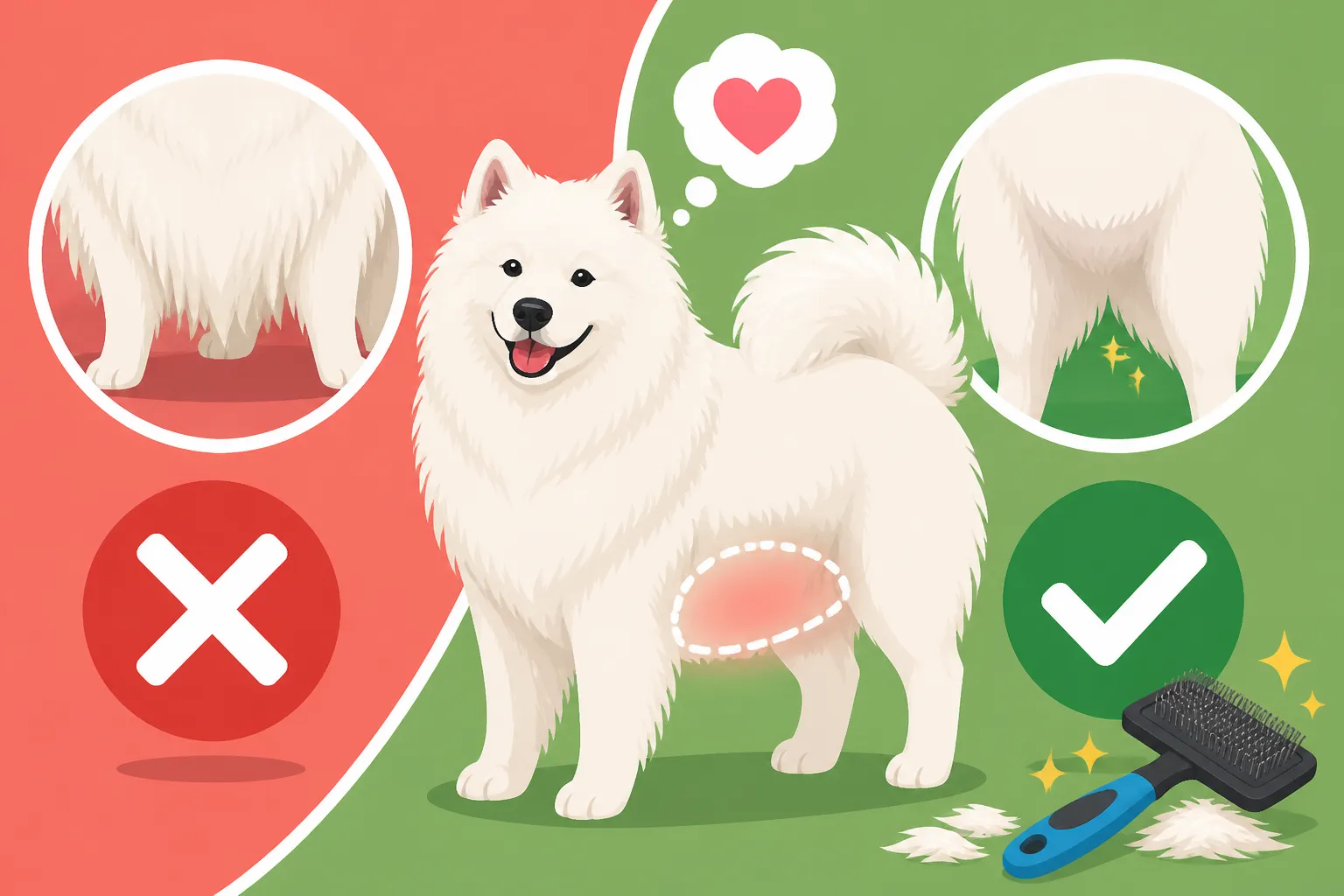
However, opting for the clippers is often a short-sighted solution. While it removes the immediate mat, it can make future matting worse. The clipped hair often grows back unevenly, with the softer undercoat sometimes growing faster and coarser than the guard hairs, creating a texture that's even more prone to tangling. Instead of trimming, consistent and gentle de-matting is key. This means patient work with a slicker brush, a wide-toothed comb, and an undercoat rake. You can find excellent, humane de-matting tools and detangling sprays on pet supply sites like Chewy or Amazon. Work in small sections, always supporting the skin at the base of the mat to prevent pulling. It takes time, yes, but it preserves the coat's natural structure. For more on keeping that glorious coat in top shape, check out How Often a Samoyed Needs Brushing.
Stains and Hygiene Concerns
Another common reason owners eye the clippers for their Samoyed's belly is staining. A pure white Samoyed belly can quickly become an unfortunate canvas for all sorts of discoloration. Urine staining around the groin area, muddy paws that get tracked onto their underside, or just general grime from rolling around in the yard can leave unsightly yellowish or brownish patches. It looks messy, and let's face it, we all want our Samoyeds to look their best. It's a natural instinct to think, "If I just cut off the stained part, it'll be clean!"
While trimming might remove the visible stain temporarily, it doesn't solve the underlying hygiene issue, nor does it prevent future staining. The coat, even when dirty, still offers a layer of protection to the skin. Instead, focus on proactive cleaning. For urine stains, a gentle pet-safe whitening shampoo or even a paste of cornstarch and water can work wonders. Simply apply, let it dry, and brush it out. For general dirt, a damp cloth with a mild pet shampoo can be used for spot cleaning without the need for a full bath. Regular baths (not too frequent, though!) can also help. Remember, your Samoyed's coat actually has self-cleaning properties, so often dried mud will simply flake off with a good brush. For tips on specific cleaning techniques, Spot Cleaning a Samoyed Instead of Bathing It and Which Shampoo Keeps a Samoyed White are fantastic resources.
Attempting to "Cool Down" the Samoyed
This is perhaps the most widespread misconception about shaving or trimming a double-coated breed like a Samoyed. It's scorching hot outside, your Samoyed is panting, and you think, "They're wearing a fur coat! I need to take it off to help them cool down." The logical leap is understandable: less fur equals cooler dog, right? So, trimming their belly, where they often lie on cool surfaces, might seem like a kindness.
Unfortunately, this act of kindness can actually put your Samoyed at greater risk. As we discussed, their double coat acts as insulation against heat as well as cold. It traps a layer of air that keeps their skin at a more stable temperature, preventing direct sun exposure from overheating them. When you trim or shave their coat, especially the belly, you strip away this natural protection. You expose their sensitive skin to direct sunlight, which can lead to severe sunburn and even increase their risk of skin cancer. Furthermore, the lack of insulation means that any hot surface they lie on will transfer heat more directly to their body. Instead of trimming, focus on providing ample shade, fresh water, and cooling aids like a kiddie pool or a cooling mat. These methods genuinely help dissipate heat safely, unlike clipping which undermines their natural defenses. Consider exploring Whether a Cooling Mat Helps a Samoyed for effective cooling strategies.
The Risks and Downsides of Trimming a Samoyed's Belly
While the impulse to trim a Samoyed's belly might stem from good intentions—addressing mats, stains, or perceived overheating—the potential negative consequences far outweigh any fleeting benefits. It's crucial for Samoyed owners to understand these risks before making a decision that could impact their dog's health and coat for a long time, potentially even permanently. Remember, their coat is their armor, their thermostat, and a key part of what makes them a Samoyed.
Damage to the Coat Structure
One of the most significant and often irreversible downsides of trimming a Samoyed's coat, even just the belly, is the damage it can cause to the overall coat structure. When you clip the coat, especially with electric clippers, you cut through both the guard hairs and the undercoat unevenly. The undercoat, which is typically softer and grows faster, will often grow back first and more profusely than the slower-growing, coarser guard hairs. This can lead to a phenomenon often called "clipper alopecia" or "post-clipping alopecia," where the coat doesn't grow back correctly, or sometimes not at all in patches.
The new growth can be woolly, patchy, and even coarser or softer than before, creating a texture that is far more prone to matting and harder to groom. Instead of smooth, flowing fur, you might end up with a cottony, felt-like mess that attracts and holds debris more readily. This fundamentally compromises the coat's ability to shed dirt and regulate temperature effectively. What might have started as a desire for a cleaner or cooler dog can result in a lifetime of more challenging grooming and a less functional coat. A lot of professional groomers will tell you Why a Samoyed Must Never Be Shaved for this very reason.
Skin Irritation, Sunburn, and Protection Loss
Think about your own skin. It's not designed to be constantly exposed to the elements, especially the sun, without protection. The same goes for your Samoyed's belly. Their dense coat provides a vital physical barrier that protects their delicate skin from a myriad of environmental hazards. When you trim that coat away, you leave their skin exposed and vulnerable.
This exposure can lead to several problems:
- Sunburn: Samoyeds have pale skin underneath that thick white fur. Direct sun exposure, even for short periods, can cause severe sunburn, which is painful and increases the risk of skin cancer. Imagine your dog lying on their back in the sun for a belly rub after a trim—that sensitive skin has no defense.
- Insect Bites and Stings: The fur acts as a deterrent and physical barrier against fleas, ticks, mosquitoes, and other biting insects. Without it, their skin is an easy target, leading to itching, irritation, and potential infections.
- Abrasions and Irritation: Lying on rough surfaces, encountering thorny bushes, or even just friction from everyday activities can cause nicks, cuts, and general irritation to unprotected skin. The coat provides a cushion and shield that a trimmed belly lacks.
In essence, trimming the belly compromises the natural protective function of the coat, leaving your Samoyed's most sensitive areas exposed to harm. It's not just about aesthetics; it's about their physical well-being.
Professional Groomer Perspectives
If you speak to any experienced, reputable groomer who specializes in double-coated breeds like Samoyeds, they will almost universally advise against trimming or shaving the coat, including the belly, unless there's a specific medical necessity. Their expertise is rooted in understanding the unique biology of these coats and the long-term consequences of altering them. A good groomer's priority is to maintain the health and integrity of your Samoyed's coat, not just to make it look tidy for a short time. They know the effort it takes to maintain that beautiful coat, including getting it thoroughly dry after a bath, as detailed in Drying a Samoyed to the Skin.
There are, of course, rare exceptions. If a Samoyed has an open wound, a severe skin infection, or is undergoing surgery where the area needs to be sterile, a veterinarian might perform a targeted clip. However, these are medical interventions, not general grooming practices. A professional groomer might offer a "sanitary trim" – a very small, careful trim around the anus and genitals to aid cleanliness – but this is distinctly different from trimming the entire belly or any significant portion of the undercarriage. They understand that preserving the coat's natural structure is paramount for the dog's comfort, health, and breed-specific appearance. They’ll likely recommend specialized tools for de-shedding instead of clippers.
Responsible Alternatives to Trimming the Belly
So, if trimming isn't the answer, what can you do when your Samoyed's belly is matted, stained, or you're worried about them overheating? The good news is there are plenty of effective, coat-friendly strategies that protect your Samoyed's health and maintain the beauty of their magnificent fur. It's all about proactive care, the right tools, and understanding your dog's unique needs.
Regular Grooming and Prevention
The absolute best defense against belly mats and excessive staining is a consistent and thorough grooming routine. Prevention truly is easier than trying to fix a problem once it's taken hold.
- Daily or Every-Other-Day Brushing: Make it a habit to brush your Samoyed's belly, armpits, and groin area daily or every other day. These are the prime spots for mats to form due to friction. Use a slicker brush to get through the softer undercoat and follow up with a metal comb to check for any missed tangles. An undercoat rake is also invaluable for removing loose undercoat before it can felt. You can find high-quality brushes and rakes from online retailers like Chewy or Amazon.
- Targeted De-matting: If you do find a mat, don't just yank at it. Use a detangling spray and gently work it apart with your fingers, then a wide-toothed comb. Always hold the skin at the base of the mat to minimize discomfort for your dog. Patience is key here.
- "Sanitary Trim" (Limited): As mentioned, a very small trim around the anus and genitals, performed carefully with blunt-nosed scissors or small clippers, can help with hygiene. This is not a full belly trim but a strategic snip to prevent fecal matter or urine from clinging to the fur. If unsure, ask a professional groomer to demonstrate or perform it for you.
- Thorough Drying: After baths or swims, ensure your Samoyed is completely dry to the skin. Damp undercoat is a breeding ground for mats and skin issues. A high-velocity force dryer is a game-changer for Samoyed owners, as it pushes out water and loose undercoat efficiently.
Maintaining Hygiene and Cleanliness
Keeping your Samoyed's belly clean goes beyond brushing. It involves routine inspections and targeted cleaning methods that respect their coat structure.
- Post-Adventure Checks: After every walk, play session in the yard, or especially a romp in muddy areas, quickly inspect your Samoyed's belly and legs. Remove any burrs, twigs, or debris before they have a chance to work their way into the undercoat and form mats.
- Spot Cleaning: For urine or mud stains, there's no need for a full bath. Use pet-safe cleansing wipes or a damp cloth with a tiny bit of mild pet shampoo. Work it into the stain, then rinse and dry the area thoroughly. For those stubborn yellowish stains, a dusting of cornstarch, left to absorb moisture and then brushed out, can often work wonders without harsh chemicals. It’s amazing How a Samoyed's Coat Sheds Dirt on Its Own if you give it a chance with proper brushing.
- Diet and Hydration: Believe it or not, a high-quality diet and proper hydration can contribute to coat health. A well-nourished coat is often cleaner and less prone to issues. Consider speaking with your vet about a balanced diet, perhaps even exploring fresh food options like those offered by Ollie, to support overall skin and coat vitality. Healthy skin and coat are less prone to issues that tempt trimming.
Managing Heat Without Clipping
Your Samoyed's ability to cope with heat is paramount, and there are many effective ways to help them stay cool without ever touching the clippers to their body.
Here's a handy guide to keeping your Samoyed comfortable in warmer weather:
| Issue/Goal | Trimming the Belly | Recommended Alternatives |
|---|---|---|
| Matting | Temporary fix, can worsen coat texture and quality | Daily brushing, undercoat rake, professional de-matting, detangling sprays |
| Staining/Hygiene | Superficial, doesn't address root cause, risks skin issues | Spot cleaning, cornstarch, pet-safe wipes, regular (but not excessive) bathing |
| Cooling in Heat | Counter-productive, risks sunburn and reduced insulation | Shade, constant fresh water, cooling mats, kiddie pools, restricted exercise times |
| Skin Protection | Removes natural barrier, exposes to sun, insects, abrasions | Regular grooming maintains coat integrity, avoids sun exposure |
| Coat Health/Integrity | Can cause permanent texture change, clipper alopecia | Consistent brushing, proper diet, avoiding harsh chemicals |
Always ensure your Samoyed has access to cool, fresh water. Provide plenty of shade in your yard, especially during the hottest parts of the day. A cooling mat can be a fantastic investment for them to lie on indoors, offering a refreshing spot. Consider filling a kiddie pool with a few inches of water for them to splash in if they enjoy it. Exercise should be limited to early mornings or late evenings when temperatures are cooler. On really hot days, it's best to keep them indoors in an air-conditioned environment. Remember, their magnificent coat is designed to help them regulate their temperature, and adding external cooling methods complements this natural ability, rather than fighting against it. For a comprehensive summer plan, consult Water, Shade and the Summer Plan for a Samoyed.
Disclaimer
This article is for general informational purposes only and does not constitute professional advice. Laws, prices and regulations vary by location and change over time. Consult a qualified professional for guidance on your specific situation.