Spot Cleaning a Samoyed Instead of Bathing It
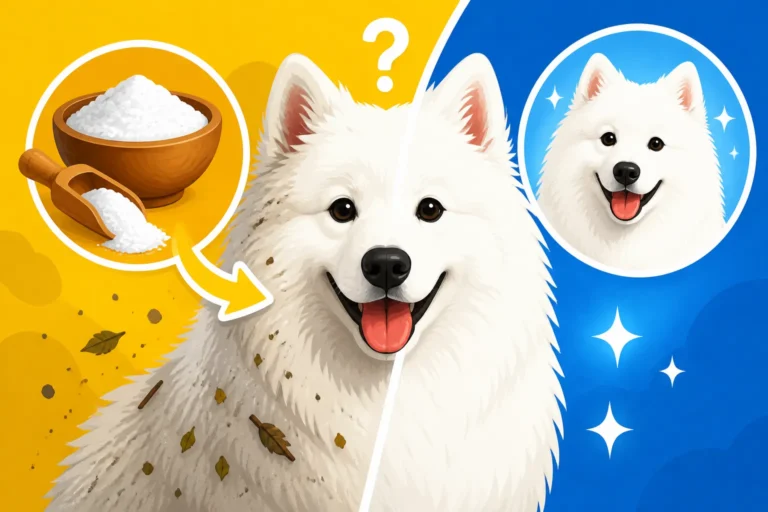
Let's be honest: keeping a Samoyed pristine white feels like a full-time job, doesn't it? One minute they're a cloud of pure joy, the next they've discovered the muddiest puddle in the neighborhood, or perhaps face-planted in their dinner. The thought of a full bath can be daunting, a wrestling match of epic proportions followed by hours of drying. But what if you could tackle most of those everyday messes without the full ordeal? This guide is here to walk you through the magic of spot cleaning, offering realistic strategies to keep your fluffy companion looking radiant without constantly dunking them in the tub.
The Sheer Relief of Spot Cleaning Your Samoyed
Anyone who lives with a Samoyed knows the unique challenges that come with a magnificent white, double-coated breed. It’s not just about the pristine appearance; it’s about managing that incredible coat. A full bath isn't a quick rinse; it's a commitment that can take hours of washing, rinsing, and, most critically, drying down to the skin to prevent skin issues. For many of us, the time, effort, and sheer physical exertion of bathing a fully grown Samoyed is a hurdle. That's why spot cleaning isn't just a convenience; it's often a necessary survival skill for maintaining both your dog's hygiene and your own sanity.
Think about it: your Samoyed likely doesn't need a head-to-tail scrub every time they get a little dingy. Their unique coat, with its coarse guard hairs and dense, woolly undercoat, is surprisingly self-cleaning. Dirt tends to dry and fall off, or can be brushed out with relative ease. This is one of the incredible adaptations of a breed built for arctic environments, where frequent bathing wasn't exactly an option. However, some stains, particularly those of the organic variety or deeply embedded grime, need a bit more targeted attention. Spot cleaning allows you to address these specific issues without stripping the natural oils from their entire coat or engaging in a full-scale bath and dry operation that leaves both of you exhausted. It’s about being smart, efficient, and keeping that happy Samoyed smile shining bright.
Essential Tools for a Sparkling Samoyed (Without the Bath)
Before you tackle any messy spots, having the right arsenal of tools makes all the difference. You wouldn't try to bake a cake without the proper ingredients, and you shouldn't attempt to de-grime a Samoyed without your trusty supplies. Many of these items are easily found at local pet stores or online retailers like Chewy or Amazon, making it simple to stock your grooming kit.
The Grooming Brush Brigade
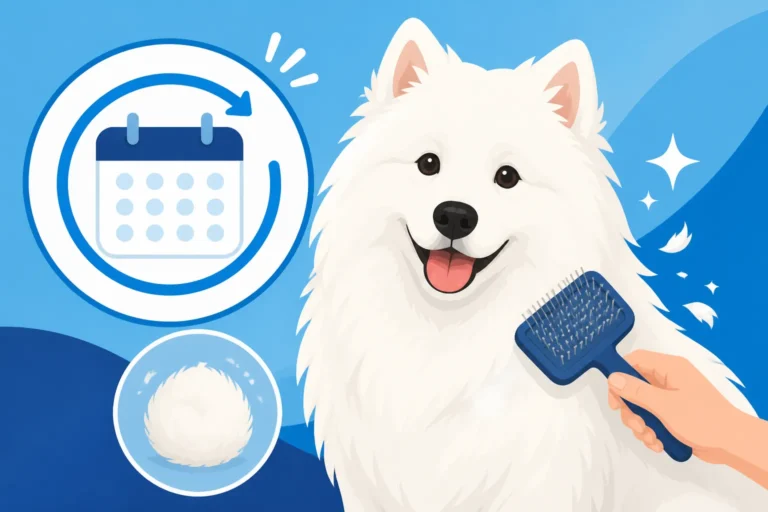
First and foremost, a good set of brushes is non-negotiable. Regular brushing is your primary defense against deep-seated dirt and mats, which can trap grime and make cleaning harder.
- Slicker Brush: This is your everyday workhorse for removing loose undercoat and surface dirt. Gentle strokes are key, as you don't want to scratch their skin.
- Undercoat Rake: A specialized tool designed to pull out shed undercoat, which, if left, can create mats and dullness. When you’re trying to prevent stains from embedding, a clean undercoat is paramount. What an Undercoat Rake Costs a Samoyed Owner is a good read on this.
- Pin Brush: Great for fluffing up the coat and getting a bit deeper without pulling too much. It helps separate the hairs, allowing any dry cleaning agents to penetrate better.
Sprays, Powders, and Wipes
These are the unsung heroes of spot cleaning, designed to lift stains and refresh the coat without water.
- Dry Shampoo/Grooming Powder: Often cornstarch-based or containing absorbent ingredients, these powders soak up oils and dirt, making them easier to brush out. A simple box of cornstarch from your kitchen can work wonders in a pinch. Whether Cornstarch Cleans a Samoyed's Coat delves into this. Apply a small amount, let it sit for a few minutes, then brush thoroughly.
- Waterless Shampoo Sprays: These sprays contain cleaning agents that break down dirt and odors. You spray, massage, and then towel dry and brush. Look for formulations specifically designed for dogs, ideally tear-free and hypoallergenic for sensitive skin.
- Pet Wipes: For very small, fresh spots, pet wipes can be incredibly convenient. Keep a pack by the door for muddy paws or quick clean-ups after a potty break. They won't replace a deeper clean, but they're excellent for immediate needs.
Drying Power and Towels
Even when spot cleaning, you might use a damp cloth or a spray, and proper drying is crucial, especially for a Samoyed's dense coat.
- Microfiber Towels: These are highly absorbent and great for blotting wet spots.
- Force Dryer (Blaster Dryer): While often associated with full baths, a force dryer is invaluable for spot cleaning. It blasts away loose dirt and moisture, quickly drying damp patches and fluffing the coat. This is particularly useful if you've used a wet method on a muddy paw or a urine stain. It saves so much time and prevents mildew or skin irritation under that thick coat. You can find excellent options on Amazon or Chewy.
Tackling Specific Samoyed Stain Scenarios
Now, let's get into the nitty-gritty of the most common stains Samoyed owners face. Each type of mess often requires a slightly different approach.
The Infamous Muddy Paws and Leg Feathers
Ah, the muddy paws. A classic Samoyed accessory after any outdoor adventure. Instead of rushing them into the tub, consider this strategy:
- Let it Dry: The golden rule for mud on a Samoyed's coat is almost always: let it dry. Their guard hairs are somewhat repellent, and once dry, much of the mud will simply crumble off.
- Brush it Out: Once the mud is completely dry, take your slicker brush and undercoat rake. Gently brush the dried mud out of their paws, legs, and feathering. You'll be amazed at how much simply flakes away.
- Targeted Wet Clean (if needed): If there are still stubborn streaks or caked-on bits, dampen a microfiber cloth with warm water (perhaps with a tiny bit of dog-safe shampoo solution if it's really bad) and gently wipe the affected area. Follow up immediately with your force dryer on a cool setting to dry the area completely, fluffing the fur as you go. This prevents mildew and ensures the undercoat doesn't stay damp.
- Dry Shampoo Finish: For a truly pristine finish, lightly sprinkle some dry shampoo or cornstarch onto the cleaned areas, work it in with your fingers, let it sit for a minute, then brush it out thoroughly. This absorbs any residual moisture and brightens the white.
Beard and Mouth Stains from Food and Drink
Samoyeds love to eat, and sometimes, their beautiful white beards bear the evidence. Whether it’s from a particularly enthusiastic meal of wet food or a messy bone, these stains can be quite visible. Whether a Samoyed's Beard Stains From Food is a common concern.
- Immediate Wipe Down: After every meal, get into the habit of gently wiping your Samoyed's muzzle and beard with a damp cloth or a pet wipe. This simple step can prevent many stains from setting in. If you're feeding a fresh food diet, like those offered by Ollie, some ingredients might be more prone to staining, so vigilance is key.
- Cornstarch Power: For existing yellowish or brownish stains, cornstarch is your best friend. Apply a generous amount directly to the stained area, making sure to work it down to the skin. Let it sit for 5-10 minutes, allowing it to absorb the oils and pigments.
- Brush and Fluff: Using a small, soft brush (like an old toothbrush or a dedicated facial brush for dogs), gently brush the cornstarch out. You'll see the powder turn slightly discolored as it lifts the stain. Finish with a slicker brush and a quick blast from your force dryer to fluff the hair and ensure all powder is removed. Repeat if necessary over a few days for stubborn stains.
Urine Stains and Accidental Messes
Puppies, seniors, or even an overly excited adult Samoyed can have accidents. Urine can quickly yellow the delicate white fur, and the smell can linger.
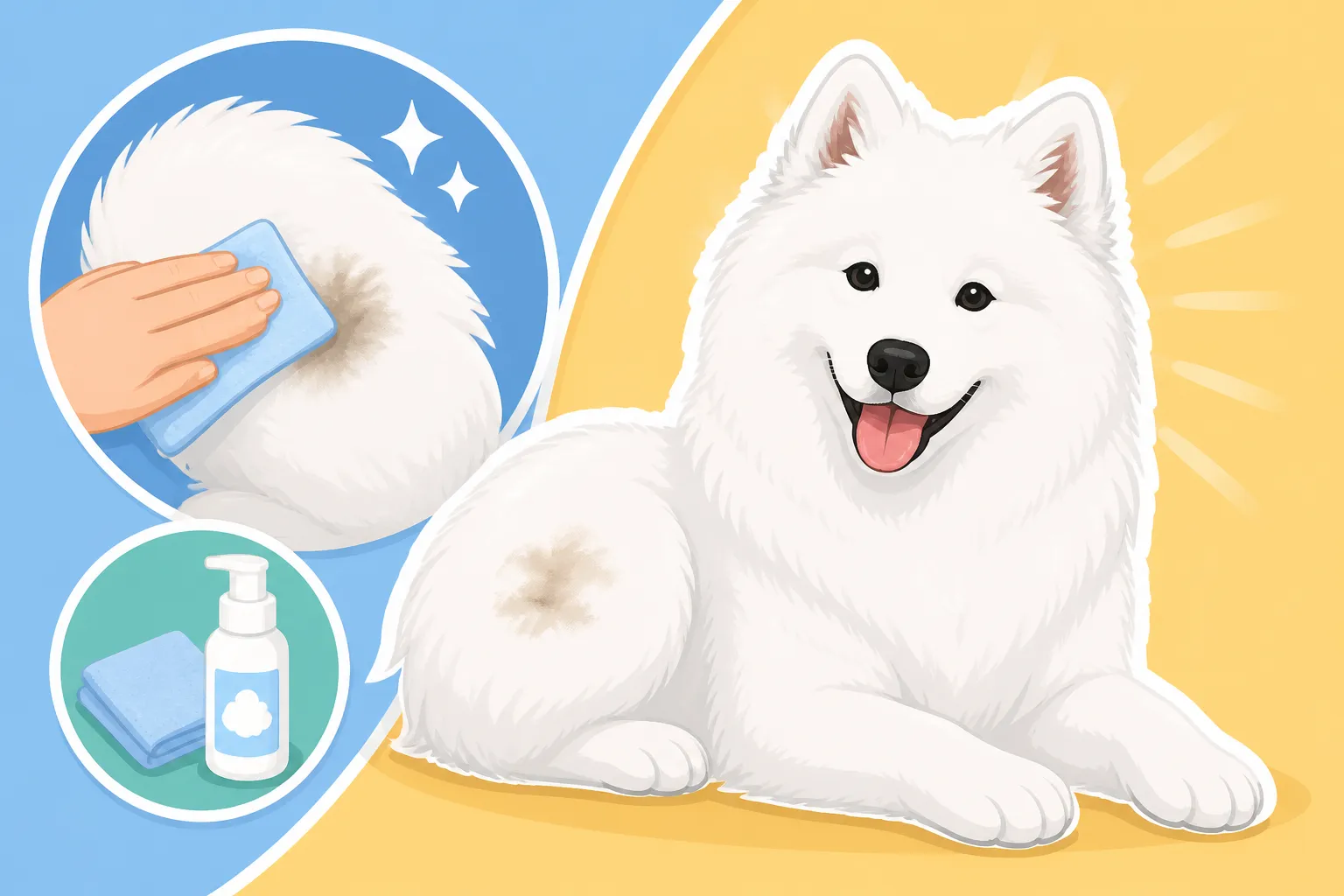
- Blot, Don't Rub: Immediately blot the wet area with a clean, absorbent towel. The goal is to absorb as much urine as possible. Do not rub, as this will spread the urine and push it deeper into the coat and skin.
- Diluted Solution: Mix a small amount of dog-safe enzymatic cleaner (many brands are available on Chewy) or a very diluted solution of dog shampoo with water. Dampen a cloth with this solution and gently dab the stained area. The enzymatic cleaner helps break down the urine at a molecular level, tackling both stain and odor.
- Rinse and Dry Thoroughly: Use a clean, damp cloth to "rinse" the area by dabbing repeatedly until you're sure all cleaning solution is removed. Then, this is crucial: use your force dryer to dry the area completely and quickly. Any lingering dampness under that thick Samoyed coat can lead to skin irritation or a foul smell.
- Odor Neutralizer (Optional): If a faint odor remains, a specialized pet odor neutralizer spray can be used sparingly, always ensuring it's safe for direct contact with pet fur.
General Grime and Dullness
Sometimes, your Samoyed isn't specifically stained, but just generally "not as white as they could be." This overall dullness is often a build-up of environmental dirt, dust, and oils. Why a Samoyed's White Coat Shows Every Stain makes this particularly noticeable.
- Deep Brush Session: Start with a thorough brushing session using your slicker brush and undercoat rake. Go over every inch of their coat, removing loose hair and surface dirt. This alone can make a huge difference in brightening their appearance. How Often a Samoyed Needs Brushing is a great resource here.
- Dry Shampoo Treatment: Apply a good quality dry shampoo or cornstarch all over their body, especially focusing on areas that tend to look duller, like their back and sides. Work it into the coat, ensuring it reaches the undercoat. Let it sit for 5-10 minutes.
- Power Brush and Blast: Brush out the dry shampoo thoroughly with your slicker and pin brush. Then, use your force dryer to blow out any remaining powder and dead hair. The combination of brushing and air will lift the grime, refresh the coat, and restore some of that dazzling white. This method is often enough to revive a dull coat and avoid a full bath. Why a Samoyed's Coat Stays Clean on Its Own is a testament to how effective regular grooming can be.
| Stain Type | Typical Location | Best Spot Cleaning Approach | Key Tools |
|---|---|---|---|
| Mud | Paws, legs, belly | Let dry, then brush out. Damp cloth + force dryer for stubborn bits. | Slicker brush, undercoat rake, microfiber towel, force dryer |
| Food/Beard Stains | Muzzle, beard, chest | Immediate wipe. Cornstarch soak + brush. | Pet wipes, cornstarch, small brush, slicker brush |
| Urine | Legs, belly, hindquarters | Blot immediately. Enzymatic cleaner solution + dab. Rinse well with damp cloth. Force dry thoroughly. | Absorbent towels, enzymatic cleaner, force dryer |
| General Dullness | Entire body, back | Deep brushing. All-over dry shampoo/cornstarch treatment. Thorough brush-out with force dryer. | Slicker brush, undercoat rake, dry shampoo/cornstarch, force dryer |
| Grass/Leaf Bits | Coat surface | Pick out large pieces. Brush out smaller ones. | Hands, slicker brush |
The Occasional Full Bath: When Spot Cleaning Isn't Enough
While spot cleaning is fantastic for maintenance, there will inevitably be times when a full bath is simply unavoidable. Maybe your Samoyed rolled in something truly offensive, or the general grime has built up to a point where even the most diligent spot cleaning can't keep up. What a Wet Samoyed Smells Like after a particularly thorough roll in something unspeakable can be a motivator for a full bath!
When that day comes, prepare yourself mentally and physically. Have all your supplies ready: dog-specific shampoo, conditioner, multiple absorbent towels, and, critically, your high-velocity force dryer. The biggest mistake owners make after a full bath is not drying the Samoyed completely, leading to skin issues, matting, and that dreaded "wet dog" smell that just won't quit. Drying a Samoyed to the Skin is a fundamental rule here.
Even when a full bath is necessary, remember that spot cleaning is your go-to between baths. It extends the time between those big grooming sessions, reduces the overall stress on both you and your Samoyed, and keeps them looking their best most of the time. Think of it as preventative maintenance for their pristine coat and a way to embrace the joy of a white dog without drowning in a never-ending cycle of full baths. How Often a Samoyed Should Be Bathed can give you more perspective on this balance.
Ultimately, living with a Samoyed is about embracing their unique qualities, including that incredible coat. With the right tools and a little bit of know-how, spot cleaning can become an easy, effective part of your routine, leaving more time for cuddles and adventures with your fluffy friend.
Disclaimer
This article is for general informational purposes only and does not constitute professional advice. Laws, prices and regulations vary by location and change over time. Consult a qualified professional for guidance on your specific situation.