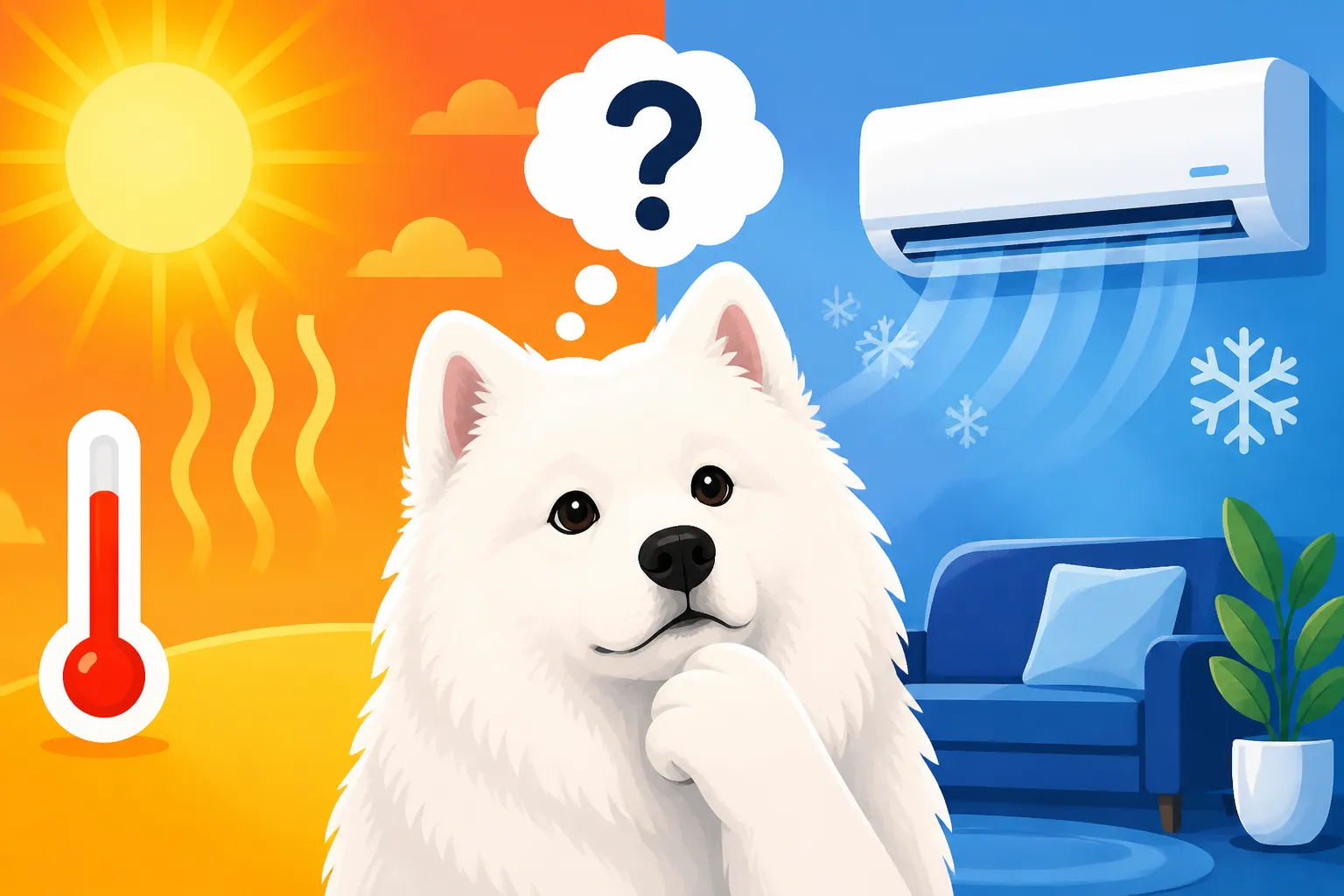
Whether a Samoyed Needs Air Conditioning
If you’ve ever found yourself marveling at your Samoyed's magnificent fluffy coat in the winter, only to dread the rising temperatures of summer, you are absolutely not alone. The very thing that makes these beautiful dogs so iconic – their thick, luxurious double coat – becomes a major point of concern when the mercury climbs. Many Samoyed owners grapple with the crucial question of how to keep their arctic breed comfortable, safe, and happy when the weather turns warm. This comprehensive guide will walk you through the undeniable need for cool environments, including air conditioning, for your Samoyed, and offer practical strategies to ensure their well-being all year long.
The Samoyed's Arctic Armor: Why Heat Is a Real Threat
It’s easy to look at a Samoyed and see a cloud of white fluff, but that cloud is a highly engineered marvel, specifically designed for extreme cold. These dogs trace their lineage back to the nomadic Nenets people of Siberia, who relied on them for herding reindeer, pulling sleds, and even keeping their families warm by sleeping inside their tents. The Nenets of the Yamal Peninsula Bred the Samoyed in an environment where temperatures could plummet to sixty degrees below zero. This heritage means their bodies are exquisitely adapted to cold, but those adaptations become liabilities in heat.
Built for the Boreal: A Look at Their Ancestral Home
Imagine the vast, frozen landscapes of the Yamal Peninsula, where the Samoyed’s ancestors thrived. This was a land of endless snow, biting winds, and short, cool summers. Their physiological makeup, from their powerful, compact bodies to their incredible fur, was all about survival in this harsh environment. They conserved energy, metabolized food efficiently to generate warmth, and had a coat that was simply unmatched for insulation. They weren't just living in the cold; they were made for it. Asking a creature built for constant winter to comfortably endure a humid summer day is like asking a desert cactus to thrive underwater – it goes against their very nature.
The Double-Edged Sword of That Glorious Coat
Your Samoyed's double coat is truly magnificent, but it's a complex system that many misunderstand. It consists of two distinct layers: a dense, woolly undercoat and longer, coarser guard hairs. The undercoat is incredibly soft and provides the bulk of the insulation by trapping a layer of air close to the skin. The guard hairs, on top, are water-resistant and protect the undercoat from dirt, snow, and UV rays. Why a Samoyed's Coat Insulates Against Heat as Well as Cold is because this trapped air acts as a buffer against both extreme cold and, to a lesser extent, heat. However, there's a critical tipping point. When the ambient temperature and humidity rise significantly, this insulating layer can begin to trap heat against the dog's body, rather than protecting it, leading to a rapid and dangerous increase in body temperature.
This is why you'll often hear experienced Samoyed owners emphatically state, "Never shave a Samoyed!" While it might seem intuitive to strip away all that fur to keep them cool, shaving actually destroys the natural insulation system, exposing their delicate skin to sunburn and hindering their ability to regulate temperature. The guard hairs may not grow back correctly, leading to coat damage and further problems. The proper approach to coat care involves regular, thorough brushing, especially during seasonal coat blows, to remove dead undercoat, allowing for better air circulation without compromising their natural defenses.
Recognizing the Red Flags: Signs Your Samoyed Is Overheating
It's absolutely vital to be hyper-aware of the subtle and not-so-subtle cues your Samoyed gives you when they're struggling with the heat. They are stoic dogs by nature, often hiding discomfort until it's quite advanced. You have to be their advocate and interpreter, because they can't just tell you they're too hot. Learning to read their body language is an essential part of being a Samoyed parent, especially when the weather is warm.
Subtle Shifts to Urgent Signals
The first sign you'll likely notice is increased panting. While panting is normal for dogs to cool down, pay close attention to its intensity and duration. If your Samoyed is panting heavily even after minimal exertion or indoors, it's a red flag. Their breathing might become rapid and shallow, almost frantic. Look for changes in their gums; healthy gums are usually a salmon pink, but overheating can make them dark red or even bluish, indicating poor oxygenation. Their pulse might be rapid and strong. You might also notice excessive drooling, sometimes thick and stringy. As they get hotter, they might become lethargic, unwilling to move, or seek out cool, tiled spots on the floor more intensely than usual. They might even try digging at the floor, attempting to create a cool hollow, a throwback to their ancestral behaviors.
When to Act Fast: Understanding the Severity of Heatstroke
These early signs are your warning. Ignoring them can quickly escalate into a life-threatening situation. Severe heatstroke can manifest with terrifying symptoms: staggering, disorientation, vomiting, diarrhea (which can sometimes be bloody), muscle tremors, and eventually collapse or seizures. Signs a Samoyed Is in Heat Distress are not something to wait and see about; they demand immediate action. If you see any of these advanced signs, every second counts. Get your Samoyed into the coolest environment you can find immediately – an air-conditioned car, a bathtub with cool (not icy) water, or even just a shaded area. Start cooling them gently with cool water, focusing on their paw pads, armpits, and groin where major blood vessels are close to the surface. Never douse them with ice water, as this can cause their blood vessels to constrict, hindering cooling and potentially causing shock. Offer small amounts of water if they can drink, and call your veterinarian immediately or head to the nearest emergency vet clinic. Don't assume they'll recover on their own; heatstroke can lead to organ damage and death very quickly. How a Samoyed Should Be Cooled Down is a critical skill for any Samoyed owner.
| Sign of Heat Stress | Severity | Action Required |
|---|---|---|
| Heavy/Rapid Panting | Mild-Moderate | Move to a cool area, offer water, cease activity, monitor closely. |
| Lethargy, Seeking Cool Spots | Mild-Moderate | Same as above, ensure access to fresh water and shaded/cool areas. |
| Excessive Drooling | Moderate | Get to AC or shade, cool with damp cloths, offer water, consider vet call. |
| Red/Dark Gums, Rapid Pulse | Moderate-Severe | Immediate vet contact, active cooling (cool water on paws/armpits). |
| Staggering, Disorientation | Severe | EMERGENCY VET immediately, active cooling, stay calm. |
| Vomiting, Diarrhea | Severe | EMERGENCY VET immediately, active cooling, monitor for shock. |
| Collapse, Seizures | Critical | IMMEDIATE EMERGENCY VET, focus on transport and professional cooling. |
Beyond the Thermostat: Everyday Strategies to Keep Your Sammy Cool
While air conditioning is a cornerstone of summer safety for Samoyeds, it's not the only tool in your arsenal. A holistic approach that integrates several cooling strategies will provide the best defense against overheating, ensuring your furry family member stays comfortable and healthy.
Smart Scheduling and Safe Exercise
One of the easiest and most effective ways to manage your Samoyed's exposure to heat is by adjusting their daily routine. Forget midday walks during summer. Instead, plan their exercise for the very early morning, just as the sun is rising, or late in the evening once the sun has set and the pavement has had a chance to cool down significantly. Remember, if it's too hot for your bare feet on the asphalt, it's too hot for your Samoyed's paw pads, which can easily burn. How Early a Samoyed Should Be Walked in Summer is crucial advice; sometimes, even 6 AM might be too late in peak summer. Consider indoor activities or short bursts of play in shaded, grassy areas. If you're venturing out, always have fresh water available in a portable bowl, readily available on sites like Chewy or Amazon.
Moreover, understand that your Samoyed's exercise needs shift dramatically in warmer weather. What might be a brisk walk in spring becomes an endurance challenge in summer. Reduce the duration and intensity of their walks and play sessions. A Samoyed that loves to run and play in the snow might become surprisingly sedate in the heat, and that's okay – it's their natural instinct to conserve energy and avoid overheating. Never push a Samoyed to exercise if they seem reluctant or are panting excessively.
Hydration is Key
Constant access to fresh, cool water is non-negotiable for a Samoyed. Water helps regulate their body temperature, and they'll drink more in warmer weather. Consider placing multiple water bowls around the house and yard. Adding a few ice cubes to their water bowl can make it more appealing and help keep it cool longer. For those really warm days, a sturdy kiddie pool filled with just a few inches of cool water can be a game-changer. Many Samoyeds adore splashing around, and it's a fantastic way for them to cool their bellies and paws. What a Kiddie Pool for a Samoyed Costs is often minimal compared to the relief it provides. Just make sure the water isn't too cold, and always supervise them.
Portable water bottles with built-in bowls are also essential for any outdoor excursions, even short ones. Think about products available on Chewy or Amazon that make it easy to carry and dispense water on the go. Dehydration can exacerbate heat stress, so being proactive about water intake is paramount.
Creating Cool Zones
Your home should have designated "cool zones" where your Samoyed can retreat. This might be a basement, a room with tile flooring, or even just a spot near a fan. Elevated dog beds, often found on Chewy, allow air to circulate beneath them, providing a cooler resting spot than a traditional cushion. Cooling mats, which contain gels that activate with pressure or simply absorb heat, can offer significant relief and are widely available. Whether a Cooling Mat Helps a Samoyed depends on the individual dog and the ambient temperature, but many Samoyeds appreciate them.
In your yard, ensure there's ample natural shade from trees or a shade sail. A shaded spot is far cooler than direct sun, even if the air temperature is the same. Avoid leaving your Samoyed unsupervised outdoors for extended periods on warm days, even in the shade, as temperatures can rise rapidly, and shade moves with the sun. Remember, The Temperature at Which a Samoyed Should Stay Indoors will vary by individual dog and humidity, but generally once it hits the mid-70s Fahrenheit, extra precautions are needed, and anything above 80F (27C) warrants indoor confinement with AC.
The Crucial Role of Air Conditioning for Your Samoyed
When it comes to keeping a Samoyed truly safe and comfortable in warmer climates, there’s no getting around it: air conditioning is often not just a convenience, but a critical necessity. While fans and cool water help, they simply can't compare to the consistent, controlled cooling that AC provides.
Is AC a Luxury or a Necessity?
For many Samoyed owners, particularly those living in regions with long, hot, or humid summers, air conditioning transcends being a luxury. It becomes an essential health and safety measure. Their deep double coats, while excellent insulators, struggle immensely to dissipate heat in environments where the air temperature is higher than their body temperature or where humidity prevents evaporative cooling (panting). Without air conditioning, Samoyeds in these conditions are at a significantly elevated risk of heatstroke, a potentially fatal condition. Owners often feel a pang when considering the added utility costs, but when faced with the alternative – a distressed or critically ill dog – the decision becomes clear. What Air Conditioning Adds to a Samoyed Household is an investment in their longevity and quality of life.
Consider the reality: a Samoyed might cope with a brief outing on a mild summer day, but prolonged exposure to heat, even indoors without AC, can be detrimental. Imagine wearing a heavy winter coat in July – that’s essentially what your Samoyed is experiencing. Their ability to self-regulate in such conditions is limited. Air conditioning provides a stable, cool environment that allows their body to function without constantly fighting to cool down, reducing stress on their cardiovascular system and preventing dangerous core temperature spikes.
Setting the Right Temperature
Finding the "right" temperature for your Samoyed often involves a balance between their needs and your comfort (and your electricity bill!). Generally, aiming for a consistent indoor temperature between 70-75°F (21-24°C) is a good starting point. Some Samoyeds might prefer it a little cooler, perhaps closer to 68°F (20°C), especially if they are very active or have an exceptionally dense coat. Monitor your dog's behavior; if they are still panting heavily or constantly seeking out the coldest spots, you might need to lower the thermostat a degree or two.
It's important to remember that humidity also plays a significant role. Even at a moderate temperature, high humidity can make it feel much hotter and hinder your Samoyed's ability to cool down through panting, as the air is already saturated with moisture. Many modern AC units also dehumidify, which is a huge bonus for your Samoyed's comfort. Prioritize their comfort, especially during the hottest parts of the day or peak summer months.
Managing AC When You're Away
Leaving your Samoyed at home while you're at work or running errands requires careful planning, especially regarding climate control. You absolutely cannot turn off the AC to save money during the day if the temperatures outside are high. Whether a Samoyed Can Be Left in a Car for Any Time is a resounding no, and similar caution applies to a hot house. A house can quickly become an oven, even if you left the windows open a crack.
Smart thermostats, which you can often control remotely via an app, are a fantastic investment. They allow you to monitor and adjust your home's temperature from anywhere, giving you peace of mind. You can program them to maintain a comfortable temperature throughout the day and even increase the cooling temporarily if an unexpected heatwave hits. If you don't have a smart thermostat, ensure your regular AC is set to a safe temperature before you leave.
In case of a power outage, which can happen unexpectedly during summer storms, having a contingency plan is critical. This could involve arranging for a friend or family member to check on your dog, or knowing the location of a dog-friendly emergency shelter or a boarding facility with reliable backup power. Some owners even invest in small portable generators for critical appliances like AC units if power outages are common in their area. For Samoyed owners who work full-time, Whether a Samoyed Suits a Full Time Worker often depends on having these robust cooling strategies in place and ensuring they get adequate attention and exercise during cooler parts of the day. Without proper temperature management, leaving a Samoyed alone for hours in heat is simply irresponsible and dangerous.
Disclaimer
This article is for general informational purposes only and does not constitute professional advice. Laws, prices and regulations vary by location and change over time. Consult a qualified professional for guidance on your specific situation.