Getting Weight Off a Samoyed
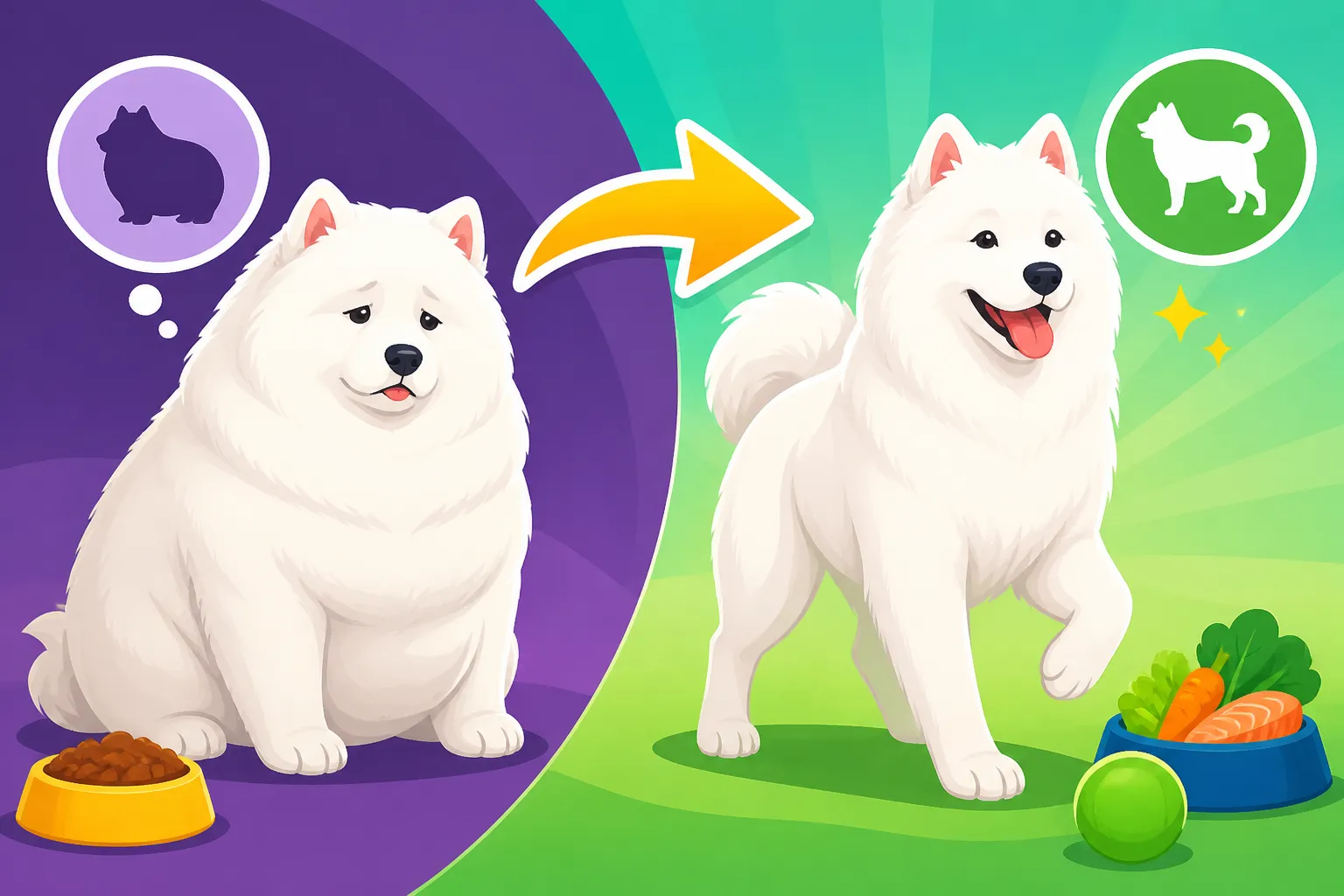
It's a familiar scenario for many Samoyed owners: you look at that magnificent, fluffy cloud of a dog, smiling back at you, and you just know you love every ounce of him. But deep down, there's a nagging feeling, a little whisper that perhaps those ounces have become too many ounces. Getting weight off a Samoyed can feel like a daunting task, especially with that glorious double coat hiding so much, making it hard to even tell what's going on under all that fluff. This guide is here to walk you through how to accurately assess your Samoyed's weight and, more importantly, how to implement a safe, effective, and sustainable plan to help your beloved companion achieve and maintain a healthier physique.
Why a Samoyed's Fluffy Coat Makes Weight Gain So Hard to Spot
One of the greatest joys of living with a Samoyed is their incredible coat – that thick, luxurious double layer of fur that makes them look like a walking cloud and keeps them toasty even in the coldest Siberian winds. But this very same beautiful coat can be a deceptive accomplice in weight gain, making it incredibly difficult for even the most attentive owner to spot those creeping pounds until they’ve really added up. You might be petting your Samoyed, feeling all that softness, and completely miss the subtle thickening underneath.
Imagine trying to gauge the size of a sheep under a freshly shorn fleece versus one ready for shearing; it's a bit like that with our Samoyeds. Their dense outer guard hairs and thick, woolly undercoat provide such an effective cushion that it masks the gradual expansion of their waistline. A slight paunch that would be obvious on a short-haired breed simply disappears into the cloud. We often rely on visual cues, but a Samoyed's inherent fluffiness means their "before and after" looks are far less dramatic than, say, a Labrador. This can lead to a delay in recognizing the problem, giving those extra pounds more time to settle in. Plus, their perpetually smiling faces are so endearing, it's easy to just attribute any change to their natural charm, rather than a health concern.
Accurately Assessing Your Samoyed's Body Condition
Since a quick glance isn't going to cut it, we need to get a little more hands-on and systematic in assessing our Samoyed's true body condition. This isn't about shaming or judging; it's about setting a baseline and understanding where your dog truly stands on the healthy spectrum. There are a few key methods you can use, often in combination, to get a clear picture.
The Rib Check: Your First Line of Defense
This is probably the most direct way to feel what’s going on under the fluff. With your Samoyed standing calmly, gently run the flats of your fingers along their sides, just behind their shoulder blades. You're trying to feel for their ribs. On a dog of ideal weight, you should be able to feel each individual rib bone without having to press hard, almost like feeling the knuckles on the back of your hand. You shouldn't see the ribs, but you should definitely be able to feel them easily.
If you have to really dig or press firmly to locate those ribs, or if you can't feel them at all because there's a thick layer of padding over them, then your Samoyed is likely carrying too much weight. Conversely, if you can easily see the ribs, or they feel sharp and prominent with no padding at all, your dog might be underweight. Most Samoyeds will fall into the "can't feel ribs easily" category if they're overweight. This simple check, performed regularly, is crucial because it cuts right through the visual deception of their coat. You can get a lot more detail on this in Feeling for Ribs Under a Samoyed's Coat.
The Waistline and Tummy Tuck Test
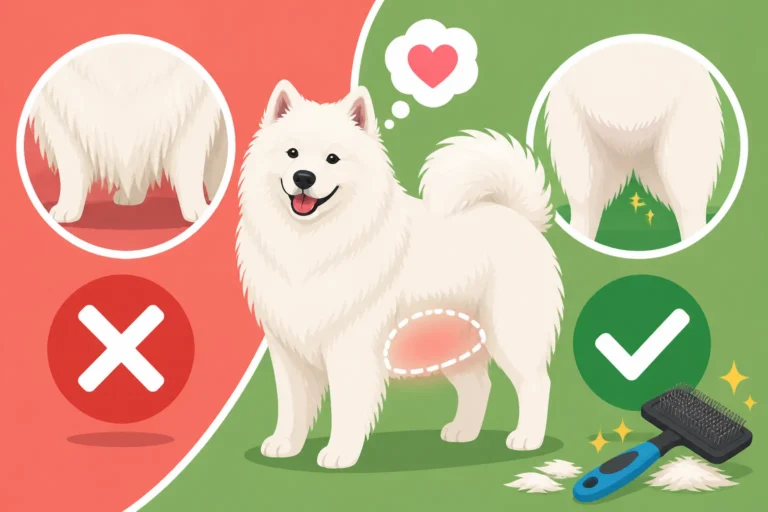
Once you've done the rib check, move your hands back towards their hips. Looking down from above, a healthy Samoyed should have a discernible waist, an indentation between their rib cage and their hips. It won't be as dramatic as in some sighthounds, but it should be there. If your Samoyed looks like a straight line from chest to tail, or even bulges out, that's another red flag.
Then, from the side, observe their belly. A healthy Samoyed should have an abdominal tuck, meaning their belly gently slopes upward from their chest to their hind legs, rather than hanging low or appearing distended. If their belly sags or creates a straight line parallel to the ground, they're likely carrying too much weight. It’s hard to see this through all the floof, but if you gently part the hair or get them wet (though who wants to do that if they don't have to!), it might be more apparent. These are some of the key Signs a Samoyed Is Overweight that often go unnoticed.
Body Condition Scoring (BCS)
Veterinarians often use a Body Condition Score (BCS) chart, typically on a scale of 1 to 9 (with 1 being emaciated and 9 being obese, and 5 being ideal), to objectively assess a dog's weight. Learning to use a BCS chart at home can be incredibly helpful for a Samoyed owner. It combines the visual and palpation tests into a standardized system.
Here's a simplified version of what you'd look for:
| BCS Score | Ribs | Waistline & Tummy Tuck | Overall Appearance |
|---|---|---|---|
| 1-3 (Thin) | Ribs, spine, pelvic bones easily visible & felt | Extreme abdominal tuck, severe waist indentation | Very lean, minimal muscle mass |
| 4 (Underweight) | Ribs easily felt, slight visible | Obvious abdominal tuck, visible waist | Lean, slightly gaunt |
| 5 (Ideal) | Ribs easily felt, not visible | Well-proportioned abdominal tuck, discernible waist | Sleek, muscular, balanced |
| 6 (Overweight) | Ribs felt with slight difficulty, not visible | Slight abdominal tuck, waist just barely discernible | Slightly rounded, heavier frame |
| 7-9 (Obese) | Ribs difficult/impossible to feel, heavy fat cover | No abdominal tuck, no waist, belly often distended | Very rounded, heavy fat deposits over spine and tail base |
For a Samoyed, aiming for a 5 on this scale is your goal. It means they're not just looking healthy, but their body is functioning optimally. If your dog falls into the 6 or higher category, it's definitely time to start making some changes, and a conversation with your vet is a great first step.
Crafting a Safe and Effective Weight Loss Plan
Once you've determined your Samoyed is carrying extra weight, the next step is to formulate a plan. This isn't a race; slow and steady wins the race for canine weight loss, just as it does for humans. Rapid weight loss can be unhealthy and difficult to sustain. The two main pillars of any successful weight loss plan are diet modification and increased physical activity.
Dietary Adjustments: The Foundation of Weight Loss
This is where the biggest impact will be made. You simply cannot out-exercise a poor diet, especially with a breed that can be notoriously clever about convincing you they're starving.
Calorie Reduction and Portion Control
The first thing you need to do is figure out how many calories your Samoyed is currently eating, and then reduce that amount. A good starting point is often reducing their current intake by 10-20%. However, it’s always best to consult your veterinarian to get a precise recommendation based on your dog's current weight, target weight, age, and activity level. They can help calculate a healthy daily caloric intake.
Once you have that number, stick to it. This means:
- Accurate Measuring: Ditch the guesswork. Invest in a proper kitchen scale to weigh kibble portions, or at the very least, use a standardized measuring cup (not your coffee mug!). Even small inaccuracies daily add up over time. You can find reliable scales and measuring cups on sites like Amazon.
- Specialized Diets: Many premium dog food brands offer "weight management" or "light" formulas. These foods are typically lower in calories, fat, and higher in fiber to help your dog feel full without overeating. Your vet might recommend a prescription diet for more significant weight loss. When exploring options, check out reputable online retailers like Chewy, which often have a wide selection and detailed ingredient lists to help you compare.
- Fresh Food Options: For some owners, fresh food delivery services like Ollie can offer portion-controlled, nutritionally balanced meals that can be easier to manage for weight loss, as the calories are often precisely calculated per serving.
- Treats Are Calories Too: This is a big one. Those little training treats, dental chews, and "just because" snacks all count. During weight loss, treats should either be eliminated or dramatically reduced and chosen wisely. Opt for low-calorie options like small pieces of carrot, green beans, or plain air-popped popcorn. Remember to factor any treats into their daily caloric allowance, not just as extra.
Feeding Frequency
Consider breaking your Samoyed's meals into two smaller portions rather than one large one. This can help keep them feeling fuller throughout the day and regulate their metabolism. For more on Whether a Samoyed Needs a Consistent Feeding Schedule, this structured approach can be very beneficial. This also ties into Whether Fixed Feeding Times Protect a Samoyed From Diabetes, which is an important consideration.
Increasing Physical Activity: Moving More, Feeling Better
Exercise not only burns calories but also builds muscle, which boosts metabolism. For a Samoyed, increasing activity needs to be done thoughtfully, especially if they are already overweight, as extra weight puts more strain on their joints.
Gradual Progression
Don't go from zero to a marathon overnight. Start slowly and gradually increase the duration and intensity of their walks and play sessions. If your Samoyed is very overweight, even short, slow walks around the block a couple of times a day can be a good starting point. As their stamina improves, you can lengthen the walks or introduce gentle inclines.
Activities Samoyeds Enjoy
Samoyeds are intelligent and energetic dogs, and while their plush coats mean care must be taken in warm weather, they generally love to move.
- Longer Walks: This is the most straightforward. Aim for consistent, brisk walks. Remember, pavement can get hot, so adjust walk times during warmer months.
- Playtime: Fetch, tug-of-war, or even just running around in a securely fenced yard can be great exercise.
- Enrichment Toys: Puzzle toys that dispense kibble can make mealtime last longer and provide mental stimulation.
- Swimming: If your Samoyed enjoys water, swimming is an excellent low-impact exercise that's gentle on joints.
- Hiking: Once their fitness improves, hitting the trails can be a wonderful adventure for both of you. For more insights on general activity, see How Much Exercise a Samoyed Needs.
Weather Considerations
Never forget your Samoyed's double coat. Overheating is a serious risk. Always exercise in the cooler parts of the day (early morning, late evening) during warmer seasons. Provide plenty of fresh water and never push them too hard. Look for Signs a Samoyed Is in Heat Distress.
Partnering with Your Veterinarian
This is perhaps the most critical step. Before making any significant changes to your Samoyed's diet or exercise routine, consult your vet. They can:
- Rule Out Medical Issues: Sometimes, unexplained weight gain isn't just about food; it can be a symptom of underlying health conditions like hypothyroidism or other metabolic issues. Your vet can perform tests to rule these out.
- Calculate Ideal Weight and Calorie Needs: As mentioned, your vet can provide the most accurate assessment of your Samoyed's ideal weight and the specific caloric intake needed to achieve healthy weight loss.
- Monitor Progress: Schedule regular check-ups to monitor your Samoyed's weight and adjust the plan as needed. They can offer guidance and encouragement, which is invaluable.
- Discuss Supplements: For an older or arthritic Samoyed, joint supplements might be recommended to support their comfort during increased activity. More information on managing an older dog can be found in Caring for a Samoyed Past Nine and What an Arthritic Samoyed Should Sleep On.
Maintaining a Healthy Weight Long-Term
Getting the weight off is a fantastic achievement, but maintaining it is the true test. This requires ongoing vigilance, consistency, and a commitment to your Samoyed's health for the rest of their The Twelve to Fourteen Years a Samoyed Lives.
Consistency is Key
Weight management isn't a temporary fix; it's a lifestyle. Continue to measure food portions accurately, choose appropriate treats (or eliminate them), and ensure your Samoyed gets regular, appropriate exercise. Just like for us, slipping back into old habits can quickly lead to regaining the lost pounds.
Regular Weigh-Ins and Body Condition Checks
Make it a habit to check your Samoyed's weight regularly, perhaps once a month at home if you have a large enough scale, or during routine vet visits. More importantly, continue to do the rib check and BCS assessment. These hands-on checks are your best defense against the "fluff factor" and will alert you to any subtle changes before they become a major problem. Whether a Samoyed's Weight Should Be Logged Monthly is a great way to stay on track.
Adapting to Life Changes
As your Samoyed ages, their metabolism will naturally slow down, and their activity levels might decrease. This means their caloric needs will change over time. An older Samoyed might need fewer calories to maintain their weight, even if they're still eating a "senior" formula. Stay in close communication with your vet to adjust their diet and exercise as they move through different life stages. For instance, The Age a Samoyed Counts as a Senior is a critical point to re-evaluate their care.
Understanding the Risks of Excess Weight
Keeping your Samoyed at a healthy weight significantly reduces their risk of developing a host of serious health problems. Overweight dogs are more prone to:
- Diabetes: Whether an Overweight Samoyed Is More Likely to Get Diabetes is a very real concern for Samoyeds and many other breeds.
- Joint Problems: Extra weight puts immense strain on hips, elbows, and other joints, exacerbating conditions like arthritis or hip dysplasia.
- Heart and Respiratory Disease: Carrying excess fat can strain the cardiovascular and respiratory systems.
- Certain Cancers: Some studies suggest a link between obesity and an increased risk of specific types of cancer.
- Reduced Quality of Life: Overweight dogs often have less energy, are less eager to play, and simply don't enjoy life to its fullest.
Ultimately, helping your Samoyed achieve and maintain a healthy weight is one of the most loving and impactful things you can do for them. It might take patience, persistence, and a bit of detective work under that gorgeous coat, but the reward of a healthy, happy, and active companion for many years to come is absolutely priceless.
Disclaimer
This article is for general informational purposes only and does not constitute professional advice. Laws, prices and regulations vary by location and change over time. Consult a qualified professional for guidance on your specific situation.