Why a Samoyed’s Coat Stays Clean on Its Own
It's a common sight for Samoyed owners: your majestic, fluffy companion rolls in something absolutely questionable, only to emerge from their next romp looking pristine, as if no mud puddle or mysterious yard mess ever dared touch them. This almost magical ability of their coats to shed dirt and stay remarkably clean on their own often puzzles new owners and even seasoned dog enthusiasts, but it's a testament to centuries of natural selection and a truly incredible design. This guide will delve into the secrets behind the Samoyed's self-cleaning coat, explaining the unique structure that keeps them looking glorious with minimal fuss, and how you can support this natural function.
The Marvel of the Samoyed Double Coat
The Samoyed's coat isn't just beautiful; it's a highly evolved piece of natural engineering, meticulously crafted by millennia of life in the unforgiving Arctic. It's designed to protect them from extreme cold, biting winds, and, yes, to remain remarkably clean and functional with little intervention. Understanding its unique two-layer structure is key to appreciating its self-cleaning properties.
The Guard Hairs: Nature's Dirt Repellent
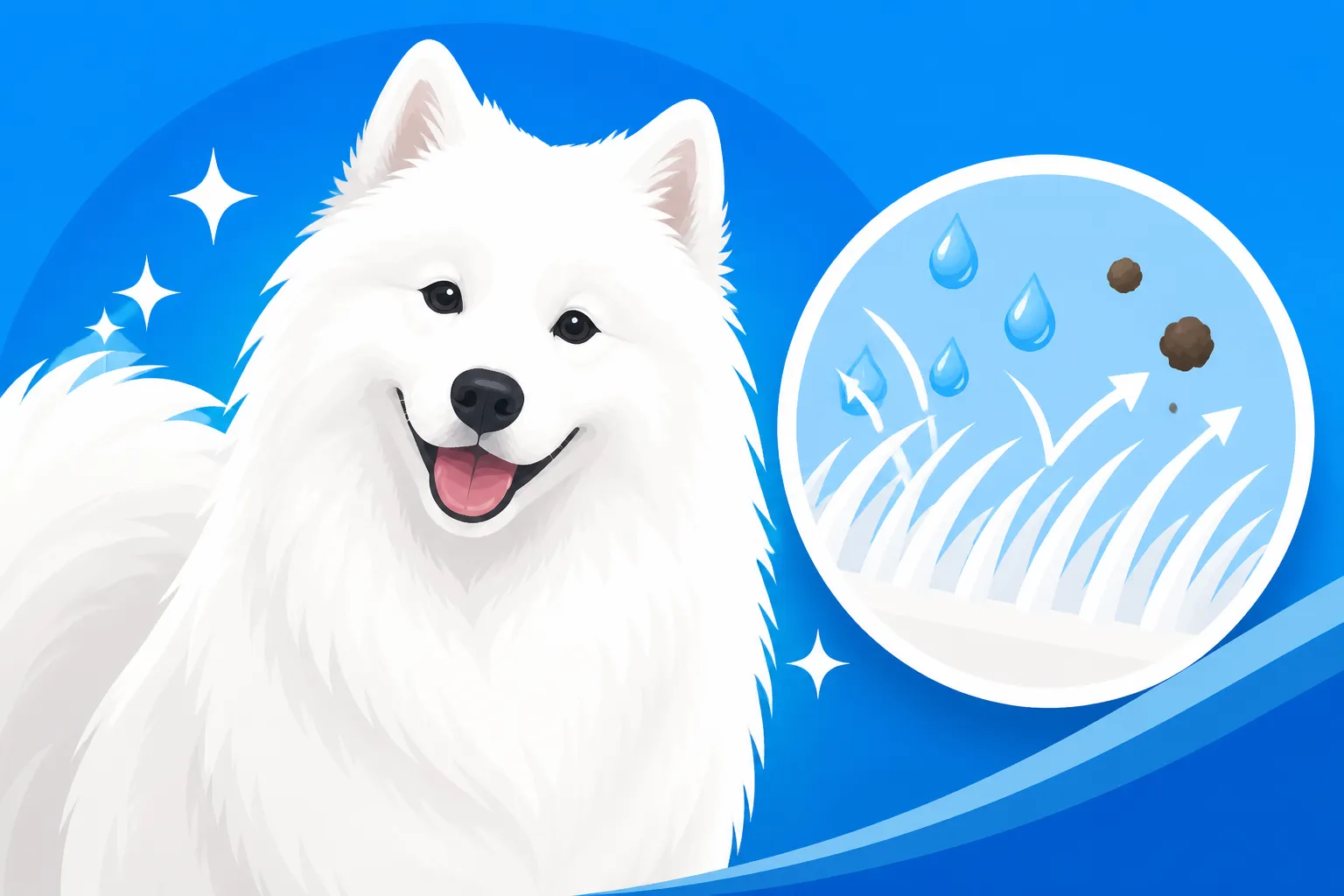
The outer layer of a Samoyed's coat consists of coarse, stiff guard hairs. These aren't just for show; they are the first line of defense against the elements and, crucially, against dirt. These hairs are straight, somewhat brittle, and have a unique texture that prevents dirt, dust, and even sticky substances from adhering to them. Imagine trying to get mud to stick to a smooth, slippery surface – that's essentially how the guard hairs work. They create a protective barrier that allows foreign particles to simply fall away. What a Samoyed's Double Coat Is Made Of delves deeper into the different hair types.
When your Samoyed charges through a muddy field, the mud might get tangled in the outer tips of these guard hairs, but once it dries, a quick shake or a roll on the grass is often all it takes for the vast majority of the dirt to flake right off. This is a direct evolutionary advantage; an animal living in harsh environments can't afford to be weighed down by heavy, wet, dirty fur that would compromise its insulation and mobility. The guard hairs are not absorbent, meaning moisture doesn't soak into them easily, further aiding in the shedding of dirt.
The Undercoat: A Barrier Against the Elements
Beneath the protective guard hairs lies the Samoyed's dense, woolly undercoat. This soft, downy layer is what provides their incredible insulation, keeping them warm in freezing temperatures and, surprisingly, cool in moderate heat by trapping a layer of air. But it also plays a role in the coat's overall cleanliness, albeit indirectly. The undercoat is so thick and tightly packed that it prevents dirt from reaching the skin, which is often where skin irritations and odors can begin.
While the guard hairs are the primary dirt repellents, the undercoat acts as a secondary filter. Any fine dust or particles that manage to get past the guard hairs will often become trapped within the undercoat, where they are then worked out through the natural shedding process or with regular brushing. This symbiotic relationship between the two layers means that even though the undercoat itself can hold onto finer particles, it rarely allows them to build up to a problematic degree, especially if the coat is well-maintained and free of mats. A Samoyed's Coat Is Insulation, Not Decoration further explains the overall functionality.
How the Coat Actively Repels Dirt and Moisture
It's not just a passive resistance; the Samoyed's coat has active mechanisms that keep it surprisingly pristine. These dogs were bred for functionality in extreme conditions, and part of that functionality included a coat that could manage itself.
Shedding Dirt and Debris
The very structure and growth cycle of a Samoyed's coat contribute to its self-cleaning nature. The guard hairs are constantly growing and shedding, which means that any dirt or debris that does manage to cling to them is naturally carried away as the hair falls out. This is particularly noticeable during a "coat blow," when large amounts of undercoat are shed. When a Samoyed Blows Its Coat is a good resource for understanding this intense shedding period. During this time, the entire coat effectively gets a refresh, with old, dirty, or matted fur being replaced by new, clean growth.
Think of it like a self-renewing carpet that continuously pushes old fibers and embedded dirt to the surface. When a Samoyed shakes, rolls, or even just moves, the stiffness of the guard hairs and the action of the dense undercoat create friction that helps dislodge embedded particles. This is why you often see them emerge from a dusty walk looking no worse for wear after a vigorous shake. The dirt literally just falls off, leaving behind the clean white coat. How a Samoyed's Coat Sheds Dirt on Its Own describes this phenomenon perfectly.
Water-Resistant Properties
Perhaps one of the most astonishing features of the Samoyed coat is its inherent water resistance. The guard hairs are coated with natural oils that repel water, much like a duck's feathers. This means that rain, snow, and even shallow muddy puddles tend to bead up and roll off the coat rather than soaking in. You'll often see your Samoyed come in from a rainy walk and shake off, sending a shower of water droplets flying, but their skin beneath will be surprisingly dry.
This water repellency is vital for their survival in cold climates. A wet coat loses its insulating properties, putting the dog at risk of hypothermia. Because their coat doesn't absorb water readily, dirt and mud also have less opportunity to bind to the individual hairs and penetrate deep into the undercoat. Instead, the water acts as a carrier, picking up loose dirt on the surface and sliding off, taking the grime with it. It’s truly amazing how Why Mud Falls Off a Dry Samoyed after they've been playing outside.
Understanding the "Samoyed Smell" Myth
Many Samoyed owners proudly declare that their dogs don't have that typical "doggy odor." While this isn't entirely a myth, it's also not an absolute truth. There's a scientific reason why they tend to be less smelly than many other breeds, and also why that signature wet dog smell can still creep in.
Why a Samoyed Barely Smells At All
The primary reason Samoyeds generally have very little "doggy odor" is directly linked to their coat structure and those water-repellent guard hairs. Unlike many breeds with softer, more absorbent coats, the Samoyed's coat doesn't easily trap moisture or sebum (skin oils) against the skin. These are the main culprits for bacterial growth and the development of unpleasant odors. The thick, dry undercoat also creates a barrier, limiting contact between the skin and external elements that might contribute to smell. Why a Samoyed Barely Smells at All is a concept many owners appreciate.
Additionally, their nomadic lifestyle for centuries meant they weren't regularly bathed. Natural selection favored dogs whose coats could stay clean and odor-free, minimizing the risk of attracting predators or compromising their scent when hunting. A healthy Samoyed, fed a good diet and regularly brushed, should indeed have a remarkably neutral scent, making them a joy to have indoors without the pervasive "dog smell" that some breeds carry.
What a Wet Samoyed Smells Like
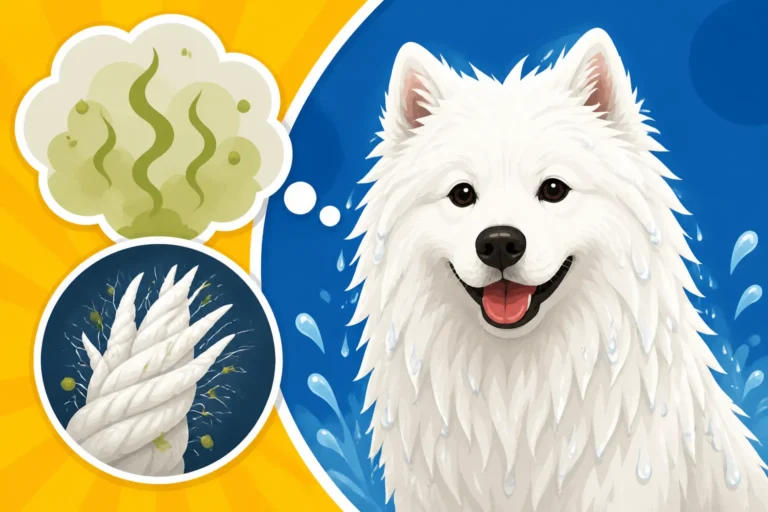
Ah, the "wet dog smell." While Samoyeds are generally low-odor when dry, a freshly soaked Samoyed can definitely bring on that familiar aroma. This happens because the natural oils and microorganisms on a dog's skin and coat, which are usually dormant or undetectable when dry, become activated and airborne when wet. The water allows the bacteria and yeast to release volatile organic compounds that our noses pick up as that distinct wet dog smell.
Even with their water-repellent outer coat, if a Samoyed gets thoroughly drenched – like after a swim or a very heavy downpour – the water can eventually penetrate to the skin, activating those microorganisms. However, because their coat dries relatively quickly, and those guard hairs do such a good job of repelling most moisture, the wet dog smell tends to dissipate faster than with many other breeds. So, while you might get a whiff after a bath or a deep dive in the lake, it's usually a transient experience. What a Wet Samoyed Smells Like is a topic most Samoyed owners can relate to after an unexpected sprinkler incident.
Maintaining the Self-Cleaning Power
While a Samoyed's coat is impressively self-sufficient, it's not entirely maintenance-free. To ensure its natural self-cleaning properties remain at their best, owners need to provide consistent care. Neglecting grooming can quickly lead to matting, which compromises the coat's ability to shed dirt and regulate temperature.
Brushing: The Key to Coat Health
Regular brushing is paramount for a Samoyed's coat health and its ability to stay clean. Think of brushing as assisting the natural shedding process and preventing the undercoat from becoming impacted and matted. When the undercoat mats, it traps dirt, moisture, and debris, rendering the self-cleaning mechanism ineffective. Matted fur also creates hot spots for skin infections and can be incredibly uncomfortable for your dog.
Aim for brushing sessions several times a week, or even daily during heavy shedding periods (coat blows). You'll need specialized tools like a slicker brush and a good undercoat rake to get deep into the fur without irritating the skin. Brands like Chewy and Amazon offer a wide array of high-quality grooming tools that are essential for any Samoyed owner. Consistent brushing removes loose undercoat, prevents tangles, and allows the guard hairs to lie correctly, maintaining their dirt-repelling effectiveness. How Often a Samoyed Needs Brushing really can't be overstated.
Avoiding Over-Bathing
It might seem counterintuitive, but over-bathing a Samoyed can actually reduce its coat's natural ability to stay clean. Frequent bathing, especially with harsh shampoos, can strip the natural oils from the guard hairs that provide their water and dirt repellency. Once these oils are diminished, the coat becomes more porous, more prone to soaking up moisture, and therefore, more likely to hold onto dirt and develop odors.
Most Samoyeds only need a full bath a few times a year, or when they've truly rolled in something unspeakable that the coat can't shed on its own. Focus on using a gentle, pH-balanced dog shampoo designed for double coats. When you do bathe them, ensure you rinse thoroughly to prevent any residue from accumulating, and then dry them completely, right down to the skin, with a high-velocity dryer. This ensures the undercoat is fully dry and fluffy, preventing mildew and matting. How Often a Samoyed Should Be Bathed highlights that less is often more.
Addressing Persistent Stains and Discoloration
While the Samoyed's coat is excellent at shedding general dirt, certain types of stains and discoloration can persist, particularly around the mouth, feet, and if the dog spends a lot of time outdoors or has certain health issues. This is where targeted spot cleaning and careful management come into play.
Common Stains and Their Causes
Despite their brilliant white appearance, Samoyeds are not immune to staining. The most common areas for discoloration are:
- Around the mouth/beard: This often comes from food, especially if it contains colorants or dyes, or from drinking water that isn't entirely clean. Saliva can also cause a yellowish tinge over time.
- Paws and legs: Mud, urine splash-back, or even certain types of grass can stain the white fur on their lower legs and feet. Dogs that lick their paws frequently due to allergies or boredom might also develop reddish-brown staining from their saliva.
- Underbelly/chest: If a Samoyed lies in damp, dirty areas, or if a male dog has urine dribble, the fur on their underside can become discolored.
- General yellowing: Over time, and with exposure to sun, some Samoyed coats can develop a slight creamy or yellowish cast. This is often natural and not necessarily a sign of a dirty coat.
Understanding the source of the stain is the first step to addressing it effectively. Sometimes, it's not a dirt issue but a physiological one, like tear or saliva staining.
Spot Cleaning for a Pristine Look
For those persistent marks that the coat can't shed on its own, spot cleaning is your best friend. Instead of a full bath, which, as we discussed, should be avoided too frequently, target the specific stained areas.
Here's how you can approach it:
- Water and Cornstarch: For mild, recent stains, sometimes a damp cloth with a tiny bit of cornstarch can work wonders. Apply the damp cloth to the stain, then dust lightly with cornstarch. Let it dry, then brush it out. The cornstarch absorbs oils and moisture, helping lift the dirt.
- Gentle Dog Wipes: Keep a supply of pet-safe grooming wipes on hand. These are excellent for cleaning muddy paws after a walk or wiping food residue from their beard. Look for unscented varieties to avoid skin irritation.
- Specialized Shampoos ( sparingly): For very stubborn stains, you might consider a whitening shampoo designed for dogs. However, use these sparingly and only on the stained area, as they can sometimes be harsh on the coat if used too often. Always dilute as per instructions. You can find a good selection of these on platforms like Chewy or Amazon. Which Shampoo Keeps a Samoyed White can be a helpful guide here. Remember, Whether a Whitening Shampoo Damages a Samoyed's Coat is a valid concern, so choose wisely and use with caution.
- Drying is Crucial: After any spot cleaning, ensure the area is thoroughly dried. Damp fur, even a small patch, can become a breeding ground for yeast and bacteria, leading to more odors and skin issues.
- Addressing Underlying Causes: If staining is chronic, particularly around the mouth or paws, consult your vet. Excessive licking could indicate allergies or discomfort, and addressing the root cause will be more effective than endless cleaning. For food-related stains, consider changing your dog's bowl type (e.g., stainless steel over plastic) or their feeding habits.
By understanding and working with your Samoyed's incredible natural coat, you can keep them looking their radiant best with effective, targeted care that respects their unique biology.
Disclaimer
This article is for general informational purposes only and does not constitute professional advice. Laws, prices and regulations vary by location and change over time. Consult a qualified professional for guidance on your specific situation.