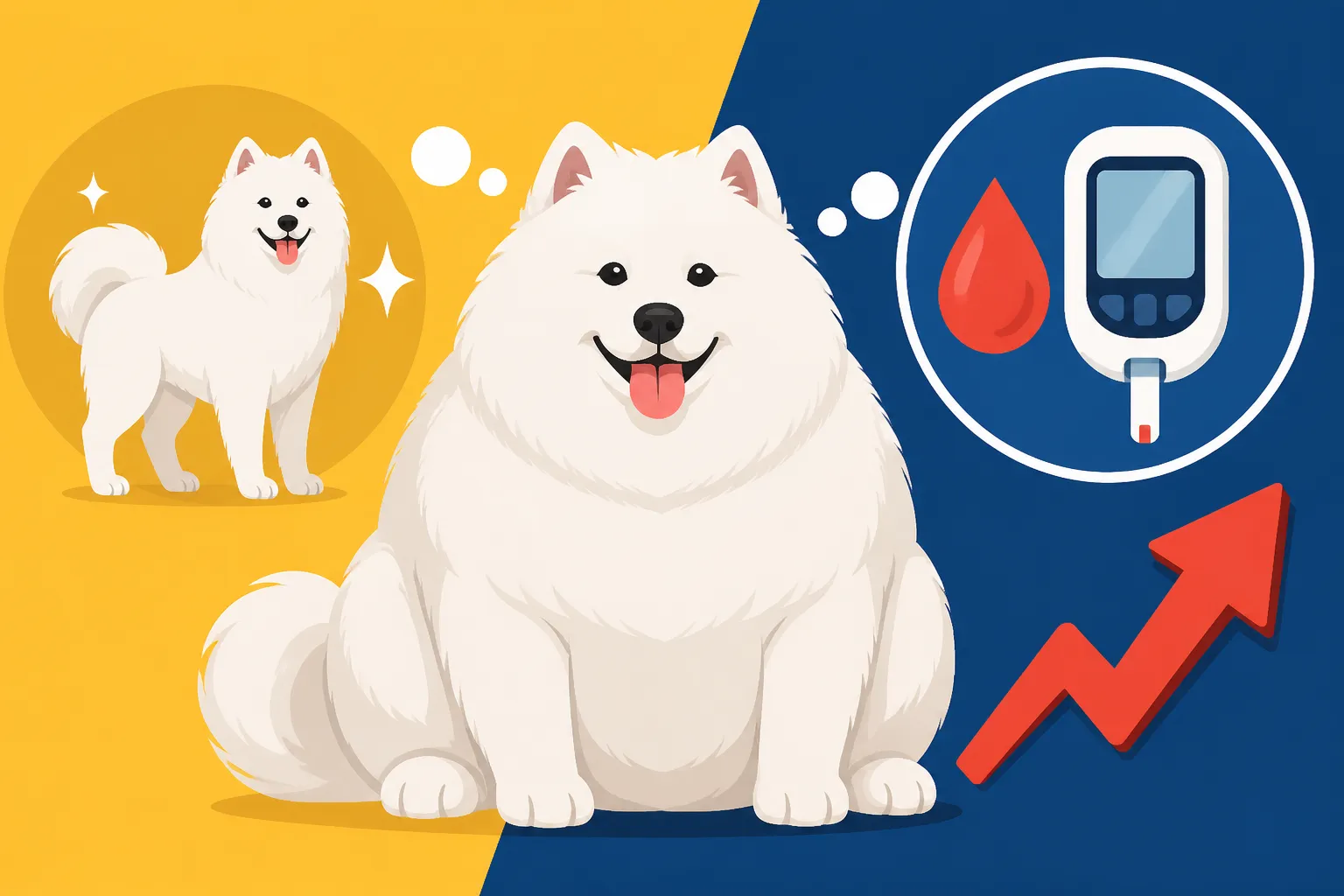
Whether an Overweight Samoyed Is More Likely to Get Diabetes
It’s a heartbreaking reality that many of us Samoyed owners face: our beautiful, fluffy companions can be masters of disguise when it comes to packing on a few extra pounds. That thick, glorious double coat, while stunning, can easily hide subtle weight gain until it becomes a significant health concern. This guide will delve into the critical link between an overweight Samoyed and the increased risk of developing diabetes, offering actionable insights to keep your furry friend healthy and happy for years to come.
The Connection Between Weight and Diabetes in Dogs
The question of whether an overweight Samoyed is more likely to get diabetes is unfortunately a resounding "yes." While Samoyeds aren't inherently more prone to diabetes than, say, a Poodle or a Miniature Schnauzer, excess weight significantly tips the scales towards this serious metabolic disease for any dog, including our northern beauties.
Understanding Canine Diabetes Mellitus
Canine diabetes mellitus, often simply called diabetes, is a complex condition where a dog's body either doesn't produce enough insulin, or it doesn't effectively use the insulin it produces. Insulin is a hormone vital for regulating blood sugar (glucose) levels. Glucose is the primary source of energy for the body's cells, but it needs insulin to get inside those cells. Without proper insulin function, glucose builds up in the bloodstream, leading to high blood sugar levels (hyperglycemia). This can cause a cascade of health problems, affecting everything from energy levels and vision to kidney function and overall longevity. Diabetes in a Middle Aged Samoyed is a difficult diagnosis, but understanding its causes is the first step toward prevention.
How Excess Weight Contributes to Insulin Resistance
Think of it like this: when a dog carries extra weight, particularly excess fat, those fat cells aren't just inert storage. They're biologically active, releasing various hormones and inflammatory substances. This cellular chatter can interfere with the body's ability to respond normally to insulin. This phenomenon is called insulin resistance. Essentially, the pancreas might be working overtime, producing more and more insulin, but the body's cells are just shrugging it off. It’s like having a key that no longer fits the lock as well as it used to.
Over time, this constant demand can exhaust the pancreas, leading to a decrease in insulin production. This double whammy—insulin resistance and insufficient insulin production—is a direct pathway to full-blown diabetes. The body's cells starve for energy despite being bathed in sugar, and the high blood sugar wreaks havoc on various organs. It's a cruel irony that too much food can lead to cellular starvation.
Why Samoyeds Might Be Susceptible
While the genetic predisposition for diabetes isn't as pronounced in Samoyeds as it might be in some other breeds like Cairn Terriers or Beagles, their unique characteristics can inadvertently contribute to weight gain, and thus, a higher risk of diabetes. Their dense, fluffy coats are fantastic for keeping them warm in sub-zero temperatures, but they also act as a phenomenal disguise for a thickening waistline. It's incredibly easy for an owner to miss those extra pounds creeping on until they've accumulated significantly.
Furthermore, Samoyeds are often highly food-motivated. They love their meals, and they're masters at charming their way into extra treats. Combine this enthusiasm for food with an owner who might not recognize the subtle signs of weight gain beneath all that fluff, and you have a recipe for an overweight dog. It's not that Samoyeds are "prone" to diabetes in the traditional genetic sense for their breed, but rather that their traits can mask the primary risk factor: obesity.
Recognizing an Overweight Samoyed
This is perhaps one of the trickiest parts of owning a Samoyed. Their glorious double coat is designed to be voluminous and insulating, which means visual cues for weight gain are often completely hidden. You can't just glance at your Samoyed and easily tell if they've put on a few pounds like you might with a short-haired breed.
The "Fluff Factor" Hiding the Truth
Many Samoyed owners have experienced that moment of shock at the vet: "Your dog needs to lose five pounds!" We look at our seemingly perfectly proportioned fluff ball and wonder how on earth the vet can tell. It's all thanks to the sheer volume of their coat. That majestic ruff, the dense undercoat, and the flowing guard hairs create an optical illusion. What looks like a healthy, robust dog can actually be one carrying a surprising amount of extra padding underneath.
This isn't a flaw in our perception; it's simply a testament to the effectiveness of their natural insulation. It also means we, as responsible owners, need to adopt more hands-on and proactive methods to monitor their weight, rather than relying solely on visual inspection. What seems like a perfectly rounded rib cage can actually be a layer of fat on top of the ribs themselves.
Hands-On Assessment: Ribs, Waistline, and Tummy Tuck
To truly know if your Samoyed is at an ideal weight, you need to get your hands on them regularly. This involves performing a body condition score (BCS) assessment. It's not about the number on the scale as much as it is about what you feel and see when you're up close and personal.
How to Perform a Hands-On BCS Assessment:
- Ribs: Gently run your hands along your Samoyed's sides. You should be able to easily feel their ribs, almost like feeling the knuckles on the back of your hand. You shouldn't see them prominently, but you should definitely feel them without having to press hard. If you have to dig your fingers in to locate the ribs, your Samoyed is likely overweight. Conversely, if the ribs are clearly visible without pressing, they might be underweight. Feeling for Ribs Under a Samoyed's Coat is a skill every Samoyed owner needs to master.
- Waistline: Stand above your Samoyed and look down at their back. You should see a discernible waistline, an inward curve, just behind their ribs. If your Samoyed looks like a straight, fluffy cylinder from shoulders to hips, they are likely overweight.
- Abdominal Tuck: When your Samoyed is standing, look at them from the side. Their abdomen should tuck up slightly from their rib cage to their hind legs, not hang low or be level with their chest. A sagging belly or a lack of an abdominal tuck indicates excess fat.
Here's a simplified table to guide your hands-on assessment:
| Body Condition | Ribs | Waistline (Top View) | Abdominal Tuck (Side View) |
|---|---|---|---|
| Ideal | Easily felt without pressing, not visible. | Clearly visible, distinct curve. | Clearly tucked up. |
| Overweight | Difficult to feel, requires firm pressure. | Straight or bulging, no distinct curve. | Minimal tuck, often hangs low. |
| Obese | Cannot feel at all, even with firm pressure. | Broadens significantly, no curve. | Sagging, distended, no tuck at all. |
Behavioral Clues of Weight Gain
Beyond the tactile assessment, your Samoyed's behavior can also give you clues that they're carrying too much weight. One of the first things you might notice is a decrease in their overall energy levels. A dog that used to bound through the snow might now lag behind on walks. They might be less enthusiastic about playing fetch or engaging in their usual antics.
You might also observe more pronounced panting, especially after minimal exertion, or even when resting in cooler temperatures. Their breathing might seem heavier. Getting up and down might become more labored, and they might show less inclination to jump onto furniture or into the car. If you notice your usually active Samoyed becoming a couch potato or struggling with activities they once enjoyed, it's a strong indicator that their weight might be impacting their comfort and health. These subtle shifts can easily be mistaken for "just getting older," but often, excess weight is a significant contributing factor.
Preventing Weight Gain in Your Samoyed
Preventing weight gain is always easier than managing weight loss, and it's a crucial step in preventing diabetes. It requires a combination of thoughtful feeding, consistent exercise, and smart treat choices.
Portion Control and Appropriate Diet
This is where the rubber meets the road. Many owners eyeball their dog's food portions, or simply fill the bowl. For a Samoyed, given their deceptive fluff, this is a recipe for disaster. Investing in a measuring cup and sticking to precise amounts is paramount. The feeding guidelines on dog food bags are just that: guidelines. Your Samoyed's individual metabolism, activity level, and age will dictate their actual needs. Start with the recommended amount for their ideal weight, not their current weight, and adjust as needed.
Choosing the right food is also important. Look for high-quality kibble with a good balance of protein, fat, and carbohydrates. Avoid foods with excessive fillers or unhealthy additives. Some brands, like Ollie, offer fresh, human-grade food delivered right to your door, which can be great for ensuring precise nutrition and portioning, especially if your Samoyed has sensitive digestion. For those who prefer kibble, platforms like Chewy and Amazon offer an extensive selection of reputable brands, often with detailed nutritional information to help you make informed choices. Remember, How Much Food a Samoyed Eats Monthly can vary based on the specific food's caloric density, so always check the bag.
The Role of Regular Exercise
Samoyeds are active dogs, bred for working in harsh conditions. They need regular, consistent exercise to burn calories, maintain muscle mass, and keep their metabolism humming. A brisk walk around the block once a day simply isn't enough for most Samoyeds. They thrive on activity that engages both their bodies and minds.
Think about activities like longer hikes, vigorous games of fetch in a securely fenced yard, or even introducing them to dog sports like canicross or even recreational sledding (in appropriate weather, of course). Even a spirited game of tug-of-war or hide-and-seek with treats can provide valuable mental and physical stimulation. Consistency is key; aim for at least 60-90 minutes of moderate to vigorous exercise daily, broken into multiple sessions. How Much Exercise a Samoyed Needs is more than just a walk, it's a lifestyle. Their ancestors pulled sleds and herded reindeer; our modern Samoyeds still carry that working drive, and channeling it into appropriate exercise can make all the difference. The Job a Samoyed Actually Needs is often a physical one.
Smart Snacking and Avoiding Table Scraps
Those puppy dog eyes are hard to resist, especially when your Samoyed gives you that famous "smile" while you're eating. However, extra treats and, more dangerously, table scraps, are often hidden culprits in weight gain. Even small amounts of high-calorie human food add up quickly for a dog. Many human foods are also too rich or fatty for dogs, potentially leading to other health issues like pancreatitis, in addition to weight gain.
When you do offer treats, make them healthy and low-calorie. Small pieces of plain, cooked chicken, carrots, green beans, or blueberries make excellent rewards. Be mindful of commercially available dog treats, as many are surprisingly high in calories. Always account for treats in your Samoyed's overall daily caloric intake. If you're using treats for training, opt for tiny, pea-sized pieces to minimize extra calories. Remember, love doesn't equal food; it means a long, healthy life.
What to Do If Your Samoyed Is Overweight
If you've performed the hands-on assessment and realized your fluffy friend is carrying too much weight, don't despair! It's a common issue, and with dedication, you can help them get back to a healthy weight. The important thing is to take action calmly and strategically.
Partnering with Your Veterinarian
The absolute first step is to schedule an appointment with your veterinarian. They can accurately assess your Samoyed's body condition, rule out any underlying medical conditions that might be contributing to weight gain (like hypothyroidism, though Whether a Samoyed Gets Hypothyroidism is another topic), and most importantly, help you create a safe and effective weight loss plan. They can recommend specific food quantities, advise on appropriate exercise levels, and even suggest prescription weight-loss diets if necessary.
Your vet can also discuss the specific risks of diabetes associated with obesity and explain Signs a Samoyed Has Become Diabetic to look out for. They are your most valuable resource in this journey and will provide personalized guidance tailored to your Samoyed's unique needs. Don't try to guess or implement drastic changes on your own, as this can be detrimental to your dog's health.
Gradual Changes for Sustainable Results
Just like in humans, rapid weight loss is generally unhealthy and unsustainable for dogs. A gradual approach is key. Your vet will likely recommend a slow reduction in calorie intake and a steady increase in activity. A good target for weight loss in dogs is typically 1-2% of their body weight per week. This might seem slow, but it allows their body to adjust without stress and helps ensure the weight stays off.
For instance, if your vet recommends reducing food, don't cut it drastically overnight. Instead, decrease the portion by a small amount each week while simultaneously increasing their activity. This slow and steady method helps prevent muscle loss and keeps your Samoyed feeling satisfied rather than constantly hungry. This is often the most challenging part of Getting Weight Off a Samoyed but it's crucial for long-term success.
Monitoring Progress and Staying Motivated
Regular monitoring is essential to track your Samoyed's progress and make adjustments to their plan as needed. This means regular weigh-ins, ideally at your vet's office or on a reliable scale at home. Log their weight monthly or even bi-weekly. Whether a Samoyed's Weight Should Be Logged Monthly is not just good practice, it's essential data for your vet and helps you stay on track.
Beyond the scale, continue performing the hands-on body condition assessments. You'll start to notice those ribs becoming easier to feel, and hopefully, a waistline beginning to emerge. Celebrate small victories! Every pound lost is a step towards a healthier, happier life for your Samoyed, reducing their risk of serious conditions like diabetes. It can be a long journey, but seeing your Samoyed regain their playful energy and enthusiasm is the ultimate motivation.
Disclaimer
This article is for general informational purposes only and does not constitute professional advice. Laws, prices and regulations vary by location and change over time. Consult a qualified professional for guidance on your specific situation.