Whether a Samoyed Was Ever Eaten in Famine
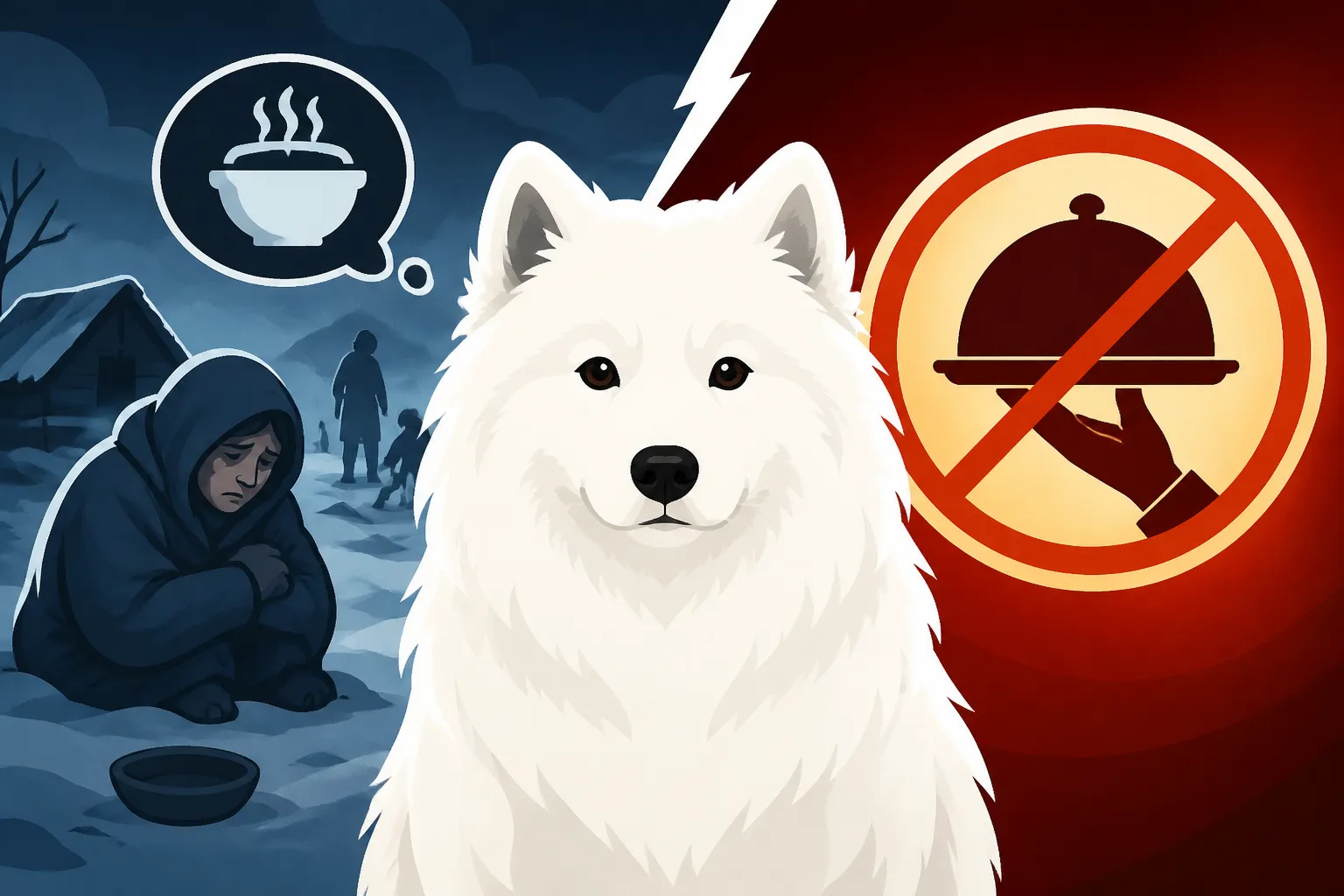
The question of whether the magnificent Samoyed, a breed so deeply intertwined with human survival, was ever, in the direst of circumstances, consumed by the very people who cherished them is a sobering one. It speaks to a deep curiosity about the extreme lengths humanity might go to survive, and the incredibly complex relationship between humans and the animals that share their lives. While it's uncomfortable to think about, it’s a valid historical inquiry that deserves a thoughtful, realistic look at the unique bond the Nenets people shared with their dogs and the harsh realities of life in the Siberian Arctic. This guide will delve into the history and cultural practices surrounding the Samoyed to explore this very difficult question.
The Sacred Bond Between the Nenets and Their Samoyeds
To truly understand the place of the Samoyed in its historical context, we first need to appreciate the profound relationship between the Indigenous Nenets people of the Yamal Peninsula and their dogs. These weren't just pets; they were integral members of the family, critical to daily existence and survival in one of the most unforgiving environments on Earth. The bond was so deep that to view these animals through a purely utilitarian lens, especially concerning their potential as a food source, misses the entire cultural fabric that defined their lives.
More Than Just Dogs: Family Members and Guardians
The Samoyed, in its original form, was bred by the Nenets to be an all-purpose working dog. They herded reindeer, pulled sleds across vast, frozen landscapes, and even guarded the nomadic camps. But beyond these roles, they were companions, often sleeping inside the chums (tents) with the families to provide warmth. Why Nenets Children Slept With Samoyeds highlights just how intertwined their lives were. Children grew up with these fluffy protectors, and the dogs were seen as spirits or guardians rather than mere livestock. This deep integration into family life meant they had a status far above that of other animals. They shared the meager resources, endured the same brutal winters, and celebrated the same successful hunts. This familial connection made them almost untouchable as a food source, even in dire times.
The Role of the Samoyed in Nenets Culture
The Nenets culture revolved around the reindeer, and the Samoyed was the indispensable partner in managing these vital herds. Without the dogs, reindeer herding on the vast scale practiced by the Nenets would have been impossible. How a Samoyed Herded Reindeer details their incredible skill and dedication to this task. The dogs were also critical for transportation, pulling sleds loaded with supplies and people across the tundra, as explored in How a Samoyed Pulled a Sled. They were tools of survival, yes, but they were living tools, infused with cultural and spiritual significance. Their barking warned of approaching predators like wolves, and their presence offered a sense of security against the desolation of the Arctic. This multi-faceted value cemented their place, making them far too precious to be considered expendable, especially for consumption.
Surviving the Arctic: The Samoyed's Indispensable Contributions
Life on the Yamal Peninsula, the ancestral home of the Samoyed, was a constant struggle against the elements. Temperatures could plummet to sixty degrees below zero, food was scarce for much of the year, and survival depended on every member of the family unit contributing. In this context, the Samoyed wasn't just helpful; it was utterly essential. Its contributions went far beyond what most people consider a typical dog's role.
Guardians, Hunters, and Heaters: A Dog of Many Talents
The Samoyed's thick double coat, capable of insulating against extreme cold, meant they could survive where other breeds would perish. How a Samoyed Survives Sixty Below delves into the incredible adaptations of their coat. This resilience made them ideal for working long hours in brutal conditions. They weren't just pulling sleds or herding reindeer; they were active participants in the hunt, helping track game and alert their human companions to danger. At night, they contributed body heat, often sleeping among the family to ward off the deadly cold, which was a critical survival strategy in an environment where warmth was life itself. The concept of sacrificing such an essential worker and warmth provider for a single meal would have been counterproductive, impacting the long-term survival of the entire family. It would be like burning your house down for firewood in the middle of winter; a desperate act with catastrophic consequences.
The Economic Value of a Samoyed
Consider the sheer "cost" of a Samoyed in a society that lived hand-to-mouth. Breeding and raising a Samoyed to working age represented a significant investment of time, food, and resources. These weren't easily replaced. A well-trained sled dog or herding dog was a valuable asset, akin to a vital piece of machinery for a modern farmer. Losing such an animal, whether to illness or being consumed, meant a direct and immediate loss of the family's ability to hunt, travel, and herd. The long-term implications of such a loss would far outweigh the temporary benefit of a single meal. In a landscape where resources were always tight, every decision had to be weighed against its impact on future survival. Killing a working dog for food would undermine the very infrastructure of their existence. The deep, reciprocal relationship meant the dogs provided for the humans, and in turn, the humans protected and cared for their dogs, recognizing their immense worth.
Historical Accounts of Famine and Dog Consumption
Now, let's address the difficult core question head-on: whether Samoyeds were ever eaten in times of famine. While it’s tempting to draw parallels with other historical instances where humans in extreme duress resorted to consuming animals typically not considered food, the case of the Samoyed and the Nenets is nuanced and, thankfully, largely devoid of such accounts.
Scarcity of Evidence
Historical and anthropological records from the regions where the Samoyed originated do not typically describe the consumption of these working dogs during famines. While nomadic peoples across different cultures might have, in truly catastrophic scenarios, eaten horses, camels, or other animals they primarily used for transport or livestock, the unique relationship with the Samoyed seems to have placed them in a different category. Researchers and ethnographers who spent time with the Nenets and other related groups rarely, if ever, reported instances of them eating their Samoyed-type dogs. This absence of evidence is quite significant, especially given the detailed observations often made about indigenous survival strategies. It strongly suggests that consuming their dogs was not a common or accepted practice, even in the direst of times.
Instead, the dogs were more likely to suffer with their humans, perhaps starving alongside them, rather than becoming a source of sustenance. The bond was so strong that they shared the fate of the family. The prospect of eating a dog that had provided warmth, herded reindeer, and guarded the children would have been profoundly disturbing, a final desperate act that likely represented total societal collapse rather than a routine survival strategy. What the Nenets Bred the Samoyed to Do further emphasizes their value, a value that transcended mere flesh.
Cultural Taboos and Practical Considerations
Beyond the emotional and practical reasons, there may have been cultural or spiritual taboos against eating their dogs. Many indigenous cultures hold specific animals in reverence or consider certain acts ritually unclean. Given the Samoyed's close association with the family, spirits, and even the "soul" of the community, consuming them could have been seen as a desecration or an act that would invite further misfortune.
From a purely practical standpoint, a working Samoyed was lean and muscular, not typically an animal chosen for its meat yield compared to a reindeer, which was their primary food source. Sacrificing an invaluable working dog for a relatively small amount of lean meat, and thereby jeopardizing future hunting, herding, and travel capabilities, simply didn't make practical sense for long-term survival. The energy expenditure to catch, kill, and process a working dog might have even outweighed the caloric benefit in a severely weakened state.
Here's a small table to illustrate the perceived value:
| Resource/Animal | Primary Role | Value to Nenets Survival | Likelihood of Consumption in Famine |
|---|---|---|---|
| Reindeer | Food, Clothing, Shelter, Transport | Absolutely critical, multi-purpose | High (primary food source) |
| Samoyed Dog | Herding, Sledding, Guarding, Warmth, Companionship | Indispensable, multi-purpose | Extremely Low (culturally taboo, impractical) |
| Wild Game | Supplemental Food | Important, but unpredictable | High (if available) |
| Fish | Supplemental Food | Important, but seasonal | High (if available) |
This table highlights that while many animals were food sources, the Samoyed occupied a unique and protected position within the Nenets societal structure.
The Resilience and Legacy of the Samoyed Bond
The Samoyed's legacy is one of partnership, resilience, and unwavering loyalty. The fact that the breed survived alongside the Nenets people for centuries, thriving in such extreme conditions, speaks volumes about their integral role and the respect they commanded.
Enduring Partnership
The relationship between the Nenets and their Samoyed-type dogs was not one of master and disposable servant, but a true partnership built on mutual dependence. The dogs relied on the humans for food and shelter, and the humans relied on the dogs for their very existence. This symbiotic relationship fostered an unbreakable bond that transcended the basic needs of survival. The Nenets of the Yamal Peninsula Bred the Samoyed to embody these exact qualities of cooperation and partnership. This deep, historical bond is what makes the modern Samoyed the wonderful, people-oriented dog we know today.
A Testament to Their Worth
The absence of historical accounts detailing the consumption of Samoyeds during times of famine is a powerful testament to their intrinsic worth, not just as working animals, but as cherished members of the family and community. While other societies, in desperation, may have turned to eating their dogs, the Nenets culture, with its profound respect for these animals, seems to have largely avoided such a tragic choice. It underscores the unique cultural context in which the Samoyed developed, solidifying its place as a breed defined by its enduring companionship and contribution to human survival, rather than as a last resort food source. Thinking about how the breed came to be and its deep roots in a specific culture helps us appreciate How Old the Samoyed Breed Really Is and why their temperament is so distinct.
Ultimately, while the question is a grim one, the answer points to the remarkable resilience of the Samoyed-Nenets bond. It suggests that even in the face of starvation, the invaluable role and deep emotional connection to these dogs meant they were protected, perhaps even to the bitter end. This enduring respect is a beautiful, if difficult, part of the Samoyed's story.
Disclaimer
This article is for general informational purposes only and does not constitute professional advice. Laws, prices and regulations vary by location and change over time. Consult a qualified professional for guidance on your specific situation.