Why Nenets Children Slept With Samoyeds
Have you ever wondered about the unique bond between Samoyeds and the ancient people who developed them? It’s a fascinating look into survival, companionship, and the very roots of this amazing breed. Many people are curious about the stories of Nenets children sleeping with Samoyeds, and this guide will delve deep into the historical, practical, and emotional reasons behind this deeply ingrained tradition, showcasing how it shaped the Samoyed we know and love today.
The Ancient Bond: Samoyeds and the Nenets Way of Life
To truly understand why Nenets children slept alongside their Samoyeds, we first have to journey back in time and immerse ourselves in the world of the Nenets people. These were nomadic reindeer herders dwelling in the vast, unforgiving expanses of Siberia. Life on the tundra was a constant battle against the elements, a daily test of resilience, and human-animal cooperation wasn't just helpful – it was absolutely essential for survival. The relationship between the Nenets and their dogs was far removed from the modern concept of a "pet"; it was a partnership born of necessity and mutual reliance that shaped both species over centuries.
The Harsh Realities of the Siberian Tundra
Imagine living in a place where winter temperatures plummet to sixty degrees below zero, and the landscape is an endless, frozen expanse. This was the everyday reality for the Nenets. Their existence revolved around their reindeer herds, which provided everything from food and clothing to materials for their mobile homes. Moving with these herds meant a life without permanent settlements, a continuous journey across vast territories. In such an environment, every resource was precious, and every living creature had to contribute to the collective survival. A weak link or an unadaptable companion simply wouldn't make it.
The challenges were immense: brutal cold, blizzards that could disorient even the most seasoned traveler, and limited resources. Sickness could be a death sentence, and protection from predators was paramount. In this extreme setting, the idea of "personal space" as we understand it today was a luxury no one could afford. Warmth was life, and proximity to other living beings was often the only way to generate and conserve that warmth, especially for the most vulnerable members of the community – the children.
More Than Just Dogs: The Samoyed's Place in the Family
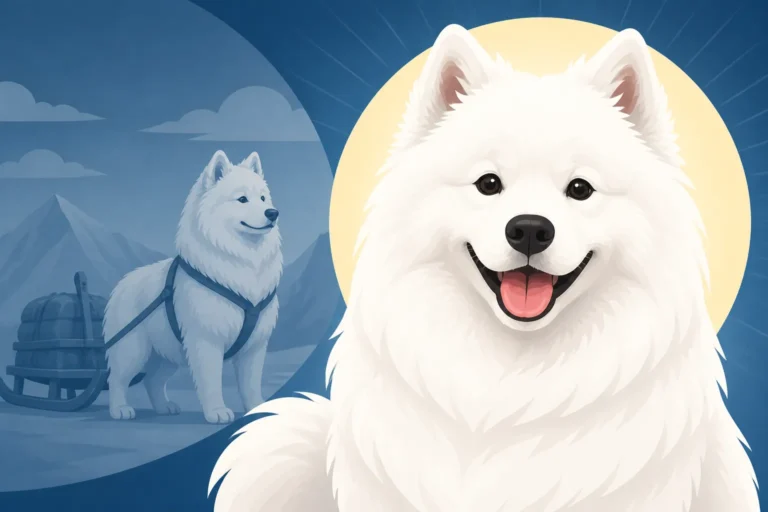
The Samoyed wasn't merely a working animal for the Nenets; they were truly integral members of the family unit. These dogs were bred for their incredible versatility, capable of herding thousands of reindeer, pulling sleds across miles of snow, and acting as vigilant guards against predators like wolves and bears. But their role extended far beyond these practical tasks. They were companions, often considered sentient beings with a spirit and a deep understanding of their human counterparts. This wasn't a master-and-dog dynamic in the traditional sense; it was a deeply symbiotic relationship where both species depended on the other for their very existence.
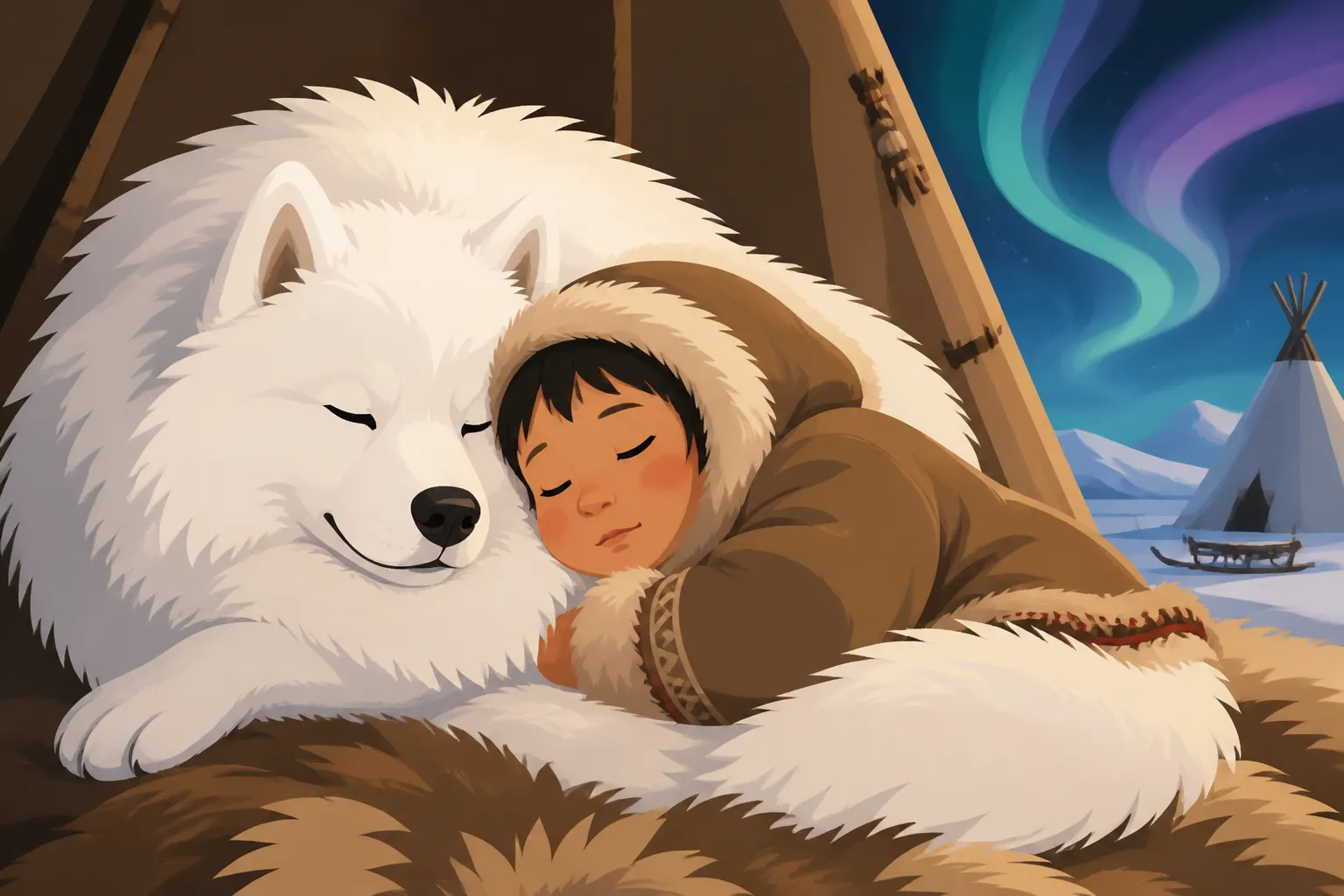
They lived cheek by jowl with their human families, sharing the intimate space of the chum, the Nenets' conical tent dwelling. This constant proximity meant that the dogs were deeply attuned to human emotions and needs, and humans, in turn, understood the subtle cues of their canine partners. This intimate cohabitation fostered a unique level of trust and affection, solidifying the Samoyed's place not just as a worker, but as a cherished, indispensable member of the family, particularly when it came to the protection and well-being of the children. This deep integration is part of The Samoyed Slept in the Tent to Keep People Alive.
Warmth and Protection: Survival in Extreme Conditions
When we talk about Nenets children sleeping with Samoyeds, it's easy to romanticize the image, but at its core, this practice was a stark testament to survival. The motivations were deeply practical, rooted in the need to generate and conserve warmth in temperatures that could kill, and to provide a constant, living layer of protection against the very real dangers of the wilderness. It was a strategy honed over generations, a testament to the ingenuity of both humans and animals adapting to one of the planet's harshest environments.
The Living Heater: How Samoyeds Provided Essential Warmth
In the freezing tundra, where heating options were limited to small, central fires that often didn't sufficiently warm the entire chum, living body heat was a precious commodity. A single Samoyed's body temperature, coupled with its extraordinarily thick double coat designed to trap air and insulate against the cold, made it a highly efficient personal heater. When multiple dogs were brought into the sleeping area, often nestled close to the children, they formed a living, breathing blanket.
Imagine a small child, vulnerable to the cold, tucked in amongst two or three large, fluffy Samoyeds. The dogs' collective body heat would radiate, creating a microclimate of warmth far superior to any furs or blankets alone. This wasn't just about comfort; it was a matter of life or death, especially for infants and young children who are more susceptible to hypothermia. The unique structure of the Samoyed coat, with its dense undercoat and coarse guard hairs, isn't just for looking beautiful; it’s a highly specialized insulation system that kept both dog and human warm. It’s part of How a Samoyed Survives Sixty Below.
Guardians Against the Wilderness: Security for the Young
Beyond the critical warmth they provided, Samoyeds were also essential for protection. The Siberian wilderness was not only cold but also home to dangerous predators. Wolves, bears, and other wild animals posed a constant threat, especially to the vulnerable reindeer herds and, by extension, the human camp. While adult Nenets would be ever-vigilant, a child sleeping soundly might still be exposed to unforeseen dangers.
The presence of a Samoyed, or several Samoyeds, offered an immediate and constant layer of security. Their keen senses – superior hearing and an exceptional sense of smell – meant they were aware of any approaching danger long before a human might be. Their natural instincts as guardians would lead them to bark or growl a warning, startling away potential threats or alerting the adults. This wasn't necessarily about direct combat; often, the mere presence of these strong, vocal dogs was enough to deter most predators. The children could sleep more soundly knowing their furry protectors were by their side, a constant sentinel against the unseen threats lurking outside the chum.
Shaping Character: The Impact on Nenets Children and the Samoyed Breed
The practice of co-sleeping with Samoyeds wasn't just about physical survival; it profoundly influenced the emotional and social development of Nenets children and, in turn, cemented certain characteristics within the Samoyed breed itself. This intimate connection fostered a unique blend of security, empathy, and early life lessons that resonate even in modern Samoyeds.
Emotional Security and Comfort
For a child growing up in such a demanding environment, the presence of a warm, furry companion offered immense emotional security and comfort. The vast, often silent tundra, coupled with the ever-present dangers of the wild and the inherent uncertainties of a nomadic life, could be unsettling. A Samoyed, with its calm demeanor and constant physical presence, would have been a source of unwavering reassurance. Think about how a child today might cling to a beloved stuffed animal; now imagine that comfort coming from a living, breathing creature that also offers warmth and protection.
The gentle rhythmic breathing, the soft fur, and the steady heartbeat of a dog provided a sense of peace that helped children sleep soundly. This constant, non-judgmental companionship would have been vital for a child's psychological well-being, fostering a sense of belonging and safety within their family unit and their environment. This early, profound bond contributed to the Samoyed's renowned gentle nature and their deep loyalty, making them excellent family dogs even centuries later. They are often described as having an innate connection to their human families, especially children, a trait that makes A Samoyed With Children and Other Animals so relevant.
Instilling Responsibility and Empathy
Growing up sharing such close quarters with dogs naturally instilled a deep sense of responsibility and empathy in Nenets children from a very young age. They would learn firsthand about the needs of their canine companions – recognizing hunger, understanding discomfort, and observing their behavior. This wasn't theoretical learning; it was practical, daily interaction that taught them the value of caring for another living being. They saw how the dogs worked tirelessly for the family, and in return, the dogs received care and companionship.
This symbiotic relationship taught children about reciprocity and the interconnectedness of all life within their ecosystem. They learned to respect animals not just for what they did but for who they were within the family structure. This early exposure to animal husbandry and compassionate care would have been fundamental in shaping their understanding of their world and their role within it. These are lessons that modern Samoyed owners often still encounter, as the breed thrives on being a part of the family and truly participating in daily life. The Household a Samoyed Was Built For definitely reflects this historical background.
Enduring Traits: How History Echoes in Today's Samoyed
The ancient practice of Nenets children sleeping with Samoyeds isn't just a historical curiosity; it’s a foundational element that profoundly shaped the breed's temperament and characteristics. Many of the traits we adore in modern Samoyeds are direct echoes of this deep, functional, and emotional bond forged on the frozen tundra. Understanding this history gives us invaluable insight into why our Samoyeds behave the way they do and why they thrive in certain environments.
The Instinct to Be Close: Modern Samoyed Companionship
One of the most defining characteristics of a Samoyed today is their overwhelming desire to be close to their human family. They aren't content being relegated to the backyard; they want to be with you, preferably in the same room, observing your activities, and offering their quiet, comforting presence. This isn't clinginess in an anxious way, but rather a profound need for companionship that harkens back to their role as tent companions. They were bred to be constantly aware of their human pack, for warmth, for protection, and for seamless cooperation.
This historical imperative to maintain close proximity manifests today as a dog that follows you from room to room, settles near your feet, or gently nudges for attention. They are often referred to as "Velcro dogs" for a reason! It's a trait that makes them wonderful, loving companions, but it also means they don't do well when left alone for extended periods. They literally expect to be part of the family, just as their ancestors were integral to the Nenets family unit inside the chum. This is directly linked to Why a Samoyed Wants to Be in the Room With You.
A Gentle Nature: Samoyeds as Family Protectors Today
The incredible gentleness and tolerance that Samoyeds exhibit, especially towards children, is another direct legacy of their co-sleeping origins. A dog that slept amongst human children had to be inherently calm, patient, and trustworthy. Any dog with aggressive tendencies or a low tolerance for the unpredictable movements of youngsters would not have been kept or bred. Over generations, this selected for a profoundly kind and even-tempered breed.
While modern Samoyeds might not be fending off wolves in your living room, their protective instincts still manifest in subtle ways. They are often vigilant, noticing strangers or unusual sounds, but their primary response is rarely aggression. Instead, they often act as a welcoming committee, a trait sometimes humorously referred to as "guarding you by making friends with the burglar." This friendly disposition is an integral part of Why the Samoyed Smiles, as their upturned mouth evolved to prevent drool from freezing, contributing to their famously "happy" expression. They are, at heart, gentle protectors and devoted companions, a living testament to the powerful bond forged between humans and dogs in the harshest of environments.
| Aspect of Co-Sleeping | Benefit for Nenets Children | Benefit for Samoyed Breed |
|---|---|---|
| Warmth Provision | Survival in extreme cold, reduced risk of hypothermia | Selection for thick coats and calm disposition suitable for close quarters |
| Physical Protection | Deterrence of predators, early warning system, sense of security | Enhanced protective instincts, keen senses, loyalty to human "pack" |
| Emotional Comfort | Reduced fear/anxiety, sense of security, psychological well-being | Increased gentleness, strong bond with humans, desire for companionship |
| Social Learning | Early lessons in empathy, responsibility, animal husbandry | Development of social intelligence, adaptability, ability to read human cues |
Disclaimer
This article is for general informational purposes only and does not constitute professional advice. Laws, prices and regulations vary by location and change over time. Consult a qualified professional for guidance on your specific situation.