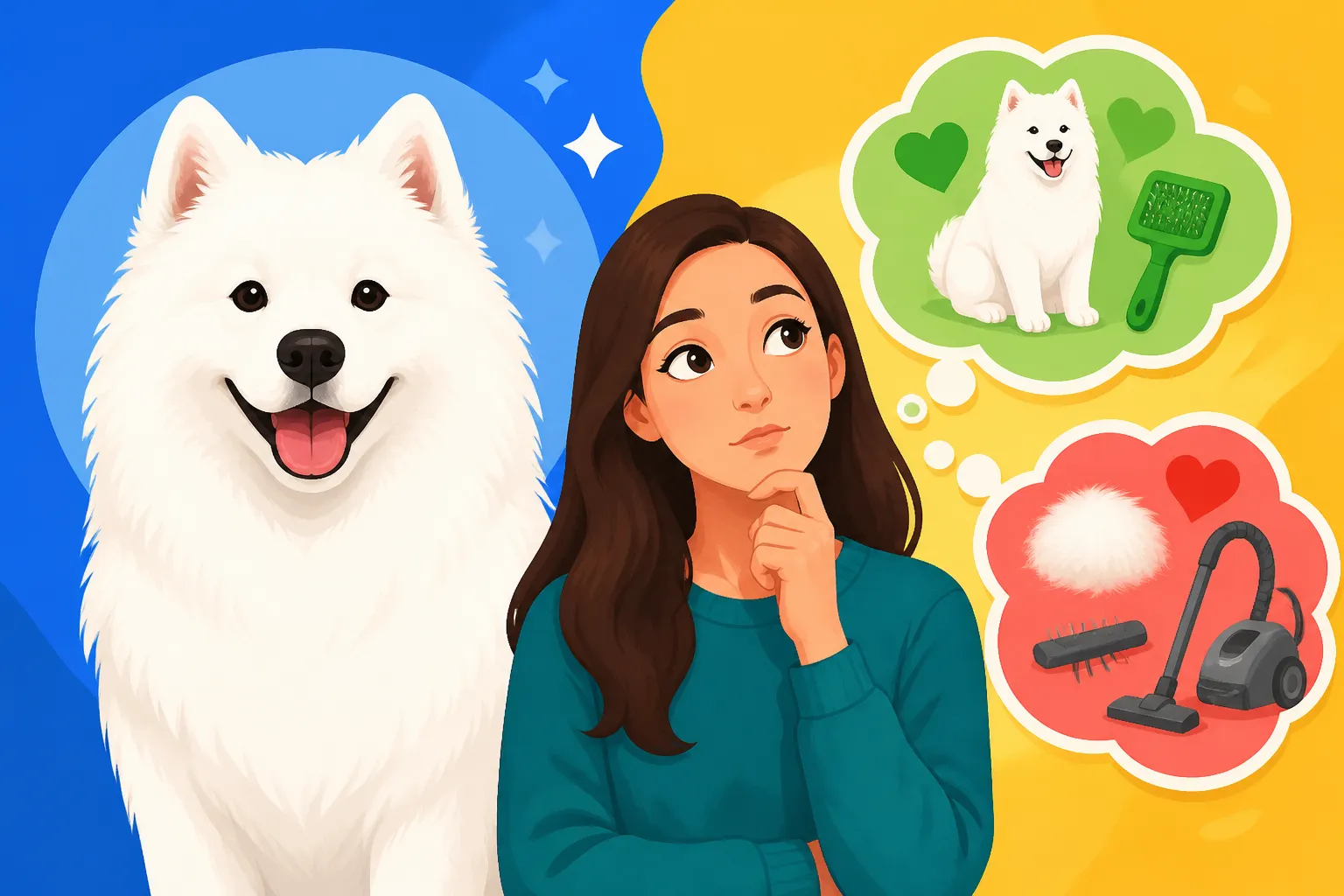
Whether a Samoyed Suits a First Time Owner
Bringing a Samoyed into your life is a dream for many, fueled by those gorgeous photos of fluffy, smiling pups. But beneath that captivating smile and cloud-like coat lies a complex, energetic, and highly vocal breed that presents unique challenges, especially for those new to dog ownership. This comprehensive guide will peel back the layers of Samoyed charm to reveal the realities, helping you honestly assess if you're truly ready for the joy, effort, and commitment that comes with owning one of these magnificent dogs for the very first time.
Understanding the Samoyed Temperament: More Than Just a Pretty Smile
That famous "Samoyed smile" isn't just for show; it's a reflection of their generally joyful and friendly disposition. However, it also masks a temperament that, while endearing, requires a first-time owner to be truly prepared for an active, social, and sometimes stubborn companion. They aren't just fluffy decorations; they are living, breathing, incredibly intelligent beings with distinct needs.
The Affectionate, People-Oriented Nature
Samoyeds absolutely thrive on human companionship. They were originally bred to live and work closely with the Nenets people in Siberia, often sharing their tents to provide warmth and protection. This deep-seated need for connection means they are true "velcro dogs." If you're hoping for a dog that's content to hang out in another room or be left alone for long stretches, a Samoyed is probably not for you. They want to be wherever you are, following you from room to room, often settling right at your feet or leaning against you. This intense bond is one of their most wonderful traits, but it can also lead to significant separation anxiety if not managed from puppyhood.
Imagine trying to cook dinner, and there's a fluffy white shadow underfoot, gently nudging your hand for attention. Or sitting down to watch a movie, only to find your Samoyed's head in your lap, demanding ear scratches. This constant desire for proximity and interaction means they need a family committed to including them in daily life. If they feel neglected or bored, that intense need for connection can manifest in destructive behaviors, like chewing furniture or digging up the garden, simply because they're looking for an outlet for their unmet social needs. It’s not malicious; it's just a Samoyed's way of saying, "Hey, I need you!"
Friendly to a Fault
One of the Samoyed's most charming, yet surprising, traits for first-time owners is their overwhelming friendliness. They genuinely seem to love everyone – strangers, children, other dogs, and even the mail carrier. While this makes them wonderful ambassadors for the breed and excellent companions for social outings, it also means they make terrible guard dogs. If an intruder were to break into your home, your Samoyed would likely greet them with a wagging tail and a happy grin, perhaps even offering a toy. They simply lack the inherent suspicion and protective instincts found in many other breeds.
This gregarious nature extends to their interactions with children and other pets. Most Samoyeds are incredibly gentle and patient with kids, often forming strong bonds. However, their size and exuberance mean supervision is always necessary, especially with very young children, to prevent accidental knocks or tumbles during playtime. They generally get along well with other dogs, often enjoying playdates and dog park visits. As for cats and smaller pets, early and careful socialization is key. A Samoyed’s natural prey drive might kick in with a fleeing squirrel, but with proper introductions and training, many happily coexist with their feline family members. But don't count on them to deter anyone at the door; they're more likely to invite them in for a belly rub. Why a Samoyed Greets a Burglar
The Independent Streak
Despite their affectionate nature, Samoyeds are still rooted in their primitive Northern breed heritage. This means they possess a strong independent streak and a "what's in it for me?" attitude when it comes to training. They are highly intelligent, capable of learning complex commands, but they are not typically eager to please in the way a Golden Retriever or Labrador might be. They will analyze a command, consider if it's worth their effort, and then decide whether to comply. This isn't stubbornness in a malicious sense; it's just a natural part of their problem-solving, self-sufficient intelligence.
A first-time owner expecting instant, flawless obedience will quickly become frustrated. Training a Samoyed requires immense patience, consistency, and a deep understanding of positive reinforcement. You can't force a Samoyed to do something; you have to convince them it's their idea or that the reward is irresistible. This independence means that even with excellent training, a Samoyed might choose to "selectively hear" you if something more interesting, like a squirrel or a new smell, grabs their attention. It’s a trait that can be both amusing and exasperating, and it requires a resilient, adaptable owner who can appreciate a dog with its own distinct personality and thought process.
Exercise Needs: The Samoyed's Inner Athlete
Don't let the fluffy, calm appearance of a well-rested Samoyed fool you. These dogs were bred for endurance and work in the harsh Siberian wilderness. They are not satisfied with a leisurely stroll around the block; they need significant physical and mental exercise to remain happy, healthy, and well-behaved.
Daily Activity Requirements
Samoyeds are athletic dogs, and they need an outlet for that energy every single day. We're talking about more than just a quick trip outside to potty. An adult Samoyed typically needs at least 1-2 hours of vigorous exercise daily. This could mean a long, brisk walk or jog, a sustained session of fetch, or pulling a cart or sled if you're into that kind of activity. If they don't get enough physical activity, that pent-up energy will find a less desirable release – often in the form of digging, chewing, or becoming excessively vocal.
For a first-time owner, this can be a significant lifestyle adjustment. Are you truly prepared to commit to those long walks every day, come rain or shine, even when you're tired after work? Many Samoyed owners find that two substantial exercise periods, one in the morning and one in the evening, work best, punctuated by shorter potty breaks and play sessions throughout the day. Neglecting their exercise needs isn't just unfair to the dog; it's a recipe for a destructive, high-strung, and unhappy Samoyed, which can be incredibly stressful for a new owner.
Mental Stimulation
Beyond physical exertion, a Samoyed's intelligent mind also needs a workout. A physically tired Samoyed with a bored mind can still get into trouble. They thrive on challenges and puzzles. Incorporating training sessions, puzzle toys (like those you can fill with treats from Chewy), scent work games, or even canine sports like agility or rally obedience can make a huge difference. These activities not only burn mental energy but also strengthen the bond between you and your dog.
Think of it this way: just running a marathon isn't enough if your brain isn't engaged. A Samoyed needs both. Regularly rotating toys, teaching new tricks, or even just having structured play sessions where you ask them to "sit" and "stay" before throwing a ball can provide valuable mental enrichment. Without it, a Samoyed might decide to entertain themselves by reorganizing your living room furniture or discovering what's inside your favorite pair of shoes. It's often said that a tired dog is a good dog, but with a Samoyed, it's more accurate to say a physically and mentally tired dog is a good dog. The Job a Samoyed Actually Needs
Seasonal Considerations for Exercise
A crucial point for first-time owners is understanding how their Samoyed's thick double coat impacts exercise in different climates. Bred for the Arctic, Samoyeds thrive in cold weather. They love snow and can happily play outside for extended periods when temperatures drop. However, hot and humid weather is their nemesis. Their coat, designed to insulate against cold, can quickly cause them to overheat in summer.
If you live in a warm climate, you must be prepared to drastically alter your exercise routine during the hotter months. Early morning and late evening walks become mandatory. Midday walks are a definite no-go, as hot pavement can burn their paw pads and the ambient temperature can quickly lead to heatstroke. You'll need to provide plenty of shade, fresh water, and consider cooling aids like kiddie pools or cooling mats. Indoor activities, like playing hide-and-seek or fetch in an air-conditioned home, become vital substitutes. Neglecting these precautions can be life-threatening for a Samoyed, making climate a serious consideration for any potential first-time owner.
Grooming Realities: The Cloud-Like Coat Comes with Work
The Samoyed's magnificent white coat is undeniably one of its most defining and attractive features. It’s also the source of much misunderstanding and a significant commitment for any owner, especially a first-timer. This isn't a wash-and-wear breed; maintaining that cloud-like fluff is a job.
The Double Coat Demands
A Samoyed's coat is a marvel of nature, consisting of a harsh, straight outer guard coat and a dense, woolly undercoat. This double layer provides incredible insulation against both extreme cold and, surprisingly, heat. However, it sheds, and when a Samoyed sheds, it really sheds. They shed year-round, but twice a year, typically in spring and fall, they go through a "coat blow." During this period, they shed their entire undercoat over several weeks. The amount of fur that comes off can be absolutely staggering.
For a first-time owner, this can be an overwhelming experience. Imagine handfuls of soft, white fur coming off with every stroke of the brush, filling entire garbage bags during a serious grooming session. If this dead undercoat is not removed, it will mat, causing discomfort, skin problems, and potentially necessitating a costly professional shave-down (which is generally ill-advised for a Samoyed's coat health). Regular brushing, at least 2-3 times a week, and daily during a coat blow, is non-negotiable. This isn't a quick five-minute brush-over; it's a thorough, deep-down brushing session that can take an hour or more each time. What Twenty Pounds of Samoyed Undercoat Does to a House
Tools and Techniques
To properly maintain a Samoyed's coat, you'll need the right tools, and they're an investment. Essential items include:
- Undercoat Rake: To pull out loose undercoat without damaging the guard hairs.
- Slicker Brush: For general brushing and teasing out smaller tangles.
- Pin Brush: Great for general coat maintenance and distributing natural oils.
- Force Dryer (High-Velocity Dryer): This is perhaps the most important tool. After a bath, a Samoyed's dense coat takes hours to air dry, leading to potential skin issues. A force dryer quickly blasts water out, straightens the coat, and helps remove loose undercoat. It’s also incredibly effective during coat blows.
- Metal Comb: For checking your work and ensuring there are no mats close to the skin.
The technique itself is crucial. You can't just brush over the top. You need to "line brush," which involves parting the coat and brushing in sections, working your way through to the skin. This ensures you're actually reaching the undercoat. Learning proper grooming techniques can take time and practice, and many first-time owners opt for professional groomers. However, professional grooming for a Samoyed is not cheap, and during a coat blow, it can be a frequent and substantial expense. Becoming proficient in home grooming will save you a lot of money and keep your Samoyed much healthier and happier.
Shedding and Cleanup
Let's talk about the reality of living with all that fur. It will be everywhere. On your clothes, on your furniture, floating across your floors, even in your food sometimes. No amount of brushing will completely eliminate shedding. A good, powerful vacuum cleaner (perhaps even one specifically designed for pet hair) will become your new best friend. You'll find yourself vacuuming more frequently than ever before, and lint rollers will be a staple in your home and car.
Embracing the fur is part of owning a Samoyed. If you're someone who values a spotless, fur-free home, a Samoyed might cause you constant stress. Instead, many Samoyed owners learn to accept that their home will always have a certain level of "Samoyed glitter." Regularly grooming your dog and investing in a quality vacuum cleaner (Chewy has some great options!) can help manage the situation, but complete eradication of fur is a pipe dream. It’s a trade-off for that stunning, fluffy appearance, and it’s a lifestyle change a first-time owner needs to be fully prepared for. Whether a Samoyed Owner Needs a Better Vacuum
Training Challenges: Intelligence Meets Independent Spirit
Training a Samoyed can be a deeply rewarding experience, but it's important for first-time owners to understand that it's rarely easy. Their intelligence is undeniable, but it's coupled with a strong independent streak that makes them question commands rather than blindly follow them.
The "What's In It For Me?" Mentality
Unlike some breeds that live to please their humans, Samoyeds often approach training with a pragmatic question: "What's in it for me?" They are incredibly smart and will learn quickly if they see value in the task, but if the reward isn't appealing enough, they might just decide to ignore you. This means that consistent, high-value rewards are absolutely essential. Standard kibble might work for a few reps, but for real progress, you'll need irresistible treats like cooked chicken, cheese, or specialized training treats.
Positive reinforcement is the only way to go with a Samoyed. Harsh corrections or punishment are counterproductive; they can make a Samoyed shut down, become mistrustful, or simply decide you're not worth listening to. Patience and making training fun are key. Short, engaging sessions (5-10 minutes) are often more effective than long, drawn-out ones. You have to be more interesting than the environment around them, which, with a Samoyed, is often a tall order! A first-time owner needs to be committed to learning effective positive reinforcement techniques and be prepared to invest time and energy into making training a positive experience for both of you. What Actually Motivates a Samoyed
Recall Reliability
This is perhaps one of the most critical training considerations for a first-time Samoyed owner. Their strong prey drive and independent nature mean that a truly reliable off-leash recall, especially in an unfenced or stimulating environment, is often a pipe dream. A running squirrel, a blowing leaf, or an interesting scent can instantly override even the most diligently trained recall. For this reason, many Samoyed owners learn that off-leash privileges are reserved for securely fenced areas or designated dog parks.
Walking a Samoyed on a leash is an everyday necessity, and mastering loose-leash walking is paramount. They were bred to pull, so without proper training, they can be quite a handful, dragging you down the street with surprising strength. Using a front-clip harness or a head halter can help manage their pulling tendencies while you work on training. Never underestimate their ability to bolt if given the chance. Secure fencing (at least 6 feet high, and sometimes even buried wire to prevent digging under) is essential if you have a yard. For a first-time owner, understanding and accepting these limitations on off-leash freedom is vital for their Samoyed's safety and their own peace of mind. Why a Samoyed's Recall Cannot Be Trusted
Early Socialization and Puppy Classes
While Samoyeds are generally friendly, early and thorough socialization is still critical for a well-adjusted adult dog. Puppyhood is a crucial window for exposing them to a wide variety of sights, sounds, people, places, and other friendly dogs in a positive and controlled manner. This helps them develop confidence and good social skills, preventing fear or reactivity later in life.
Enrollment in puppy classes is highly recommended for first-time owners. These classes provide a structured environment for socialization, teach basic obedience commands using positive methods, and offer invaluable guidance from experienced trainers. They also give you the tools and confidence to continue training at home. Remember, socialization isn't just about meeting other dogs; it's about making sure your Samoyed is comfortable and confident in all sorts of situations, from busy streets to quiet cafes, and with people of all ages and appearances. A well-socialized Samoyed is a joy to live with; a poorly socialized one, even with their sweet nature, can develop anxieties or behavioral quirks that are difficult for a first-time owner to manage.
Vocalization: The Samoyed's Unique Communication Style
If you're looking for a quiet dog, a Samoyed is almost certainly not the right choice for you. While they might not bark excessively in the traditional sense, they are incredibly vocal, possessing a wide repertoire of sounds that can be endearing to some and incredibly challenging to others.
The Samoyed Scream and Other Sounds
Samoyeds are known for their "Samoyed scream." This isn't a bark; it's a high-pitched, piercing sound that can genuinely sound like a human screaming. They often employ it when they are extremely excited, frustrated, or sometimes just to get your attention. Beyond the scream, they "talk," grumble, yodel, howl, and emit a variety of other expressive sounds. They use these vocalizations to communicate their desires, moods, and opinions on just about everything.
Imagine trying to have a quiet conversation when your Samoyed decides it's time to "sing" along to a siren passing by, or when you come home, and they greet you with a full-blown vocal performance, complete with howls and excited grumbles. While it's part of their unique charm, it can also be incredibly loud and startling, particularly for a first-time owner who isn't prepared for this level of vocal expression. It's a fundamental aspect of their breed personality, not a behavior that can be easily trained out. The Samoyed Scream and Why It Is Not Barking
Addressing Excessive Vocalization
Managing a Samoyed's vocalizations requires patience and an understanding of why they are being so expressive. Is it boredom? Loneliness? Attention-seeking? Excitement? Addressing the underlying cause is key. For instance, if they are screaming for attention, ignoring the behavior (if safe to do so) and rewarding quiet moments can be effective. If it's boredom, increasing exercise and mental stimulation might help.
Teaching a "quiet" cue can be useful, but remember, you're not eliminating their natural tendency to vocalize, just trying to manage it. This breed needs an owner who can tolerate a certain amount of noise and is committed to consistent training and management. For a first-time owner, the sheer volume and variety of sounds can be a significant hurdle, especially if they live in an environment where noise might be an issue.
Neighborly Considerations
Living with a vocal Samoyed also means considering your neighbors. If you live in an apartment, a townhouse, or a close-knit community, their characteristic screams and howls can quickly become a source of conflict. What sounds like charming "talk" to you might sound like incessant noise to someone living next door, particularly if your Samoyed vocalizes frequently when left alone.
Before bringing a Samoyed home, especially as a first-time owner, it's wise to consider your living situation and your neighbors' tolerance for dog noise. Soundproofing your home, providing ample exercise before leaving them alone, and ensuring they have plenty of mental enrichment can help mitigate some of the noise, but it's not a foolproof solution. A Samoyed truly needs a home where their vocal nature won't constantly cause stress for their family or those around them.
Living Environment and Lifestyle Compatibility
A Samoyed isn't just a pet; they're a lifestyle. Understanding how their needs align with your living situation and daily routine is crucial for a successful first-time ownership experience.
Space and Fencing Requirements
While Samoyeds can adapt to apartment living if their exercise needs are met daily, a securely fenced yard is often highly recommended. This provides them with a safe space to burn off energy, play, and explore. However, "securely fenced" is the operative phrase. Samoyeds are notorious escape artists. They are intelligent and resourceful, capable of digging under fences, climbing chain link, and even figuring out how to open gate latches. A standard 4-foot fence is often insufficient; a 6-foot fence is generally considered the minimum, and even then, reinforcing the bottom to prevent digging out is often necessary. How a Samoyed Gets Out of Anything You Build
If you live in an apartment, be prepared for multiple long walks and trips to a dog park or a designated play area every single day, regardless of weather. Relying solely on a small balcony or short walks for exercise will lead to a very unhappy and destructive Samoyed. For first-time owners, managing a Samoyed in a small space requires even greater dedication to their daily exercise and mental stimulation, making a yard, especially a very secure one, a definite advantage.
Climate Considerations
This is a critical factor for first-time owners to seriously consider. Samoyeds originated in the Arctic regions of Siberia and are physically built for extreme cold. Their thick double coat, deep chest, and strong bones are all adaptations for surviving and working in frigid temperatures. They love winter, snow, and cold weather.
Conversely, hot and humid climates can be extremely challenging, even dangerous, for a Samoyed. They can overheat very quickly, leading to heatstroke, which is a serious medical emergency. If you live in a warm state or have hot summers, you must be prepared to:
- Provide constant air conditioning: This can significantly increase your electricity bill.
- Limit outdoor exercise to early mornings and late evenings: Avoid the midday sun at all costs.
- Ensure constant access to fresh, cool water and shade: A kiddie pool can be a great relief.
- Never leave them unsupervised outdoors in the heat, or in a car, even for a moment.
For a first-time owner in a warm climate, the stress and management required to keep a Samoyed safe and comfortable can be immense. It fundamentally changes your lifestyle for a significant portion of the year. If you aren't prepared for these adjustments, a Samoyed might not be the best fit for your climate.
Family Dynamics
Samoyeds are generally known for being wonderful family dogs. They are typically gentle, patient, and playful with children, often enjoying being part of a bustling household. Their inherent friendliness usually extends to other dogs, making them good candidates for multi-dog homes, provided proper introductions are made.
However, their exuberant nature and relatively large size mean that while they are good with kids, they might accidentally knock over very young toddlers during enthusiastic play. Supervision is always essential. Their herding instinct, a remnant of their reindeer-herding past, can sometimes manifest as gentle "nipping" at heels, especially with running children, though this can usually be redirected with training. For a first-time owner with very young children, teaching both the dog and the children how to interact safely is crucial. Overall, with proper socialization and training, a Samoyed can integrate beautifully into a family, becoming a beloved and active member.
Health and Lifespan: What to Expect in the Long Run
Bringing any dog into your home is a long-term commitment, and for a Samoyed, that typically means a lifespan of 12-14 years. As a first-time owner, understanding common health concerns and the importance of responsible breeding practices is paramount.
Common Samoyed Health Concerns
While generally a healthy breed, Samoyeds are predisposed to certain genetic health conditions that potential first-time owners should be aware of. These include:
- Hip Dysplasia: A malformation of the hip joint that can lead to arthritis and pain.
- Eye Diseases: Such as Progressive Retinal Atrophy (PRA) which can lead to blindness, and Retinal Dysplasia.
- Samoyed Hereditary Glomerulopathy (SHG): This is a serious kidney disease primarily affecting male Samoyeds, often leading to kidney failure and early death. The Kidney Disease That Kills Samoyed Males Before Fifteen Months
- Diabetes Mellitus: Like humans, dogs can develop diabetes, requiring lifelong insulin management.
- Hypothyroidism: An underactive thyroid gland, often managed with daily medication.
- Aortic Stenosis: A congenital heart condition where the aorta opening is narrowed.
Knowing about these potential issues doesn't mean your Samoyed will definitely get them, but it highlights the importance of choosing a reputable breeder and being prepared for potential veterinary costs down the line. A first-time owner needs to understand that responsible dog ownership involves proactive health care and being financially ready for potential challenges.
Importance of a Reputable Breeder
For a first-time owner, choosing a reputable and ethical breeder is arguably the single most important decision you will make. A good breeder will prioritize the health and temperament of their dogs above all else. They will:
- Perform health screenings: This includes OFA (Orthopedic Foundation for Animals) certifications for hips and elbows, eye certifications by a veterinary ophthalmologist (CERF or OFA Eye), and DNA tests for specific genetic conditions relevant to the breed, such as SHG. They should be transparent and willing to show you these certifications for both parents of a litter.
- Be knowledgeable about the breed: They should be able to answer all your questions about Samoyed temperament, health, and care, offering lifelong support.
- Focus on temperament: They will breed for sound, friendly temperaments suitable for family pets.
- Have clean, well-cared-for facilities: The puppies and parent dogs should be raised in a stimulating, clean environment.
- Interview you thoroughly: A good breeder wants to ensure their puppies go to suitable, loving homes.
- Provide a health guarantee and a contract.
Avoid "backyard breeders" or pet stores that cannot provide verifiable health clearances or information about their dogs' lineage. While their puppies might be cheaper initially, you could end up with a dog prone to expensive health problems or temperament issues that a first-time owner is ill-equipped to handle. The investment in a puppy from a reputable breeder is an investment in a healthier, happier future for your Samoyed.
Veterinary Care and Preventative Measures
Beyond selecting a healthy puppy, a first-time owner needs to commit to ongoing preventative veterinary care. This includes:
- Regular check-ups: Annual wellness exams are crucial for catching potential health issues early.
- Vaccinations: Keeping up-to-date with core vaccinations and any others recommended for your region.
- Parasite control: Year-round heartworm prevention, flea, and tick control.
- Dental care: Regular teeth brushing at home and professional dental cleanings as recommended by your vet.
- Proper nutrition: Feeding a high-quality diet appropriate for their age and activity level.
- Weight management: Samoyeds can gain weight easily, especially as they age, which can exacerbate joint problems and increase the risk of diabetes. Monitoring their weight and body condition is essential.
Being proactive with veterinary care is the best way to ensure your Samoyed lives a long, healthy life. It also means building a good relationship with your veterinarian, who can become an invaluable resource for a first-time owner navigating the complexities of dog health. As your Samoyed ages, their needs will change, and regular vet visits become even more critical to manage age-related conditions like arthritis. Caring for an Old Samoyed
The Financial Commitment of Samoyed Ownership
Owning a Samoyed is not cheap. Beyond the initial purchase price, the ongoing costs of food, grooming, vet care, and supplies can add up significantly over their lifetime. A first-time owner needs to be financially prepared for this substantial commitment.
Initial Costs
The initial outlay for a Samoyed puppy from a reputable breeder can be a significant investment. Prices vary widely based on location, pedigree, and the breeder's own costs, but you should expect to pay a substantial sum. This cost reflects the breeder's investment in health testing, quality food, veterinary care for the mother and puppies, and their time and expertise. Why a Samoyed Puppy Costs What It Does
Beyond the puppy itself, you'll have initial setup costs:
- Crate: A large, sturdy crate for house-training and safety.
- Beds: Durable beds suitable for a large dog.
- Food and water bowls: Stainless steel is often recommended.
- Leash, collar, and harness: For walks and training.
- Grooming tools: As discussed, these are not inexpensive.
- Toys: Durable chew toys and enrichment puzzles (check out Chewy for a great selection!).
- Initial vet visit and vaccinations: Even if the breeder has started vaccines, your vet will need to establish care.
These initial costs can easily run into several hundreds, if not thousands, of dollars before you even account for the puppy's purchase price.
Ongoing Expenses
The costs don't stop after you bring your Samoyed home. Ongoing monthly and annual expenses are substantial:
- Food: High-quality food for a large, active dog can be expensive.
- Treats: For training and enrichment.
- Veterinary care: Annual check-ups, vaccinations, parasite prevention.
- Grooming: Whether you do it yourself (cost of tools, shampoo, dryer) or pay a professional.
- Pet insurance: Highly recommended for large breeds to help mitigate unexpected vet bills. Premiums can vary based on the dog's age, breed, and your location.
- Training classes: Puppy classes, obedience, or advanced training.
- Supplies: Replacements for worn-out toys, beds, leashes.
- Chew items: To keep their teeth clean and minds engaged.
- Climate control: Increased electricity bills for air conditioning in warmer months.
These regular expenses can easily add up to hundreds of dollars per month. Over the typical 12-14 year lifespan of a Samoyed, the total cost of ownership is truly significant.
Unexpected Costs
Life with a dog, especially a Samoyed, can also come with unexpected expenses that a first-time owner might not anticipate.
- Emergency vet visits: Accidents or sudden illnesses can lead to bills reaching thousands of dollars. This is where pet insurance can be a lifesaver.
- Specialist referrals: If your Samoyed develops a condition like hip dysplasia, diabetes, or an eye disease, you might need to see a veterinary specialist, which comes at a higher cost.
- Behavioral consultations: If your Samoyed develops a behavioral issue (excessive digging, barking, separation anxiety), a professional behaviorist can be expensive but often necessary.
- Property damage: A bored or anxious Samoyed can chew furniture, dig up yards, or scratch doors, leading to repair or replacement costs.
- Boarding/pet sitting: If you travel, finding reliable care for a Samoyed can be more expensive due to their size, grooming needs, or potential health considerations (e.g., if diabetic and needing insulin injections).
It's wise for first-time owners to have an emergency fund specifically for their pet or to invest in comprehensive pet insurance. The "Samoyed smile" is priceless, but maintaining that happy, healthy smile requires a consistent and significant financial commitment. Be honest with yourself about whether you can truly afford to provide a Samoyed with the life they deserve. What a Samoyed's Vet Bills Look Like
| Feature | Expectation (First-Time Owner) | Reality (Samoyed Ownership) |
|---|---|---|
| Grooming | "Easy to groom, just brush daily!" | Intense, lengthy brushing several times a week, plus "coat blows" |
| Energy Level | "They look so cuddly and calm." | High energy, needs extensive exercise and mental stimulation |
| Guard Dog | "Good guard dogs, big and white." | Friendly with everyone, not a guardian, will welcome strangers |
| Trainability | "Smart, so training will be easy." | Intelligent, but independent and will question commands |
| Vocalization | "Quiet, fluffy dogs." | Highly vocal, known for howling, "talking," and "the scream" |
| Climate Suitability | "Perfect for any climate." | Thrives in cold, struggles significantly in heat |
| Cost | "Just the puppy price and food." | Significant ongoing costs for food, grooming, vet, and emergencies |
Disclaimer
This article is for general informational purposes only and does not constitute professional advice. Laws, prices and regulations vary by location and change over time. Consult a qualified professional for guidance on your specific situation.