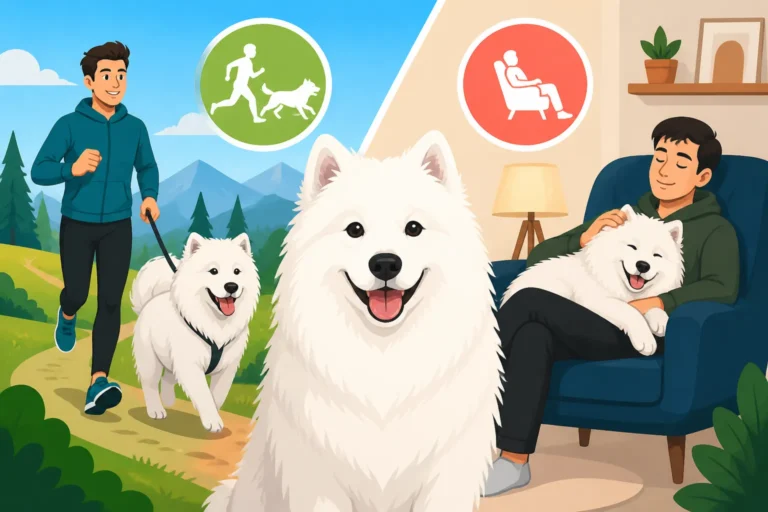
Why the Samoyed Smiles
One of the first things people notice about a Samoyed, besides their stunning white coat, is that seemingly perpetual grin. It’s absolutely captivating, making them look perpetually cheerful and approachable. But if you’ve ever wondered if that "smile" is just a happy coincidence, or if there's a deeper reason behind it, you're not alone. Many new Samoyed owners and admirers ponder this unique trait, often thinking it's purely an expression of joy. This guide will dive deep into the fascinating origins and functional purpose behind the iconic Samoyed smile.
The Anatomy of the Samoyed Smile: More Than Just a Grin
When you look at a Samoyed, that upturned mouth is unmistakable. It’s not just a fleeting expression; it's a fundamental part of their facial structure that gives them their distinctive cheerful appearance. This isn't something they turn on and off, but rather a characteristic ingrained in their very anatomy, shaped by centuries of adaptation and purpose. Understanding the physical components of this smile helps us appreciate its ingenuity.
The Upward Curl of the Lips
The most prominent feature of the Samoyed smile is the distinct upward curl at the corners of their mouth. This isn't just a quirky aesthetic; it’s largely due to the placement and shape of their facial muscles and the structure of their jaw. Unlike many other breeds where the lips might hang or sit straight, a Samoyed's lips naturally curve, creating that iconic "smiley" appearance even when their face is completely relaxed. This natural curvature means they often look like they're grinning, even when they’re simply breathing or resting.
Think about how our own facial structure influences our expressions. For Samoyeds, this particular lip formation has a functional basis that goes back to their origins in the harsh Arctic. It’s an anatomical quirk that evolved for a very specific reason related to survival, long before anyone thought about selective breeding for looks. This perpetual grin isn't a sign they are always ecstatic, though they are certainly a joyous breed, but rather a testament to their incredible ability to adapt.
Beyond just the visible curl, the musculature around their muzzle is quite robust, contributing to the firm, full appearance of their lips. This structure provides a strong barrier, which, as we'll explore, was crucial for their work in freezing environments. This isn't a loose, jowly mouth, but a tight, well-defined one that frames those dark, intelligent eyes.
Deep-Set, Dark Eyes and Their Role
While the mouth gets all the credit, the Samoyed's eyes play an equally important role in completing that friendly, often mischievous, expression. Their eyes are typically dark, almond-shaped, and set somewhat deeply, often framed by dark pigmentation. This combination, along with the "eyeliner" effect from their dark rims, creates a striking contrast against their pristine white fur, making their gaze appear warm and inviting.
The deep-set nature of their eyes, coupled with thick eyelashes and fur around the orbital area, isn’t just for beauty. In their ancestral home, this protected their eyes from blinding snow glare and bitter winds, much like wearing a pair of natural snow goggles. This protective feature, combined with the upward curve of their lips, contributes to an overall facial expression that simply radiates warmth and contentment. It’s a complete package of features working in harmony.
When you interact with a Samoyed, it’s not just the smile that draws you in; it’s the sparkle in those dark eyes that seals the deal. They convey an intelligence and friendliness that matches their famous grin, making you feel instantly connected. This combination helps mask any discomfort or illness, as discussed in How a Samoyed Hides Illness Behind a Smile, reinforcing their image as a happy-go-lucky companion.
The Whiskers and Facial Structure
Every part of a Samoyed's face contributes to their overall look, and their whiskers, though often less discussed, are certainly part of the picture. Samoyeds have prominent, stiff whiskers, known as vibrissae, that extend from their muzzle, eyebrows, and chin. These whiskers are sensory tools, helping them navigate their environment, especially in low light or heavy snow conditions. While they don't directly "smile," their presence adds to the dog's robust, well-equipped facial structure.
The overall bone structure of a Samoyed's head is strong and wedge-shaped, narrowing slightly from the broad skull to the muzzle. This shape, combined with the dense fur that frames their face, gives them a "fluffy cloud" appearance that softens their features. The firm, compact lips are not hidden by loose jowls, allowing that upward curve to be clearly visible and prominent. This sturdy facial framework not only supports their signature smile but also demonstrates their incredible resilience in the face of the extreme elements they evolved to conquer.
When all these elements—the upward curling lips, the dark, deep-set eyes, and the overall strong yet soft facial structure—come together, they create the beloved Samoyed expression. It’s a remarkable example of how form and function intertwined to produce one of the most charismatic faces in the canine kingdom.
Ancient Origins: Function Over Fashion
The Samoyed smile isn't just a happy accident or a charming quirk that was selectively bred for looks. Its origins are deeply rooted in survival and the brutal realities of the Arctic environment where these magnificent dogs originated. For the indigenous Nenets people of Siberia, their dogs were not merely pets; they were essential partners for survival. Every physical trait, including their facial structure, had a practical purpose.
Preventing Icicle Formation
Imagine temperatures plummeting to sixty degrees below zero, relentless winds whipping across the frozen tundra, and snow and ice clinging to everything. In such conditions, a dog's face, especially around the mouth, would be highly susceptible to ice buildup. Saliva or moisture around the mouth could easily freeze, forming painful icicles that would impede breathing, eating, and even cause frostbite. This is where the Samoyed’s upward-curving lips truly shine.
The natural curl of their mouth creates a kind of "drip line," preventing moisture from collecting at the corners and freezing. Instead, any moisture tends to drain down, away from the sensitive tissues of the mouth, or evaporate before it can solidify into ice. This simple anatomical adaptation was crucial for dogs working tirelessly in freezing temperatures, ensuring they could continue to pull sleds, herd reindeer, and interact with their human companions without debilitating discomfort. It's a testament to natural selection honing even the subtlest features for survival. How a Samoyed Survives Sixty Below delves deeper into their incredible adaptations.
This isn't just a theory; it's an observation borne out by experience. Owners of Samoyeds who live in cold climates will often notice how well their dogs manage in snow and ice, with minimal ice buildup around their mouths compared to breeds with different facial structures. This functional aspect of their smile highlights that it’s not just about looking happy, but about staying healthy and capable in the most challenging conditions imaginable.
Stopping Drool in Freezing Temperatures
Drooling might seem like a minor inconvenience for a house dog, but for a working dog in the Arctic, it could be a life-threatening problem. Excessive drool, especially in sub-zero temperatures, would instantly freeze, creating icy clumps around the mouth, chin, and throat. This could lead to frostbite, restrict jaw movement, and even make it difficult for the dog to breathe or eat. The Samoyed's tight, upward-curling lips are ingeniously designed to minimize drool and prevent it from becoming a hazard.
Their mouth structure is not loose or pendulous; instead, it's firm and compact. This tightness, combined with the upward curl, helps to contain saliva within the mouth, much like a well-sealed container. Any excess moisture tends to remain within the oral cavity or is swallowed, rather than dripping outwards. This evolutionary advantage meant that the Samoyed could conserve body heat and avoid the serious health risks associated with a frozen, drooling muzzle.
It's a marvel of natural engineering, ensuring that these dogs, who often slept inside tents with their nomadic owners to provide warmth, as detailed in The Samoyed Slept in the Tent to Keep People Alive, were always ready for the next day's work. The ability to control moisture around the mouth was as vital as their thick double coat in ensuring their longevity and effectiveness in the Arctic wilderness. The "smile" protected them from the very elements they were bred to thrive in.
Keeping Warm While Working
Beyond preventing ice buildup and drooling, the overall facial structure, including the smile, contributes to thermoregulation. The firm, compact muzzle and lips mean less exposed moist skin, which is crucial for preventing heat loss in extreme cold. Every part of a Samoyed's anatomy is designed to conserve warmth. Their dense double coat, their small, thick ears, and even the way their tail curls over their back are all part of a sophisticated system to maintain core body temperature.
The tightly sealed mouth, enhanced by that upward curl, means less warm air escapes during breathing, and cold air isn't drawn directly across vulnerable mucous membranes. While they do pant to cool down in warmer temperatures, in the intense cold of Siberia, conserving heat was paramount. The facial musculature supporting the smile also contributes to a relatively closed oral cavity when not actively eating or barking, helping to maintain a consistent internal temperature.
This holistic design meant that Samoyeds could work for extended periods in brutal conditions, herding reindeer, pulling sleds, and guarding their nomadic families. Their ability to do so relied on a complete package of adaptations, with the "smile" playing a small but significant role in their overall thermal efficiency and comfort. It's a profound reminder that what appears to be a charming aesthetic often began as a critical survival mechanism.
Beyond the Grin: Temperament and the Smile
While the Samoyed smile has a practical, evolutionary origin, it has also become deeply intertwined with the breed's famously cheerful and friendly temperament. It's almost as if their outward appearance perfectly mirrors their inner disposition. This harmony between looks and personality is a big part of why Samoyeds are so beloved. They genuinely embody the joyous expression their faces naturally display.
A Reflection of Their Friendly Nature
The Samoyed is renowned for its gentle, affectionate, and outgoing personality. They are often described as "people dogs" who thrive on companionship and interaction. This inherent friendliness is something you can practically see radiating from their faces, and the smile only enhances that perception. When a Samoyed greets you with a wagging tail and that signature grin, it truly feels like a warm welcome.
Their temperament was shaped by their history of living in close quarters with the Nenets people. They weren't just working animals; they were family members, sharing tents and providing warmth. This constant, intimate contact fostered a deep bond with humans and cultivated a gentle, non-aggressive nature. It's rare to find a Samoyed that isn't eager to make new friends, whether human or canine. This innate desire to connect perfectly aligns with their perpetually smiling face, creating a powerful first impression that usually holds true.
This charming personality makes them unsuitable as guard dogs, as they are more likely to greet an intruder with enthusiasm than with a warning bark, as explored in Why a Samoyed Greets a Burglar. Their friendly demeanor extends to almost everyone, making them wonderful companions in a variety of settings. The smile is, in many ways, an honest reflection of the joyful spirit within these wonderful dogs.
Socializing Their Way Through Life
Samoyeds are incredibly social creatures. They thrive on being part of the family, involved in activities, and interacting with people. Their smiling face is an open invitation for engagement, encouraging others to approach and interact with them. This positive feedback loop—the smile attracts interaction, which fulfills their social needs—reinforces their gregarious nature. They seem to understand, instinctively, that their cheerful expression is a universal language of welcome.
From a young age, Samoyed puppies are often bubbling with curiosity and a desire to play. That adorable puppy grin quickly develops into the iconic adult smile, and it’s a tool they use effectively to communicate their intentions. It says, "I'm friendly! Let's play! Pet me!" This makes them fantastic family dogs, always ready for an adventure or a cuddle. They typically get along well with children and other pets, provided they are properly socialized from puppyhood.
This breed’s sociable nature means they don't do well when isolated. They crave companionship and can become quite vocal if they feel ignored or lonely. Their "talkative" nature, sometimes mistaken for barking, is another facet of their desire to communicate and connect. Their smile, then, is not just a passive facial feature, but an active component of their lifelong journey of socializing and bonding with the world around them.
The Non-Aggressive Disposition
One of the most defining traits of the Samoyed, intrinsically linked to their smile, is their remarkably non-aggressive disposition. They are known for their gentle nature and rarely display aggression towards humans or other animals. This temperament was crucial for their original role, living in close quarters with nomadic people and their livestock. An aggressive dog would not have been tolerated.
The upward curve of their lips contributes to this perception of gentleness. When a dog snarls, the lips pull back horizontally, exposing teeth. A Samoyed’s natural "smile" pulls the corners of the mouth up, creating an entirely different visual message. This visual cue reinforces their reputation as a kind and trustworthy breed. While any dog can be pushed to react aggressively, it is exceedingly rare for a well-socialized Samoyed to initiate conflict.
This inherent lack of aggression, combined with their striking appearance, has made them popular family pets worldwide. They are generally tolerant and forgiving, making them excellent companions even for novice dog owners who might appreciate a more laid-back and friendly disposition. The Samoyed smile, therefore, acts as a visual guarantee of their good nature, a comforting promise that you're dealing with a friend.
Misinterpretations and Myths
While the Samoyed smile is undeniably charming, it’s also easy to misinterpret. Its perpetual nature can lead to assumptions that aren't always accurate, especially for those unfamiliar with the breed. It’s important to remember that while they are generally joyful dogs, their smile is a physiological trait first and foremost, not always a direct indicator of their current emotional state.
It's Not Always Joy
The biggest misconception about the Samoyed smile is that it always signifies happiness or joy. While these dogs are generally happy, they don't always feel ecstatic, just like humans don't always smile when they're truly happy. A Samoyed’s mouth naturally curves upwards due to its physical structure, meaning they can appear to be smiling even when they are feeling neutral, tired, or even a bit under the weather.
Imagine if your natural resting face always looked like a wide grin. People would constantly ask why you're so happy! It's similar for Samoyeds. This can sometimes make it difficult for new owners to gauge their dog's actual mood. Is that a happy smile, or just their normal face when they’re contemplating whether to steal your socks? Learning to read your Samoyed's other cues—like their tail wag, ear position, body language, and vocalizations—is crucial for truly understanding their feelings.
So, while the smile is a delightful feature, don't assume it means your Samoyed is always brimming with unbridled glee. They have a full range of emotions, just like any other dog, and their facial expression might not always be a perfect mirror of their internal state. Observing their entire body is key to deciphering their true mood.
Distinguishing a Smile from a Snarl
For an untrained eye, discerning a true warning sign from a Samoyed’s natural expression can sometimes be tricky, especially in moments of discomfort or stress. A snarl in many breeds involves the pulling back of lips, often vertically, to expose canines and sometimes accompanied by a wrinkled muzzle. While a Samoyed's mouth naturally curves up, they can still communicate discomfort or aggression.
When a Samoyed is truly unhappy or feels threatened, their body language will tell a much clearer story than their mouth alone. Their ears might flatten back, their posture will stiffen, their tail might tuck, and their eyes could narrow. They might emit a low growl or a sharp bark. A genuine snarl in a Samoyed would typically involve a more aggressive baring of teeth, a wrinkle across the bridge of the nose, and a complete shift in their overall demeanor that goes far beyond their resting "smile."
It’s essential for owners to be attuned to these more subtle (and not so subtle) cues. Never rely solely on the mouth's appearance to determine a Samoyed’s comfort level. If you see changes in their posture, hear unusual vocalizations, or notice tension in their body, investigate further. Remember that while Samoyeds are generally gentle, all dogs have the capacity to react if pushed too far.
The 'Happy Dog' Expectation
Because of their iconic smile, there's often an expectation that Samoyeds are perpetually joyful, easygoing, and never have a bad day. While they are indeed a happy breed, this expectation can sometimes lead owners to overlook signs of stress, boredom, or even pain. A Samoyed might be feeling anxious, but their facial structure still presents that characteristic upturned mouth, making it appear as if they're perfectly content.
This "happy dog" image can be a double-edged sword. On one hand, it attracts people to the breed and fosters positive interactions. On the other, it can set unrealistic expectations for owners, particularly those new to Samoyeds. All dogs, even the most cheerful, require careful attention to their needs, consistent training, and understanding of their unique personality. A bored Samoyed, for instance, might look like they're smiling while they systematically redecorate your backyard with holes, as they are prone to do when they're hot or under-exercised.
It's vital for Samoyed owners to look past the superficial smile and deeply understand their dog’s individual temperament and behaviors. Provide plenty of mental stimulation, consistent exercise (which might mean long walks or even sledding, as they were bred to pull, see Why a Samoyed Pulls on a Walk), and opportunities for companionship to truly keep your Samoyed happy and healthy. The smile is a wonderful feature, but it’s the whole dog that needs your attention and care.
The Samoyed Smile in the Modern World
Today, the Samoyed smile is more than just a survival trait or a reflection of temperament; it has become an iconic symbol of the breed itself. It's often the first feature people mention when describing a Samoyed, and it plays a significant role in their widespread appeal and recognition. This enduring visual characteristic has cemented the Samoyed's place as one of the most recognizable and beloved dogs in the world.
A Defining Breed Characteristic
The smile is unequivocally one of the most defining characteristics of the Samoyed. It’s what sets them apart visually from many other Spitz breeds and contributes immensely to their universal appeal. When you see a cartoon dog with an upturned mouth and fluffy white fur, your mind immediately goes to a Samoyed. This distinctive look is a huge part of their charm and why so many people fall in love with them.
In show rings, judges certainly appreciate a well-formed "Samoyed smile" as part of the overall breed standard, which describes the desired physical traits of the dog. While it’s not explicitly called out as "the smile" in most standards, the descriptions of their lips being "full and slightly curved up at the corners" directly refer to this feature. It's a hallmark that breeders strive to maintain, ensuring that future generations carry on this unique and beloved trait.
This defining characteristic contributes to the Samoyed's overall image as a friendly, approachable, and beautiful dog. It's a physical trait that captures attention and often sparks joy in those who encounter these magnificent animals. It is, quite simply, an integral part of what makes a Samoyed a Samoyed.
Influence on Breeding Standards
The Samoyed smile, or the specific lip and facial structure that creates it, has a notable influence on breeding programs and the breed standard. Breeders aim to produce dogs that embody the ideal representation of the Samoyed, and that includes the distinctive facial expression. This means selecting for dogs with the correct head shape, muzzle length, lip structure, and eye placement that naturally results in that characteristic "smile."
While health and temperament are always paramount in responsible breeding, the aesthetic components like the smile are crucial for maintaining breed type. Breeders meticulously study pedigrees and the physical traits of potential mates to ensure that the unique Samoyed look, which includes that cheerful grin, is preserved and enhanced. This careful selection ensures that the functional traits that developed for survival, like the non-drooling mouth, continue to be passed down.
For anyone looking to bring a Samoyed into their home, it's worth understanding the importance of responsible breeding. A reputable breeder will focus not only on the charming smile but also on crucial health clearances, such as hip and eye certifications, and temperament. They understand that the smile is part of a complete package of traits that make a healthy, happy Samoyed.
The Icon of the Breed
The Samoyed smile has truly become an icon, not just for the breed, but often representing general canine happiness. You see it depicted in art, advertising, and popular culture as a symbol of canine joy and friendliness. It’s a powerful visual that immediately conveys warmth, approachability, and a sense of delight. This iconic status has undoubtedly contributed to the breed’s popularity worldwide.
This image is reinforced by their actual temperament. Samoyeds truly are often as happy and friendly as they appear, making the visual representation accurate for their general disposition. It's a wonderful synergy where their natural look perfectly matches their inherent personality, making them consistent in their appeal. This consistent messaging makes them instantly recognizable and beloved by people from all walks of life.
The next time you see a Samoyed, take a moment to appreciate that smile not just for its beauty, but for the rich history and practical purpose it represents. It's a testament to centuries of adaptation, companionship, and the enduring bond between humans and their canine partners. That smile is a story in itself, and it continues to be one of the most heartwarming parts of owning or encountering a Samoyed.
Caring for a Smiling Samoyed
While the Samoyed smile is a cherished trait, it also comes with some specific care considerations related to their facial structure and the dense fur around their mouth and eyes. Keeping your smiling Samoyed healthy and comfortable involves paying attention to details that might not be as prominent in other breeds.
Oral Hygiene and Drool Management
Even though the Samoyed's mouth structure helps prevent excessive drooling and ice buildup, proper oral hygiene is still crucial. Because their lips are somewhat tight and can sometimes trap food particles or moisture, regular dental care is important to prevent plaque and tartar buildup, which can lead to gum disease and bad breath. Brushing your Samoyed's teeth several times a week with dog-specific toothpaste is highly recommended. You can find a range of dental care products, from toothbrushes to dental chews, on pet supply sites like Chewy.
Occasionally, due to their unique lip structure, a Samoyed might develop a bit of dampness or minor staining around the corners of their mouth, especially if they are particularly enthusiastic eaters or drinkers. Wiping their mouth gently after meals, especially with a damp cloth, can help keep the area clean and prevent any irritation or matting of the fur there. While true drooling is rare, managing general moisture can help keep their smile pristine.
Regular check-ups with your veterinarian should include an assessment of their oral health. They can advise on professional dental cleanings if needed and suggest appropriate chew toys or dental diets to support healthy teeth and gums. A healthy mouth contributes to a truly happy and smiling Samoyed.
Eye Care for Deep-Set Eyes
The Samoyed's deep-set, dark eyes, while beautiful and protective, also require a bit of attention. The fur surrounding their eyes can sometimes collect debris, dust, or discharge. Gently wiping the area around their eyes daily with a soft, damp cloth or a veterinarian-approved eye wipe can help prevent staining and irritation. Always wipe away from the eye, from the inner corner outwards, using a fresh part of the cloth for each eye to prevent cross-contamination.
Some Samoyeds, especially those with very dense facial fur, might experience a bit of tear staining, although it's generally less common than in some other white breeds. If you notice persistent tearing or redness, it's always best to consult your vet, as it could indicate an underlying issue such as allergies, an eyelash problem, or even something more serious. Their eye health is just as important as the sparkle in their gaze!
The protective fur around their eyes, combined with the slightly almond shape, helps to shield their vision. However, keeping this fur clean and free of mats is important. If the fur grows too long and starts to irritate the eye, a gentle trim by a professional groomer might be necessary, but always ensure it's done safely and by someone experienced with the breed.
Grooming Around the Mouth Area
The dense, luxurious coat of a Samoyed extends right up to their facial features, including around their mouth. While this fur adds to their adorable "fluffy" look, it can also become stained or matted if not properly cared for. The fur around their mouth can pick up food, water, or even dirt if they are enthusiastic diggers (which many Samoyeds are!). Regular, gentle brushing of this area is essential.
Use a small slicker brush or a fine-toothed comb to carefully work through the fur around their muzzle and chin, making sure to remove any tangles or food particles. This not only keeps them looking tidy but also prevents skin irritation underneath the fur. If the fur gets particularly stained, a gentle spot clean with a pet-safe whitening shampoo designed for white coats can help restore their pristine appearance. However, be cautious not to get any product in their eyes or mouth.
Keeping this area clean also helps to maintain the definition of their smiling lips. Mats can pull on the skin and cause discomfort, potentially affecting the natural curve of their mouth. Consistent grooming, perhaps with products from a trusted brand like Chewy, will keep your Samoyed's smile bright and their facial fur looking its best. How Often a Samoyed Needs Brushing provides more insights into their grooming needs.
Comparing the Samoyed Smile to Other Breeds
The Samoyed smile is truly distinctive, but how does it compare to the facial expressions of other dog breeds, especially those from similar northern or Spitz backgrounds? While many dogs can appear happy or "smile" through their expressions and body language, the Samoyed's anatomical predisposition to a perpetual grin sets them apart.
Unique Traits Versus Other Spitz Breeds
The Spitz family of dogs, which includes the Samoyed, is known for its wolf-like appearance, thick coats, and often curled tails. Breeds like Siberian Huskies, Alaskan Malamutes, and Norwegian Elkhounds share some general characteristics with the Samoyed, but their facial expressions tend to differ. While a Husky might have a mischievous glint in its eye, or a Malamute a dignified stare, neither typically possesses the same upward-curving lip structure as the Samoyed.
Many Spitz breeds have straight or slightly downward-turned mouths in their resting state. Their "happy" expressions are more conveyed through a wide-open mouth, a wagging tail, and an overall excited demeanor. The Samoyed, however, carries that apparent cheerfulness even when completely at rest, making their smile a more constant and inherent part of their look. This physiological difference is a key identifier for the breed.
This unique facial structure, refined over centuries in the Arctic, means that while other Spitz breeds might "smile" situationally, the Samoyed always appears to be smiling. This distinction makes them instantly recognizable and contributes to their popular image as the "smiley dog" of the North.
Samoyed vs. Husky Facial Expressions
The comparison between Samoyeds and Siberian Huskies is common, as both are beautiful, fluffy northern breeds. However, their facial expressions are a great way to tell them apart, even beyond coat color and eye color. Huskies often have more angular facial features, and their mouths typically sit straight across or even turn down slightly at the corners in a relaxed state. A Husky's expression can often appear more serious, intense, or even sly, especially with their piercing blue or bi-colored eyes.
When a Husky is happy or playful, they will often open their mouths wide in a panting "grin," sometimes even revealing their teeth in what looks like a broad, goofy smile. But this is an active expression, not their resting face. The Samoyed, on the other hand, maintains that upward curve of the lips, giving them a softer, perpetually joyful look. The contrast is quite striking when you see the two breeds side-by-side.
This difference in facial expression can also contribute to how people perceive their temperaments. While both are friendly, energetic breeds, the Samoyed’s constant smile often leads to an immediate perception of unwavering gentleness and approachability, whereas a Husky’s expression might be interpreted as more independent or aloof, even if their personality is equally affectionate. Samoyed or Husky for a First Northern Breed further explores the differences between these two wonderful dogs.
The Smile as a Breed Identifier
Indeed, the Samoyed smile has become one of the primary visual identifiers for the breed. It's a feature so strong and consistent that it immediately distinguishes a Samoyed from almost any other dog. This makes them highly recognizable, even for those who aren't deeply familiar with different dog breeds. "Oh, that's a Samoyed, the one that always looks like it's smiling!" is a common refrain.
This consistent, charming facial expression has played a role in the breed's popularization beyond its working origins. It's a key factor in their appeal as companion animals, as a perpetually cheerful face is incredibly endearing. This table summarizes some key facial features across different northern breeds to highlight the Samoyed's uniqueness:
| Feature | Samoyed | Siberian Husky | Alaskan Malamute | Akita Inu |
|---|---|---|---|---|
| Lip Corners | Naturally curled upwards | Straight or slightly downturned | Straight | Straight, sometimes a "frowning" appearance |
| Resting Expression | Appears "smiling," cheerful | Often intense, alert, sometimes mischievous | Dignified, powerful, thoughtful | Reserved, confident, often serious |
| Eye Shape/Set | Dark, almond-shaped, deep-set | Almond-shaped, often blue/bi-color, slightly slanted | Almond-shaped, dark, moderate depth | Small, deep-set, dark, triangular |
| Overall Impression | Fluffy, friendly, happy | Athletic, energetic, often striking | Sturdy, majestic, strong | Bold, imposing, independent |
| Drool Prevention | High (due to tight, curled lips) | Moderate | Moderate | Low |
This table clearly illustrates how the Samoyed's specific facial anatomy results in a unique and recognizable "smile" that sets it apart, even within its own group of northern working dogs.
The Enduring Appeal of the Samoyed Smile
There’s no denying the power of the Samoyed smile. It’s captivated hearts for generations, transforming what began as a functional survival trait into one of the most endearing and beloved characteristics of any dog breed. This iconic grin contributes significantly to the Samoyed's reputation as a wonderful family companion and a true joy to behold.
A Symbol of Affection
For many Samoyed owners, that smile quickly becomes a symbol of affection. When your Samoyed looks up at you with that cheerful face, it melts your heart and strengthens the bond you share. It makes every greeting feel a little bit warmer, every cuddle a little more special. It's a constant visual reminder of the deep love and companionship these dogs offer.
The Samoyed's history of living intimately with their human families, sharing warmth and companionship in the harsh Arctic, means they have an incredible capacity for attachment and loyalty. That smile, therefore, perfectly encapsulates their role as loving, devoted members of the family. It's an expression that invites closeness and signifies their inherent desire to be with their people, as discussed in Why a Samoyed Wants to Be in the Room With You.
This visual cue of affection fosters a unique connection. It’s hard to stay mad at a Samoyed who looks at you with that innocent, smiling face, even if they just tracked mud through the house or "talked back" to you. The smile is a constant source of joy and a powerful symbol of the unconditional love a Samoyed has for its human family.
Enhancing Their Playful Demeanor
Samoyeds are known for being playful and spirited, often retaining a puppy-like exuberance well into adulthood. Their natural smile enhances this playful demeanor, making them appear even more inviting for games, romps in the park, or simply chasing a toy in the living room. That cheerful face suggests an endless well of good humor and a readiness for fun.
Whether they're performing their signature "Sammy spin" of joy, wrestling with another dog, or gently nudging a toy into your lap, the smile is always there, reinforcing their lighthearted nature. It tells the world, "I'm ready to play!" This makes them fantastic companions for active families or individuals who enjoy engaging in games and outdoor activities. Their energy and zest for life, coupled with that infectious grin, make every day an adventure.
Even when they're being a bit mischievous—perhaps trying to "herd" you around the house with gentle nips at your heels, a remnant of their herding instinct discussed in The Herding Instinct Nobody Expects From a Samoyed—that smile makes it hard to be truly stern. It softens their antics and makes them all the more endearing, adding to their overall charm and playful appeal.
The Lasting Impression
The Samoyed smile leaves a lasting impression on everyone who encounters it. It's a feature that people remember, talk about, and often fall in love with. For many, seeing a Samoyed's smiling face is a highlight of their day, bringing a moment of unexpected happiness. This powerful visual impact is a huge reason why the breed has such a devoted following and continues to be cherished globally.
From their ancient origins as indispensable working dogs in Siberia, whose unique facial structure protected them from the elements, to their modern role as beloved family pets, the smile has remained a constant. It's a beautiful example of how evolution can create both functional efficiency and stunning beauty. The Samoyed smile is more than just a pretty face; it’s a living piece of history, a testament to resilience, and a profound symbol of canine companionship.
Ultimately, the Samoyed smile is a gift. It’s a gift from their ancestors who faced unimaginable cold, a gift of their friendly and affectionate nature, and a gift to us, their human companions, who get to experience the warmth and joy that radiates from these magnificent dogs every single day.
Disclaimer
This article is for general informational purposes only and does not constitute professional advice. Laws, prices and regulations vary by location and change over time. Consult a qualified professional for guidance on your specific situation.