How Samoyeds Guarded the Herd From Wolves
When we picture a Samoyed, often the first image that springs to mind is a fluffy, perpetually smiling cloud of white fur, perhaps romping in the snow or gently nudging for a head scratch. It's easy to get lost in their charming, amiable demeanor and forget the rugged, demanding life their ancestors led. But beneath that beautiful, friendly exterior lies a deep, ingrained history of guardianship – a legacy forged on the icy tundras of Siberia, where these dogs played a critical role in protecting their human companions' most valuable assets: their reindeer herds, especially from the ever-present threat of wolves. This guide will delve into the incredible history and methods Samoyeds employed to guard these vital herds.
The Samoyed's Ancient Role: More Than Just a Pretty Face
It's truly a disservice to the Samoyed to only see them as a fluffy companion. Their history is rich with purpose, and that purpose was survival alongside the nomadic tribes who relied on them. Understanding this past helps us appreciate the depth and complexity of the Samoyed breed today.
Life with the Nenets and the Reindeer Herds
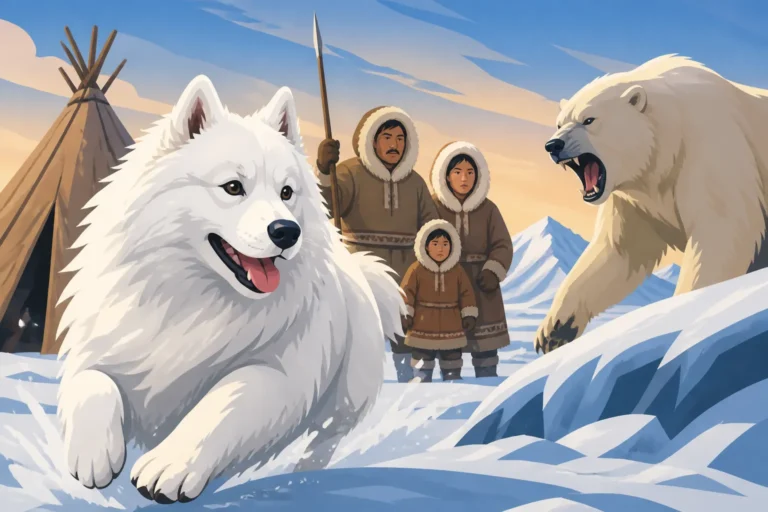
Imagine living a nomadic existence in one of the harshest environments on Earth: the vast, unforgiving expanses of the Siberian tundra. For centuries, the indigenous Nenets people thrived here, their entire way of life revolving around semi-domesticated reindeer herds. These reindeer weren't just a source of food; they provided hides for clothing and shelter, bone for tools, and even served as transportation. Without the reindeer, life on the tundra was simply impossible. This is where the Samoyed dog became not just a partner, but a lifeline. They lived intimately with the Nenets, often sharing their tents, which were called chum, becoming deeply integrated into the family unit. This close relationship fostered an unparalleled bond and an acute understanding of human needs and intentions.
These dogs weren't simply decorative. They were working animals from the moment they could keep up with the herd. Their tasks were varied: herding the reindeer, pulling sleds loaded with supplies, and, crucially, standing guard. The environment was not just cold; it was teeming with challenges, and constant vigilance was required. The survival of both dog and human was inextricably linked to the well-being of the herd, making the Samoyed's role as a protector paramount. The skills they developed were honed over countless generations, passed down through instinct and careful selective breeding by the Nenets. It was a partnership born of necessity, forged in the crucible of a demanding natural world, and that deep-seated sense of responsibility still echoes in their behavior today. You can learn more about their origin in The Nenets of the Yamal Peninsula Bred the Samoyed.
The Threat of the Timber Wolf on the Tundra
In this challenging ecosystem, one predator loomed larger and more consistently than any other: the timber wolf. Wolves are incredibly intelligent, cunning, and powerful animals, perfectly adapted to hunting in packs across vast, open territories. For the Nenets, a wolf attack on their reindeer herd wasn't just a nuisance; it was a potential catastrophe. Losing even a few animals could mean hardship, starvation, or even death for the human family. The wolves were always present, always observing, waiting for an opportunity, a moment of weakness in the herd or a lapse in vigilance.
The wolves' hunting tactics often involved testing the herd, looking for the old, the young, or the sick. They'd use distraction, circling, and coordinated movements to scatter the reindeer, making individual targets easier to isolate. Against such formidable and intelligent predators, the Samoyeds couldn't rely on brute force alone. They needed to be smart, persistent, and highly attuned to their surroundings. The stakes were incredibly high, defining the Samoyed's role not just as a deterrent, but as an essential guardian, a mobile early warning system that often meant the difference between a secure herd and a devastating loss.
Instinct and Intelligence: How Samoyeds Protected the Herd
The Samoyed’s methods for guarding against wolves were a testament to their intelligence and keen instincts, developed over millennia of living and working alongside the Nenets. It wasn't about being a ferocious killing machine, but a strategic protector.
Alertness and Vocalization: The First Line of Defense
The first sign of an approaching threat was almost always detected by the Samoyeds. With their acute senses of smell and hearing, these dogs could pick up on the presence of wolves long before any human could. Imagine the vast, silent expanse of the tundra – any anomaly in the air or a faint sound carried on the wind would immediately be noticed by the dogs. They were the ultimate early warning system. Upon detection, their immediate response was vocalization. And we're not talking about a simple "woof."
Samoyeds are renowned for their incredible range of vocalizations, and this was a crucial tool in their wolf-deterring arsenal. Instead of merely barking, they would often unleash a series of howls, yelps, and that distinctive "Samoyed scream" – a loud, piercing sound that could carry for miles. This wasn't just noise for noise's sake. This alarm served multiple critical purposes: it alerted the nomadic herders to the danger, allowing them to prepare; it communicated to the wolves that their presence had been detected, often making them reconsider their attack; and it rallied the other Samoyeds to form a collective defense. A single dog might be hesitant, but a chorus of Samoyed voices, combined with their imposing appearance, was a powerful message to any predator that this herd was well-protected. Understanding their vocal range helps us appreciate The Samoyed Scream and Why It Is Not Barking and What a Samoyed Sounds Like When It Talks.
Cooperative Defense and Intimidation
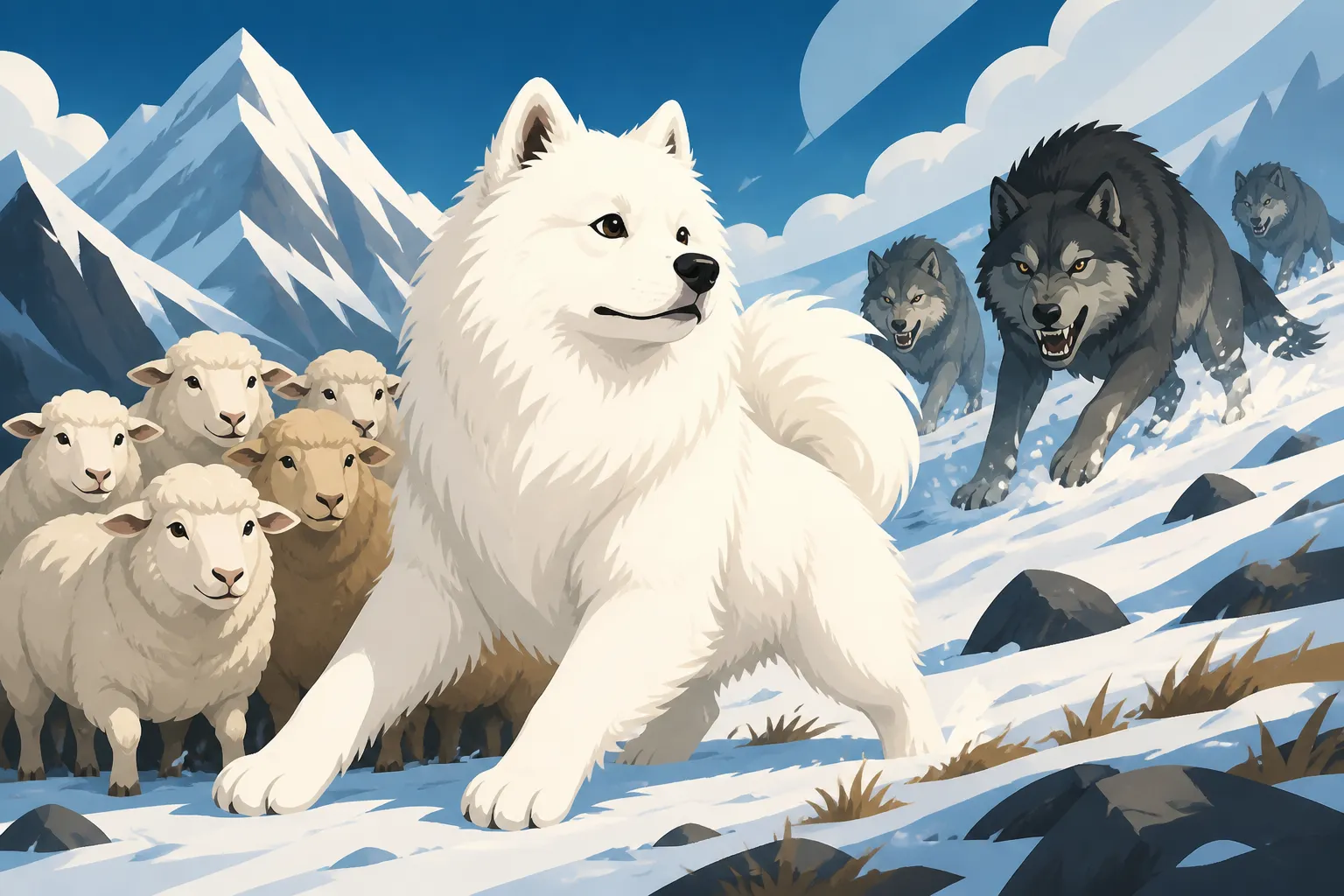
It's a common misconception that a Samoyed would single-handedly fight off a pack of wolves. While they are brave and capable, their primary strategy was always deterrence and coordinated defense, not direct combat to the death. A lone Samoyed, no matter how powerful, would be no match for a determined wolf pack. Instead, they worked together. When an alarm was raised, several Samoyeds would move to the perimeter of the herd, forming a visible and vocal barrier. Their thick coats and muscular builds made them appear larger than they were, especially when puffed up and standing their ground.
The goal was to intimidate the wolves, making the potential reward of a reindeer not worth the risk of a confrontation with a group of noisy, persistent dogs and their human allies. The dogs would hold their position, barking, snarling, and maneuvering to keep the wolves at bay, all while the Nenets herders would gather, often with their own defensive measures like bows or spears. This cooperative strategy meant that most wolf attacks were thwarted before they could even begin. The Samoyeds understood their strength in numbers and their role in a larger defense system. This type of coordinated effort is a hallmark of How a Samoyed Herded Reindeer, demonstrating their natural pack dynamics and intelligent approach to challenges.
Beyond Wolves: Protecting Against Other Threats
While wolves were a primary concern, the Samoyed's protective instincts weren't limited to just canine predators. The tundra held other dangers, and the Samoyed was versatile enough to address them. Bears, particularly brown bears, could occasionally pose a threat to reindeer, especially during certain seasons when food was scarce. While a Samoyed wouldn't fight a bear, their alarm calls and persistent harassment could certainly make a bear think twice about approaching the herd. The sheer noise and perceived danger of confronting a group of Samoyeds would often be enough to send larger predators seeking an easier meal elsewhere.
Furthermore, the threat wasn't always animal. In a nomadic society where resources were precious, the risk of human rustlers or rival tribes attempting to steal reindeer was a very real concern. A Samoyed's alertness and propensity to vocalize any unfamiliar presence would serve as an excellent deterrent against such human intruders as well. Their close proximity to the human family unit, even sleeping inside the chum, meant they were always on guard, watching over their people and their livelihood with unwavering loyalty. This comprehensive approach to guarding highlights the immense value of these dogs to their ancient human partners.
Inherited Traits: The Echoes of Their Past in Modern Samoyeds
Even though most modern Samoyeds aren't actively guarding reindeer from wolves, the instincts honed over centuries of this demanding work are still very much alive within them. These aren't just quaint historical footnotes; they're integral to the Samoyed's personality and behavior today.
The Herding and Guarding Instincts Today
You might not have a reindeer herd, but your Samoyed still views your family as their "herd." This deep-seated instinct manifests as their intense desire to be part of the family, often following you from room to room. They feel a natural responsibility to keep their herd together and safe. This translates into their famous alertness around the house. That persistent barking or "Samoyed scream" you hear when the doorbell rings or a stranger walks by isn't just random noise; it's an ancestral alarm. They’re saying, "Herders! Intruder detected!" Even if their actual response to an intruder is to demand belly rubs, the initial alert is pure, ancient instinct.
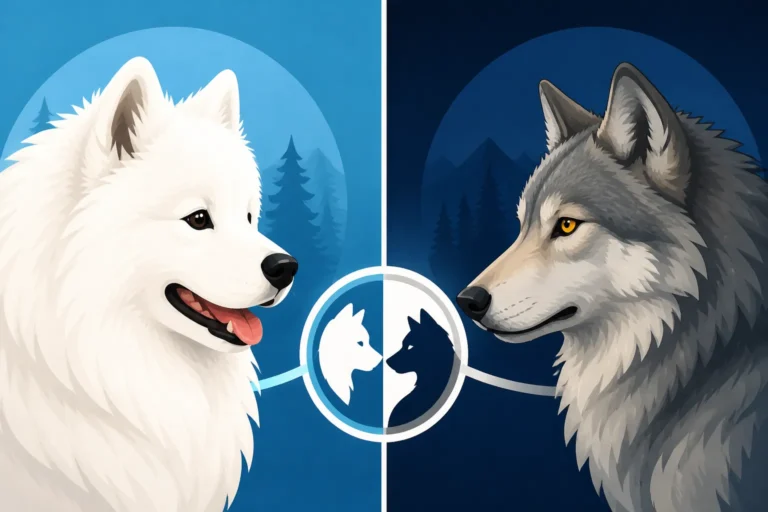
However, it’s important to understand the nuance here: while they are excellent alarm-sounders, they are generally not aggressive guard dogs in the traditional sense. They were bred to deter, alert, and rally, not to attack. Their friendliness is legendary, and a true Samoyed will likely greet a stranger with a wagging tail rather than aggression. This is why Why a Samoyed Will Never Guard Your House is a crucial read for potential owners. They are more likely to perform a very noisy welcome than a menacing defense. This deep bond and desire to be with their people also explains The Herding Instinct Nobody Expects From a Samoyed, as they often try to gently gather or nudge family members.
Training and Management for a Modern "Guard" Dog
For today's Samoyed owner, understanding these historical guarding instincts is key to successful training and management. Since most of us don't have wolves at the back door, we need to provide appropriate outlets for these deep-seated traits. Instead of needing to scare off predators, a modern Samoyed thrives on having a "job" – and that job often involves being a vigilant companion. Activities that engage their intelligence and physical abilities are fantastic. Think about training sessions that challenge them, like advanced obedience, agility, or even trick training. These give them a sense of purpose. Consistent, positive reinforcement training is essential, as their independent nature can sometimes be mistaken for stubbornness. If you’ve ever felt like your Samoyed is negotiating every command, you're not alone; that independence is a direct link to their ancestors who had to make quick decisions on the tundra.
It's also crucial to remember their bolting instinct. A Samoyed that historically roamed vast open spaces with a herd will still feel that pull to explore. A securely fenced yard is non-negotiable, and their recall, while trainable, may never be 100% reliable when a squirrel (or a phantom reindeer) catches their eye. Always use a leash when outside a secure area. For ideas on channeling this energy, consider The Job a Samoyed Actually Needs or Training a Samoyed That Finds Obedience Negotiable. Providing a designated "watch" spot where they can observe the household or yard can also satisfy their innate desire to monitor their environment.
Nutritional Needs for an Active, Alert Breed
A dog bred for such a demanding lifestyle – constantly moving with reindeer, enduring extreme cold, and being ready to defend against wolves – naturally has specific nutritional needs. Even if your Samoyed's "job" is now mostly chasing squirrels in the park and napping on the couch, their metabolism and energy requirements still reflect their athletic heritage. They need high-quality dog food that provides balanced nutrition to support their muscle mass, their incredibly dense coat, and their overall vitality. Protein is particularly important for maintaining their physique and energy levels.
Look for dog foods with quality ingredients, and consult your veterinarian to determine the right portion sizes for your individual Samoyed, as it's easy for these fluffy dogs to hide weight gain. An active Samoyed will naturally burn more calories, but even a pet Samoyed needs fuel for those bursts of playful energy and their innate alertness. Reputable pet supply stores, like Chewy, offer a wide variety of high-quality kibble and fresh food options that cater to the needs of active breeds. You might also find supplements or specific formulations on Chewy that support joint health or coat quality, which are always considerations for Samoyeds. For more on this, check out What Kibble Costs for a Samoyed and What Feeding a Samoyed Costs Each Month. Providing them with nutritious treats, also readily available from Chewy, for training and enrichment can also contribute to their overall well-being. Keeping them well-fed and healthy helps ensure they continue to exhibit the wonderful, vibrant qualities passed down from their wolf-deterring ancestors.
| Trait Category | Ancestral Samoyed (Reindeer Herder) | Modern Samoyed (Companion) |
|---|---|---|
| Primary Role | Herding reindeer, protecting against wolves/predators, pulling sleds | Companion, family member, enthusiastic playmate |
| Guard Instinct | High vigilance, alarm barking/howling at predators, cooperative defense | Alertness to strangers/doorbells, loud vocalizations (barking, screaming) |
| Social Bonding | Lived intimately with Nenets family, slept in shelters for warmth | Strong desire to be with family, prone to following owners room-to-room |
| Independence | Made decisions on the tundra, self-reliant | Can be "stubborn" or selective in obedience, requires motivation |
| Vocalization | Used specific calls to alert herders and deter predators | Highly vocal, enjoys "talking," will alert to perceived threats |
| Physical Needs | Constant movement, endurance for long treks, extreme cold tolerance | Requires daily exercise, enjoys cooler weather, prone to overheating in heat |
Disclaimer
This article is for general informational purposes only and does not constitute professional advice. Laws, prices and regulations vary by location and change over time. Consult a qualified professional for guidance on your specific situation.